
•
Discover mulch removal cost estimates. Discover what influences pricing, compare DIY vs. professional services, and find expert tips to save on your mulch removal project.
A little TLC goes a long way for this landscaping project

Removing leaves from mulch beds prevents disease like snow mold from developing when wet layers pile up and threaten your landscape plants.
Expect to pay $200 to $500 for professional leaf removal services, and leaf blowers cost $150 to $400 if you tackle the job yourself.
Raking lightly with a narrow rake lets you gather leaves without disturbing your mulch or uprooting plants in tight garden spaces.
Hiring a local leaf removal professional saves you time and effort, especially when you need help managing large yards or frequent fall cleanup.
Having lots of trees is a bonus in the summer months, when the shade helps keep your home and yard cool. However, when fall comes around and those trees drop their leaves, it can become a nuisance in your landscaping beds. The good news is it’s fairly easy to learn how to get leaves out of mulch—all you need is a bit of free time and the tools to get the job done efficiently.
One layer of leaves over mulch may not seem like a massive issue. And for the most part, it’s not. But when other layers begin piling on top of the first layer, and then rain falls to create a moist pile of dead leaves, your landscape beds could develop diseases like snow mold that affects your plants. So if you start to notice a lot of leaves accumulating in an area, it’s best to remove them now.

The least complicated way to remove leaves from mulch is to pick them up with your hands. This approach is especially helpful for small areas with tight corners that a rake can’t reach. If you’re worried about your hands getting dirty or scratched up, grab a pair of garden gloves to protect them. You can also enlist the help of a kneeling pad to keep your knees from aching. Place the leaves in a pile to either put in a yard bag or mulch later on.
Standard-sized rakes are too big for this job, which is why you’ll need a narrow rake to corral any leaves that have settled. Make sure to rake lightly so that you don’t pull up piles of mulch or disturb plants that you don’t want uprooted.

If you have a leaf blower on hand, select a low setting to gently blow piles of leaves in the direction of your choosing. If you don’t own a blower, most standard sizes cost anywhere from $150 to $400. There are some lightweight options available for $30 to $50, if you are on a budget—or you can rent one or borrow one from a neighbor, friend, or family member.
Another option is to use a leaf vacuum on a low suction setting to suck up the leaves from your mulched beds. Just be mindful that if debris such as rocks get sucked into the vacuum, they could cause a clog.
Although it will take more time to install upfront, putting landscaping fabric over your mulch will cut back on labor and ensure leaves don’t become tangled in unwanted areas. Landscape fabric is designed to provide a barrier between your leaves and the mulch, so all you have to do when your leaves are done falling is collect what’s on top of the material.
To install, begin in early fall and cut holes in the fabric where plants are located. Secure the fabric with landscaping pins, then leave it until it needs replacing, typically every 2 to 4 years.
The leaves that constantly fall in the autumn months can be more manageable with the helpful tips below.
There’s no sense in scheduling a leaf cleanup day when rain or strong winds are in the forecast. It’s best to remove leaves in dry, still conditions—plus, a windy day will likely dump more leaves onto your property, adding to your workload. Check the forecast for the week before you gather your supplies.
Include your kids, other family members, or friends in a leaf cleanup day to make the task go by quicker. When one or two people rake while another scoops leaves into a bag that someone else is holding, the project can go by in a flash.
It can be a hassle to stuff leaves into tons of yard waste bags and figure out how to dispose of them all. As an alternative, you could add them to your compost pile. Their carbon-rich makeup will provide added nutrients to food scraps that then turn into plant-boosting matter.
If you don’t have the free time or tools to take on this project, you can hire a leaf removal company near you to get the job done in no time. Although you’re likely to save time if you hire the task out, be prepared to pay more than if you decided to DIY. Leaf removal and blowing services cost anywhere from $200 to $500 per lawn.
One of my old tall evergreen trees was suddenly leaning toward the busy street in front of my house. I submitted a request for an emergency tree inspection, and Alejandro, owner of Cajete Tree Service, contacted me immediately and arrived to look at it just 20 minutes later. We agreed the...
 Cajete Tree Service LLC
Terrible experience. Walls/trim/floors/cabinets/doors all have drip marks, overspray, etc. Tiling at the fireplace had to be redone by another vendor due to incorrect and shoddy install by Profect. Contractor had his children in our house while he was on site without prior authorization or...
 Profect painting & exteriors
Wonderful. I am going to have them remove and replace my driveway in the spring.
 All Star Paving and Sealing
Lyle did a great job removing asbestos shingles from our front porch roof. They worked together with our roofer to make sure that the new roof was able to be installed on the same day that Lyle removed the asbestos shingles.
 Lyle Environmental
Involved an extensive bathroom remodel, including removing tub & installing walk in shower, new drywall, custome tile work to ceiling, plumbing, etc. Overall, job was done on time and on budget. Nick & his team were very professional and had high attention to detail. Quality was great. Highly...
 Stamos Flooring and Remodeling LLC
Extremely well. Ohio Tree Care is my go to company for all tree care and snow removal services. they are professional, knowledgeable and affordable. I manage five camps in 33 counties and Ohio Tree Care has serviced every one of our properties. Highly recommend.
 Ohio Tree Care Inc
A team of 2 spent 5 hours, cleaning top to bottom (removed all light fixture and cleaned.... impressive!!!)
 Luzia's Cleaning
Great Job!!! Martin called me after I requested a estimate on Home Advisor. He was very professional and actually went the same day and looked at the tree I needed removed gave us a estimate and I felt it was very aggressive so I did not even call for any other bids. I asked him how soon he...
 Reyes Tree Service LLC - Home Facebook
Removed various items (furniture, lamps, other junk) from my home. They were on time, personable, professional, etc. I can't say enough positive things about this company. <br />
The task proved more difficult than anticipated. When they arrived the first day, they had no tools with them at all, and had to make a run to purchase appropriate tools. It was quickly determined that the paper had to be steamed off, and neither the workers, nor the company itself, had...
 ABS Interiors of Mid-Ohio LLC
From average costs to expert advice, get all the answers you need to get your job done.
Discover mulch removal cost estimates. Discover what influences pricing, compare DIY vs. professional services, and find expert tips to save on your mulch removal project.
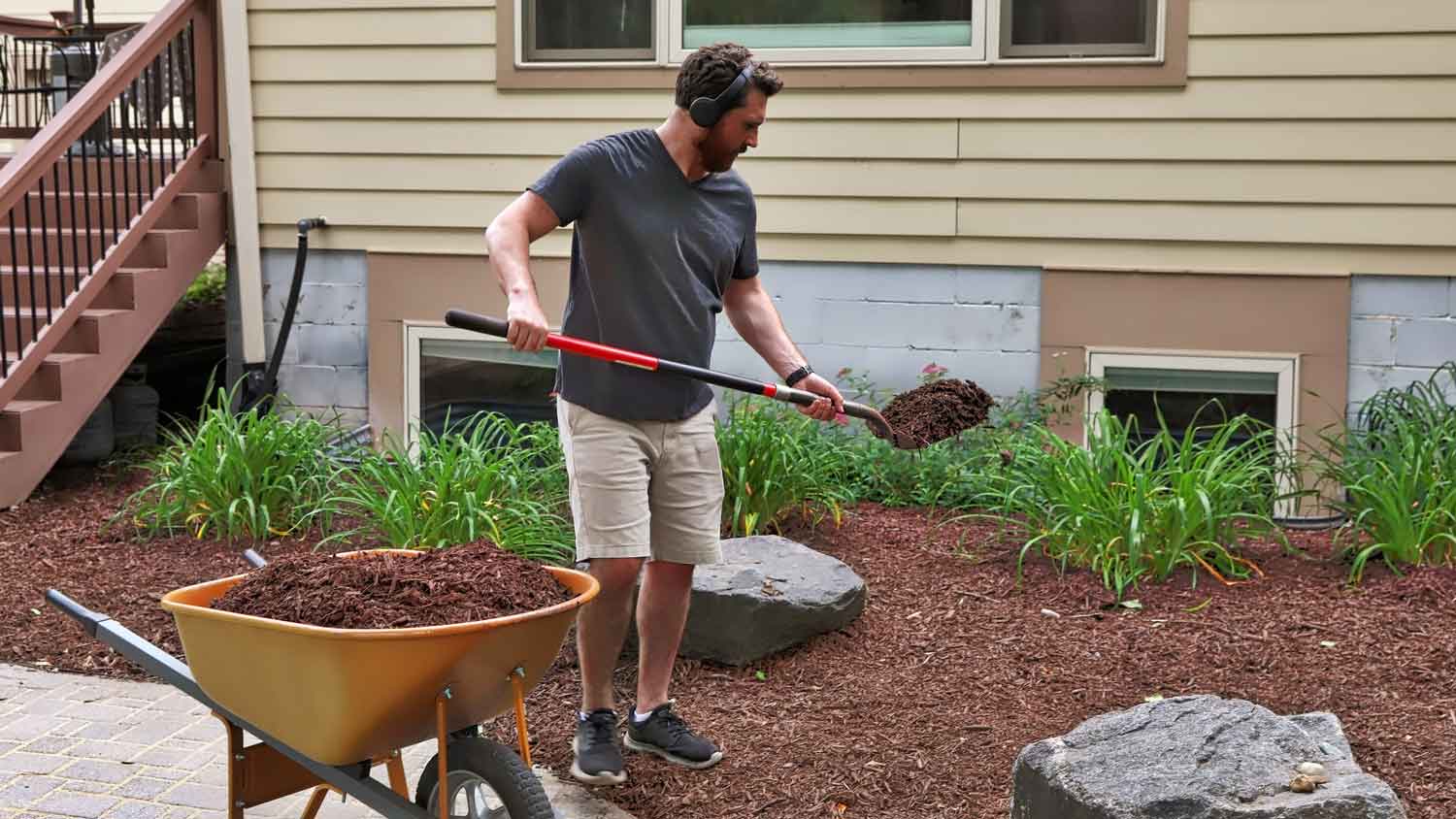
Autumn leaves piling up on your lawn doesn’t have to mean losing your weekends to back-breaking yard work. Learn how to mulch leaves with a mower.
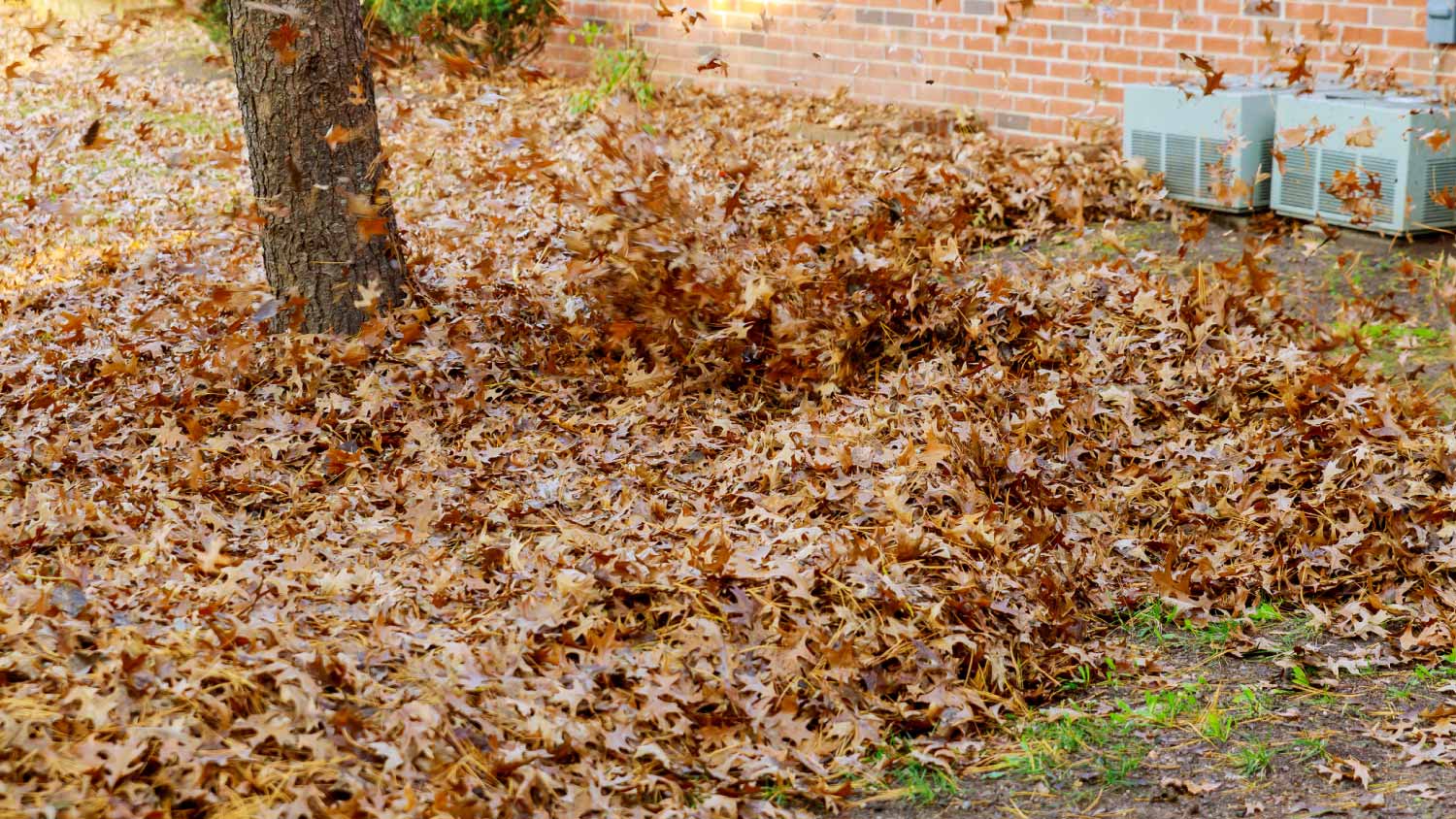
What happens if you leave leaves on grass? Find out why some leaves can help your grass and how you can keep your lawn in good condition all year long.
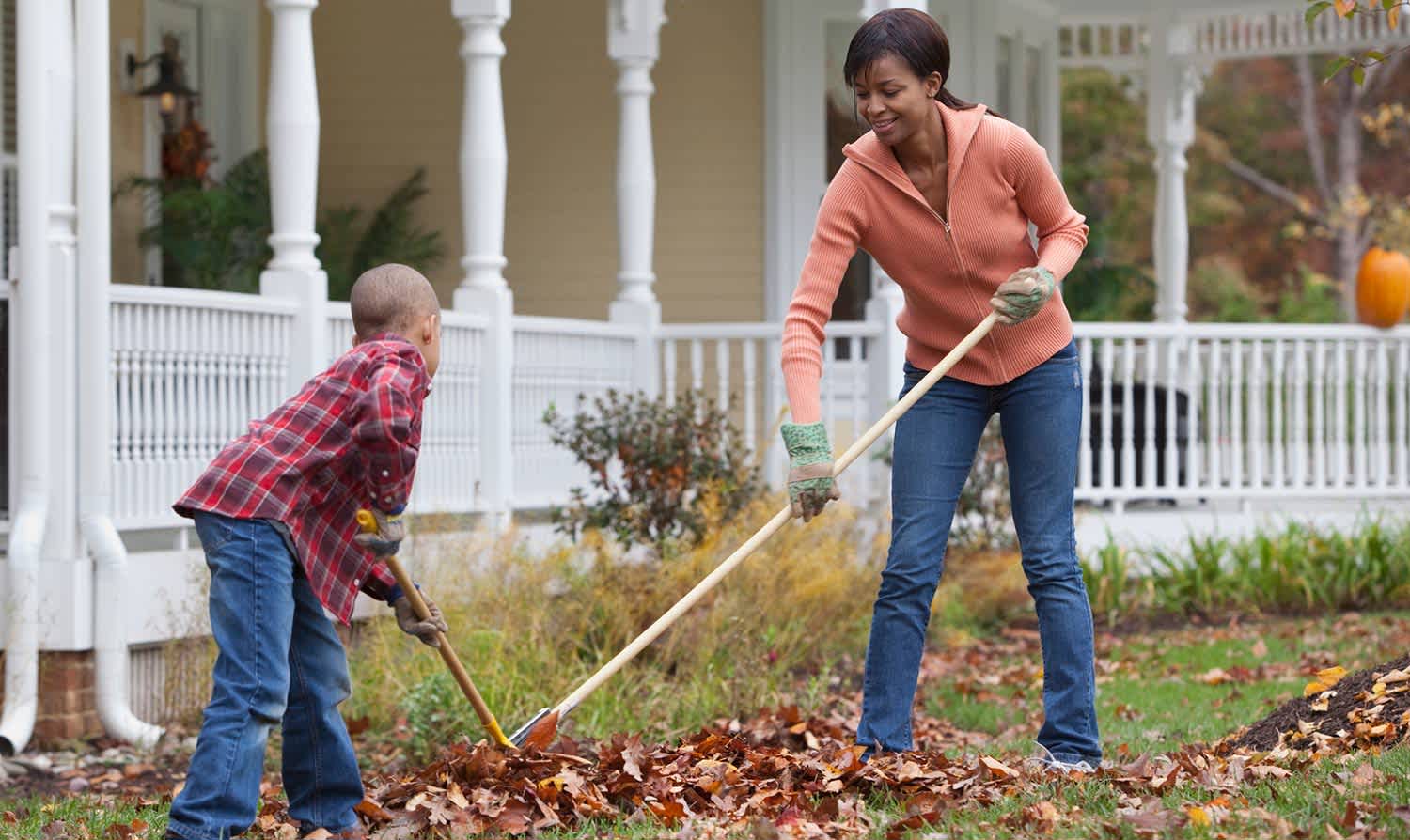
Determining how to clean up fallen leaves can be a real chore. Consider time, tools, and environment when choosing between raking or mulching leaves.
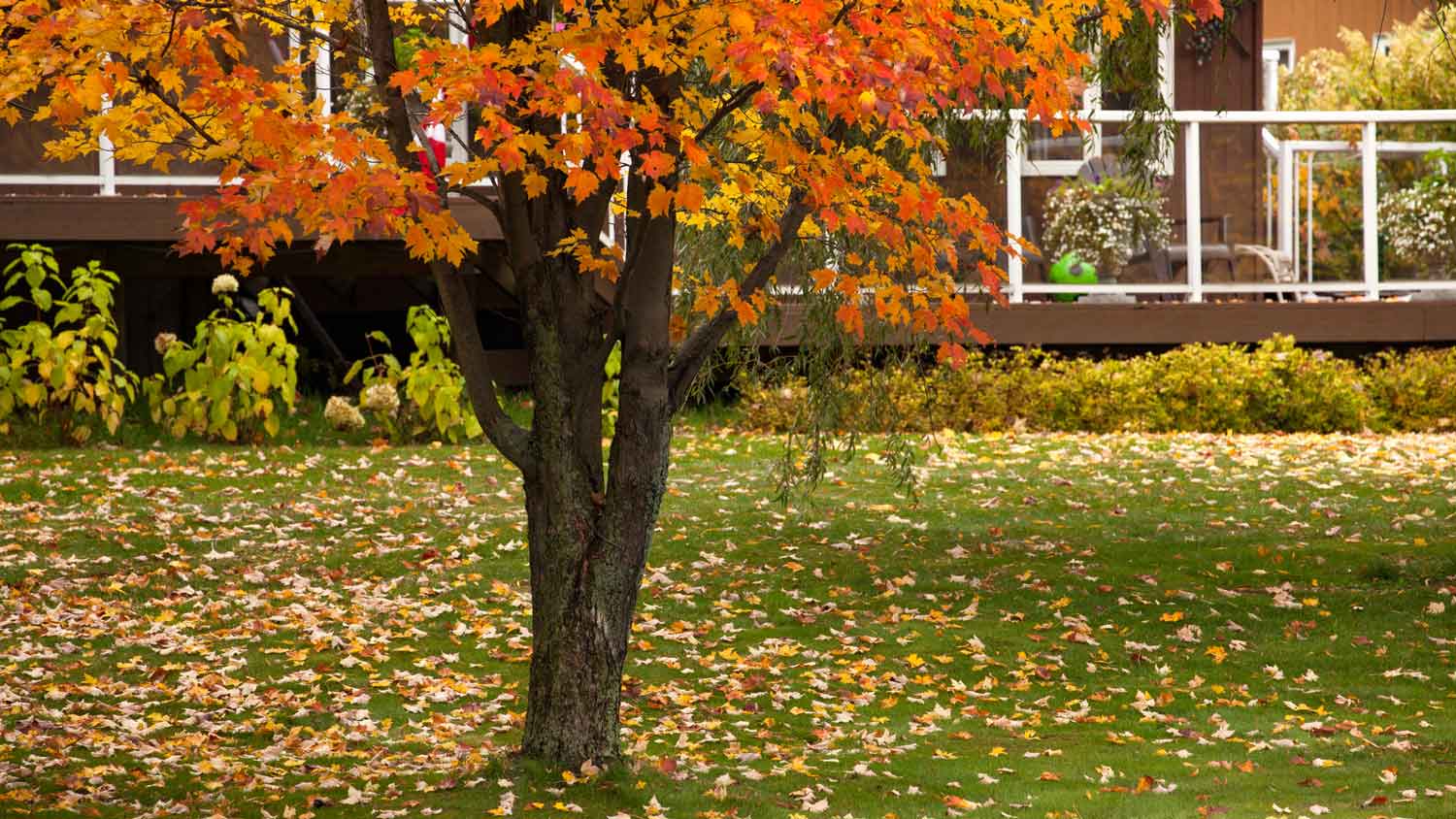
Allowing leaves to decompose naturally can add vital nutrients back into your soil. Learn whether you should rake leaves and why.
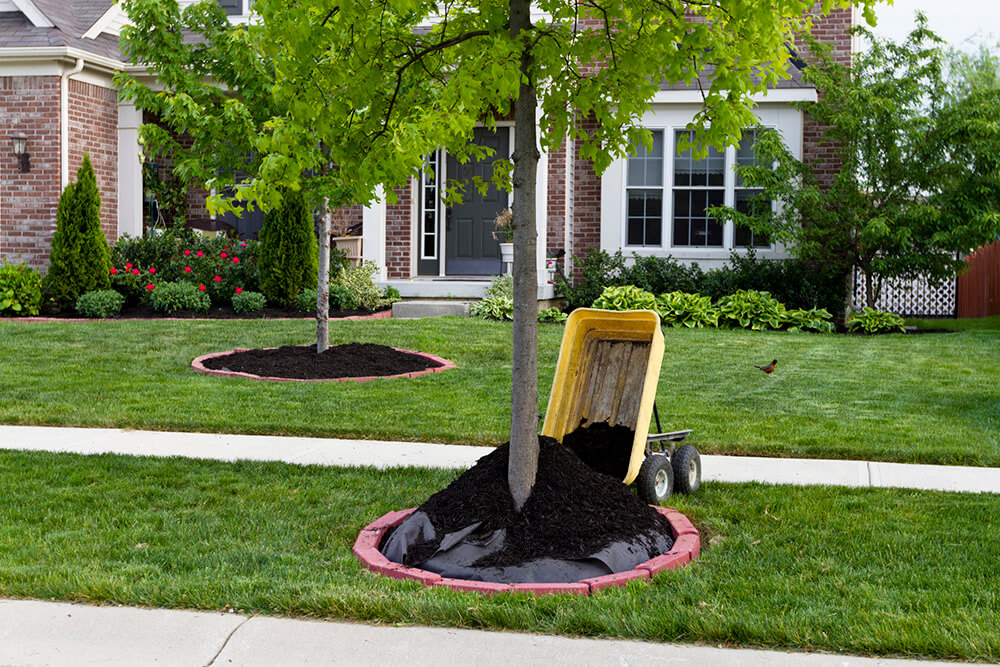
Making mulch for your garden does not have to be complicated. Find out how to make mulch using six different materials here.