

The cost to install a C-wire ranges based on materials and labor, but it only takes an hour or two. Here’s a guide on the project costs to expect.
Make your home smart thermostat compatible

Smart thermostats need the thermostat C wire wiring to deliver constant 24V power for Wi-Fi connectivity and circuit board operation beyond older mechanical switches.
Professional C-wire installation costs $120 to $200 for labor, and hiring a pro helps avoid warranty issues and ensures safe wiring that meets codes.
You can add a C-wire by running new wiring from your furnace, installing an adapter, using a plug-in transformer, or repurposing existing fan wires.
Hiring a local electrical professional keeps your smart thermostat installation safe and correct, handling low-voltage wiring work and ensuring everything powers up properly.
Learning how to install a C-wire may be necessary when changing your thermostat from an old style to a new, smart model. However, depending on your home's layout and its HVAC system, the project can be a bit trickier than it sounds. Discover how to get a C-wire between your home's furnace and new thermostat in a few steps and learn what to do when that proves impossible.
A C-wire, or common wire, is a power wire that delivers electricity to your thermostat and connects directly to the HVAC system. Smart thermostats require a C-wire or an equivalent alternative to provide constant 24V power for a couple of reasons.
First, smart thermostats operate using a circuit board instead of the old mechanical switches found in older thermostats that didn't require an electrical connection other than delivery wires to the furnace. Second, smart thermostats typically connect to Wi-Fi and need constant power to maintain the connection.
Before committing to a C-wire installation project, check if your home already has one. Newer construction homes usually contain upgraded thermostat wiring ready for smart thermostat installation. Remove your thermostat from the wall and look for a blue or black wire disconnected or plugged into the C terminal. You can also check your furnace's electrical connection panel for the wire in the same configuration.

Installing a C-wire means connecting your thermostat to a power source. While running a new wire from the furnace's 24V power is the most effective and reliable method, other solutions exist.
The best way to connect your new smart thermostat to your furnace is with an added C-wire. However, this is also the most difficult method and requires pulling wires through walls physically. You can run a new thermostat cable consisting of one more wire than your current thermostat operates on, or you can install a single 18-gauge thermostat wire alongside the existing wiring.
In either case, use a fish tape and a drill, if necessary, to run the wire from the furnace through the floors and walls and to the thermostat location. Connect the new C-wire to the connections in each location labeled C.
Adapters that convert your existing furnace wiring into wires with similar C-wire functionality are available. The adapter installs into your furnace and its wiring to deliver power to the thermostat. Wiring the adapter is straightforward using the directions from your specific model. However, only some smart thermostats work with an adapter wiring configuration.
A simple method of powering your smart thermostat involves plugging a special 24V transformer into a nearby outlet and running the wire to the thermostat. You can run the wire inside the wall to the back of the thermostat or through a surface-mounted conduit and connect it to the C terminal. While simple and effective, this solution requires a nearby electrical outlet and visible wiring.
In some cases, you can avoid running new wires or adding adapters altogether by altering the wiring in the furnace and using the fan control wire as a C-wire. However, using this method means you'll give up control of your HVAC fan-only function, except when it’s in auto mode.
Depending on the functions of your HVAC system and its wiring, disconnect the fan-on wire and connect it to the C terminals on the furnace and thermostat. Add a jumper wire between the fan-on terminal and the cooling call terminal on systems with central air conditioning.
Installing a C-wire or using other methods to power your new smart thermostat requires low-voltage electrical wiring skills. Additionally, unlike other house wiring, thermostat wiring doesn't have wire-coloring standards.
The best tips when working with thermostat wiring are to take several pictures before disconnecting any wires and label each wire with a piece of tape indicating its purpose and connection terminal. Refer to your photos when reconnecting or installing a new thermostat.
Each terminal letter represents its function within the HVAC system and doesn't depend on the color of the wires.
C Common or C-wire
G Fan On
R 24VAC
Rh 24VAC for heat
Rc 24VAC for central air conditioning
W Heat call
Y Cooling call
Hiring a local electrician to install a new thermostat can avoid confusion and ensure warranties remain intact. However, installing a C-wire as a DIY project is doable with patience and careful attention to detail. Remember that incorrect wiring can harm your thermostat, HVAC system, or both. Most homeowners decide hiring a nearby electrician is worth the C-wire installation cost to ensure everything works right on the first try. Keep in mind that the typical cost to install a C-wire is $120 to $200.
I recently had Mosby Electric perform an electrical installation on 8-14-2026, and I couldn’t be more satisfied with the service. From the moment I called, their team demonstrated fast arrival and professionalism. The electricians were highly knowledgeable, completing the installation...
 Mosby Electric
Great company! Price was competitive, technician showed up on time and completed the job (exterior electric Radon fan replacement) quickly. Would hire them again.
 MaGen Property Inspections and Radon Mitigation
I conferred with 2 other contractors before Armstrong Electric. Nick and his crew showed me that the project was not as convoluted as the other contractors made it appear to be. They completed the entire project on time. They were professional, friendly and cleaned up after at completion. I...
 ARMSTRONG ELECTRIC, LLC
The techs on my project, Shawn and Cliff, were great. They were prompt, courteous, and efficient. I am very happy with the results and would definitely contact Mr. Electric for any future electrical projects.
 Mr. Electric of Columbus
Victor was wonderful. He was on time, professional, and explained everything he was doing. He was thorough and figured out that the problem was electrical instead of with my HVAC system. Very knowledgeable. I will be using this company in the future for any HVAC needs. Thanks!
 Hubbs Heating & Air LLC
They were excellent. They did a great job. I was totally satisfied. They put tremendous effort in making sure the work was completed. They were great. They provided immediate response to any inquires I made. I would hire them again. I would recommend them to anyone who needs electrical work....
 JCB & Associates, LLC DBA Property-Tech Industries
Initially, the repairman could not find the problem. Apparently, there was some electrical shortage, but he could not find the definite problem. He left, but called back later to say he had a new idea. He returned and replaced the light switches on the doors. The refrigerator seemed to return...
 Appliance Pro LLC
The initial quoted price from a walk-through seemed high, but we discussed that the quote represented worst case scenario (re-wiring to two floors) and we were excited about the opportunity to have the work done in a timely manner with closing for fire safety reasons, etc. When the job was...
I have to tell you I am all about customer service - I will go out of my way and even pay more for it if you give me great customer service. <br> <br>In a world where this is hard to find, these guys were awesome! I can not sing their praises enough. They were prompt, personable, funny, got...
 Waibel Electric
When I challenged the markup on the generator, Bruder Electric withdrew its bid. They only want naïve customers.
From average costs to expert advice, get all the answers you need to get your job done.
The cost to install a C-wire ranges based on materials and labor, but it only takes an hour or two. Here’s a guide on the project costs to expect.
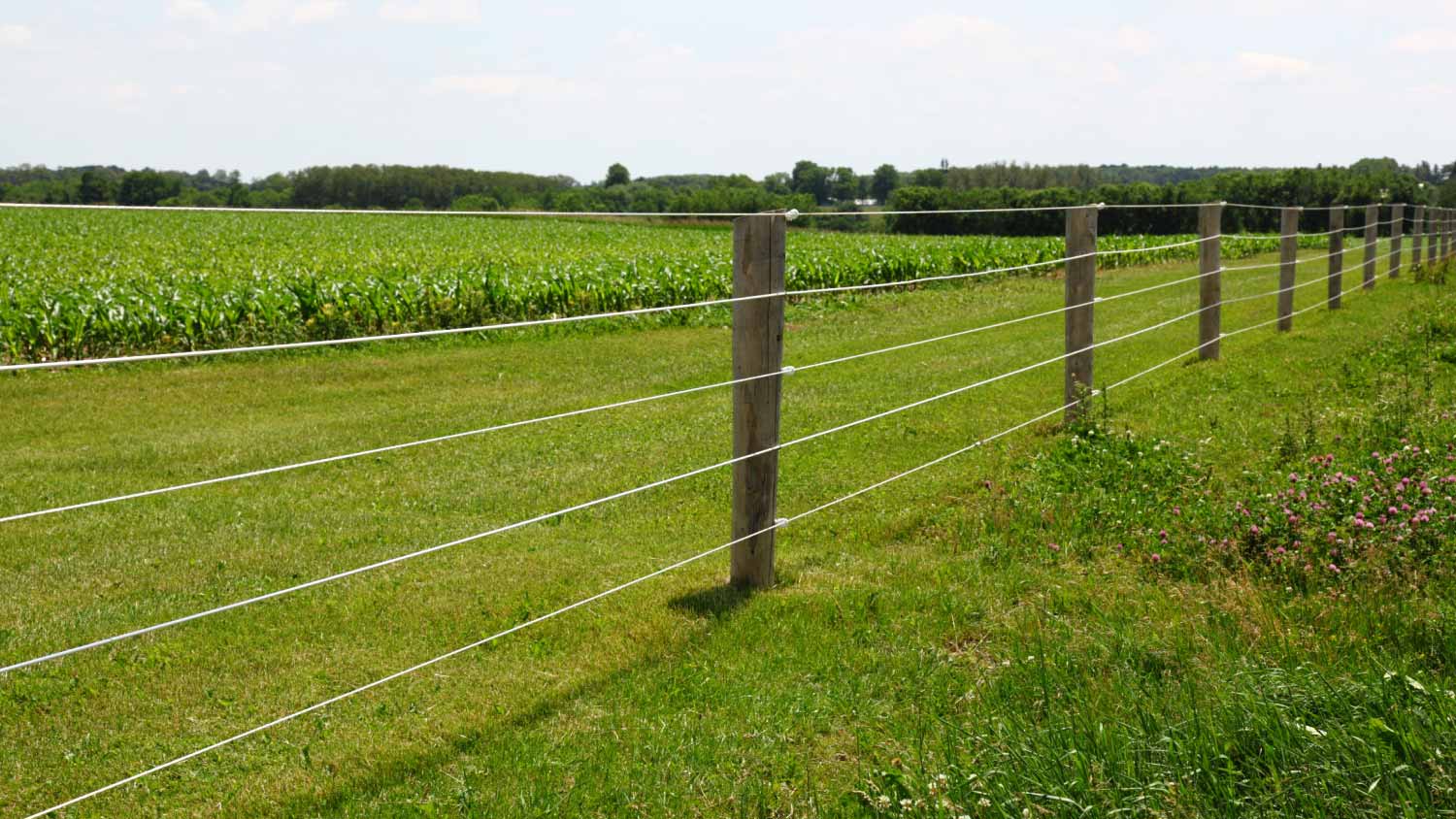
Wire fencing offers reliable property boundaries, livestock containment, and garden protection. Use this guide to learn how much wire fencing costs based on factors like type and material.

The cost of a barbed wire fence depends mainly on how large your property is. If you have a longer fence, you can expect to pay a few thousand dollars.

Doorbell wiring is a project you can DIY. This guide covers everything you need to know, from different types of doorbells to wiring, and how to remove an old doorbell.

What is the C-wire? This important wire can connect a smart thermostat to your HVAC system for power and WiFi. Learn all you need to know here.
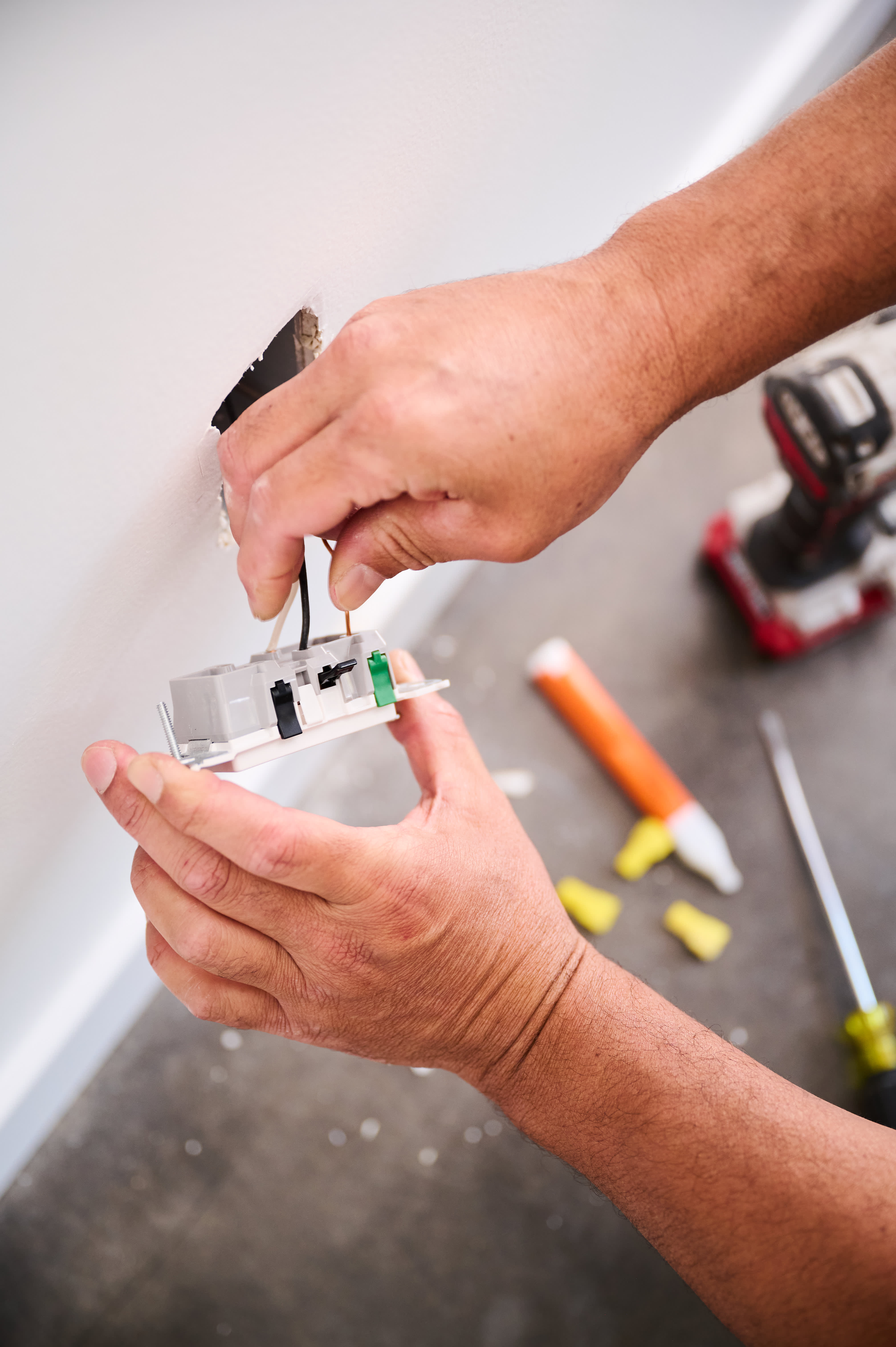
Do you know if the black wire is positive or negative? If not, stop right now and check out our guide on differentiating electrical wires.