
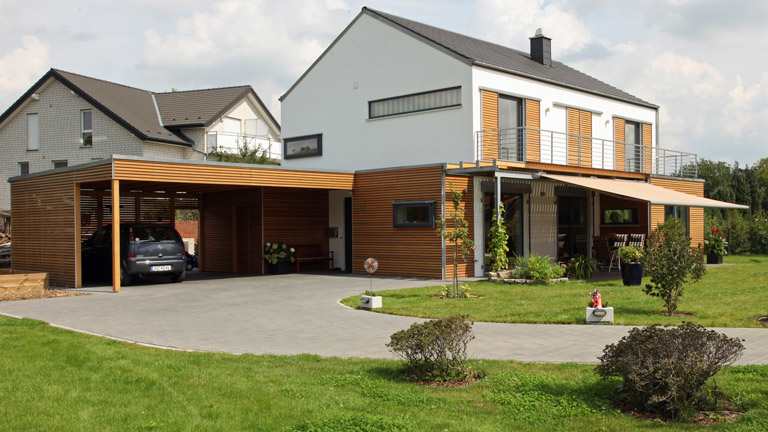
Considering enclosing your carport to turn it into a more protective garage? Find out about the cost to convert a carport into a garage in this handy guide.
Get the gorgeous garage of your dreams by making a few updates

Converting your carport into a garage requires checking ground stability, drainage, roof condition, and support beams before you start building or enclosing.
Typical costs to enclose carports start at $18,000, and reusing your existing slab and roof can save you thousands on this project.
You need to install walls on open sides, add a garage door with proper drainage, and include access doors for a complete conversion.
Hiring a local carport building professional takes the guesswork out of measurements, permits, and structural work, keeping your conversion safe and on schedule.
When it comes to finding a home you love, you still might have to make a few concessions. Maybe you really wanted a garage but ended up having to settle for the next best thing: a carport.
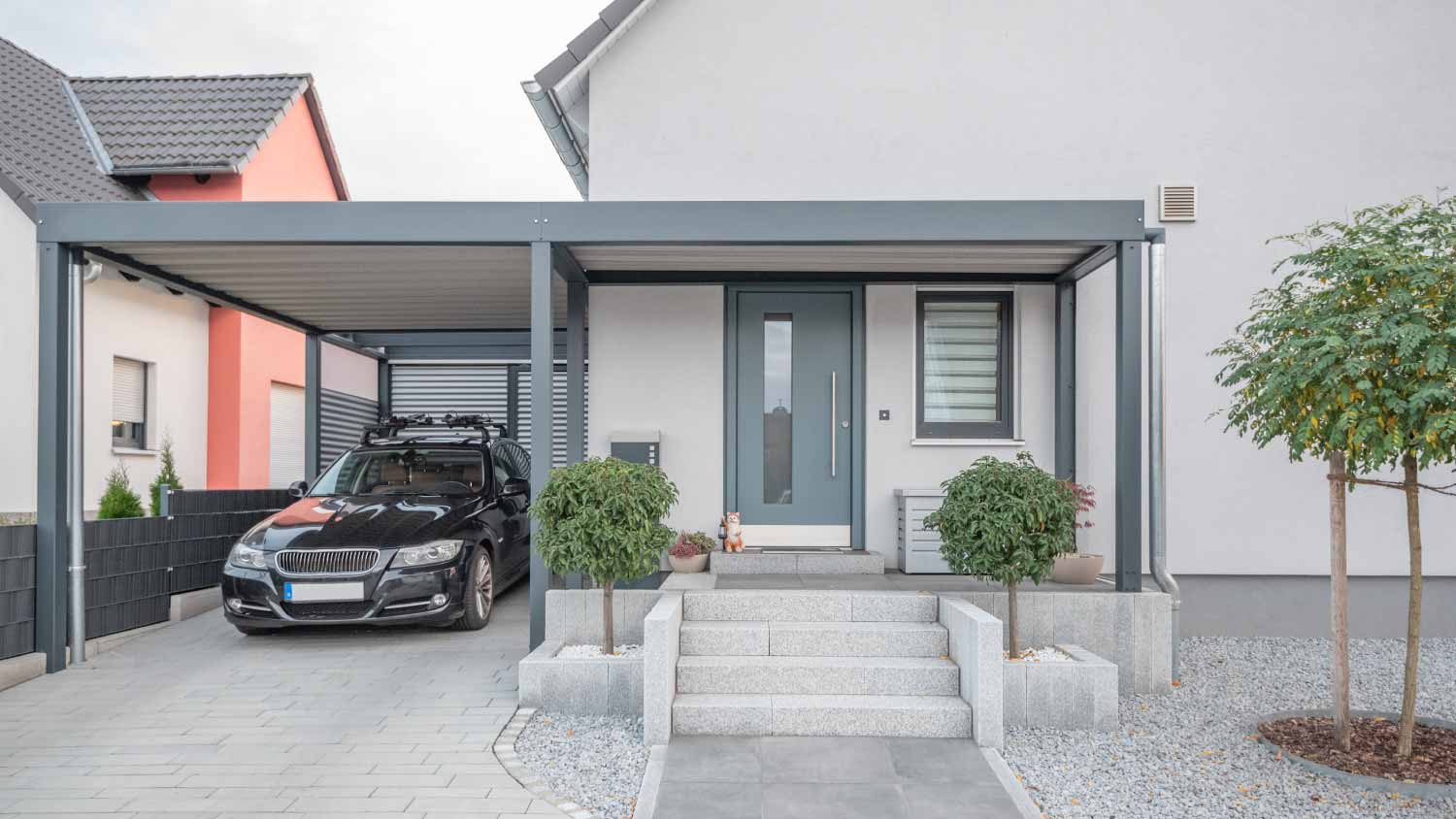
A carport is a covered structure built beside a house to offer some protection for vehicles from the weather. It can be freestanding or attached to a wall. But, it usually consists of a roof supported on posts and has open sides.
While a carport can be a good alternative, you still may have dreams of driving into the privacy of your garage after each long day. The good news is that it’s possible to transform your simple carport into a secure and stunning garage space. Here’s how you can do it.
The question of carport vs garage when it comes to what’s best for your home can be a tough one. After all, they’re both similar in the sense that they add value to your home while also providing some protection for your belongings. But before you decide to enclose your carport and transform it into a garage, it’s helpful to consider the pros and cons associated with each option and which one fits your needs.
Some homeowners opt for a carport instead of a garage because it is usually more affordable, less prone to clutter, and provides a measure of protection for vehicles. Carports do have some disadvantages, though, such as providing less overall protection against weather and theft and not having all the bells and whistles that garages typically have. Rather, they’re simple structures that don’t add as much value to your home.
All things considered, the garage seems to offer homeowners many benefits that the carport cannot. They offer maximum protection, more visual appeal, and increased value to the home. However, garages are also typically more expensive, prone to clutter, and always require a building permit.
If you’re looking for added security, more storage space, a more updated look, and a way to increase your home’s value, then enclosing your carport and turning it into a garage could be well worth the cost.
Understandably, the excitement you feel about the prospect of turning your carport into a garage may have you ready to start building right away. But before you pull out your tools, you’ll want to prepare for this ambitious project.
One way to prepare is by making sure your building space is ready for work. Some questions to consider during the preparation phase include:
Is my ground stable?
Do I have a good drainage system in place?
Are there any joists, columns, or soffits off my existing carport that need to be removed?
Do my support beams and roofing have any signs of rotting or termites? Are they sturdy?
Has soil movement caused any damage to my structure?
Does my roof and ceiling show any evidence of leaking? Are they in good condition?
You’ll also need to check local building codes to make sure the project is allowed and that you have the necessary building permits.

Without further ado, let’s consider how to enclose your carport and finally transform it into the garage you’ve always wanted.
Enclosing your carport and turning it into a garage will require precise measurements. You’ll need to consider the width, depth, and height of your future garage, as well as the space you’ll need for your vehicle(s). At minimum, a one-car garage should be 10 feet wide and 20 feet deep; a two-car garage should be at least 18.5 feet wide and 20 feet deep. For a more spacious garage, you’ll need even greater dimensions.
Regardless of your desired size, the first step is to measure the dimensions of your existing carport. You’ll need to measure its slab, height, width, and depth and draw up building plans for how those measurements will convert into ones suitable for a garage.
Next, gather the materials you’ll need. Here are the materials you’ll generally need to enclose your carport and convert it into a garage:
Insulation
Door(s)
Garage door
Lumber
Particleboard or drywall
Siding
Plywood
Window(s)
Nails and screws
Drain pipe
Roofing materials
Excavation concrete
Materials to run electricity into the structure, such as insulated wire, metal conduit, electrical boxes, and switches
The main difference between a carport and a garage is the number of walls. Garages always have four solid walls, whereas carports always have at least one open side. So, to transform your carport into a garage, you’ll need to first enclose the open sides and make them into walls.
This is an extremely important step that you should execute with meticulous attention to detail. If you don’t feel completely confident, it’s always best to hire a pro. A professional can help you obtain accurate measurements, materials, and enclose your carport properly.
Once you install the walls, you’ll want to think about access doors and windows. A garage should have at least one door that makes the space easily accessible. And while windows aren’t a necessity, they can be a nice addition to welcome light into an otherwise dark garage. Make sure to account for these openings in your building plans.
Installing the garage door is an essential part of enclosing your carport and transforming it into a garage. For this installation, you’ll want to make sure there’s a slope at the threshold of the garage door so that water will properly drain towards the street.
There are many garage door styles to choose from, and you can even customize it with a door opener. However, it’s highly recommended that you avoid a DIY garage door project unless you are professionally trained and highly experienced. Installing a garage door incorrectly could result in serious physical harm to yourself and others. It’s best to hire a professional to ensure the job is done safely.
After you install all walls, windows, and doors, you can now add other desired features such as electricity, plumbing, and insulation. For your safety, unless you’re a licensed electrician, you should hire a professional to do any electrical work.
As for insulation and other features, it may be possible to DIY. Adding insulation can help you save money on heating and cooling, while regulating the temperature inside your new garage. But if you’re unsure of how to add insulation on your own, a pro would be more than happy to take on the job.
Now that the hard work is done, you can have a bit of fun by adding some finishing touches. You can install drywall to the inside of the garage and siding on the outside to achieve a sleek look. You might also consider painting and adding other decorative features that make the exterior of your garage match the exterior of your home.
Now that you’ve decided to embark on this home improvement project, you may be wondering how much it costs to convert a carport into a garage.
While a carport costs only $3,500 on average, it’s no secret that a garage will cost you more. The good news is that being able to repurpose the existing slab and roof of your carport can save you thousands. Turning a carport into a garage generally begins at $18,000 but can cost more or less depending on factors such as: garage size, the time of year, how much of the original carport you can use, and the costs of other features like windows, plumbing, electricity, and more.
Whether or not you’ll hire a carport builder, the type of garage, and the materials you use are other factors that will impact your total for this project.

Make sure your carport is viable: In order to enclose your carport and turn it into a garage, it must be in an acceptable condition. Make sure that your carport isn’t leaning, undersized, or damaged in any way before building.
Give thought to your roofline: Your carport’s V-shaped or shed roof may not look aesthetically pleasing once turned into a garage. Besides pure aesthetics, the dimensions of your roof may not translate into a working garage. If this is the case, you couldn’t use the carport’s existing roof and would have to build a new one.
Learn about local safety codes and neighborhood rules: Local codes might require you to build your garage in certain ways. For example, you may need to have fire-rated walls and entry doors. Before building, be sure to consult with a contractor or your local municipality to ensure you’re following all rules and regulations.
Choose a type of garage that’ll fit your budget: There are several styles of garages that you can transform your carport into. You could build a garage out of stick built wood, cinder block, brick, metal, or more. How much you spend will depend on the materials you use. So before building, take the time to calculate what you can afford.
Since enclosing a carport and turning it into a garage isn’t the easiest project, it’s perfectly okay to hire a carport pro or a garage building pro. It can give you much peace of mind to know that your new garage will be safely built.
You could save $35 to $45 per square foot in labor if you DIY, but you’ll also want to account for the time and energy it’ll take. You might also consider hiring a professional for certain parts of the job and then DIY-ing other parts. For example, you could spend on an electrician, which typically costs $50 to $100 per hour. And then you could save some money by painting, installing doors and windows, and hanging drywall on your own.
Company came to look at my garage door that was off track. They also said I needed a brace on the other garage door. They put the door back on track, and I paid to install the brace. The technician told me I needed a new garage door opener, and it would cost $1000. Red flags went off in...
 Precision Overhead Garage Door Service
I highly recommend KTM construction! I will look no where else for anything that needs to be done, in or out side of our property. The level of craftsmanship is 5 star service across the board! The level of detail, knowledge and professionalism is 5 star service across the board! Ken is a...
 KTM Construction, LLC
Replace garage doors: Fast response, competitive estimate, timely work done well.
 Village Garage Door
Called Mark on a Thursday morning. Not really knowing if he could help me or not. I was having driveway, flooding issues due to a clogged channel drain and I was trying to figure out what direction to take. Heavy rains had come on Monday and again on Thursday leading to flooding in my garage...
 Mark Rodgers Construction
Not well. I originally emailed Garage Gurus on 8/6, again on 8/9, and again on 8/11. In the meantime I left two voice messages with their answering service; both times I was told that an estimator would "get right back" to me. Not even the courtesy of a reply of any kind. Extremely...
This company is amazing! My garage door broke this afternoon and was stuck in the open position. I couldn't leave with the door open so I called Sanford and Sons because the company was recommended by the manufacture of my garage door motor. Nancy answered the company phone and problem...
The workers parked large trucks and trailers in the street that, on many occasions, over several months time precluded me from being able to get my car out of my garage. Additionally, it made for difficult movement of traffic on the street. Frequent request to the workers and to the property...
We had two outdoor fixtures swapped for motion sensing fixtures and a GFCI outlet added to the outside of the garage for the bird bath heater. <br /> He arrived at the agreed upon time and I was surprised and impressed at how quickly everything was completed. <br /> I would definitely...
 Powers Electric LLC
I received a glowing recommendation of RoofWise from my accountant & contacted them regarding a stubborn leak I've battled where the family room addition meets the original house. I also asked for a recommendation regarding ongoing garage leaks. Following a detailed inspection Roofwise...
 RoofWise Roofing Inc
Met with and received a detailed estimate from the owner who also answered all the questions I had about the work. Work was delayed by unusually rainy weather, but I did receive periodic scheduling updates by email. When the weather broke, the painting was completed in an extremely...
 Fresh Touch Custom Painting Inc.
From average costs to expert advice, get all the answers you need to get your job done.
Considering enclosing your carport to turn it into a more protective garage? Find out about the cost to convert a carport into a garage in this handy guide.
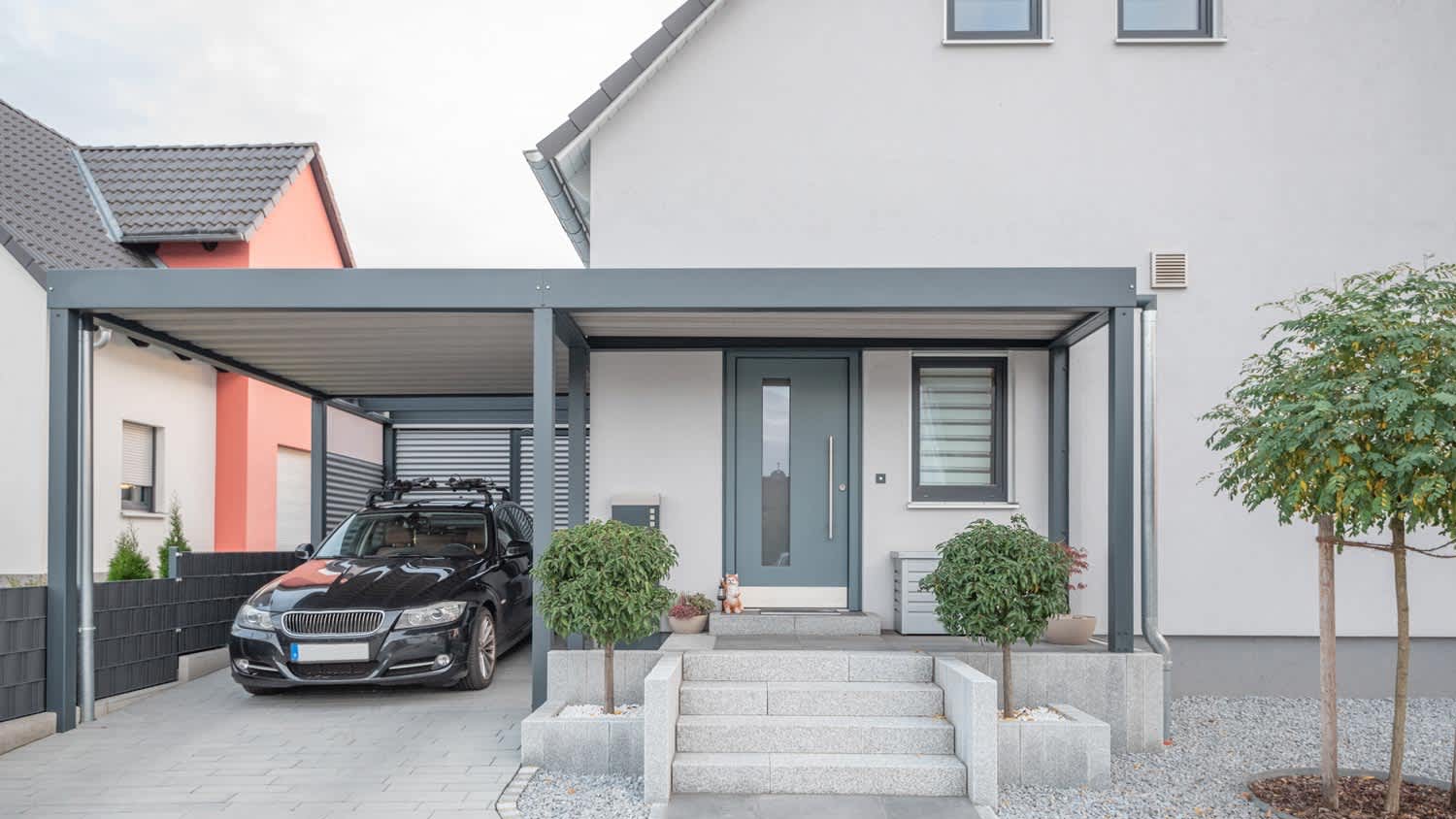
The cost to build a carport can range from $3,072 to $9,435, depending on the size, materials, and type of carport. Keep reading to learn about carport costs.
Find out metal carport installation costs, including labor, permits, and key factors. Get tips to save money and make the best choice for your home.
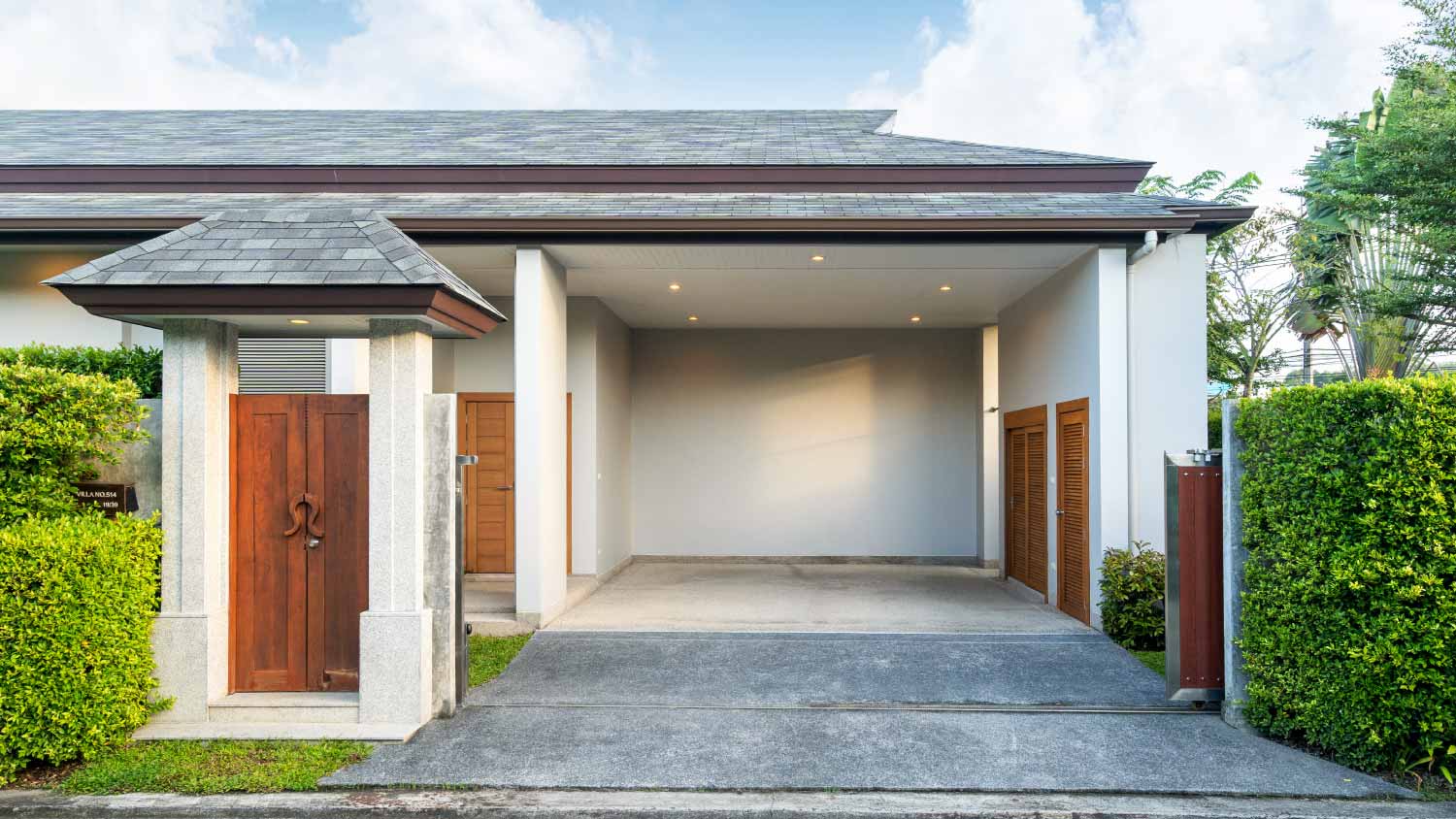
Protecting your vehicles from weather and sun without a garage is possible if you install a carport. Learn about the different types of carports in this guide.
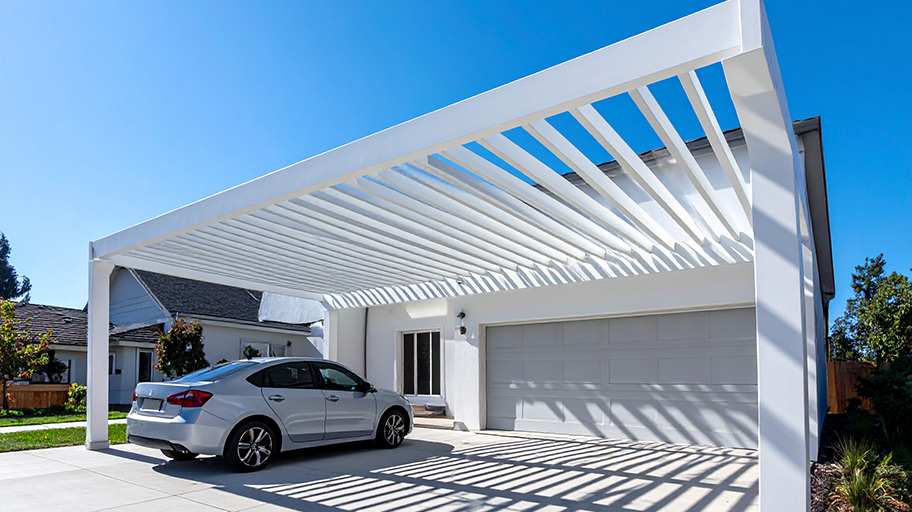
Need to know the ideal carport size for your project? Read about standard carport sizes and some things to consider when deciding on dimensions in this guide.
Looking for instructions on how to build a carport? This straightforward DIY guide walks you through the process step-by-step for different carport styles.