
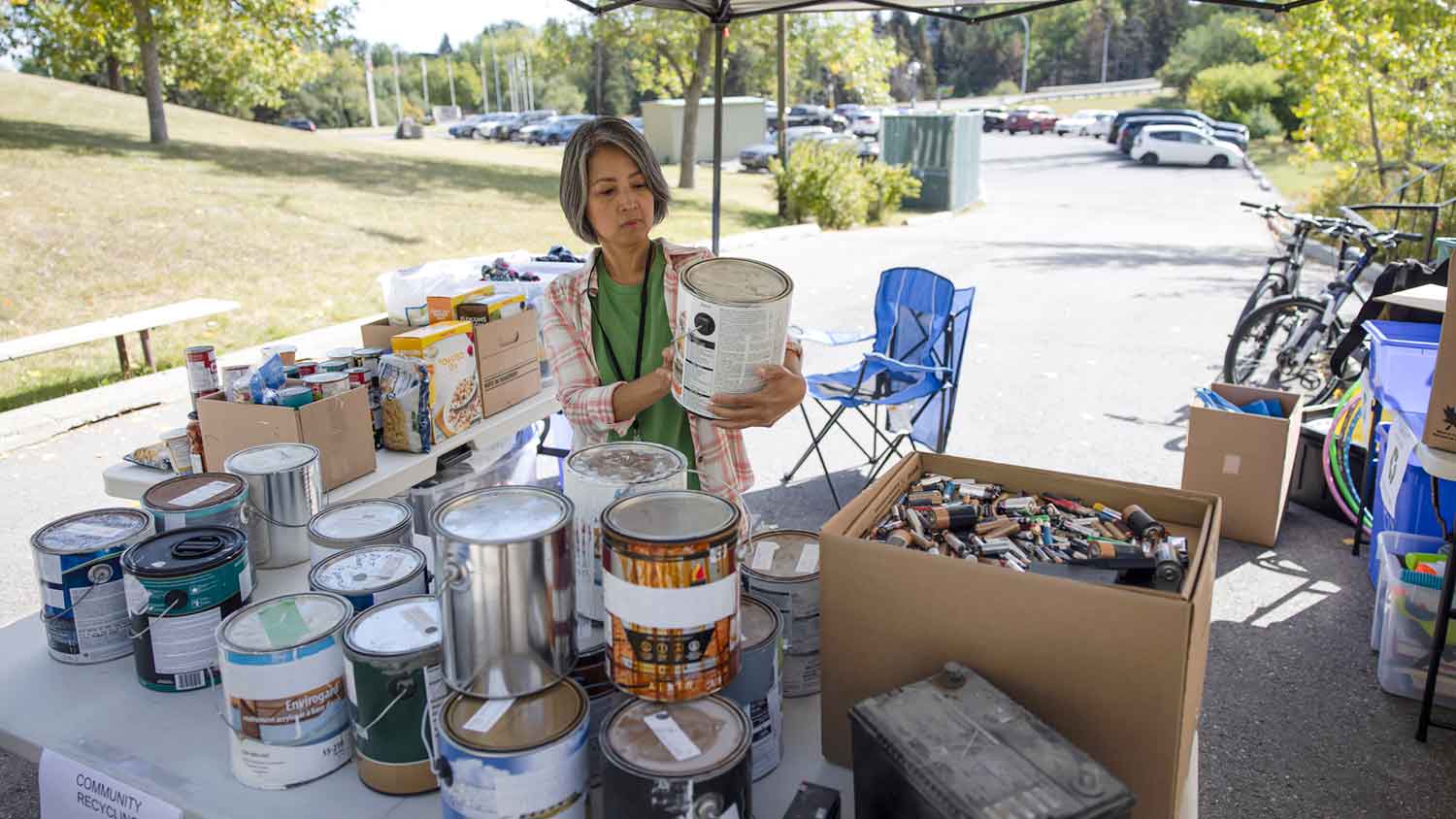
In this guide, learn how to identify and dispose of hazardous waste safely.
You can avoid antifreeze safety issues with a few simple tips

If you do your own vehicle maintenance, eventually you'll have to change your antifreeze. This highly toxic chemical is vital to keep a vehicle's engine from overheating or freezing, depending on the weather, and it needs to be handled and disposed of carefully. This guide offers tips on how to dispose of antifreeze safely, including where to take it and how to recycle it.

Antifreeze is necessary for vehicle maintenance, but you should handle it carefully. The primary ingredient in antifreeze is either ethylene glycol or propylene glycol, which are both toxic to all living things. It's typically a bright, fluorescent green or orange with a sweet smell, so it's attractive to children and pets who don't know better.
Antifreeze can cause organ failure, convulsions, and loss of consciousness if ingested. For all these reasons, you should dispose of it promptly and clean up spills as soon as they happen.

Before changing out your vehicle's antifreeze, be prepared with a disposal location. Search online for antifreeze recycling near you, and you'll likely see recycling centers, auto service stations, auto parts shops, and public landfills listed.
Call or check the websites of these locations to see if they accept the type of antifreeze you're getting rid of. If the antifreeze comes from your vehicle, collection sites will almost always consider it used. You can usually drop off your antifreeze at these locations for free. Sometimes, however, you’ll be charged a small disposal fee.
Not all disposal locations recycle. If you find one that does, it’s the more environmentally friendly option. Either way, properly disposing of antifreeze and other materials like bleach is always better than dumping it down a drain or into your yard.

Wear rubber gloves and eye protection to ensure that your skin and eyes don't come in direct contact with the toxic coolant fluid.
Place a large drain pan under your vehicle and open the coolant drain plug. Consult your vehicle's manual to ensure you use a big enough pan. You may also need to flush the radiator system by running clean water through it.

Open your plastic container and place a funnel in the mouth. A wide-mouthed jug will help keep the funnel steady and prevent spills, but you can also have a partner wear proper protection and hold the funnel for you. Carefully lift the drain pan and slowly pour the collected liquid into the container. Screw on the container lid and ensure an airtight seal.
If you accidentally spill any antifreeze on the ground or floor, soak it up immediately with an absorbent material such as kitty litter, sand, or floor sweeping compound. These work better than rags or paper towels, which become saturated too quickly. Once the material has soaked up the antifreeze, use a shovel to transfer it into a sealable container for disposal.
If you spill antifreeze on yourself, scrub it off with soap right away. Antifreeze on your clothes will come out during a regular laundry cycle.

Once you've determined a disposal or recycling location that will accept your antifreeze, place your container or containers in a plastic crate or bag to catch any potential spillage that happens during transport. Secure the container in your vehicle with bungee cords or cables to keep it from tipping.
Whether you don’t have the time or tools or simply don’t want the hassle, you may decide to take your vehicle to an auto mechanic to change the antifreeze. A standard coolant change costs $100 to $200 and will include disposal of the used antifreeze. Or, you may be comfortable with changing the antifreeze in your vehicle but not transporting it. In that case, a local junk removal service may be able to take it off your hands along with any other stuff you’re cleaning out of your garage.
If you want the pros to dispose of antifreeze as part of a bigger garage or household clear-out, professional junk removal costs an average of $240. However, you could pay anywhere from $100 to $1,000, depending on the quantity and type of junk you have, your location, and whether there are any specific local disposal fees or permits required. Disposing of hazardous waste costs more than regular household trash because pros need to take extra precautions and find the right disposal facility for the product.
Raven and crew does absolutely fantastic job. They are very professional if any concerns were to occur with any of her work she always took responsibility and finished out with a great job. I have worked with her business for a year and have always been satisfied. Very trusted business and...
 Creations of Transformation LLC
Amazing job. Efficient and quick without compromising quality. Basement feels brand new. Would use them again in a heartbeat.
 AffordaPro Restoration
Best cleaning I've had at my property
Scam. DO NOT use this company. We had a move where a Black Tie employee left the job site early (unknown to us until after the fact) and stole $40,000 worth of a private collection we had in a box that he watch use box up. On top of this we had several items missing and damaged where we had...
Fantastic group, very communicative, and they really did a great job cleaning my condo. Will be hiring them for recurring cleaning!
 eMaids of Northern Columbus
This company went above and beyond with their work, chimney sweeps are usually pretty messy, but the clean up was spot on.!! Josh explained every thing that he was doing, and the things that he was checking to make sure the chimney was safe for me and my family. He was very professional,...
 Supreme brick & chimney
I definitely recommend Ramonaâ s cleaning service! I have booked services with her many times and she arrives on time, ready to work and provides a great service.
 Your Cleaning Solutions LLC
Amazing! I’ve had plenty of services over the years and Mary Cleaning has gone beyond what I thought was possible. ❤️ them!
They cleaned my very dirty basement. They were prompts, quick, thorough and their price was fair.
 JDE House Cleaning LLC
The company was very easy to work with. My family is now able to enjoy a space that at one point, only collected junk!!!! I feel like i have a whole new addition to the house!!! Wonderful work Blurock on our basement, will recommend!
 BluRock Services, Inc.
From average costs to expert advice, get all the answers you need to get your job done.
In this guide, learn how to identify and dispose of hazardous waste safely.
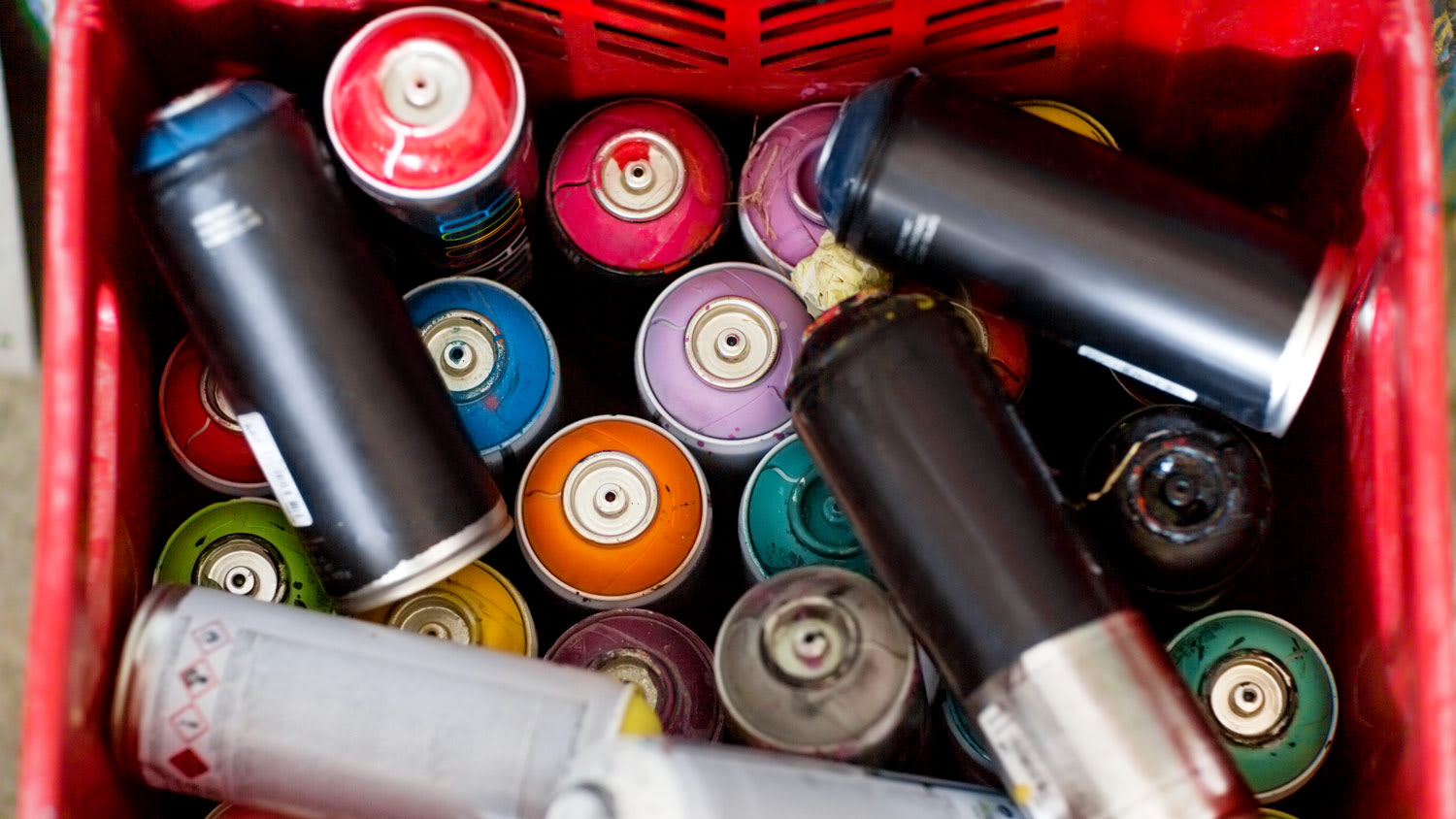
Found an old spray can while cleaning? Read our article about how to dispose of aerosol cans that are not empty and safely de-clutter your home.
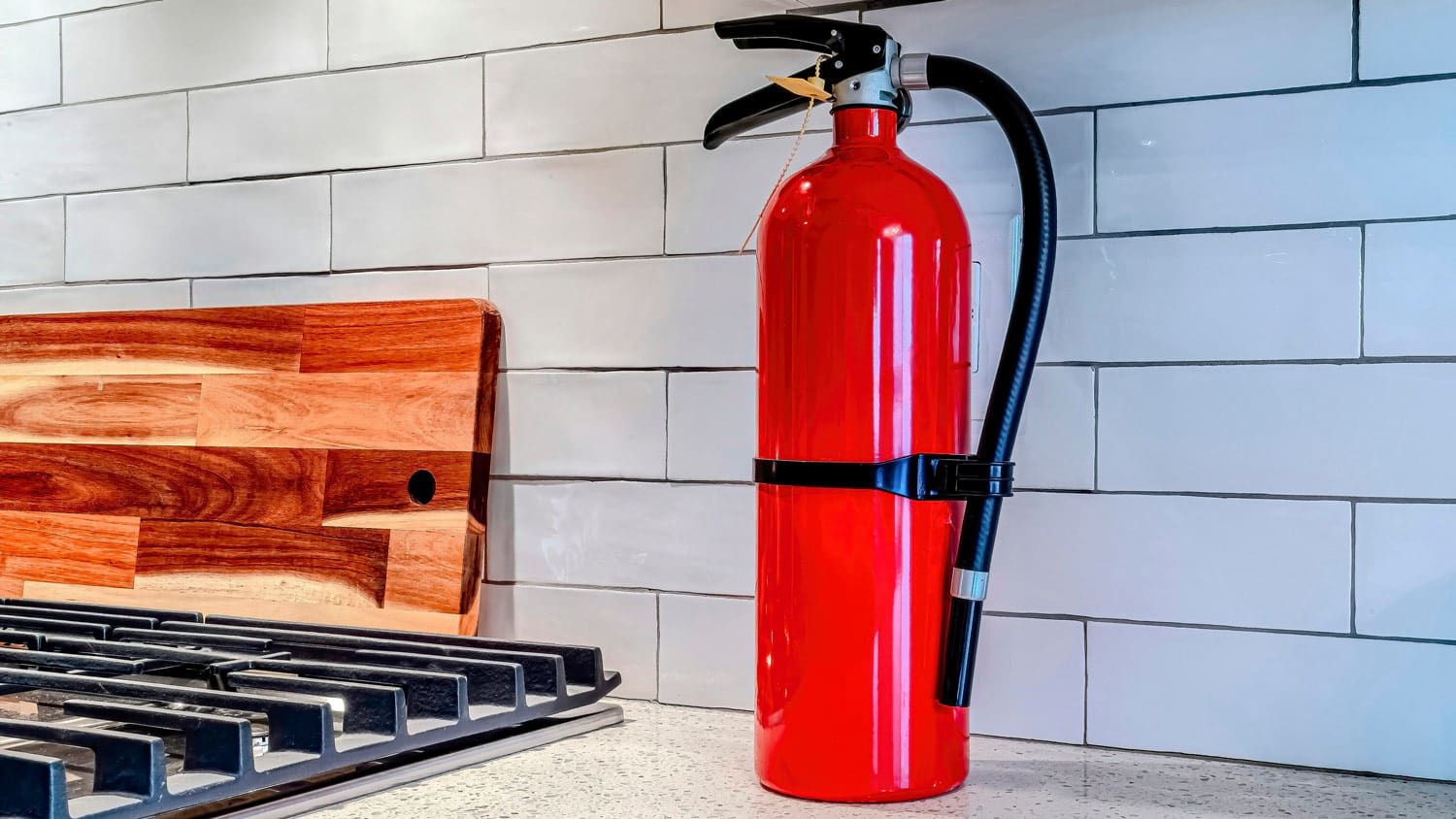
Fire extinguishers don’t last forever, but you can’t just throw them in the trash. Learn how to dispose of a fire extinguisher safely and correctly.
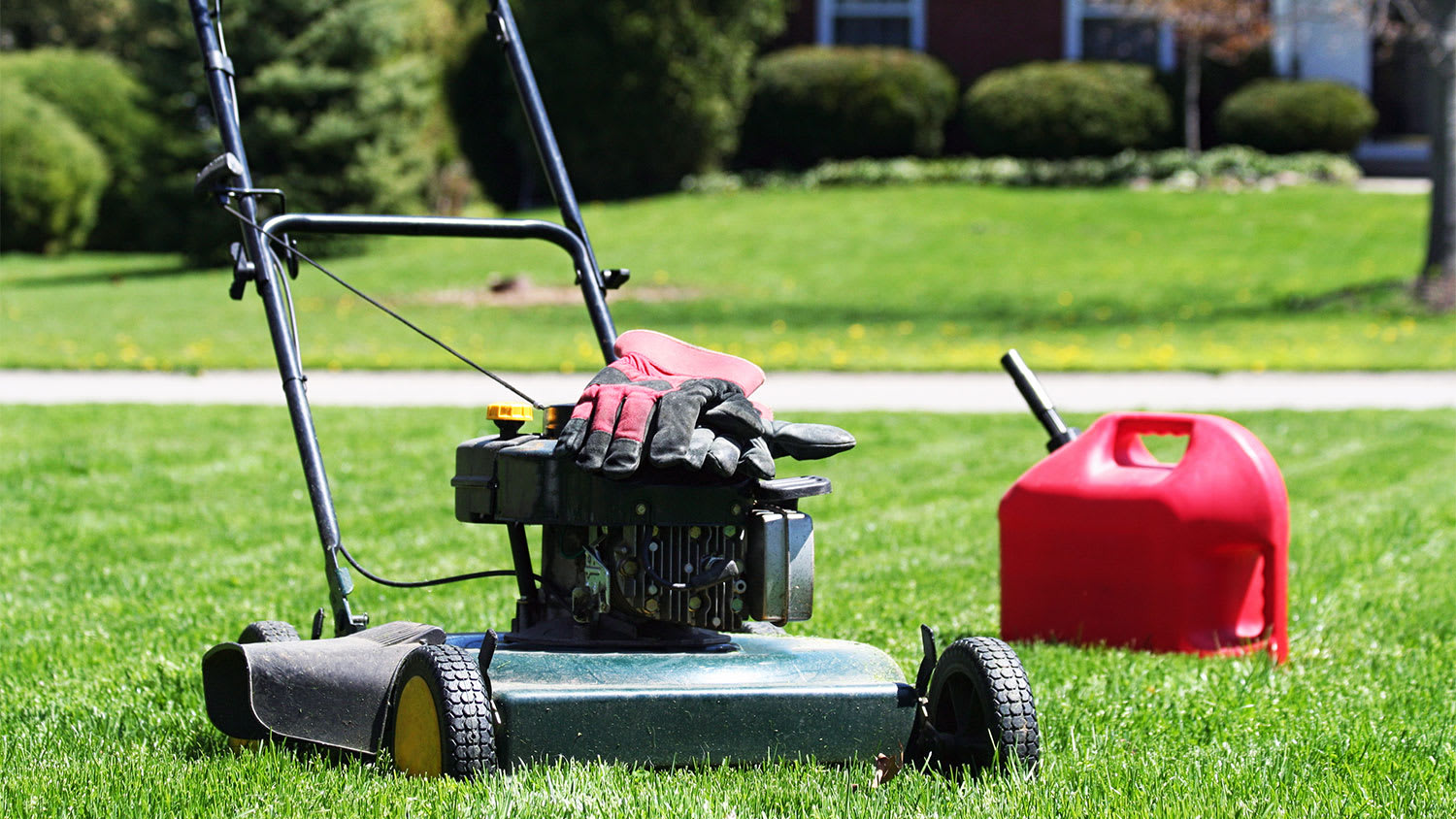
Old gasoline is considered hazardous waste and must be properly disposed of. Learn how to dispose of old gas safely and responsibly.
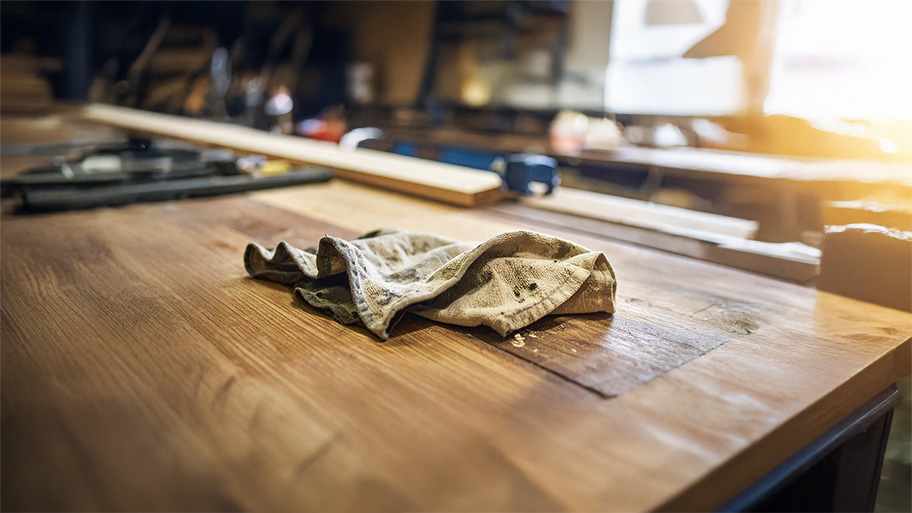
Used stain rags can be flammable and pose safety risks. Learn how to dispose of stain rags safely and responsibly.
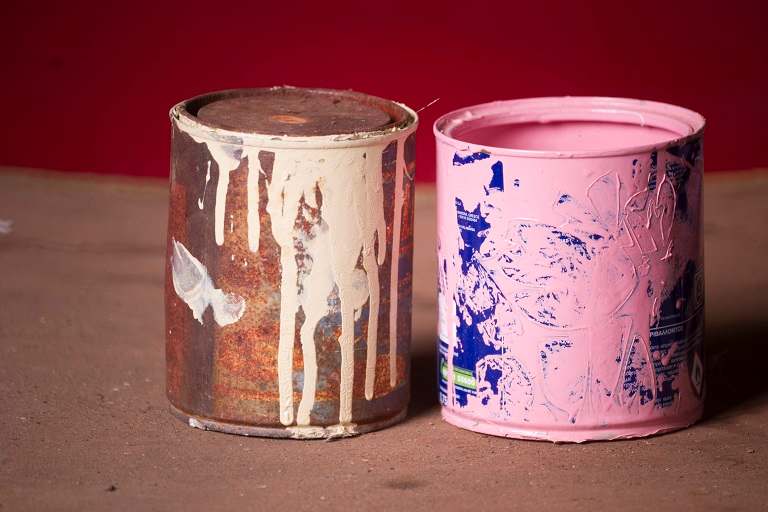
Wondering how to dispose of unused paint properly? Many homeowners are in the same boat. If you have cans of leftover paint cluttering up your home, we’ve got all the information you need on what to do with it, from paint recycling to donation.