

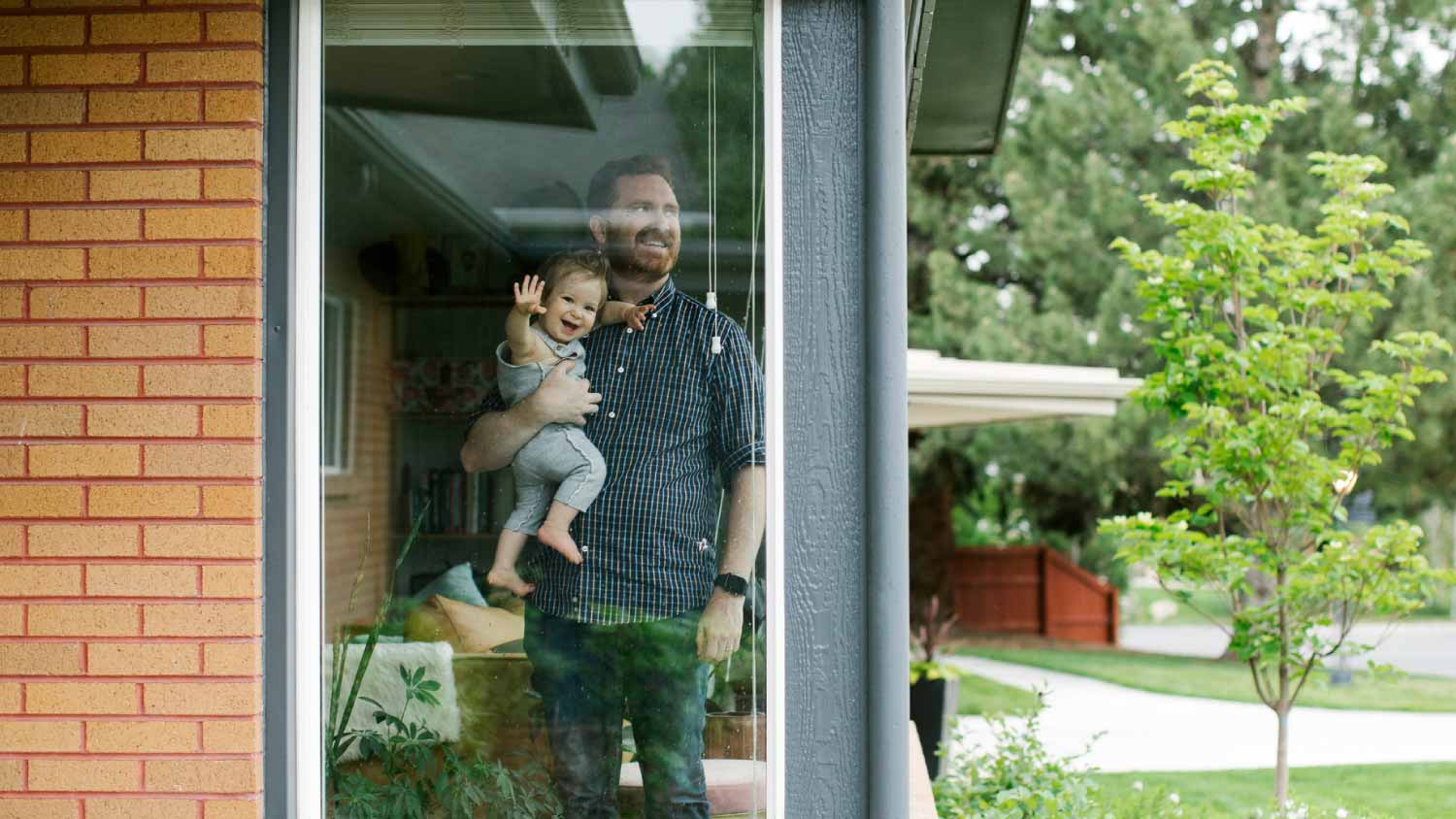
The cost of window glass replacement may vary, but it'll be worth the price once you're taking in the views. Here's how to calculate the cost.
Glass and mirror service costs depend on your project and location. Check with a local pro for your specific job.

Professional glass cutting costs between $50 and $200 per square foot, with an average of $100 for your project.
The type and thickness of your glass set your total, and curved or detailed cuts require more labor.
You should budget for add-ons like etching, hole drilling, tinting, or low-E coatings, starting around $150.
Hiring a local glass and mirror professional ensures clean, precise cuts and helps prevent injury and wasted materials.
In 2026, the national average cost to cut glass is $100 per square foot, with prices ranging from $50 to $200 per square foot. The rate rises with glass thickness, specialty types such as tempered or shower-door glass, and intricate or curved cuts.
Several key factors influence what you'll pay to cut glass, and understanding them helps you budget accurately for your project.

The type of glass is one of the biggest cost drivers in any cutting project, with prices ranging from $10 per square foot for mirror glass up to $200 per square foot for shower door glass. Standard options like annealed and tempered glass fall at the lower end of that range, while specialty types such as ceramic, laminated, and tempered laminated glass sit in the middle. Cutting costs vary by glass type, as shown in the breakdown below:
| Type of Glass | Average Cost per Sq. Ft. in 2026 |
|---|---|
| Annealed glass | $20 |
| Ceramic glass | $60 |
| Laminated glass | $40 |
| Mirror glass | $10 |
| Shower door glass | $200 |
| Tempered glass | $20 |
| Tempered laminate glass | $100 |
Annealed glass costs $20 per square foot to cut, on average. Annealed glass is the “standard” type of glass, so you’ll find this on picture frames and cabinet doors, as well as some budget windows.
Ceramic glass costs $60 per square foot to cut. This type of glass has an extremely high resistance to heat and won’t expand and contract to the point of breaking with fluctuations in temperature. You’ll find ceramic glass on fireplace doors, on wood burning stoves and pellet stoves, as well as on glass cooktops.
You can expect to pay an average of $40 per square foot to cut laminated glass. Laminated glass has a layer of hard plastic sandwiched between two layers of glass, making it shatter-resistant. You’ll find laminated glass most often on storm windows, exterior doors, and skylights.
It costs an average of $10 per square foot to cut mirror glass. As the name suggests, you’ll normally only find this glass on mirrors.
Shower door glass costs $200 per square foot to cut. This glass is hardened for safety and support and also tempered for safety reasons in case someone slips in the shower and falls through the glass. The glass will shatter into small, blunt pieces to avoid additional injury.
Expect to pay $20 per square foot to cut standard tempered glass. Similar to shower doors, this glass breaks into small chunks that lack sharp edges for safety reasons. If you need to cut a glass tabletop or glass railings on a balcony or stairs, you’re likely dealing with tempered glass.
Tempered laminated glass costs $100 per square foot to cut. This type of glass includes two layers of tempered glass with a sheet of hard plastic between them to add security while also reducing the risk of lacerations from the glass after it breaks. This glass is common on sliding glass doors, large picture windows, some casement windows, and some skylights in areas prone to severe weather.
Glass thickness directly affects how long a cut takes, with costs ranging from $10 per square foot for thin glass on mirrors and cabinet doors up to $200 per square foot for thicker glass on shower doors and security windows. The average project lands around $100 per square foot at a standard thickness of 3/32 inches. Glass cutting costs vary by thickness, as shown in the breakdown below:
| Glass Thickness (in.) | Average Cost per Sq. Ft. in 2026 |
|---|---|
| 1/8 | $30 |
| 3/32 | $100 |
| 3/8 | $150 |
| 1/2 | $200 |
The complexity of your cuts significantly impacts labor costs, with simple straight cuts starting at $10 per square foot and intricate curves, arches, or cut-outs reaching up to $300 per square foot. Whenever your design allows, opting for straight cuts and right angles is the most reliable way to keep your total down.
Edge polishing adds $20 to $55 to your project total and is a necessary step whenever the glass edges will be exposed, since it reduces the risk of cuts. These are the most common glass cutting projects that require polishing:
Floating shower doors without a border
Floating glass stair railings
Glass tabletops
Borderless mirrors
Picture frames
Bundling add-on services with your glass-cutting appointment is a smart way to save on travel fees, since your pro is already on-site. Common add-ons include the following:
Glass etching: $20 per square foot
Hole drilling: $20–$40 per hole
Window tinting: $5–$19 per square foot
Low-emissivity coating: $20–$60 per square foot
Hurricane window film: $10–$20 per square foot
Hiring a professional to cut glass for your project can quickly get expensive, with costs sometimes going up to $300 per square foot. There are a few things you can do to help keep your total down.
Stick with regular, straight cuts: You’ll pay more for intricate and curved cuts because they take longer and may require special tools. Go for straight cuts and right angles whenever possible to keep costs to a minimum.
Skip the polishing, if possible: You can save up to $55 on your project by skipping the polishing around the edges. If your glass will have a protective border on the finished product, this is a good way to save.
Get multiple projects done at once: A good portion of the labor fees will be a trip fee for your glass cutting project, as the actual cutting normally doesn’t take long. Couple the cutting with similar projects to save.
Consider DIYing if you have the tools: If you have the tools and aren’t too concerned about messing up and breaking the glass, consider doing the work yourself to save on expensive labor charges.
All of the cost of glass cutting will go toward labor, so if you already have the tools on hand, you’ll save an average of $100 by doing the work yourself. But even if you have the tools to cut glass, it’s always best to hire a local glass pro. A professional will be able to complete the job without risk of damage and ensure clean, precise cuts for your project.
Cutting glass requires careful skill and precision. Here’s why it’s best to hire a pro for the job:
Professionals have the tools and equipment necessary for precise and safe cutting.
Experienced pros know how to prevent cracks, chips, and breakage.
DIY mistakes can result in wasted materials, injury, and costly damage.
Many experts carry insurance that protects your project in the event of something going wrong.
Professionally cut glass looks polished, fits perfectly, and adds value to your project.
You can still assist with your glass cutting project by helping with the following tasks:
Clear the workspace and lay down protective coverings.
Assist with measurements or marking before cutting begins.
Cleaning the glass after cutting is complete.
Organizing tools, materials, and equipment so the pro has easy access.
Have all the information about your project ready, including the type of glass, dimensions, and intended use.
Know the exact size, shape, and style you want to ensure accuracy and avoid confusion or mistakes.
If your budget allows, ask your pro about add-ons like etching, tints, or safety films.
Prepare for unexpected expenses such as custom cuts, replacement glass, or delivery and handling fees.
Home is the most important place on earth, which is why Angi has helped more than 150 million homeowners transform their houses into homes they adore. To help homeowners with their next project, Angi provides readers with the most accurate cost data and upholds strict editorial standards. We extensively research project costs to develop the pricing data you see, so you can make the best decisions for you and your home. We rely on reputable sources, including the U.S. Bureau of Labor Statistics, academic journals, market studies, and interviews with industry experts—all to ensure our prices reflect real-world projects.
Want to help us improve our cost data? Send us a recent project quote to [email protected]. Quotes and personal information will not be shared publicly.
We have used Window Warriors many times with no issues. They arrived on time and were very professional . We have pets and Window Warrior team treated them very well, well trusted team.
 Window Warrior of Columbus, Inc.
1st Choice Renew is simply the best! We hired them for a complete home renovation, and they transformed our space into something truly amazing. The team attention to detail and commitment to quality were evident throughout the project. They were easy to work with, very responsive, and always...
 Save A Dime
I am highly satisfied with the window replacement service I received; the professionals from Savvy Exteriors were punctual and did an amazing job that exceeded my expectations.
 Savvy Exteriors
The Cisco team did an exceptionally good job of painting (very detailed), and they were professional, courteous, helpful and just pleasant to have in our home for a week. I have already recommended Cisco to some neighbors.
 Cisco Finishes
The Mosby team went above and beyond for my project. They not only installed my light fixture; they also worked through an old, wonky, and as it turns out incorrect wiring issue from the work of prior contractors. Professional, thorough, conscientious, and kind. Five star experience. Thank you!
 Mosby Electric
Excellent experience with hiring Tether House to Mount our 77’ Samsung TV in our bedroom. Fast, friendly, and knowledgeable. Highly recommend.
 Tether House
The windows look great. And the team was excellent - considerate, professional and lots of fun!
 Window Depot USA of Central Ohio
They do not have the necessary expertise to pack a POD to protect your valuables. BUYER BEWARE. As part of this recent move, their crew packed a large glass table topper for transport across country in a POD. The fact that they were packing a POD and that it was traveling long distance was...
 Adam's Moving & Delivery Service
They are very reliable and available. They the drains all the time
 The Waterworks
We were having 2”x 2” tile installed . There was a small installation error and the new additional replacement tile was from a different lot and the colors didn’t match. Joe assured us that he would rectify everything , which he did without hesitation. We decided to go with the 18” x 36” tile...
 CarifaTile
From average costs to expert advice, get all the answers you need to get your job done.
The cost of window glass replacement may vary, but it'll be worth the price once you're taking in the views. Here's how to calculate the cost.
Find out the average glass wall cost, including installation, materials, and ways to save. Get transparent pricing and tips for your glass wall project.

Discover the cost to install a custom-cut mirror in your home. Discover price factors, installation options, and expert tips to save on your custom mirror project.

Do you want to learn how to easily and safely cut glass at home? This quick and informative tutorial will make cutting glass for all your DIY projects a snap.

Prevent damaging expensive material by knowing how to cut glass tile. Learn the four methods and the tools you’ll need with this guide.

Cutting pipes can be easy, but this job requires some safety measures. Learn how to cut metal pipes quickly and safely for any plumbing project.