
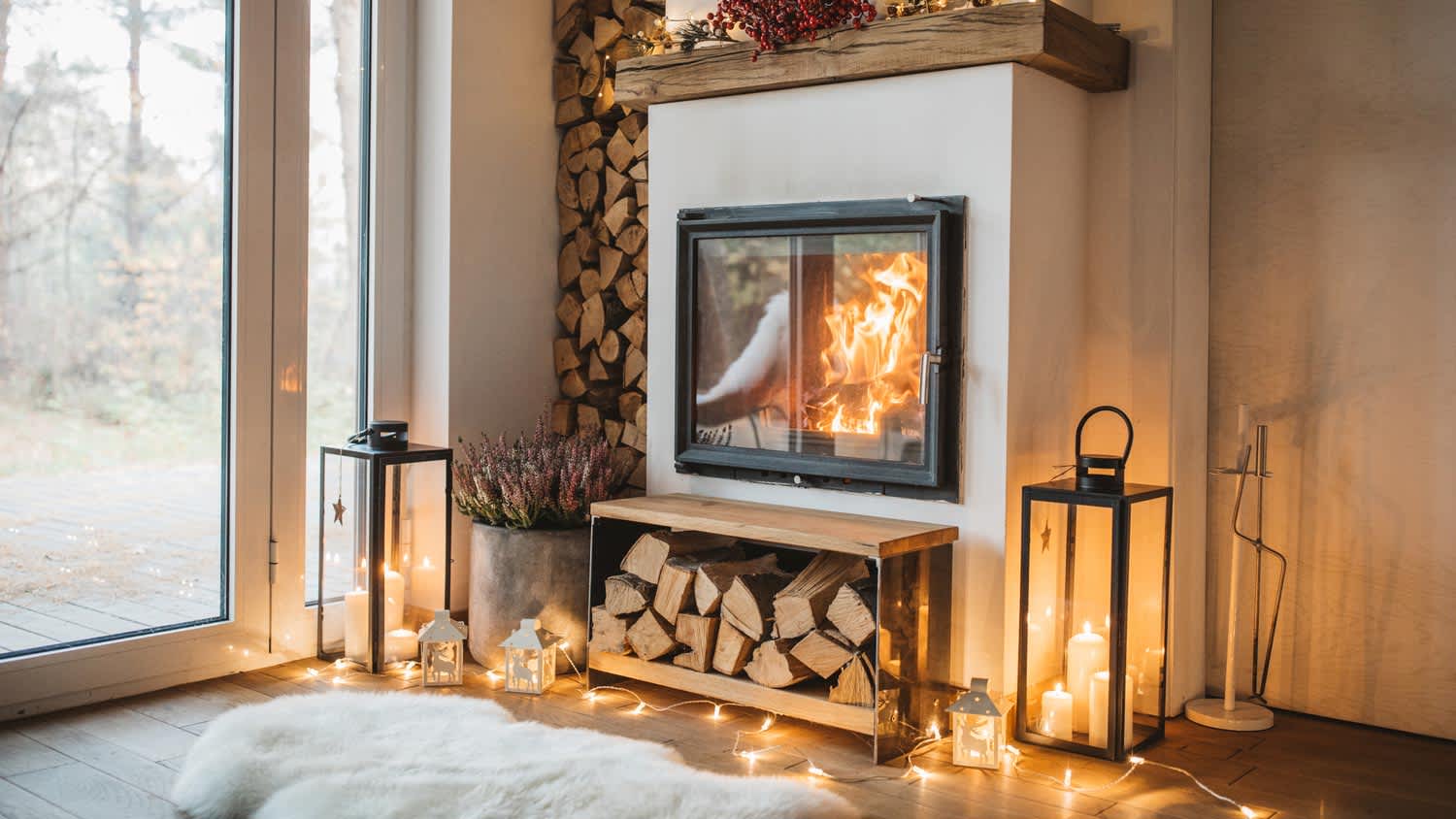
Not every type of wood is safe to burn in your fireplace. We've found the best wood for fireplaces and a few woods we don't recommend.
Keep things safe and cozy with these easy firewood storage tips

Proper firewood storage keeps your wood dry and ready to burn by placing it in rows with space between pieces for airflow.
Covering your firewood with a tarp or plastic sheeting protects it from rain and snow while leaving the sides open for ventilation.
Stack firewood off the ground using a rack or shed to prevent bug infestations and moisture damage that make logs too wet to burn.
Hiring a local wood stove repair professional provides guidance on chimney safety and firewood preparation, keeping your fireplace system running smoothly all season.
There’s nothing better than a roaring fire, whether it’s to warm up a cold winter night or roast the perfect s'mores. Having a stash of firewood on hand means you can light a toasty fire anytime the mood strikes. But if you’re keen on keeping a steady supply of firewood on your property, you’ll want to follow some best practices to keep things safe and the logs in burning condition. After all, you've likely paid for the cost of a cord of wood—or worked up a sweat chopping it yourself—so don’t let it go to waste. By following these tips for how to store firewood, you’ll keep your property safer, your home cleaner, and ensure that you can keep enjoying fires all year long.
No matter if you are hauling your own firewood or having it brought to you by a local firewood delivery service, you’ll need to take a few factors into consideration before deciding where to store it.
Avoid placing firewood too close to your home, and never put it directly against a building of any kind. Also, make sure that the firewood supply is a good distance away from any trees or shrubbery to help reduce the risk of fire.
It turns out there is actually a right way to stack up your firewood. Opt to stack wood in rows, and leave enough space between pieces to allow for enough air circulation. If your firewood is newer or “green,” be sure to place it at a location where the sun will reach it and help to dry it out. And to help prevent accidental tripping, stack your firewood so that it’s level and never more than 4 feet tall.

Stacking firewood directly on the ground can lead to problems, such as bug infestations and wood that is too wet to burn. Instead, choose one of the many creative firewood storage ideas available these days. Whether you opt for an entire outdoor shed, or simply a decorative indoor basket or rack, keeping your wood up and off the ground means you’ll be ready for a fire anytime.
If you’re storing your firewood outside, it will be exposed to the elements all year long. Covering it up helps keep the wood less damp, extends its lifespan, and creates fires that are less smoky. Using a tarp or plastic sheeting, drape the material over the top of your firewood pile. If needed, use ropes to prevent it from blowing away. Leaving the sides open and exposed will allow for plenty of airflow.
By stacking your covered firewood somewhere other than directly on the ground or under trees, pests won’t be quite as tempted to make a home in the logs. But there are still plenty of insects that may take refuge on or in the wood. Before bringing your firewood inside, visually inspect it for any bugs. You also may want to hit some logs together to knock out any additional pests.
Once the firewood is inside, burn it right away and avoid having it sit around in your home so you don’t get any unwanted roommates.
The final firewood storage tip is to practice FIFO: first in, first out. By burning the oldest wood first, you’ll be using the most seasoned logs, as well as helping to prevent bug infestations from building up. While doing this may mean constantly restacking your firewood, it’s worth the extra effort to maximize your wood stash and enjoy as many warm nights as possible.
Terrible experience. Walls/trim/floors/cabinets/doors all have drip marks, overspray, etc. Tiling at the fireplace had to be redone by another vendor due to incorrect and shoddy install by Profect. Contractor had his children in our house while he was on site without prior authorization or...
 Profect painting & exteriors
Supreme Brick & Chimney did a great job with a cleaning and inspection of the fireplace! He was efficient, on time, and very pleasant. The space was kept very clean, and the fireplace was spotless when he was done. He also performed a thorough inspection, and did a great job talking us...
 Supreme brick & chimney
Ace Fireplace Services came to the rescue for my chimney repair. They were quick to pinpoint the issue and worked their magic to fix it. My chimney is now in excellent shape, and I'm a satisfied customer.
 Ace Fireplace Services
Custom Paint Jobs LLCs custom murals brought life to our childrens rooms. They love it!
 Custom Paint Jobs, LLC
Storms Mobile Welding was great to work with. They were prompt, professional and did an overall excellent job on the project. I highly recommend.
On time, clean and finished fast. Windows seem sturdy and the finish is good. Caulking was done with no smudges. Would recommend.
 Window Depot USA of Central Ohio
The team is awesome!! I can generally pick up and clean throughout the week, but they CLEAN! Windows, stair rails, microwave. All the things I can’t ever seem to get to regularly. The house looks and smells great after they leave.
Bought a half a cord of firewood from Pitzer with stacking last month. I waited to report so I could see how the wood burned. <br /> <br /> I have three pet peeves regarding landscapers, but Pitzer scored "A"s regarding all three. First, rather than having customers "leave a message" and...
 Pitzer Landscaping
We decided to update our partially finished basement, with a budget. Gerald worked with me on the lighting and chair rail selections, and produced an end product that was everything we wanted and within our budget. The work was done quickly, and he and his crew were always prompt and...
Outstanding! The granite and the installation went so well that we had the remaining slabs of the granite put into our new house. The 2ND kitchen/wet bar installation went as well as the 1ST, so we had them put granite on our master bath counter top, shower seat, ledge and kick plate for...
 LIND STONEWORKS
From average costs to expert advice, get all the answers you need to get your job done.
Not every type of wood is safe to burn in your fireplace. We've found the best wood for fireplaces and a few woods we don't recommend.

This guide covers the best tips for storing and organizing all your home cleaning supplies, whether you’re looking to deep clean or complete the daily chores, to save you space and time and ensure toxic chemicals are stowed away where they belong.
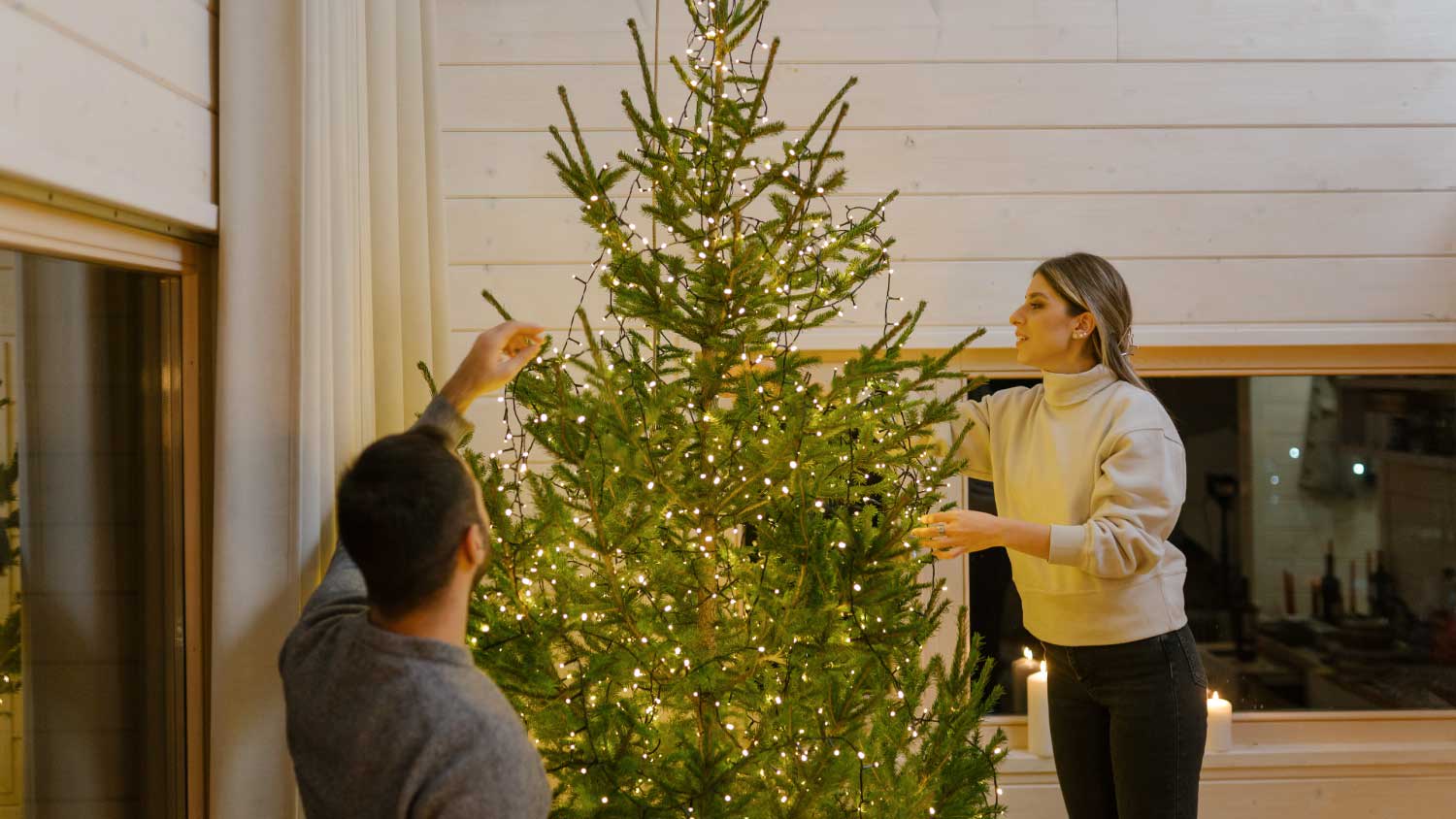
Tired of tangles? Learn how to store Christmas lights without damaging them to ensure next year’s decorating goes smoothly.
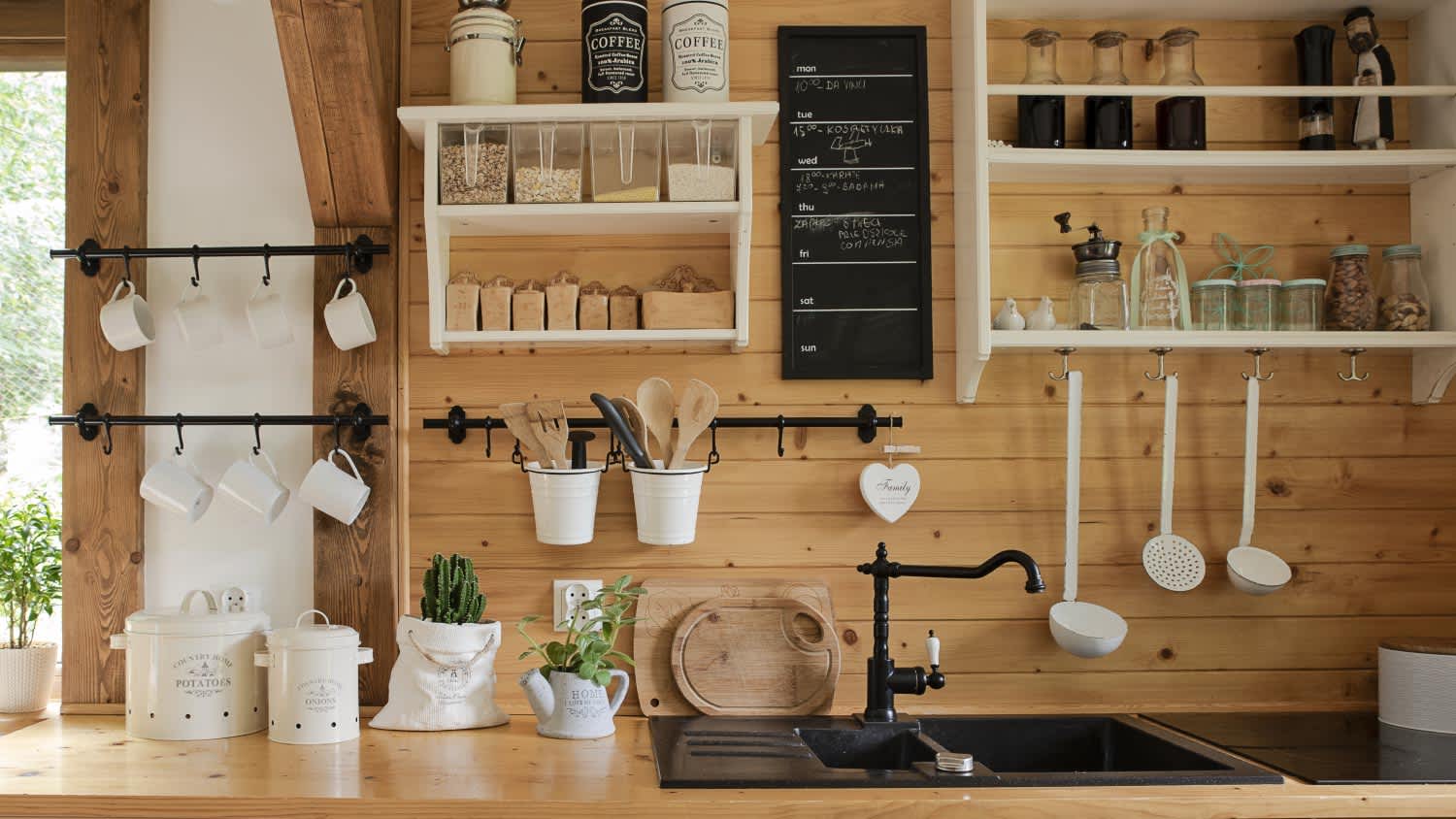
You can never have enough storage space, especially in the kitchen. We’re sharing six ideas to max out your options and give you more flexibility.
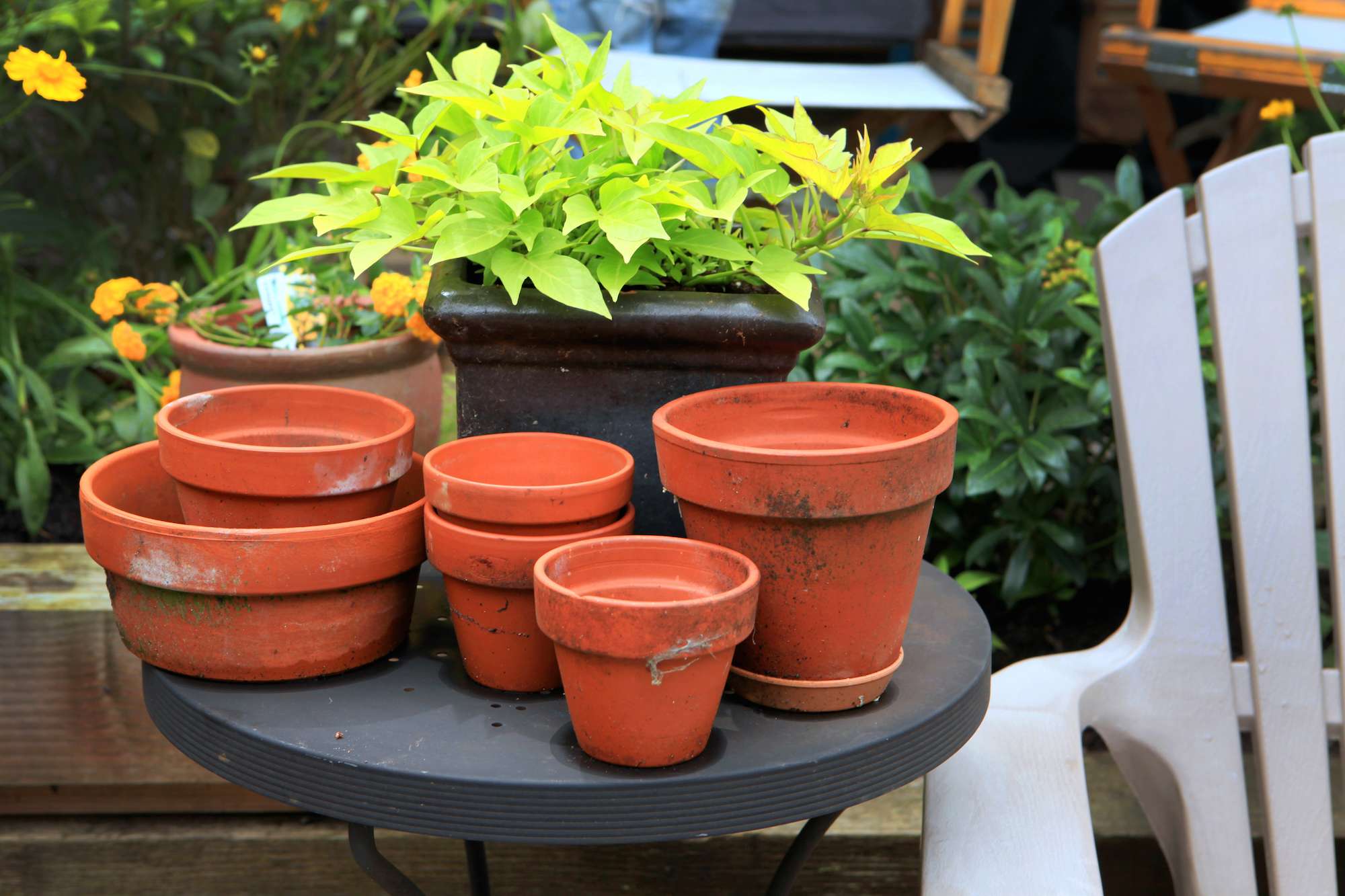
Learn about the different types of planters, from ceramic and terracotta to plastic and wood, and how to properly clean and store each one for the winter.
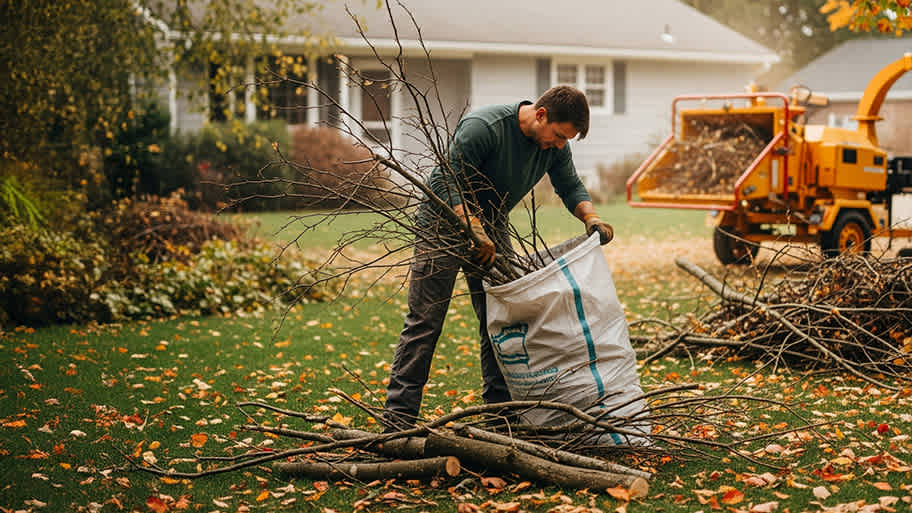
If a tree has fallen in your yard, you’ll need to get rid of the wood. Here are several ideas for tree log removal and how to dispose of tree branches.