
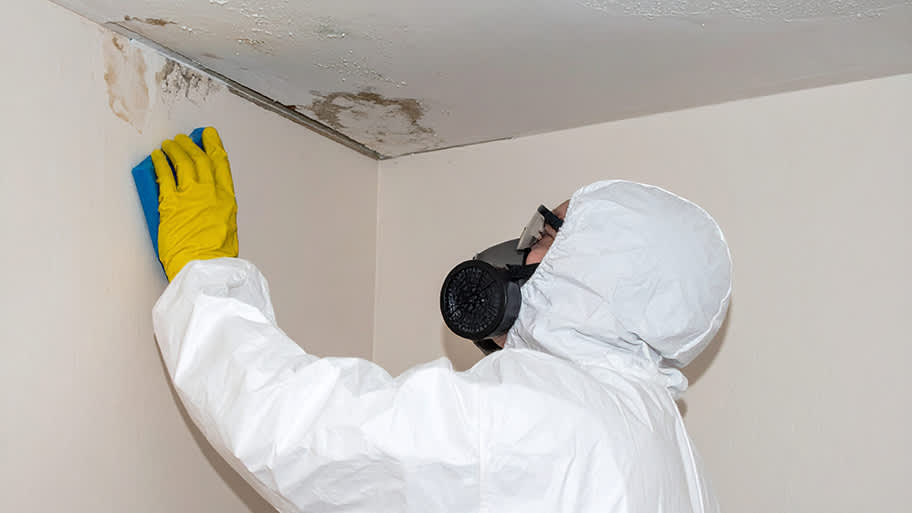
Mold remediation cost can quickly escalate. But if you have mold in your home, the cost for mold remediation is worth it.
Breathe easier by cleaning your air conditioning unit in 10 quick steps

If you’ve spotted signs of mold in your AC unit or ductwork (for example, musty smells or fuzzy patches), it’s time to break out the cleaning supplies and learn how to clean an air conditioner with mold. With a bit of elbow grease and some mold-killing agents, you should be able to remedy the situation. And while motivated DIYers can remove most AC mold, severe or hard-to-reach cases warrant the help of an HVAC professional.
If you suspect mold in your HVAC, have a pro confirm that it is indeed mold and not asbestos before you attempt a DIY cleaning. If it is mold, you can remove it yourself, but if it is asbestos and gets disturbed in your HVAC system, the asbestos particles will be distributed through your household air, which is a health hazard.

Avoid spreading more unhealthy air by powering off your central air conditioner. A contaminated AC can circulate mold spores throughout your home.
Protect yourself from potentially dangerous mold by donning protective eyewear, non-porous gloves, and a face mask. If you don’t have any of this equipment, you can find it all at your local hardware store. Mold exposure can make you sick. If you’re concerned about its health effects, consider hiring an HVAC professional or mold remediation specialist to do the dirty work for you.

Take a look at your central air conditioner to determine the extent of the mold problem. You may see visible dark spots or white fuzzy growths, which are indicators of a mold issue. But even if you can’t see any mold with your naked eye, it can still be a problem. If you notice a not-so-fresh smell when you turn on your air, there could be some kind of contamination in your unit.
Grab a flashlight and look inside the unit for signs of mold. If you see heavy mold growth that covers half or more of the unit’s surface area, call a professional for AC mold removal. You can clean smaller deposits yourself.
In a bucket, mix a cleaning solution that will kill the mold growing in your unit. Most household multi-purpose cleaners will do the trick, but you can also use distilled white vinegar.
You may also choose to purchase an Environmental Protection Agency-registered mold removal solution from your local hardware store. Aim for a 1:3 ratio of cleaning solution and warm water.
If you’re working with a window AC unit or individual vents, use a screwdriver to remove the grille from the front of the unit. Continue removing the top and back of the cabinet as well as the front filter. Find specific directions for how to do this in your owner’s manual.

Remove dust and debris from your AC with a vacuum. Use its various attachments and hoses to get into every nook and cranny. This will make further clean up a bit easier.
Dip your scrubber in your mixture of AC mold cleaning solution and warm water and thoroughly scrub the mold in and around your AC unit. If the mold isn’t well-established yet, you will likely be able to wipe it away with little effort. Call a professional to remove the mold if it’s persistent.
Allow your cleaning solution to sit on the central air conditioner for about 10 minutes before spraying it with clean water and wiping it with a clean cloth.
Allow the unit, filter, grille, and cover to dry completely before turning your air conditioning back on. This could take up to 24 hours, so seek out other room cooling methods if you have to clean your unit on a sweltering summer day.
Once everything is completely dry, you can put the pieces back on your unit and turn it back on. If you notice a bad smell or feel sudden allergy symptoms, there’s likely still mold in your unit. If that’s the case, call a mold removal specialist in your area for help.
There are several reasons mold can grow in an air conditioner. The main attraction for mold is moisture, and ACs have plenty of that since they work by removing moisture from the air. If your AC's condensate drain is clogged and water backs up in the unit, mold can thrive.
Mold can also grow in your AC if you don't clean it regularly and it becomes clogged with dust, dirt, pollen, and dead skin cells—all organic matter that mold feeds on. Add to that a steady temperature of between 60 and 80 degrees Fahrenheit and high humidity levels in your home, and you've got optimal conditions for AC mold growth.
According to data from Angi customers, a majority of people request mold removal because they can actually see or smell mold in their home. Others experience cold, allergy, or asthma symptoms they believe are related to mold in their homes. Call a pro for mold testing and removal ASAP if you notice any possible signs of mold in your home.
If there isn’t a significant amount of mold in your air conditioner, you may decide to DIY this project. In that case, you’ll only need to pay for materials. It will cost you less than $50 at your local home improvement store to purchase must-have cleaning supplies and protective gear.
Professional mold treatment costs between $3,000 and $10,000. Professionals will have special tools to completely remove all mold and airborne spores. Hiring a professional to remove your mold is a great choice for people who are sensitive to mold—cleaning it yourself could make you sick.
If your contaminated A/C or HVAC system is full of hard-to-reach areas that you can’t clean, call a local HVAC company for help. Consider mold remediation an investment in your family’s health. If the mold in your air conditioner isn’t widespread, you can likely remove it yourself with an at-home AC mold cleaner.
Do not mix vinegar with hydrogen peroxide or bleach. Mixing vinegar with hydrogen peroxide creates a toxic chemical that can irritate your skin and eyes. Combining vinegar and bleach can create a toxic chlorine gas.

Reducing moisture and promoting proper airflow are the keys to preventing mold from growing in your air conditioner. Here are some ways to do that:
Change the filter regularly: As your air conditioner runs, the filter fills up with dirt, dust, and other debris. Replacing your AC filter regularly (every one to three months) can prevent mold from growing in the filter and spreading to other parts of your HVAC system.
Clean the air intake and AC registers: Getting rid of debris and condensation around your home’s air intake and registers helps air flow freely through your ductwork, making mold less likely to grow.
Schedule a professional inspection: During an inspection, your HVAC technician will deal with mold problems and clean your entire AC system. This helps it run more efficiently, potentially saving you money on energy costs. A yearly inspection can also uncover minor issues before they turn into expensive problems that need to be addressed by a local AC repair company.
This service was great. My air conditioner went out during the heat spell that we had. My husband has health issues and they came out that night and at 9:30pm the air conditioner was fixed and running. We are sooo very thankful, this is the company I will be using from now on and would...
 Mr. Mechanical Ohio
I would recommend this company to anyone! He showed up on time, was friendly, completed a very difficult repair on our dryer vent cover, was responsive, and pricing was extremely fair and competitive. I would have him back to do any of our repairs or cleanings without hesitation!
 U.S.A. Dryer Vent, LLC
The technician was very professional and friendly. He answered all my questions and was very thorough. He left the fireplace area very clean . He inspected from the roof and advised me as to other work that might need to be done. There was no pressure there. I was very satisfied with the...
 Supreme brick & chimney
Ace Fireplace Services came to the rescue for my chimney repair. They were quick to pinpoint the issue and worked their magic to fix it. My chimney is now in excellent shape, and I'm a satisfied customer.
 Ace Fireplace Services
Professionalism, quality, and affordability - Custom Paint Jobs LLC checks all the boxes.
 Custom Paint Jobs, LLC
On time, clean and finished fast. Windows seem sturdy and the finish is good. Caulking was done with no smudges. Would recommend.
 Window Depot USA of Central Ohio
Great job...edging and pre clean up went well with a great job with seal coat. Friendly, efficient and professional.
 All Star Paving and Sealing
Scott did not get appropriate access to the property prior to the scheduled inspection which required us to come back later in the day to complete it. He also, unprofessionally, knocked on a neighbor?s door in his attempts to reach someone with access. His overall report was fine though the...
 Security First Home Inspections
Did a great job replacing the ice maker and water regulator on my refrigerator. He was quick and thorough, very friendly and professional. If I needed a heart transplant I'd want him to do it!!!
Scott checked our large crawl space for mold and water infiltration and recommended a viable solution. The crew was efficient and they cleaned up well after the job. The job was expensive but I am confident that I won't have to deal with the problem again. Highly recommend.
 AdvantaClean of Dublin
From average costs to expert advice, get all the answers you need to get your job done.
Mold remediation cost can quickly escalate. But if you have mold in your home, the cost for mold remediation is worth it.
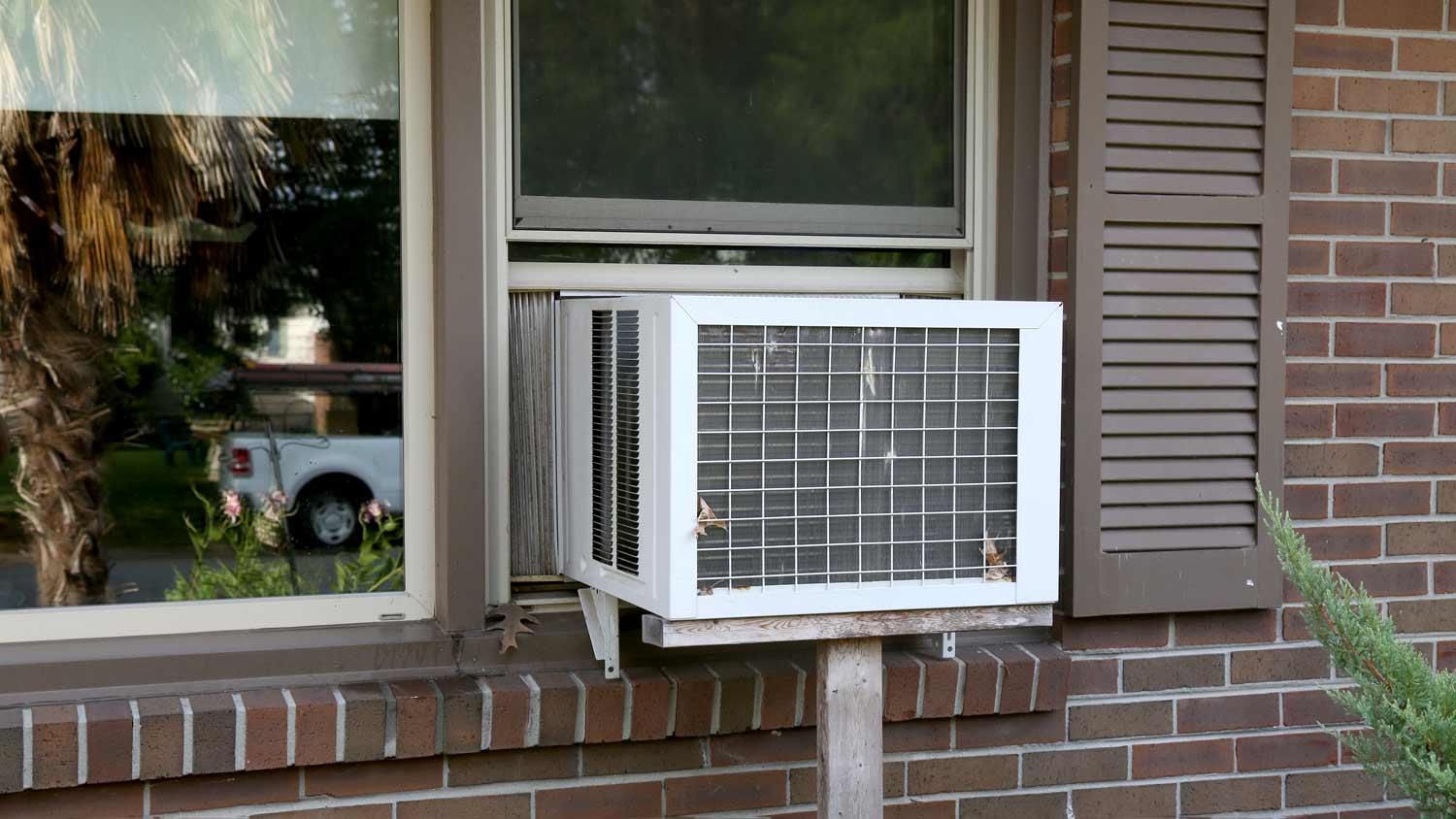
If your AC has mold outside, don't panic. While mold can be a cause for concern, you can take steps to clean or fix it. Here's how.

Common symptoms may indicate black mold in your AC unit. This guide walks you through what to look for when finding and preventing it.
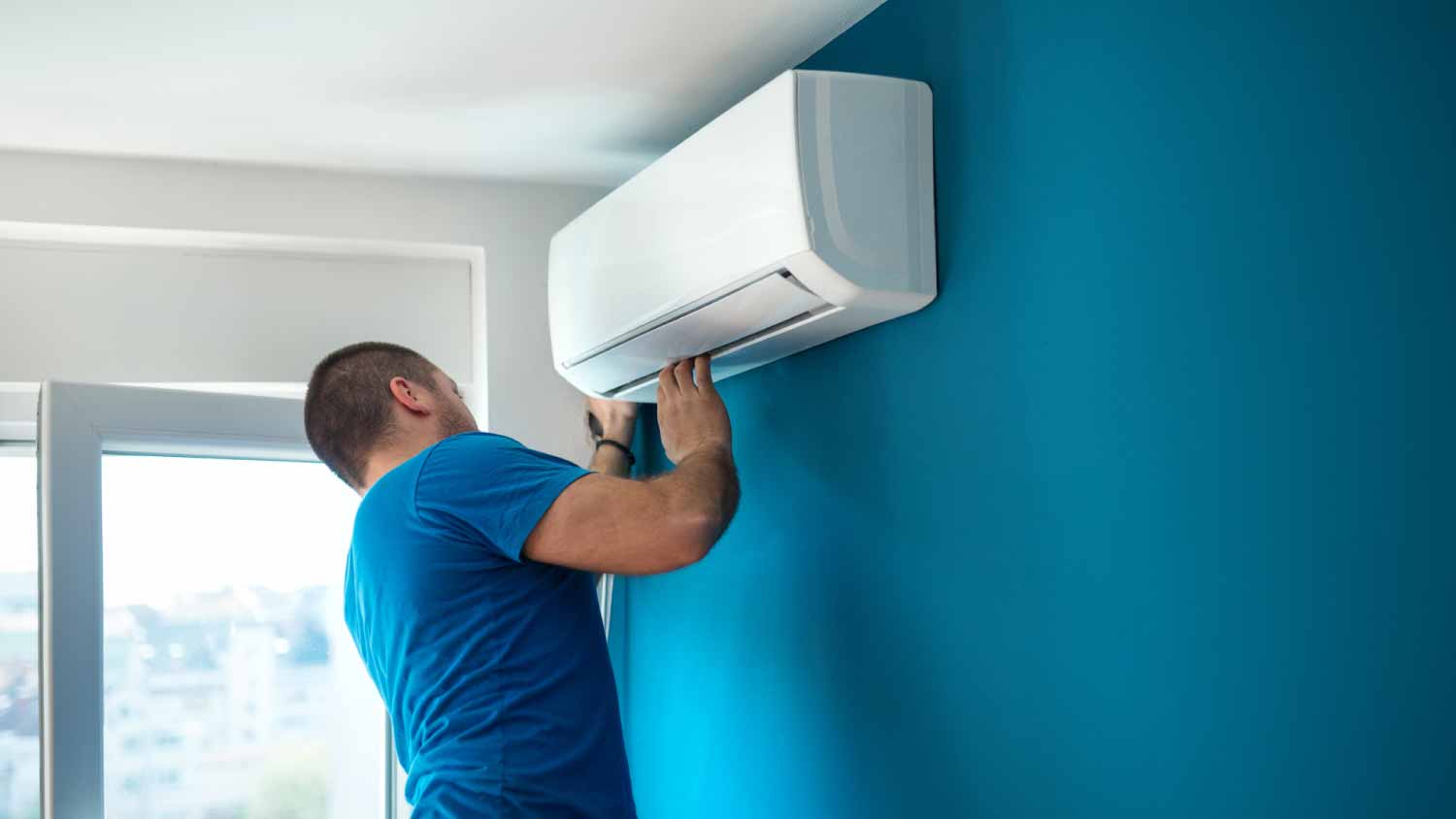
Mold in your air conditioner can show up as fuzzy patches on an air filter or physical symptoms. Here’s what to look for and how to fix it.

The best way to keep your home free of unwanted bacteria is to know how to get rid of mold in advance. Stay on top of it with a few tips and tools.

What are the symptoms of mold in your air ducts? From hives to a runny nose, learn how to identify possible mold in your HVAC system—and what to do about it.