
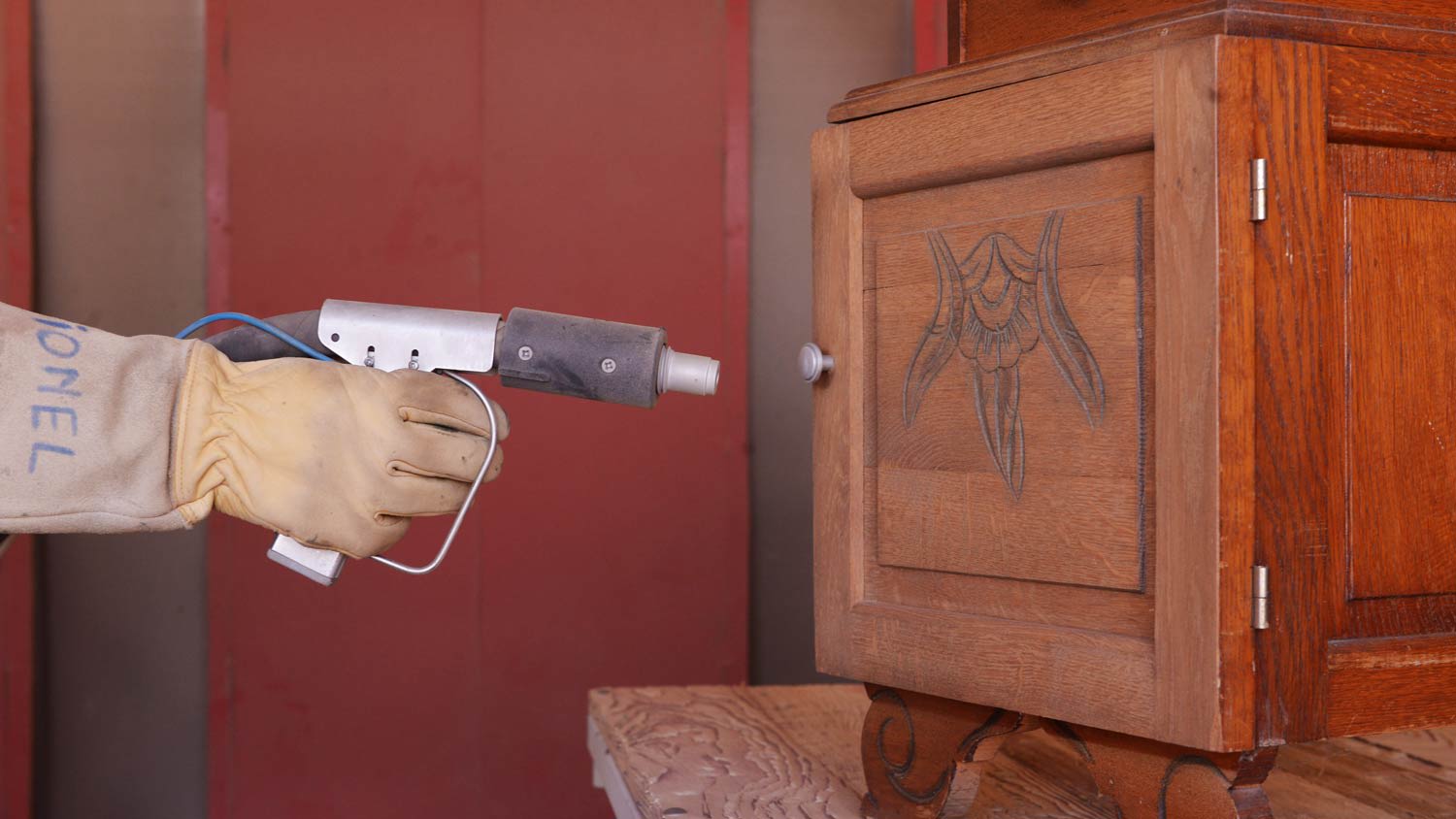
Sandblasting is a powerful method to remove paint, primer, and other coatings from hard surfaces. Learn the cost to rent a sandblaster and the factors involved.
Exterior painting costs depend on your project and location. Check with a local pro for your specific job.

Professional sandblasting costs $1,500 to $12,500 for your exterior, depending on surface type and blast intensity.
The blast intensity you need and the cleaning medium your contractor selects will determine your final sandblasting project total and timeline.
You should account for cleanup services at $150 to $375 in your budget, since debris removal is not always included.
Hiring a local sandblasting service professional keeps your household safe from airborne particles and prevents damage to your home's exterior surfaces.
In 2026, the national average cost to sandblast a home exterior is $3,200 for a 1,000-square-foot area, with most homeowners paying $1,500 to $12,500. The spread comes down to the cleaning medium your pro uses, the type of surface being treated, and the blast intensity required for the job.
Several key variables determine what you'll pay for a sandblasting project, and understanding them helps you budget accurately before hiring a pro.
Sandblasting uses four pressure levels, each penetrating a surface to a different depth, and the intensity you choose directly shapes your cost. Softer surfaces like stucco require lower pressure to avoid damage, while stripping multiple layers of material may call for a medium setting. Heavy-duty intensity is rare outside industrial applications, typically reserved for cleaning steel and iron. Costs vary by intensity level, as shown in the breakdown below.
| Intensity | Depth of Cleaning | Cost per Square Foot in 2026 |
|---|---|---|
| Very light | 1/32” | $1.50–$3 |
| Light | 1/16” | $2–$5 |
| Medium | ¼” | $4–$8 |
| Heavy-duty | ⅜” | $7–$16 |
Sandblasting costs $1.50 to $7 per square foot, depending on the intensity and media used, and larger surfaces require more material and labor time, which drives the total price up. See how surface area affects your size costs in the breakdown below:
| Surface Area (in Square Feet) | Price Range in 2026 |
|---|---|
| 1,000 | $1,500–$7,000 |
| 1,500 | $2,250–$10,500 |
| 2,000 | $3,000–$14,000 |
| 2,500 | $3,750–$17,500 |
| 3,000 | $4,500–$21,000 |
Most sandblasting pros charge by the square foot, but small-scale or detail-heavy jobs, such as cleaning car rims, are typically billed at an hourly rate of $50 to $80 per hour. Complex projects requiring a specialized blast medium or method can push that rate up to $300 per hour. Hourly pricing covers surface prep, planning, sandblasting, finishing, and cleanup.

The surface you're cleaning determines which media are safe to use and how much pressure is needed, both of which directly affect your cost. For example, stucco and wood are soft and easily damaged, so they require lower pressure and a more delicate abrasive than harder materials like brick or wrought iron. Costs vary by surface type, as shown in the breakdown below.
| Surface | Sandblasting Cost per Square Foot in 2026 |
|---|---|
| Tile | $1.50–$3 |
| Stucco | $1.50–$3.50 |
| Wood | $2–$3 |
| Brick | $2.50–$3 |
| Concrete | $2.50–$3.50 |
| Asphalt | $2–$5 |
| Wrought iron | $4–$8 |
Cleanup is not always included in a sandblasting quote, so budget an additional $130 to $375 to hire a cleaning crew after the job is done.

Sandblasting pros use four abrasive methods plus one water-only option, and your contractor will recommend the right approach based on your surface type and the cleaning power required. Costs vary by method, as shown in the breakdown below.
| Blasting Method | Cost per Square Foot in 2026 |
|---|---|
| Hydro blasting | $1–$2.50 |
| Wet sandblasting | $1.70–$3.25 |
| Dry sandblasting | $2–$4.50 |
| Dry ice sandblasting | $3.50–$5 |
Hydro blasting is the most affordable sandblasting method at $1 to $2.50 per square foot, using only the force of clean water to remove dirt, debris, and old paint without any abrasives. Because it's the gentlest option, it can take longer to complete than abrasive methods.
Wet sandblasting, also called dustless sandblasting, is the newest and most common method, costing $1.30 to $3.50 per square foot. It combines water and abrasives to keep particles from heating up and becoming airborne, which speeds up cleaning time but leaves less margin for error.
Dry sandblasting costs $2 to $4.50 per square foot and uses only air to propel blast particles, which means many particles become airborne and pose a health risk to workers. On the upside, the absence of water means surfaces are less prone to corrosion during the cleaning process.
Dry ice sandblasting costs $3.50 to $5 per square foot and uses solid carbon dioxide instead of air or water, releasing intense heat that dissolves particles gently without abrasives. This method must only be used outdoors or in well-ventilated spaces to prevent deadly carbon dioxide poisoning.

Sandblasting uses a range of materials beyond traditional sand silica, and the surface you're cleaning often dictates which media are safe to use, since some offer a lighter touch while others are far more abrasive. Sand silica can cause respiratory problems from airborne particle exposure, which has driven the development of alternative media with varying costs and applications. Sandblasting medium plays a major role in total cost, as shown in the breakdown below:
| Sandblasting Medium | Average Cost (per Pound) in 2026 |
|---|---|
| Corn cobs | $0.80–$1 |
| Sand silica | $1.50–$1.80 |
| Baking soda | $1.50–$2.50 |
| Glass bead | $1.50–$2.50 |
| Aluminum oxide | $2–$2.50 |
| Steel grit | $2–$2.50 |
| Walnut hulls | $2–$3 |
| Pumice | $2.50–$3.50 |
| Silicon carbide | $4–$4.50 |
| Acrylic sand | $4–$4.50 |
| Copper slag | $4–$5 |
Corn cobs, the woody material left over from processing corn, cost $0.80 to $1 per pound and are an environmentally friendly choice for cleaning wooden exteriors and other soft or delicate surfaces. Despite the low material cost, corn cob blasting is a slow process that results in higher-than-average labor costs.
Sand silica, the traditional sandblasting medium, costs $1.50 to $1.80 per pound and is affordable and efficient, but the respiratory and environmental hazards it poses have led many countries to ban it outright.
Baking soda is one of the oldest blasting media, costing $1.50 to $2.50 per pound, and its lower abrasiveness makes it well suited for more delicate cleaning tasks.
Glass beads cost $1.50 to $2.50 per pound and are used to smooth and brighten surfaces without the health risks of traditional sandblasting, since they contain no lead or silica.
Aluminum oxide costs $2 to $2.50 per pound and is a common abrasive used to clean glass, granite, marble, and steel, though it is unsuitable for soft or delicate surfaces.
Steel grit costs $2 to $2.50 per pound, making it a highly aggressive and recyclable medium well suited for cleaning and stripping metal surfaces.
Walnut hulls, a soft organic medium made from crushed walnut shells, cost $2 to $3 per pound and are ideal for cleaning delicate surfaces like fiberglass, wood, plastic, stone, and soft metals.
Pumice is a low-density, foam-like stone that costs $2.50 to $3.50 per pound and offers moderate abrasiveness, making it effective for cutting through rust, scale, and coatings on wood, metal, and plastic surfaces.
Silicon carbide is the hardest abrasive blasting material and among the most expensive at $4 to $4.50 per pound, though its reusability makes it an eco-friendly choice for demanding jobs.
Acrylic sandblasting media, also called plastic abrasive grit, costs $4 to $4.50 per pound and is a gentler option used on soft, sensitive surfaces to remove mold, anti-corrosion coatings, waxes, sealants, and adhesives.
Copper slag, a byproduct of copper smelting, costs $4 to $5 per pound and is commonly used on masonry because it's efficient and produces lower dust levels than most other media. Like sand silica, however, it can have harmful health effects on users.
You can technically save thousands by paying the cost to rent a sandblaster and doing the job yourself. However, we don't recommend trying this DIY. Sandblasting is extremely difficult to do without causing damage.
Sandblasting also comes with serious health risks. Abrasives blasted at high pressures become airborne and can harm your lungs, skin, eyes, and nose. The surface being blasted can also release harmful materials into the air. Protect yourself and your property by hiring a sandblasting service near you or choosing an alternative cleaning method, such as pressure washing .
Try these tips to minimize sandblasting costs:
Have multiple surfaces sandblasted on the same day to reduce travel expenses.
Get a quote from two or three sandblasting companies and compare costs.
Ask about discounts, especially if you're a senior, first responder, or veteran.
Custom Paint Jobs LLC took our exterior from drab to fab! We couldnt be happier.
 Custom Paint Jobs, LLC
From average costs to expert advice, get all the answers you need to get your job done.
Sandblasting is a powerful method to remove paint, primer, and other coatings from hard surfaces. Learn the cost to rent a sandblaster and the factors involved.

Powder coating can give your furniture, car, and other objects a new look. Learn what powder coating costs by object, size, and other factors with this guide.
The cost of a tar and chip driveway falls between gravel and asphalt. Is this unique process the happy medium you've been looking for? Let's take a look.
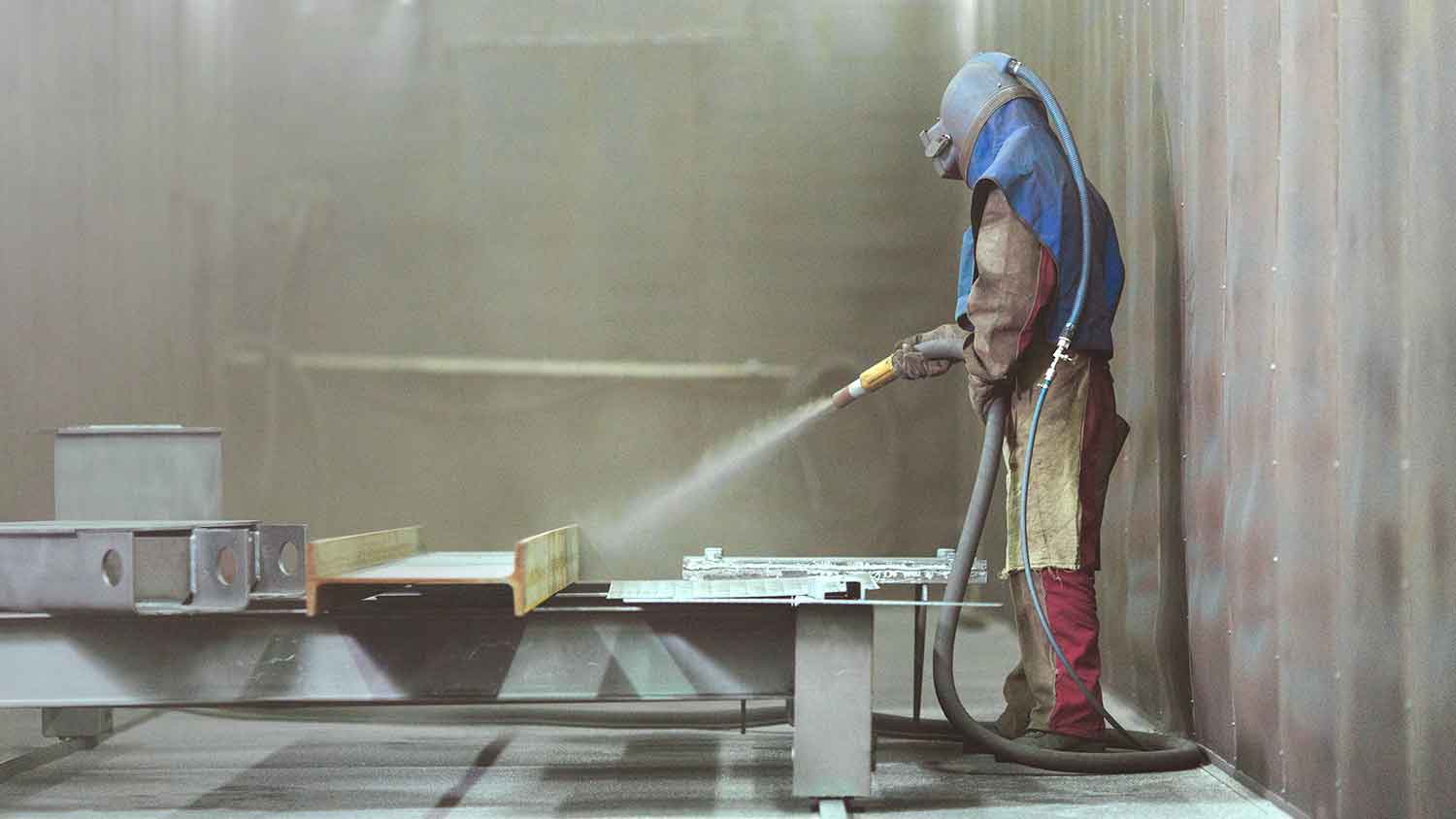
Learn how to hire a sandblasting pro for your project. Find qualified professionals, ask the right questions, and get expert surface cleaning.
Planning a sandblasting project to restore brick or metal? Learn about sandblasting costs, preparation steps, and how to hire the right local pro.