
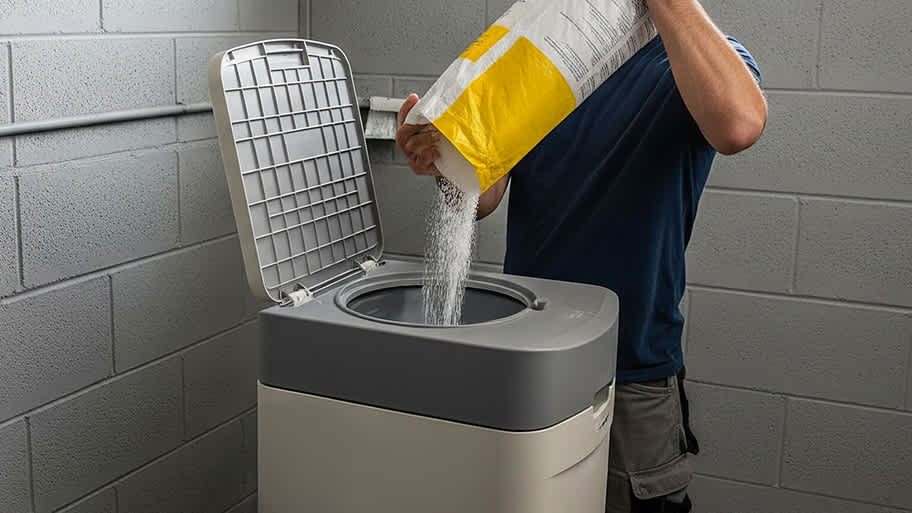
How much a water softener costs in Washington, D.C., depends on your home’s size and the system’s type and capacity. Our expert guide explores all the price factors.
Water softener service costs depend on your project and location. Check with a local pro for your specific job.

Ion exchange water softeners in Baltimore cost $500 to $5,000, and whole-home reverse osmosis systems cost $4,750 to $10,000.
Baltimore city water measures 3.5 to 5.7 GPG, while Baltimore County water runs harder—your location determines whether you need a softener.
Older homes may need lead testing and pipe assessment, adding $100 to $300 to up-front costs.
Water softener installers in Baltimore make sure systems are permitted and matched to your home’s unique water quality.
Water softener installation costs in Baltimore, MD, range from $209 to $6,270 and average $1,568. The water coming from most taps tests at a moderately hard 3.5 to 5.7 grains per gallon (GPG). That’s enough to cause some spotting on glassware and scale on fixtures, but for many Baltimore-area homeowners, the bigger concerns are aging infrastructure and city water mains. The right water softener for your home depends on your source of water, your house's age, and which part of Baltimore’s large service area you live in.
The mix of reservoir water, aging infrastructure, historic row houses, and varying water hardness in Baltimore, MD, determines what you'll spend on water treatment. Here's what to consider when evaluating water softener systems.
Knowing which type and size of water softener to consider when shopping around will help you choose the right system for your home. For example, explore the difference between salt versus salt-free water softeners. Each type of water softener takes a different approach to removing minerals or contaminants from your water, leading to softer hands and happier sweaters.
Baltimore's moderate water hardness means water is hard enough to notice, but not hard enough to make a salt-based water softener an obvious need.
For city residents at water hardness levels of 3.5 to 5.7 grains per gallon (GPG), a salt-free conditioner or a whole-home carbon filter may be a better fit. But homeowners in Baltimore County served by reservoir water that is closer to 10 to 11 GPG will see more value from a traditional salt-based system. In older homes built before 1987, reverse osmosis systems can address lead risk from plumbing solder.
| Type of Water Softener System | Average Cost |
|---|---|
| Single-tank ion exchange | $500–$1,700 |
| Double-tank ion exchange | $1,000–$5,000 |
| Magnetic | $200–$600 |
| Reverse osmosis (point-of-use) | $1,500–$1,800 |
| Reverse osmosis (whole home) | $4,750–$10,000 |
| Salt-free | $800–$4,000 |
| Water distiller | $1,150–$4,000 |
The right water softener for you depends on the number of people in your home and how hard your water is. Water hardness is expressed in grains per gallon (GPG), and grain capacity (GR) is how much hard water a system can filter before needing to regenerate.
Here's what water softeners cost at each capacity level. Note that these prices are for materials only.
| Water Softener Capacity (GR) | Average Cost |
|---|---|
| 24,000 | $300–$500 |
| 32,000 | $400–$1,000 |
| 48,000 | $600–$1,250 |
| 64,000 | $800–$1,500 |
| 80,000 | $1,500–$1,850 |
| 96,000 | $1,700–$2,500 |

Here is an equation with example figures that you can use to determine the system size you need:
4 (people in the home) X 90 (average water usage a day) X 10 (water hardness in GPG) X 7 (days in a week) = 25,200 grain capacity for one week
Once you have this number, you can choose a new system based on the appropriate capacity. If you go with a model that is too small, it may not be able to properly soften the water you use each day, so in this example, you would size up to a 32,000 system.
For most homes in Baltimore, a moderate-capacity system is enough to treat hard water, and some homes may not need one. But homes with harder water throughout Baltimore County should have water tests to determine their actual water hardness. A water softener installation pro can recommend the best size and type of system to meet your water usage.
Leave this project to licensed water softener pros in Baltimore, MD, who are familiar with water treatment needs in older homes, required permits and licenses, and varying water hardness levels in the area. Take a look at these associated costs.
Plumbers in Baltimore charge about $45 to $200 per hour, and a standard installation takes two to four hours. That said, row houses with tight basement access, century-old galvanized or clay pipes, and outdated plumbing layouts can add time and costs. Budget an additional $100 to $250 for service call fees, and if you need emergency or after-hours work, expect rates to jump considerably.
Along with ensuring you get the right system and size, your pro can explain how water softeners work and where to install one. If your home needs significant pipe modifications, a plumbing contractor may need to assess and prepare the site, which costs $100 to $200 per hour.
Both Baltimore City and Baltimore County require plumbing permits for water softener installations. In Baltimore City, plumbing permits are issued through the Department of Housing and Community Development, and fees range from $50 to $500. In Baltimore County, you’ll pay according to the county's fee schedule. Contractors handle applications and inspection scheduling in both jurisdictions, so ask whether they include permit costs in their quotes.
Maryland requires state licensing for all plumbing contractors. Verify your water softener installer's license status through the Maryland Department of Labor before they start working—unlicensed installation can void equipment warranties and complicate home sales.
Annual service visits for softeners in Baltimore average $100 to $250, covering resin inspection, brine tank cleaning, and system calibration. Salt costs for Baltimore City homeowners are around $40 to $80 per year. Homes with harder water will go through salt faster and should budget a little more.
If you don't have prior experience installing or repairing a water softener, consider contacting a plumber for assistance.

For larger or more complex installations, these pros may also be a smart hire:
Electricians: Smart softeners often need their own electrical circuits. Electricians near you charge $75–$150 per hour, with most wiring additions for this project running $100–$350.
Local Water Quality Specialists: A certified lab water test (typically $75–$150) is valuable before purchasing a water softener, since hardness alone doesn't tell the whole story.
Water softeners have a return on investment of 20% to 50%, but most of that doesn't come in the form of home value. The real benefits come from the following:
Safety: In older Baltimore homes with lead-solder plumbing, a certified filtration or reverse osmosis system may appeal to buyers.
Efficiency: Moderately hard water can cause scale to accumulate in water heaters, reducing efficiency over time. A water softener or conditioner can extend the life of your appliances.
Functionality: Cleaner water means spot-free dishes and shower fixtures that stay cleaner and more functional.
Aesthetics: In a market where home maintenance is carefully considered for historic properties, a professional-grade water softener system can signal to buyers that you’ve taken good care of your home.
That said, you’ll have to decide whether a water softener system is worth the cost for your specific situation.
To help homeowners plan their next project, Angi provides readers with carefully researched cost data and upholds strict editorial standards. We start with national average project costs, which we collect by analyzing competitor information, retailer material costs, and input from professional contractors. We then apply local price index data to calculate location-specific estimates that reflect what homeowners typically pay in their local area. To do that, we use data from the U.S. Bureau of Economic Analysis (BEA), including its Regional Price Parities (RPPs), which measure price differences across cities. This helps us account for differences in labor, materials, and overall cost of living, so estimates in higher- or lower-cost areas better reflect real-world local pricing.
Every estimate undergoes a thorough editorial review to verify accuracy, consistency, and alignment with observed market conditions.
Want to help us improve our cost data? Send us a recent project quote to [email protected]. Quotes and personal information will not be shared publicly.
I recently had a flooding issue in my basement and needed sump pump replacement and water mitigation done quickly. JMC Contracting Services LLC came in and handled everything from start to finish with professionalism and real expertise. They removed the old sump pumps, installed new systems...
 JMC Contracting Services LLC
We contacted Total Home Rescue after a significant water leak that caused flooding and damage to floors and walls. The team responded promptly, completed an inspection, and set up drying equipment right away. They handled the cleanup and restoration process professionally, removed damaged...
 Total Home Rescue, LLC
After consulting with 4 companies, we chose Purfect Water Solutions for their unmatched knowledge, excellent pricing, and lifetime warranty on their systems. Curtis was incredibly thorough, explaining the impact of each water test on health—something no other company did. We went with the...
 Purfect Water Solutions, Inc.
Eco Pro Restoration was really helpful in providing me with the assurance that my home was not infested with mold after it was damaged by a water flood.
Fire & Ice Service LLC is reliable and proficient with their service. I use them to service my furnace annually and have had my hot water tank replaced. My overall experience has been great and I have and will continue to refer this company. Thanks Mark and crew for your...
 Fire and Ice Services LLC
I had water coming in through the brick exterior wall and they fixed all of the cracking and broken brick and they fixed it with new brick and mortar thank you so much for the hard work you put in ill be using them on other projects in the future.
 Mid Atlantic Remodel
Andy and his son came out to install a new water valve. Both were very friendly and highly experienced. Price seemed pretty fair. I would definitely recommend them
 Quick Service Plumbing Heating & Drain Cleaning
Andre McDuffie came to our house to fix an existing pipe that had taken water out of our basement and drained it through our front yard. The pipe had broken into two separate pieces so that water was ending up back into the ground around the foundation of the house rather than where it was...
 JES Foundation Repair
Quick, on time quality service with a big smile. Tyler was extremely knowledgeable, sincere in his diagnosis and good quality workmanship. Gave us various options and overall star performance. Delighted to highly recommend Liberty Water treatment solutions for all Well related issues...
 Liberty Pure
You need an outside water source for them to do a complete job
 Neds Power Washing
From average costs to expert advice, get all the answers you need to get your job done.
How much a water softener costs in Washington, D.C., depends on your home’s size and the system’s type and capacity. Our expert guide explores all the price factors.
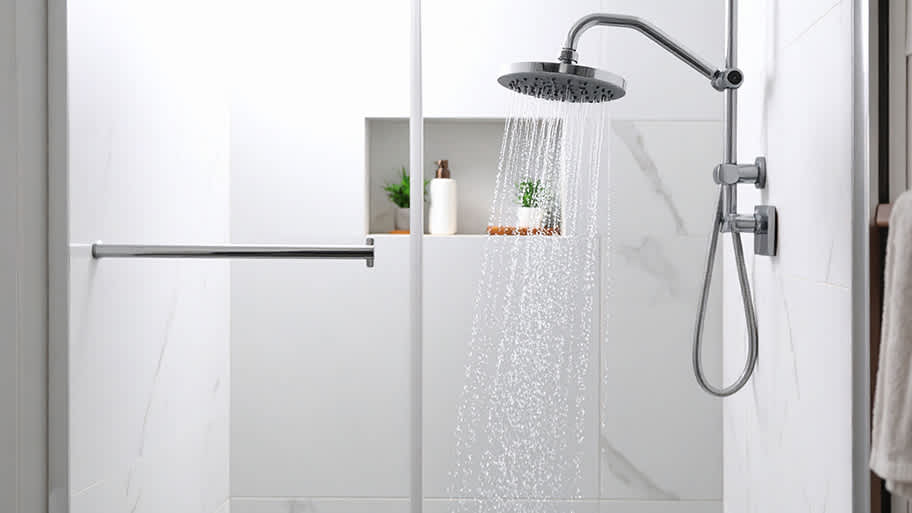
Find the average water treatment installation or replacement cost in Washington, D.C. Learn what you can expect to pay for a new system and get started today.
Find the average water treatment installation or replacement cost in Baltimore, MD. Learn what you can expect to pay for a new system and get started today.
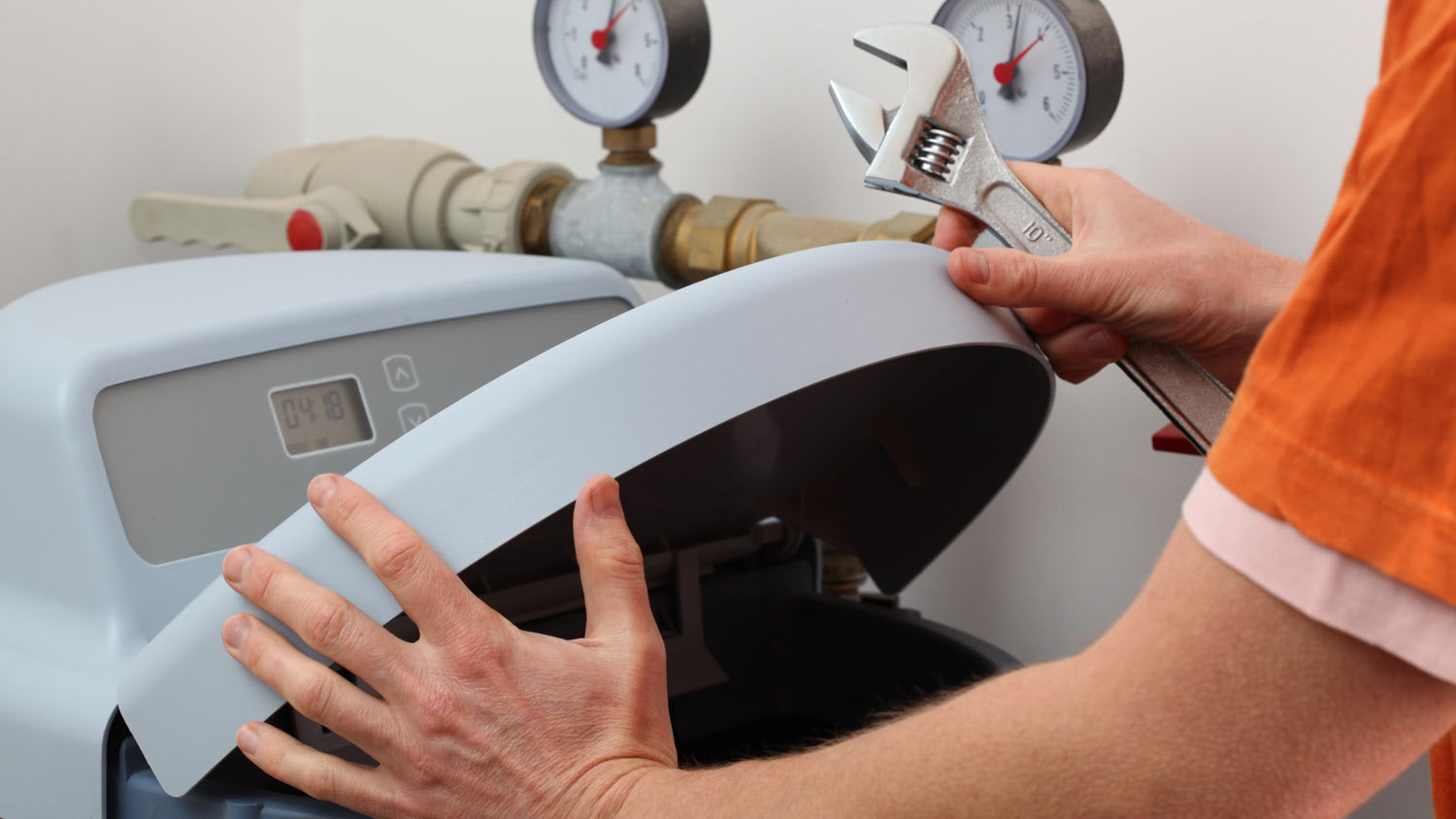
Ready to install a new water softener? Check out this guide to help you hire a qualified water softener professional.
Tired of hard water ruining your plumbing and skin? Learn about water softener installation costs, benefits, and how to hire the right local pro.
Need to soften the water coming into your home? Use this guide to check if your house is pre-plumbed for a water softener to make the process a little easier.