

•
Discover the cost to replace asbestos siding, including key cost factors, and tips to help homeowners budget for safe and effective siding replacement.
Siding service costs depend on your project and location. Check with a local pro for your specific job.

Siding installation costs $5,554 to $17,721 for your project this year, including materials and labor.
Your home’s shape, number of stories, and design details raise labor time because crews need more cuts.
Your budget should include old siding removal and permits, which cost $150 to $1,500 depending on location.
Hiring a local siding professional ensures your exterior is secure and sealed properly, reducing the risk of water damage.
The average siding replacement cost is around $11,588, with most projects ranging between $5,554 to $17,721 for materials and installation. Brick siding, a higher-end material, costs between $9 and $28 per square foot, but you'll pay much less for a budget-friendly material like aluminum, which ranges in price between $2 and $5 per square foot. Typical prices for other common siding materials like vinyl or engineered wood range from $3 to $12 per square foot, while premium materials can reach upwards of $30 per square foot. Keep reading to explore more siding replacement cost factors.
Here is a breakdown of what your budget could look like for more common siding options versus their premium counterparts.
| Home Size (Sq. Ft.) | Average Cost for Siding (Vinyl, Wood, Aluminum, Fiber Cement) | Average Cost for Brick or Stone Siding |
|---|---|---|
| 1,000 | $1,000–$13,500 | $9,000–$50,000 |
| 1,500 | $1,500–$20,250 | $13,500–$75,000 |
| 2,000 | $2,000–$27,000 | $18,000–$100,000 |
| 2,500 | $2,500–$33,750 | $22,500–$125,000 |
| 3,000 | $3,000–$40,500 | $27,000–$150,000 |

It’s easy to get caught up in how much new siding will change the look of your home, but it’s helpful to know which kinds of siding fit your budget before your planning starts. To get an idea of how much this project will cost, measure your home for siding and determine the number of square feet you’ll need.
| Siding Material | Cost per Sq. Ft. | Lifespan |
|---|---|---|
| Vinyl | $3–$12 | 20–40 years |
| Stucco | $7–$9 | 50+ years |
| Wood | $1–$15 | 20–40 years |
| Engineered Wood | $1–$6 | 20–40 years |
| Aluminum | $3–$6 | 20–40 years |
| Steel | $4–$16 | 50 years |
| Fiber Cement | $5–$14 | 50 years |
| Brick | $10–$20 | 100+ years |
| Brick Veneer | $3–$10 | 70–100 years |
| Stone | $7–$30 | 100+ years |
| Stone Veneer | $5–$11 | 20–75 years |
The typical price of siding replacement also depends on location. Here’s a look at average costs in several popular U.S. regions.
| City | Average Cost |
|---|---|
| Boston, MA | $9,800–$24,300 |
| New York City | $8,300–$20,500 |
| Chicago, IL | $6,700–$18,700 |
| Los Angeles, CA | $3,200–$10,100 |
| Des Moines, IA | $7,600–$12,900 |
| Denver, CO | $7,000–$19,200 |
| Miami, FL | $1,800–$6,300 |
Other factors can influence how much you pay to install or replace siding. Labor costs, your home’s complexity, old siding removal, and more will all affect your final price tag. Being aware of additional cost factors can help you budget correctly for this project.
Labor costs to install siding are around $1 to $4 per square foot, depending on the difficulty of the installation and your location, or an average hourly rate of $40 to $75 per hour. Most contractors factor in the cost of labor in their estimates, but be sure to confirm this during the hiring process.
If your home has a simple box shape, your costs will be lower than a neighbor who custom-built a turret on the side of their home. Multiple-story homes also require more time and labor.
The shape of the home, the number of stories, and any unique features can all significantly impact your budget. More complex house designs require more siding and custom cuts, increasing installation and material costs.
Contractors should remove the old siding (at an additional cost) because it corrects problems with pests, nests, and rot. To save your budget from ballooning, your pro might suggest layering over the current siding if the age and condition of the siding permit.
If your old siding has lots of chipping and wear, you’ll pay more to remove it and prepare the exterior surface for new siding. If your previous siding was in decent shape, your home will likely require less preparation and will therefore cost less.
Talk to your contractor about off-season installation pricing and timelines. If they have fewer clients competing for time, they might finish your large home faster. Plus, if the company offers off-season discounts, there might be savings, regardless of the size of your house. Depending on where you live, the best time to install siding may be in the spring or fall, so a summer or early winter installation may save you money.
or in the cost of labor in their estimates, but be sure to confirm this during the hiring process.
Building permits for siding can cost anywhere from $150 to $1,500, depending on local government regulations and the type of work. Some small siding projects may not even require a permit, so always check with a professional siding installer or your local municipality.
| Factor | Repair | Replacement |
|---|---|---|
| Repair cost vs. new siding | Repair cost is less than 50% of the replacement cost | Repair cost is more than 50% of the replacement cost |
| Siding age | Less than 20 years | More than 20 years |
| Extent of damage | Localized damage | Widespread damage |
| Moisture intrusion | Isolated moisture intrusion | Widespread moisture intrusion |
Hiring a professional siding installer costs more upfront, but you benefit from faster installation, better weather protection, and a polished, long-lasting exterior. Pros bring specialized tools and experience, making the process smoother and often saving you money on repairs or mistakes.
Replacing or installing siding is a detailed project that requires specialized expertise. Here are some of the top reasons to work with a pro:
Siding installers ensure your walls, windows, trim, and insulation aren’t damaged during installation.
They have the tools and techniques needed to install a variety of siding types accurately and efficiently.
Working with a pro ensures your siding is secure, level, and sealed properly, reducing the risk of water damage.
Bundling siding installation with painting, insulation upgrades, or trim work can save on overall project costs.
If you want to take on parts of the project yourself, here are a few DIY tasks that can help save time and labor costs:
Clear the area around your home, including landscaping or obstacles that could interfere with installation.
Remove old siding, debris, or damaged trim before professionals arrive.
Measure walls and plan layouts to help the installation process go smoothly.
Depending on your siding’s age, the extent of any damage, and repair costs compared to replacement costs, you may consider repairing siding rather than replacing it. Before deciding when to replace siding and when to repair it, consider these factors:
| Factor | Repair | Replacement |
|---|---|---|
| Repair cost vs. new siding | Repair cost is less than 50% of the replacement cost | Repair cost is more than 50% of the replacement cost |
| Siding age | Less than 20 years | More than 20 years |
| Extent of damage | Localized damage | Widespread damage |
| Moisture intrusion | Isolated moisture intrusion | Widespread moisture intrusion |
Siding can increase your home’s value and offers one of the highest returns on investment (ROI) for home improvement projects. New siding can have an ROI as high as 80% and can set your home apart to prospective buyers when you put it on the market. Installing or replacing siding not only boosts your home’s curb appeal, but it can also be a good investment when it comes time to sell.
Consider hiring for this project during the off-season, typically in summer or early winter, when contractors aren’t as busy and are charging lower rates.
Get at least three estimates from reputable siding contractors before you commit.
Choose brick or stone veneers to achieve the same look for less.
Feature premium-priced stone or brick siding as a facade that’s accented with lower-priced options such as vinyl or wood.
Install insulated siding or rigid board insulation under your siding to lower your energy costs over time.
Be ready to provide details about your current siding, including its material, age, and any damage or insulation concerns, as this helps your pro recommend the best replacement or installation approach.
If your budget allows, ask your pro about optional upgrades like insulated siding, trim accents, or special finishes for added curb appeal and energy efficiency.
Be prepared for unexpected costs, such as hidden water damage, rot, or structural repairs that may be uncovered once the old siding is removed.
Discuss your timeline and accessibility with your pro, as weather, scaffolding setup, and property layout can affect how quickly the siding can be installed.
Home is the most important place on earth, which is why Angi has helped more than 150 million homeowners transform their houses into homes they adore. To help homeowners with their next project, Angi provides readers with the most accurate cost data and upholds strict editorial standards. We’ve surveyed over 10,000 real Angi customers about their project costs to develop the pricing data you see, so you can make the best decisions for you and your home. We pair this data with research from reputable sources, including the U.S. Bureau of Labor Statistics, academic journals, market studies, and interviews with industry experts—all to ensure our prices reflect real-world projects.
Want to help us improve our cost data? Send us a recent project quote to [email protected]. Quotes and personal information will not be shared publicly.
The guys at PaveWay are top notch. From the estimate to the job being completed,all was done in a timely and professional manner. I myself was a DOT Engineer Inspector(know what to look for) and got to talking with Cameron and he himself was a Contract inspector for a few years,same job as...
 All Star Paving and Sealing
I highly recommend KTM construction! I will look no where else for anything that needs to be done, in or out side of our property. The level of craftsmanship is 5 star service across the board! The level of detail, knowledge and professionalism is 5 star service across the board! Ken is a...
 KTM Construction, LLC
I purchased the "Big Deal": $199.00 for exterior pressure-washing of one- or two-story home up to 2,000 square feet. They cleaned the siding only. I wasn't aware when I bought the Big Deal that they would not do any other surfaces other than the siding (i.e. sides of the gutters or stucco). I...
 Complete Home Services
This brownstone is historical and the carpentry work is very detailed. I was very happy to secure a company in NY and living in OH to complete the request. Wood work on this brownstone has been existing since approximately 1888 and West side did a GREAT JOB. I will not be able to...
 Westside Home Improvement
Nice group of workers, very friendly. Day 1 covered everything before starting, seemed very organized. Things seemed to be going great. Day 2 they didn't show up until around 10:00a.m. and work crew was cut in half, was told they had another job. Day 3 they didn't show up until around...
 CertaPro Painters of Columbus
The work went great! Couldn't ask for better. Joel set a work start date. About the time of the storms that may have been associated with Sandy. He was half a day late. They set up on a Thursday. On Friday they had a full crew at work. By Monday they were finishing up. Now, the best...
 NJW Construction
A few months ago, a tree branch fell across my car, leaving a series of dents across the hood and driver's side fender. I took it to Rife's after reading the Angie's List reviews. Rife's did a great job! My car looks like new. And they made the process as easy as possible. When I came in...
 Rife's Autobody Inc
I received an email from Angie's List offering Car Detailing 4 U's services for $99. Coming from Angie's List, I expected this to be a highly dependable and qualified company that was known for doing exceptional work. I set the appointment for them to come to my home. They were arrive at...
We first had Mark fix the back patio and liked his work so much we had him make a brick patio on the side of the house. When we decided to change our concrete walkway to brick, we wanted Mark to do the job because his prices were fair and he did such good work on t he other two projects.
 Mark Monnette Masonry
I was very pleased with the cost and end result. I truly expected this job to cost me 50% more than it did. When you factor quality and cost, I would highly recommend Mark's services and plan to use him in the future. The best part was, I asked Mark to match the paint color in one section...
 Fresh Touch Custom Painting Inc.
From average costs to expert advice, get all the answers you need to get your job done.
Discover the cost to replace asbestos siding, including key cost factors, and tips to help homeowners budget for safe and effective siding replacement.
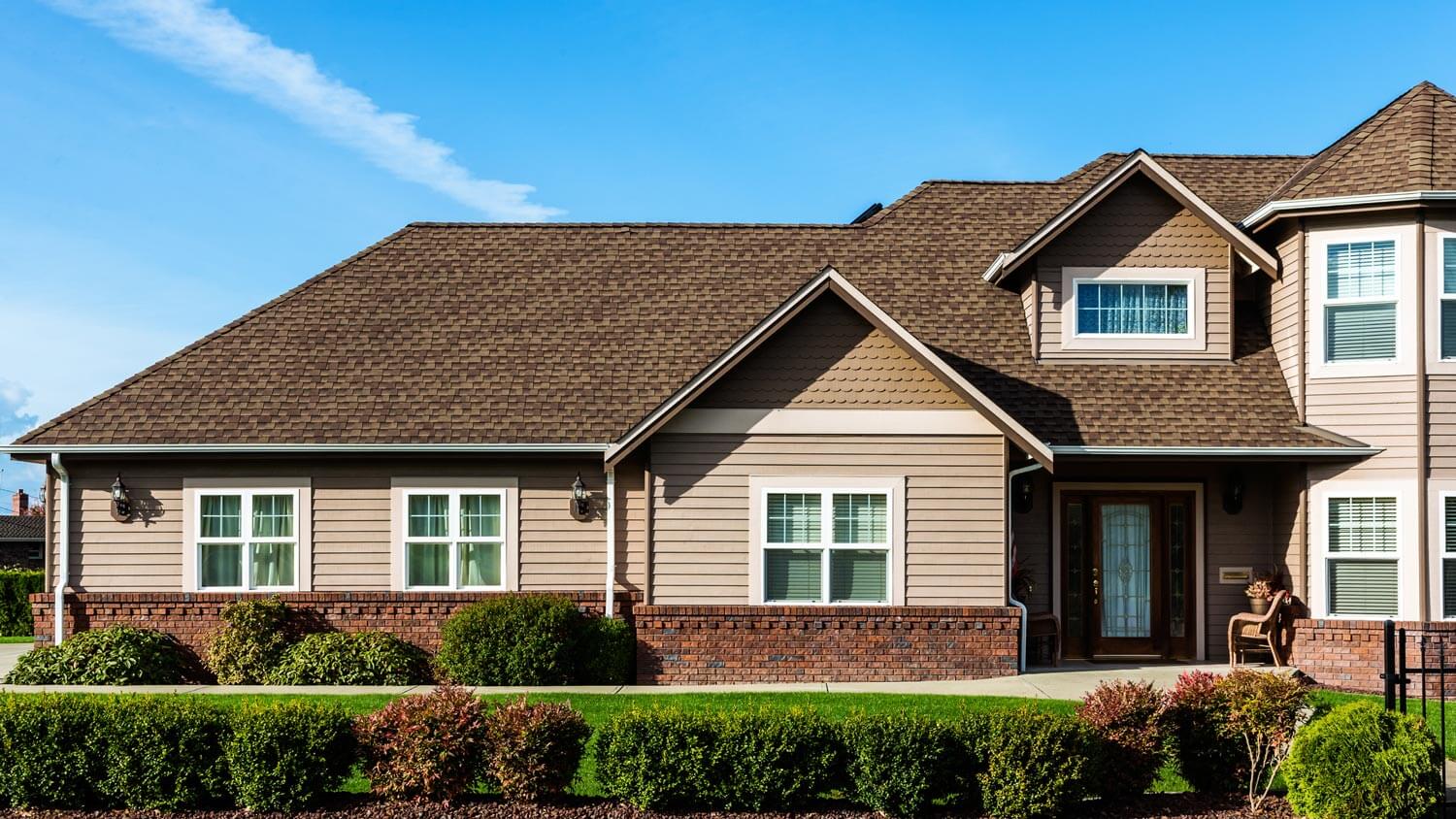
The cost to paint aluminum siding depends on several factors, including type of paint and labor cost. What are the pros and cons of DIY or hiring a painter?
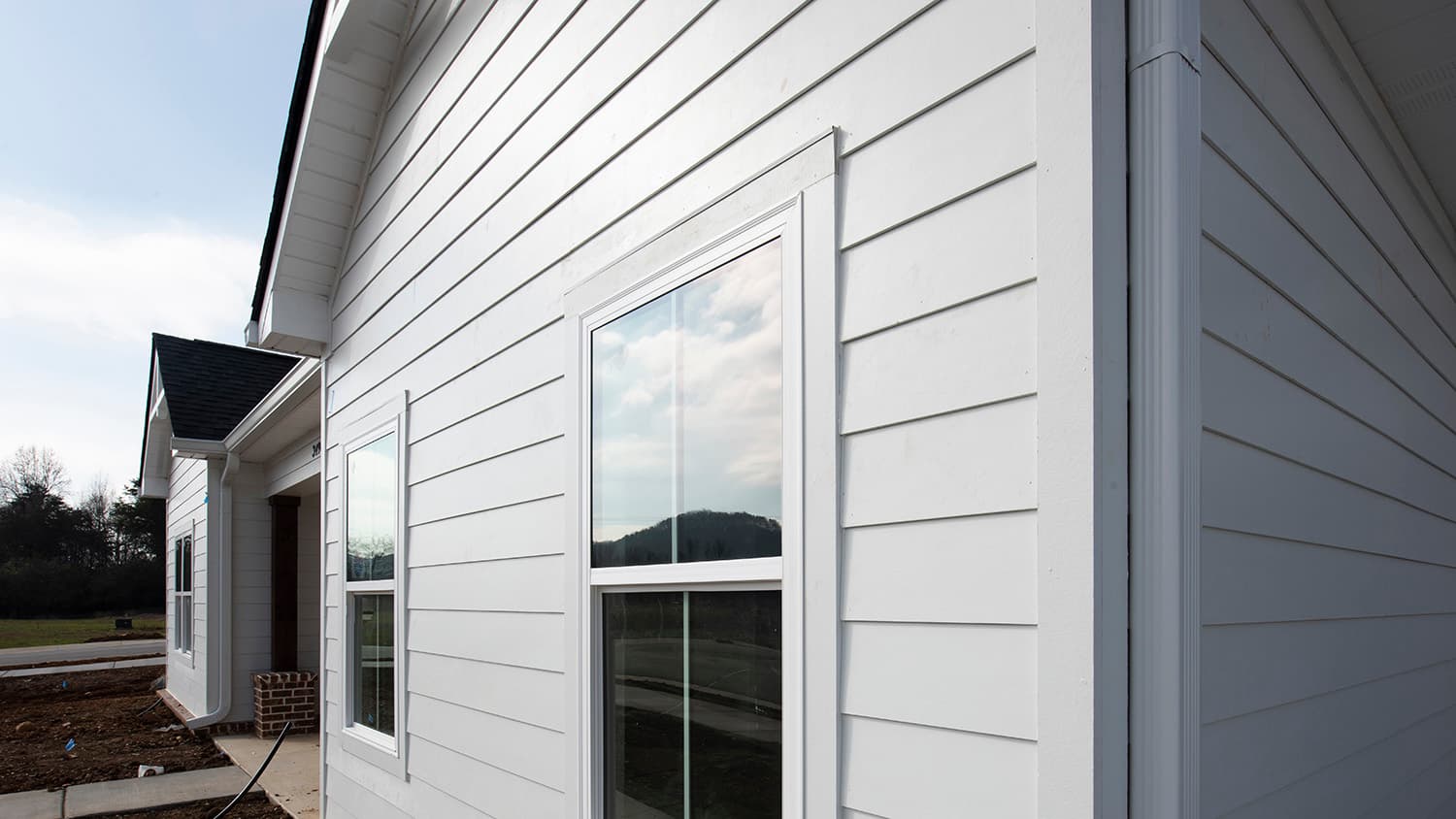
Learn about the average siding repair cost to expect based on siding type, repair type, and extra labor when getting estimates to fix siding from contractors.
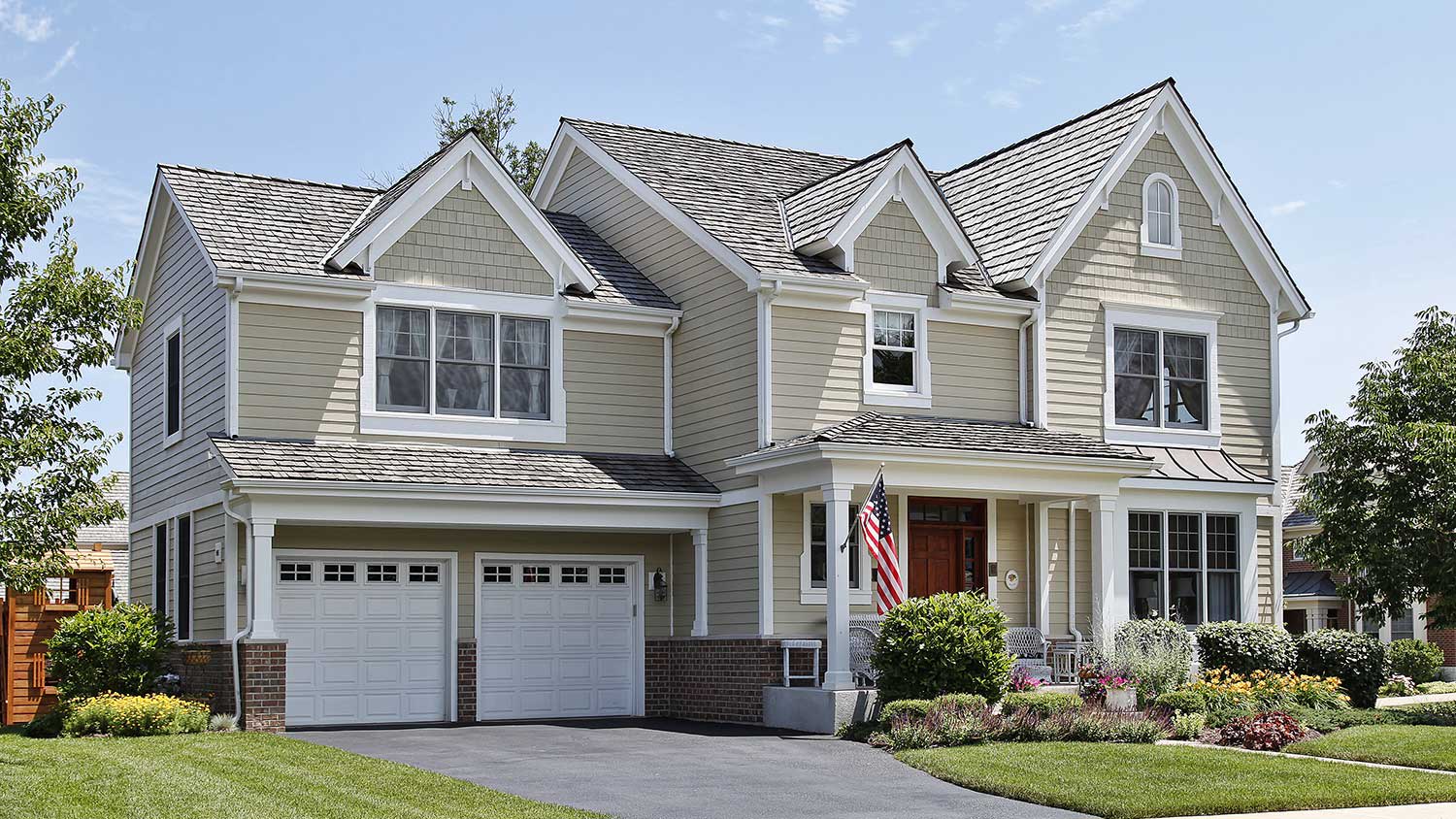
Vinyl siding is durable, but that doesn’t mean it will never need to be replaced. Read on to find out everything you need to know about vinyl siding replacement.
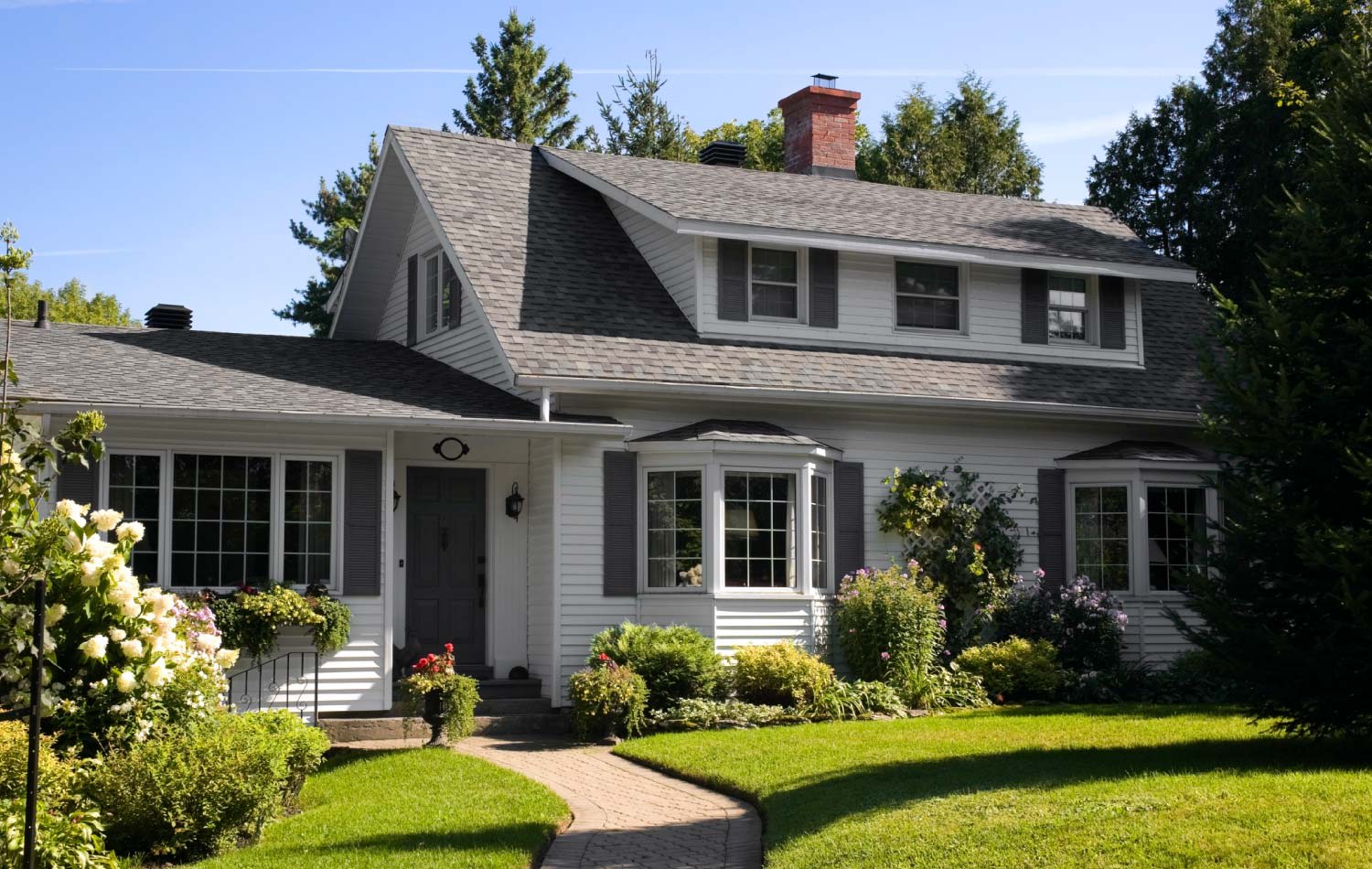
When installing siding, you may find rotted boards underneath the old siding. Siding is your home’s first line of defense against the elements–rot causes damage that can spread, so learn about what to do when you discover rotted boards.
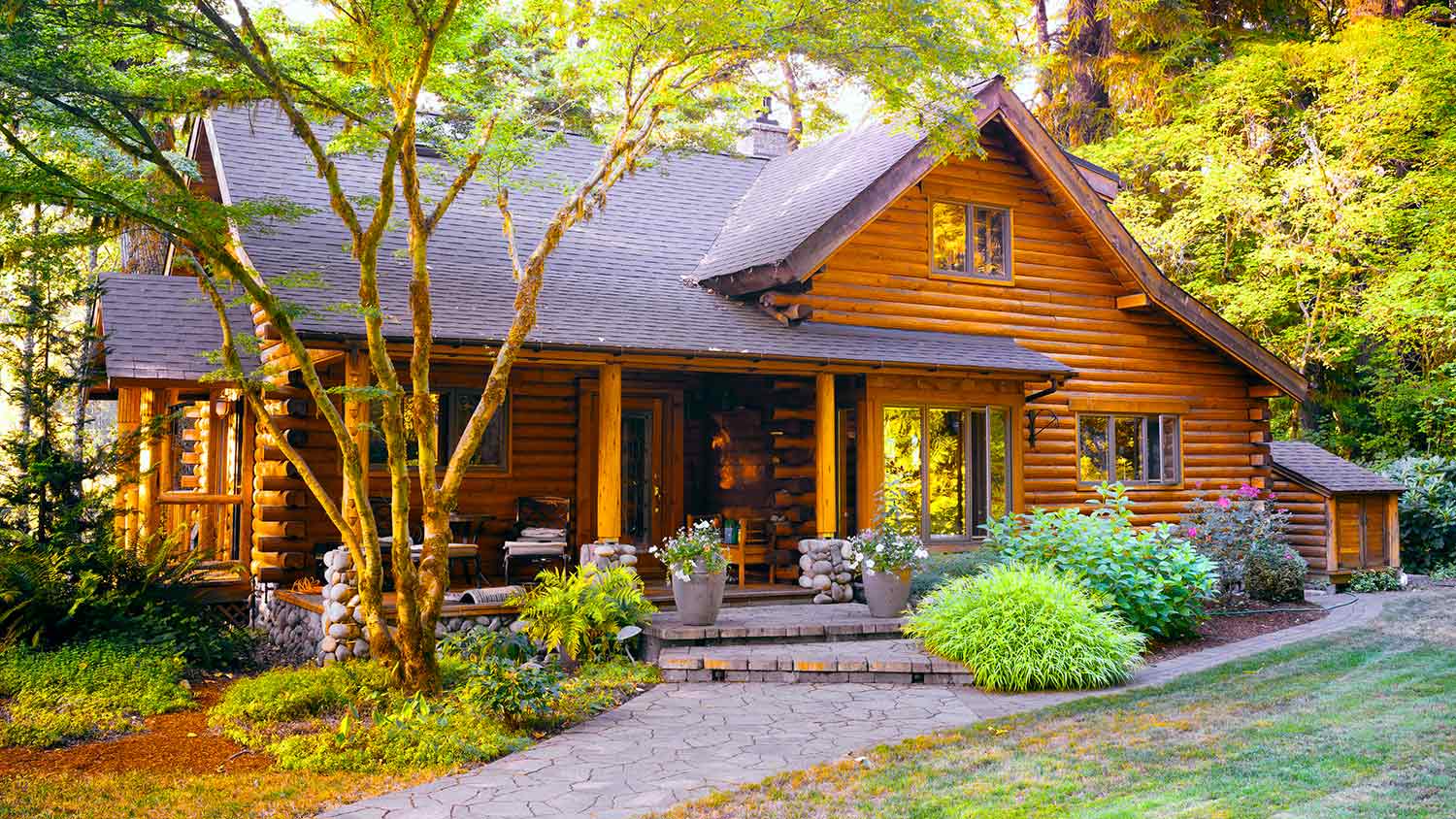
Love the rustic look of log cabins but want a more durable siding? Use this vinyl log siding cost guide to see if this is a good alternative for your home.