


Do you have a load-bearing wall standing between you and your projects that you want to remove? Learn about the cost of removing a load-bearing wall.
Structural engineering costs depend on your project and location. Check with a local pro for your specific job.

Wall removal costs range from $500 to $15,000, and your price rises fast for load-bearing walls.
Your wall material shapes labor time, brick and concrete take more demolition and debris hauling than drywall.
You should budget $500 for an engineer report, plus added work to reroute wiring, plumbing, and patch drywall.
Hiring a local wall removal pro keeps your project code-compliant, manages utility reroutes, and protects your home’s structure.
The average cost to remove a wall in your home will be around $3,000, though you may spend between $500 and $15,000, depending on a few different factors, like whether the wall you're removing is load-bearing or non-load-bearing. If it's load-bearing, it'll likely cost more. Factors like whether you have to reroute wiring and plumbing will also affect the price, as will the number of stories in your home.

Every renovation project is unique in size, difficulty level, and scope, so costs will vary according to individual issues that arise. Wall removal cost estimates vary by the size and design of your home, the amount of labor involved, and whatever replacement materials will be necessary to maintain your home’s structural stability.
Also, there is a lot going on behind the average wall, including pipes, wires, and structural support beams. All of this affects the cost estimate. Plus, the cost of a structural engineer to assess your specific needs is something you need to consider.
Labor costs increase with the difficulty of removing the type of material your wall is made of. As you can imagine, the cost of plaster wall removal will involve more debris removal than with a wall made of drywall and 2x4 material, so labor costs will be higher.
The table below includes some typical pricing you’ll see with different wall materials. These prices are for non-load bearing walls, so keep in mind that costs will increase quite a lot if your wall is structural. Of course, the size of your wall will also affect these prices.
| Wall Material | Average Cost |
|---|---|
| Brick | $1,000 |
| Concrete | $1,000 |
| Drywall/Studs | $300 |
| Plaster | $600 |
Steel support beams are costly, at $1,300 to $5,000, though they are incredibly durable. A more cost-effective option is a laminated veneer lumber (LVL) beam, which ranges in price from $55 to $400, with an added labor cost of $200 to $400 per beam. In some cases, you may have a third option for maintaining your structural integrity: building a new wall nearby. The average cost if you go this route would be between $1,000 and $2,000, depending on the material and size.
You cannot knock down a load-bearing wall without putting in some kind of alternative support structure in its place. Luckily, the same structural engineer who knocks down your wall should source out a contractor to install an appropriate support structure of some kind.
It is extremely important to source this job to a competent professional with plenty of experience. Improperly installed support beams can cause unlevel floors, cracked ceilings, sticking doors, and, worst of all, complete structural collapse.
A professional plumber may have to come in to replace or remove pipes behind your wall if they run through the area. The chance of needing this service increases dramatically if you’re knocking down an exterior wall, as much of the plumbing in your home runs around the perimeter of the structure.
The exact rates will vary depending on the complexity of the job and the number of pipes that need servicing, but hiring a local plumber will cost $45 to $200 per hour, plus the cost of materials.
The total cost will be highest if your plumber needs to move main gas lines coming into your home or install new copper piping to account for the floorplan changes. Running new lines from your gas or water source can quickly add up to $1,000 or more, depending on how much work and materials are involved.
Walls also hide crucial electrical wiring. Call in an electrician near you to remove and reroute any wires running through the wall you’re removing. The total cost will vary depending on the complexity of the job, but electricians will cost around $50 to $100 per hour. Most electricians will charge a one to two-hour minimum rate even if the project ends up being on the simpler side. If the electrician discovers something unexpected, such as outdated or sub-standard wiring, the rate could go up.
When you knock down a wall, you could expose parts of nearby partitions, which you may want to cover up and smooth out by installing new drywall. Hiring a drywall contractor near you will cost about $1.50 per square foot of drywall or $65 per 8-foot by 4-foot sheet.
While you’re at it, you may want to hire a local painter to add some sparkle to that newly minted drywall. This will cost $300 to $750 per room, not including the cost of the paint. Your total price could be significantly less, though, since you’ll likely only need a small portion of the wall painted. If you’re installing a new wall to maintain support in your home, the price will be toward the higher end of that range, given that more work is required.
Regardless of what kind of wall you’re removing, you’ll need to pay for the removal of all of the materials you remove. The debris removal cost will usually be included in your total demolition price, so we’ve included it in our estimates above. However, your contractor may charge for this separately.
The table below includes average prices for debris removal after you take down your wall.
| Wall Material | Average Cost |
|---|---|
| Brick | $250 – $500 |
| Concrete | $250 – $500 |
| Drywall/Studs | $100 – $300 |
| Plaster | $100 – $300 |
The average cost to remove a wall will be $300 to $1,000 for a non-load-bearing wall, or $1,200 to $10,000 for a load-bearing wall. The design of your home will also affect this cost, as wall removal in multi-story houses tends to cost more, particularly if you are removing a wall from the bottom level.
| Wall Type | Cost |
|---|---|
| Non-Load Bearing Wall (Single-Level Home) | $300–$1,000 |
| Load-Bearing Wall (Single-Level Home) | $1,200–$5,000 |
| Load-Bearing Wall (Multi-Level Home) | $3,000–$10,000 |
You can usually get rid of a non-load-bearing wall for between $300 and $1,000. The specific price you’ll pay will depend on the wall material—brick walls are more expensive to remove than stick-framed walls—and the location in your home—labor costs for debris removal can increase if the area is more challenging to access.
It can be difficult for the average homeowner to tell the difference between a non-load-bearing wall and a load-bearing wall, as from the outside, they tend to look the same. However, each offers a different level of support for your structure. The home’s architectural plans may indicate which walls are non-load-bearing, but if you don’t have access to them, call in a pro for help.
Generally speaking, non-load-bearing partitions will not have any walls, posts, or other supports directly below or above them. However, there can be exceptions to any rule, so you should hire a professional inspector to figure out if the wall is load-bearing or not.

The cost to remove a load-bearing wall will be higher, as they act as necessary support for everything above and below them. It will usually cost $1,200 to $5,000 to remove a load-bearing wall in a single-story home. That cost includes the necessary stabilization method that’s best for your home. Some common options include building new walls to receive the load and installing steel I-beams to avoid the need for a new structural wall.
These prices do not include the cost of hiring an engineer to weigh in on how to maintain your home’s structural integrity. You can expect to pay around $500 for an engineer’s report and recommendations, and most engineers charge between $200 and $1,400, depending on the scope of the job.
When it comes to multi-level homes, potential complications increase along with the cost. Expect to pay $3,000 to $10,000 for load-bearing wall removal in a multi-story house.
Much like in a single-family home, a good portion of that cost will go toward adding the necessary support to provide stability for your structure after you remove the wall. That support could come in the form of an additional wall in a new location, a steel I-beam, or some other option your engineer determines is sufficient.
As a quick primer, a load-bearing wall will typically sit directly above metal or multi-board wood beams in a basement, directly above or below other load-bearing walls, directly above or below attic knee walls, or perpendicular to floor joists. Additionally, every exterior wall is load-bearing.
There are a few ways you can cut costs when you embark on a wall removal project in your home. These include:
Get multiple quotes from at least three demolition contractors and compare reviews to get the best value.
Do the demolition yourself. With this option, you'll only need to pay for the tools and permits—and your time.
If the full demolition isn’t feasible as a DIY project, ask your pro if you can save on labor costs by DIYing some of the prep work and cleanup.
In most cases, we recommend against DIY wall removal, as the process carries a significant risk of personal injury and structural damage. Even experienced DIYers can make costly mistakes when removing a wall, especially if it is load-bearing or if utility lines run through it.
You’ll likely need to hire multiple tradespeople to handle plumbing, wiring, and drywall issues, including a local general contractor to oversee the project.
Removing a wall isn’t a job to tackle on your own. Here’s why you should always hire a pro:
Professionals know how to prevent structural damage, safety hazards, and compromised walls.
Hiring a pro ensures compliance with local building codes and safety regulations.
DIY removal can lead to costly repairs, serious injury, and structural damage.
Wall removal pros know how to handle load-bearing calculations, debris removal, and temporary supports.
Let your pro know which type of wall you need to remove, such as load-bearing, non-load-bearing, or partition.
Be prepared to discuss any electrical wiring, plumbing, or HVAC considerations with your pro.
If there is room left in your budget, you can talk with a pro about add-ons like built-in shelving, recessed lighting, or accents.
Ask your pro about the necessary permits, timeline, and debris disposal process.
Home is the most important place on earth, which is why Angi has helped more than 150 million homeowners transform their houses into homes they adore. To help homeowners with their next project, Angi provides readers with the most accurate cost data and upholds strict editorial standards. We extensively research project costs to develop the pricing data you see, so you can make the best decisions for you and your home. We rely on reputable sources, including the U.S. Bureau of Labor Statistics, academic journals, market studies, and interviews with industry experts—all to ensure our prices reflect real-world projects.
Want to help us improve our cost data? Send us a recent project quote to [email protected]. Quotes and personal information will not be shared publicly.
Professional Team, smooth to communication chain and schedule flexibility. Follows proper construction procedure and completes task on time.
 Pegasus Concrete
I cannot recommend Inspired Design Contracting highly enough! From start to finish, working with Jim Venetucci was an absolute pleasure. His vast knowledge and keen understanding of design were evident in every conversation. What truly set Jim apart was his incredible patience and genuine...
 Inspired Design & Contracting
We have bought and sold numerous times over the past 50 years. Sherman Hall and Top Line are top notch. Thorough and detailed, he explains every possibility, probability, and eventuality. High class and pleasant. The best.
 Top Line Home Inspections, LLC
Excellent experience in mounting our 77 inch TV with in wall cable management. Service was efficient and would highly recommend!
 Tether House
Storms Mobile Welding was great to work with. They were prompt, professional and did an overall excellent job on the project. I highly recommend.
The techs on my project, Shawn and Cliff, were great. They were prompt, courteous, and efficient. I am very happy with the results and would definitely contact Mr. Electric for any future electrical projects.
 Mr. Electric of Columbus
Excellent choices and quality of materials. Workmen were very efficient and took their work very seriously. Pride of workmanship and cleaned up beautifully at end of job. Would recommend this company highly.
 Window Depot USA of Central Ohio
The guys at PaveWay are top notch. From the estimate to the job being completed,all was done in a timely and professional manner. I myself was a DOT Engineer Inspector(know what to look for) and got to talking with Cameron and he himself was a Contract inspector for a few years,same job as...
 All Star Paving and Sealing
Did an amazing job transforming my yard. Also installed sod in places, would recommend to everyone.
 Cardinal Landscaping & Construction LLC
Car interior was immaculate, brand new. You could eat off the engine it was so clean. Truly showroom quality. Clint shows you the water from the interior cleaning, and my daughter would have gagged had she known. Now, a father's daughter loves the car even more, thanks to Clint.
 Auto Detail Doctor
From average costs to expert advice, get all the answers you need to get your job done.
Do you have a load-bearing wall standing between you and your projects that you want to remove? Learn about the cost of removing a load-bearing wall.

Get transparent wallpaper removal cost info to learn average prices, key cost factors, and tips to save on your wallpaper removal project.
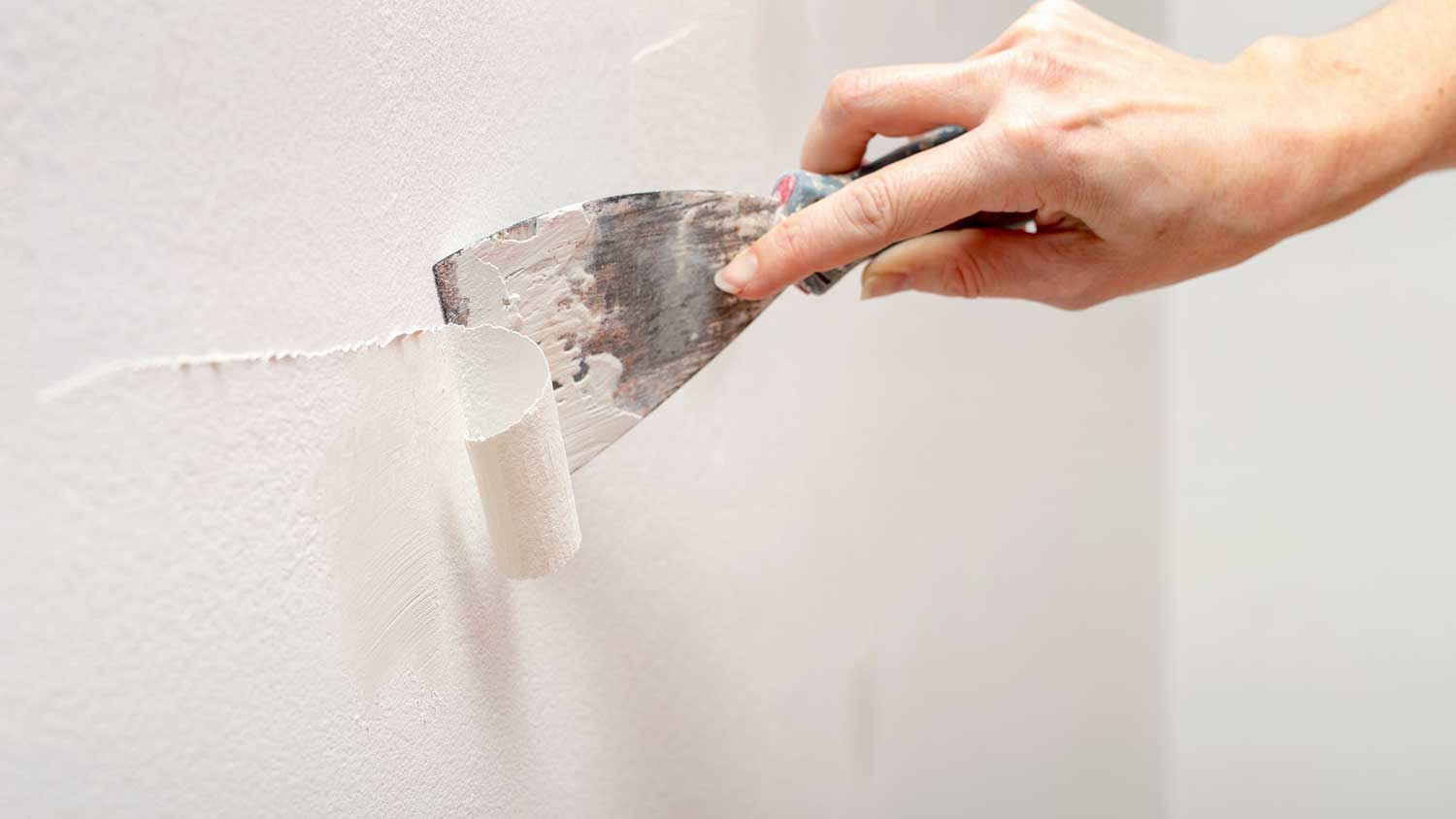
The cost to remove texture from walls depends on square footage and the type of texture. Learn all the factors that will impact your budget in this guide.
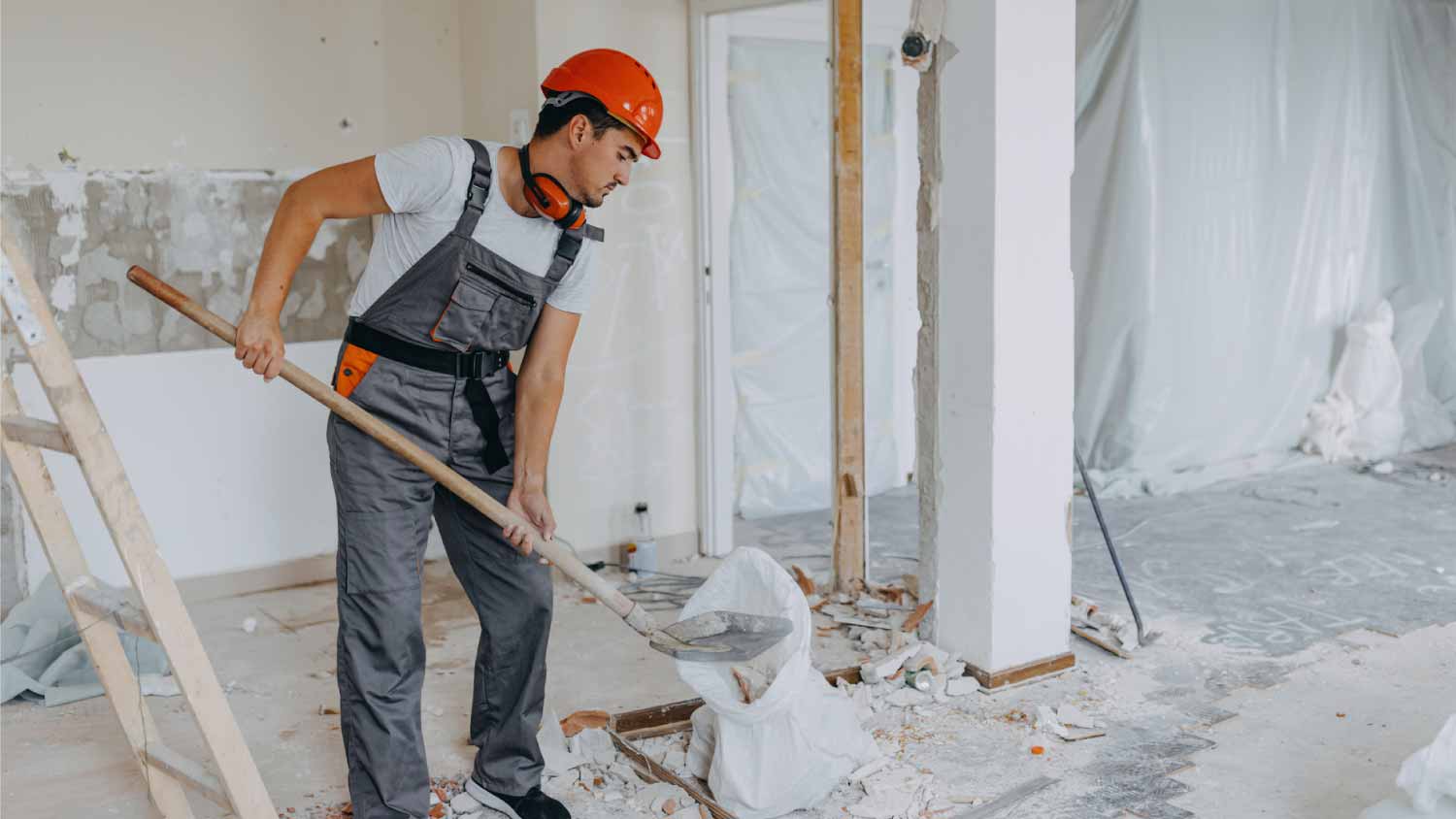
Looking to open up your living space and need to remove a wall? Learn who to hire to knock down a wall, whether it's load-bearing or non-load-bearing.
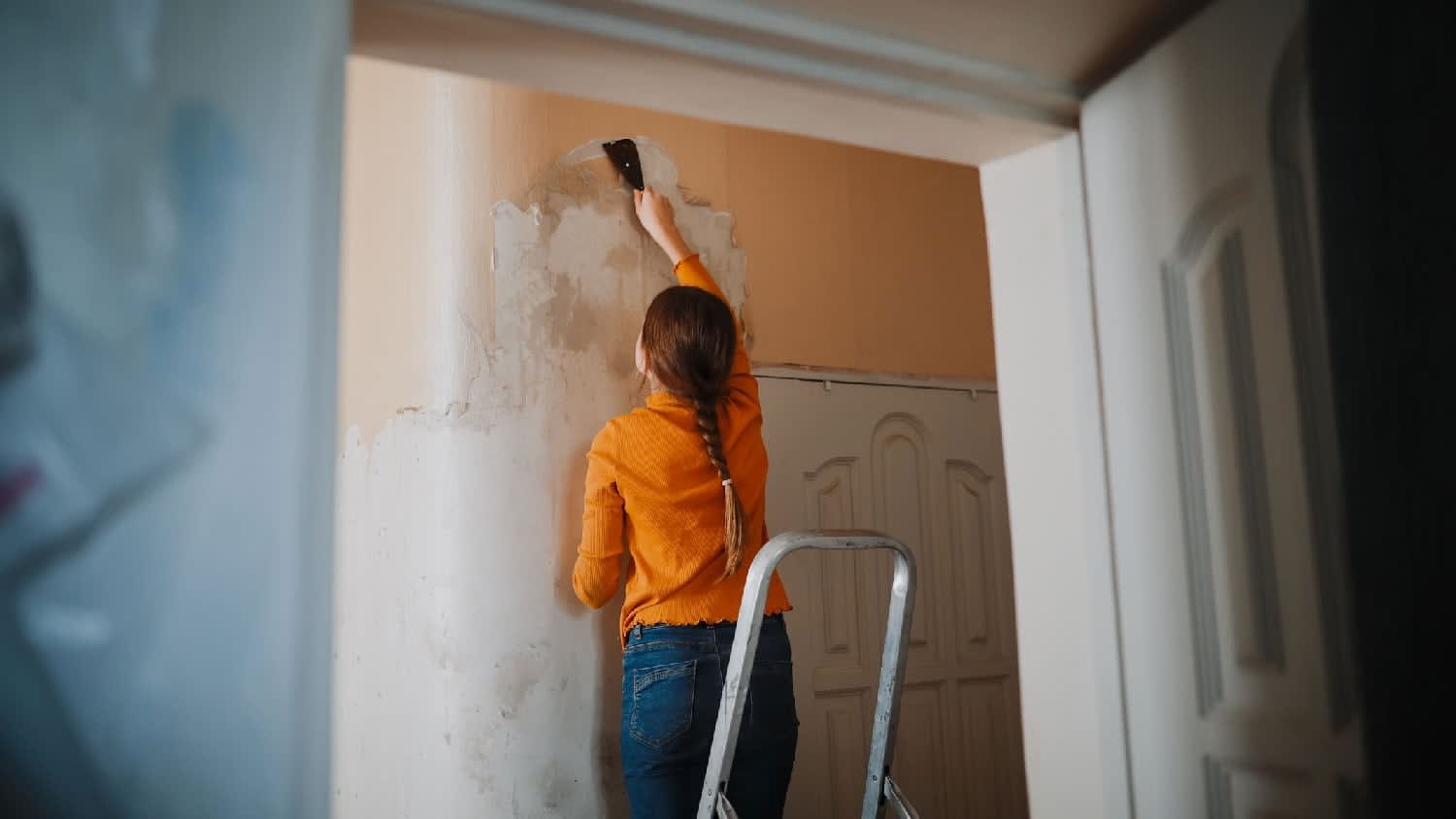
The paper is off, but your walls need some love. Learn how to repair your walls after a wallpaper removal project and prep them for paint or new decor.
Sick of staring at popcorn walls or faux stucco? This guide will show you how to remove texture from walls like a pro. Here’s what you need to know.