
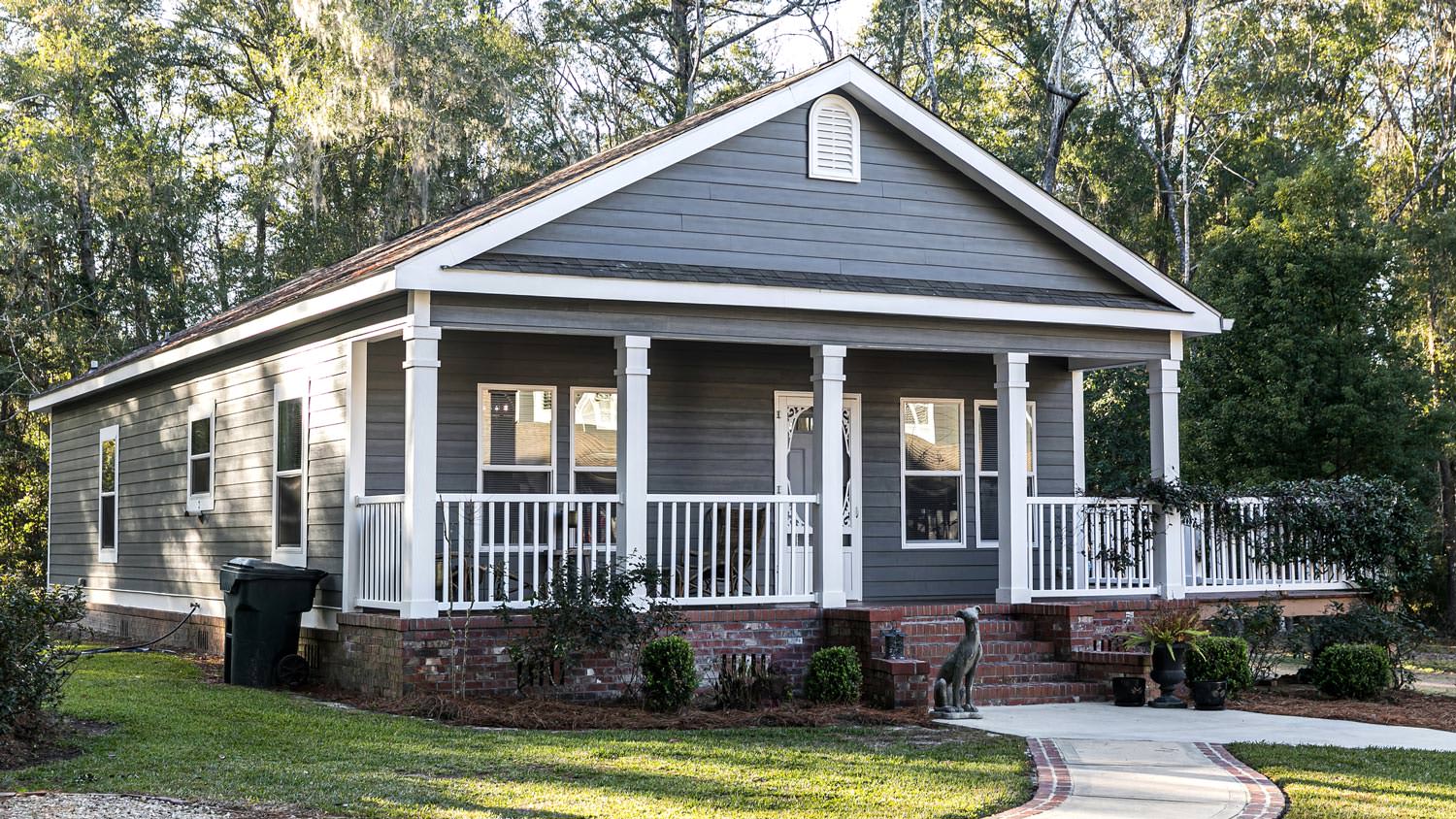
New siding improves curb appeal, increases home value, and insulates your home. Learn about average fiber cement installation costs in Seattle.
Siding service costs depend on your project and location. Check with a local pro for your specific job.

New vinyl siding is a great way to boost your home’s curb appeal.
Vinyl siding is weather-resistant, making it a great choice for Seattle homes.
Square footage, scope of work, opting for insulated siding, permits, and additional modifications can affect the cost of vinyl siding installation.
Expect to pay $3 to $11 per square foot in material for vinyl siding.
Vinyl siding installation costs between $8,500 and $18,670 in Seattle, with most homeowners paying around $13,123. For simpler projects such as a partial vinyl siding replacement, the average price sits around $8,500. Various factors, such as size, type, and project complexity, can all affect the cost of vinyl siding installation in Seattle.
The cost of vinyl siding installation in Seattle is primarily affected by the following factors:
Square footage
Vinyl siding type
Project complexity
Accessibilty
Finishing
These factors, along with your local labor market, can have a significant impact on the final price for your vinyl installation project.
The square footage needing new vinyl siding is the first factor that will affect the installation cost. For an average-sized home in Seattle, expect to pay $6 to $12 per square foot for vinyl siding installation. This cost may fluctuate significantly depending on other associated factors.
The cost of vinyl siding installation in Seattle can vary based on the type of vinyl siding you use. Standard vinyl siding comes in smooth finish, traditional lap, Dutch lap, shake, wood grain, clapboard, beaded seam, board and batten, scalloped, and log. You may also choose insulated vinyl siding for enhanced energy efficiency.
| Type | Cost (per sq. ft.) |
|---|---|
| Smooth | $3–$6 |
| Traditional Lap | $2–$7 |
| Dutch Lap | $2–$7 |
| Wood Grain | $3–$6 |
| Shake | $3–$9 |
| Clapboard | $3–$6 |
| Beaded Seam | $3–$7 |
| Board and Batten | $4–$8 |
| Scalloped | $5–$9 |
| Imitation Log | $5–$10 |
| Insulated | $3–$11 |
The complexity of your siding installation project can significantly impact the final cost. Fresh siding installation on a new construction home tends to cost less than a full house siding replacement, given the additional labor required to remove existing vinyl siding. A partial siding installation to replace a partially affected area may only cost a few thousand dollars.
Your home’s design and structure can also affect the cost of vinyl siding installation. A single-floor, ranch-style home may cost less since it is more accessible and safer for the pro to work on, compared to a multi-story farmhouse-design home. If a certain area of your home’s exterior is difficult to access, your contractor may also charge more.
While vinyl sidings come in various colors and finishes, sometimes, you may want a specific color that must be painted separately, resulting in extra labor and material costs.
Siding pros in Seattle charge $50 to $75 per hour for vinyl siding installation. When you receive a quote, the number typically covers additional costs associated with insurance, warranty, and permitting.
Most professionals will offer to clean up the job site for a slight upcharge, typically calculated based on their standard hourly rate. For vinyl siding installation, you won’t need to hire any additional contractors unless structural damage is discovered during siding replacement.
New vinyl siding improves your home’s curb appeal, which often leads to increased home value. On average, homeowners can recover up to 82% of their investment on new vinyl siding. Depending on the look and installation quality, some buyers are willing to pay up to 7% for new siding on a home.
Home is the most important place on earth, which is why Angi has helped more than 150 million homeowners transform their houses into homes they adore. To help homeowners with their next project, Angi provides readers with the most accurate cost data and upholds strict editorial standards. We survey real Angi customers about their project costs to develop the pricing data you see, so you can make the best decisions for you and your home. We pair this data with research from reputable sources, including the U.S. Bureau of Labor Statistics, academic journals, market studies, and interviews with industry experts—all to ensure our prices reflect real-world projects.
Want to help us improve our cost data? Send us a recent project quote to [email protected]. Quotes and personal information will not be shared publicly.
I recently hired Express Roofing and Remodeling to handle some gutter repairs and siding work, and I couldn’t be happier with the results. From the initial walkthrough to the final cleanup, the team was professional, efficient, and thorough. They took the time to address the specific issues I...
 Express Roofing & Remodeling LLC
My 1959 home with unique siding presented specific challenges on this job. Some of the plug work done was PERFECT, and much of it was not, resulting in unsightly exterior appearance and challenging sanding and finishing being required by me, the homeowner. This company COULD have done all the...
 WASHINGTON RETROFOAM LLC
Went with Hardie lap siding. High quality work. Reasonable pricing. Good communication.
 Athex Inc
Waterproof entire balconies not just the siding
 Master Roof Experts, LLC
Rain City replaced our siding with Hardie board, painted, and installed new windows. The work was completed quickly and the craftsmanship was excellent. Rain City's quote was significantly lower than the quotes we received from other siding companies and the final bill was exactly what...
 Rain City Exteriors
I highly recommend Gilver and his team for all your painting needs. They are not only fantastic and hardworking but also extremely reliable. Their reasonable pricing, problem-solving skills, and ability to work with very old siding make them stand out. They go the extra mile by suggesting...
 Garcia's Painting Company
Patrick S., Shaun S., and Denzel P. were the project leads on replacing 8 windows on our house with Hardie Board siding. The speed of the install while still not violating the Hardie Board warranty was exceptional! They were also respectful and took time to answer questions throughout the...
 Renewal by Andersen of Washington
David and his Dad dave did an excellent job siding our home. Not only are they calculated bur they did it in good timing. Easy to talk to and professional. Look no further then these guys would definitely go with them again!
 Pacific performance inc
Gold Standard did a fantastic job on both rebuilding a deck and replacing siding. Max provided reliable, skilled work with great results. He managed a complex job smoothly, keeping me informed every step of the way.
 Gold Standard Construction, Inc.
Loved working with Vicente and his crew. They helped me with siding repairs on my old craftsman and did quick and quality job.
 HDZ Blade Construction LLC
From average costs to expert advice, get all the answers you need to get your job done.
New siding improves curb appeal, increases home value, and insulates your home. Learn about average fiber cement installation costs in Seattle.
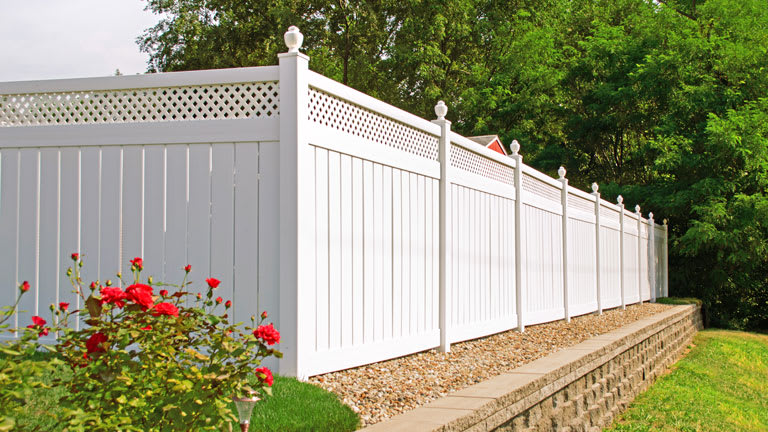
Learn vinyl fence installation costs in Seattle. Discover how local climate, permits, and materials affect your fencing project pricing.
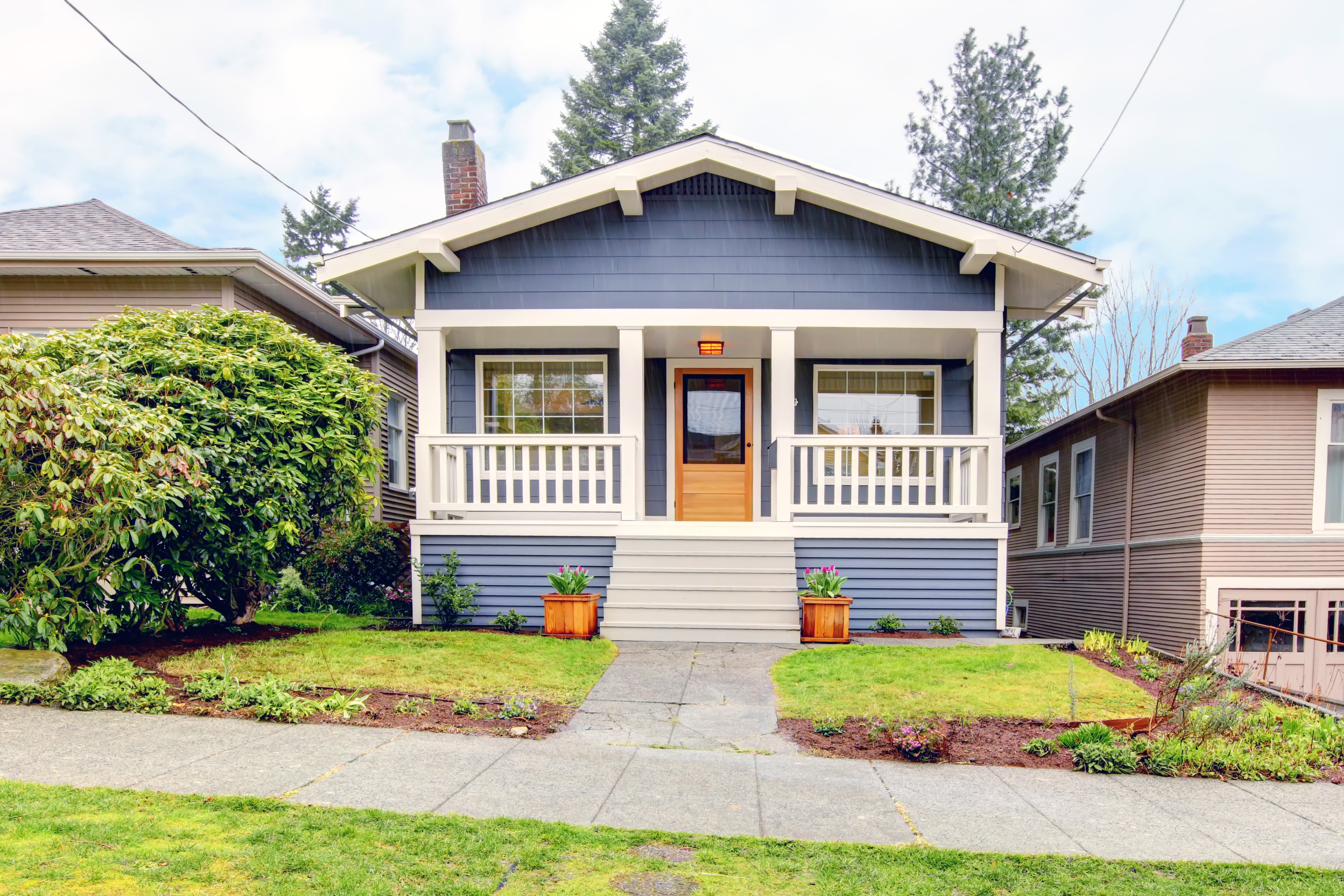
Siding repairs in Seattle vary based on your home and siding material. Use this guide to learn about cost factors, common repairs, and what to expect from pros.

Find out the average vinyl or linoleum flooring cost in Seattle, WA. Learn what you can expect to pay for local installation and plan your budget today.
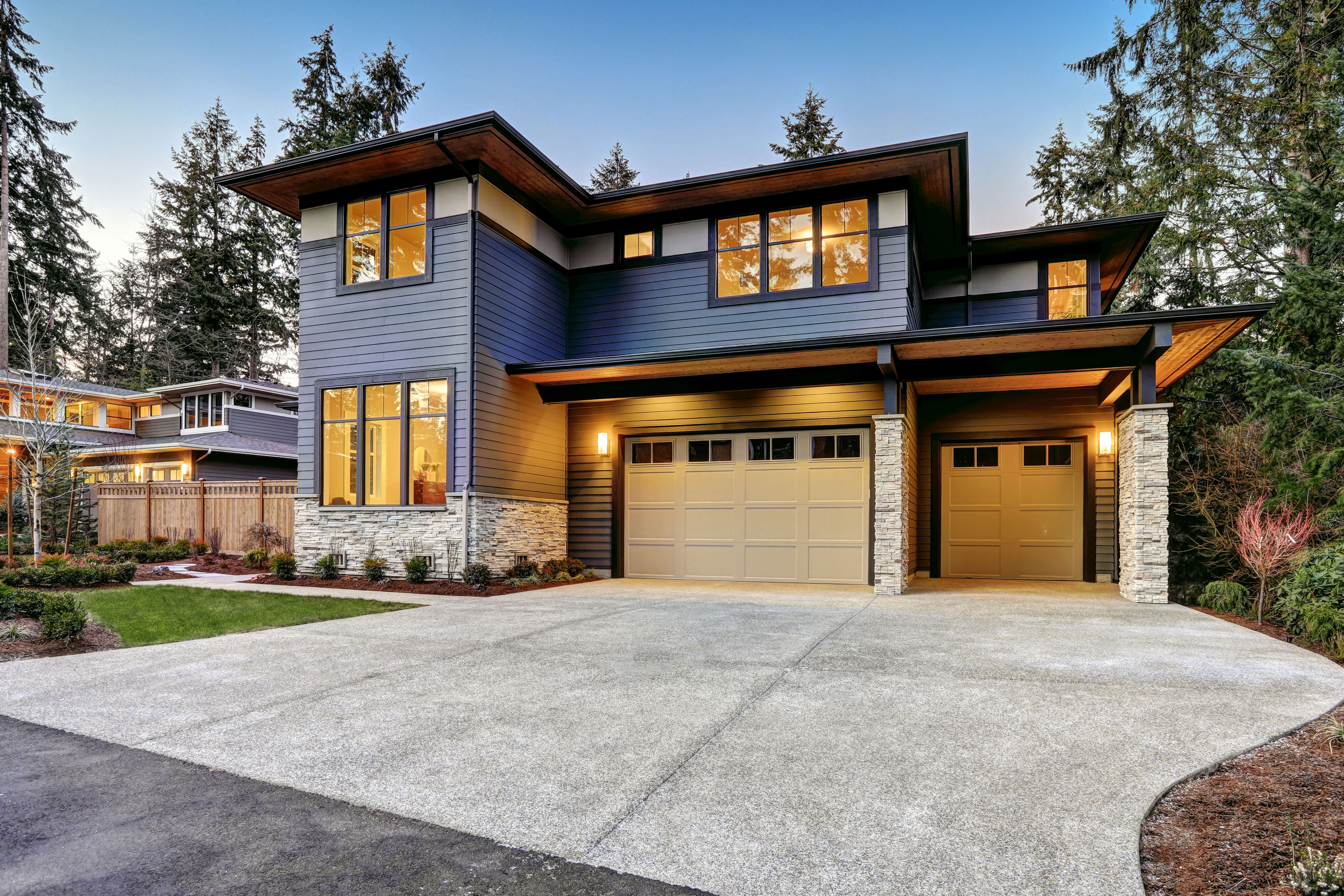
New siding keeps a Seattle home safe from moisture damage and rot while creating a classic Pacific Northwest aesthetic. Learn about average siding replacement costs in Seattle.

The cost to paint a house's exterior in Seattle, WA depends on its size, siding type, and height. The finish and the home's exterior condition also play a role.