

Not sure how much vinyl siding costs? To prepare your budget for an upcoming siding project, read on to learn about average supply and labor costs.
With a little know-how and elbow grease, that vinyl siding will pop right off

Vinyl siding is a popular choice for homeowners because of its low maintenance and affordable nature. However, the material is not as durable as other options, such as wood and brick siding. At some point, vinyl siding will need to be replaced. Knowing how to remove vinyl siding can save you on siding replacement costs. Learn more about removing vinyl siding.
Contact a pro to diagnose any potential damage to your home's siding, as they may be able to identify damage that is difficult to spot.

There are several considerations to keep in mind before embarking on a DIY vinyl siding project. Here are three of the most important ones.
While there are many types of vinyl siding, the panels universally attach to one another through a “strip-and-lip” channel that interlocks. Typically, the strip at the top of the panel is nailed to the exterior base, with the bottom portion locking into the panel below. To remove vinyl siding, unlock each panel from the one above it, working from top to bottom.
Don’t start this project in the rain or in overly hot or cold temperatures. A moderate overcast day with minimal wind is the perfect condition for removing vinyl siding. Vinyl planks are long and lightweight, making them harder to handle in windy weather.
You don’t want to leave your home exposed to the elements for too long. Moisture can lead to mold and other damage. Cover your home in a tarp, or a similar protective material, until you can replace the siding material you removed.

You’ll typically want to set up your ladder and start removing the vinyl siding from the highest point of your home. However, where you start depends on your end goal. If you’re removing a single damaged panel, you should go directly to that panel. If you want a complete vinyl siding removal, start at the top and work your way to the bottom. At the top, watch for trim that may be concealing the nails that hold the vinyl siding in place. Once you remove the trim and dislodge the nails, you may discover that the plank loosens without using the zip tool.
Start at one end of the uppermost panel. Slightly push the tip of the zip tool underneath the vinyl; you should feel the tool attach to the underside of the panel. Once latched, steadily slide the zip tool across the length of the siding; pry upward. For best results, slide the tool about 6 inches, and then pry the panel. Repeat this process for the length of the panel until the piece is completely unattached from the panel below it.
Keep in mind the panel length, which is typically between 10 and 12 feet. Only work within your immediate reach—especially if working on a ladder several feet from the ground. This might mean you’ll have to readjust the ladder a few times, but these brief pauses will keep you safe and your project on track.

Once the top two panels are unlocked, you’ll see the anchoring nails underneath the higher piece of vinyl. Gently lift the loose vinyl and pry the nails from the siding using a flat bar. Drop the nails in the bucket or trash can beside your ladder. Gradually move left to right, making sure all the nails are removed. Otherwise, the panel may not budge, leaving you to hunt down the singular nail before moving on.
The siding will still be hooked to the piece below it even after the nails are removed. Steady yourself on the ladder and place the palms of your hands on the siding with your thumb hooked underneath. Push the siding downward in a slow, steady movement. The pressure should allow the siding to pop free. If you don’t feel a pop, pull the vinyl outward away from the channel holding it together. If the siding still won’t move, you may have missed a nail somewhere along the way. After each vinyl siding panel is detached, place it in a pile for easy disposal later.
Repeat this process until you’ve reached the ground. Then, remove the bottom trim.

Once the vinyl siding is removed, safely dispose of the nails and siding. Hundreds of nails help keep vinyl siding in place, so it’s only natural that you might drop a few in the process. Carefully scan your work space’s perimeter, looking for wayward nails. Loose nails can damage a lawn mower and harm feet. Depending on the amount of removed siding, you may need to schedule a pickup with your trash company or local municipality. If the material is still in good shape, you could consider selling or gifting it.
Siding does more than boost the curb appeal of your home. It increases your energy efficiency. It’s also low maintenance, durable, and affordable. And after stripping your house of its siding, an immediate replacement allows you to keep taking advantage of its many benefits. If you’re looking to explore other house siding options, alternatives to look into include:
Wood: Commonly made from cedar, wood siding can be stained or painted for added versatility. It’s environmentally friendly; however, it’s vulnerable to insects and requires more upkeep than other siding options.
Fiber cement: Fiber cement siding is made from a mixture of cement, sand, and cellulose fibers. Because it’s one of the heaviest—and most durable—materials, it requires professional installation.
Stucco: Similar to fiber cement, stucco siding is also made of cement and sand, but its third ingredient is lime. The material is durable against the weather, but it can crack under pressure as it expands and contracts during temperature changes.
Veneer: The most common types of veneer siding are stone and brick. Both require minimal maintenance, but they are susceptible to moisture issues.
Knowing how to remove vinyl siding can save you money in the long run, but this is one project you might consider skipping. Your time will be the most expensive commodity if you know what you’re doing. Because vinyl siding application requires hundreds of nails, removal does risk damaging the exterior of your home.
If you decide to go with professionals, removal is wrapped into replacement vinyl siding costs, which can range between $6,370 and $18,220. That expense will be even higher if you’re dealing with the cost of insulated vinyl siding. Learning how to install vinyl siding can be daunting, which is why many homeowners choose to hire a local siding company to remove and install the material.
The guys at PaveWay are top notch. From the estimate to the job being completed,all was done in a timely and professional manner. I myself was a DOT Engineer Inspector(know what to look for) and got to talking with Cameron and he himself was a Contract inspector for a few years,same job as...
 All Star Paving and Sealing
I highly recommend KTM construction! I will look no where else for anything that needs to be done, in or out side of our property. The level of craftsmanship is 5 star service across the board! The level of detail, knowledge and professionalism is 5 star service across the board! Ken is a...
 KTM Construction, LLC
I purchased the "Big Deal": $199.00 for exterior pressure-washing of one- or two-story home up to 2,000 square feet. They cleaned the siding only. I wasn't aware when I bought the Big Deal that they would not do any other surfaces other than the siding (i.e. sides of the gutters or stucco). I...
 Complete Home Services
This brownstone is historical and the carpentry work is very detailed. I was very happy to secure a company in NY and living in OH to complete the request. Wood work on this brownstone has been existing since approximately 1888 and West side did a GREAT JOB. I will not be able to...
 Westside Home Improvement
Nice group of workers, very friendly. Day 1 covered everything before starting, seemed very organized. Things seemed to be going great. Day 2 they didn't show up until around 10:00a.m. and work crew was cut in half, was told they had another job. Day 3 they didn't show up until around...
 CertaPro Painters of Columbus
The work went great! Couldn't ask for better. Joel set a work start date. About the time of the storms that may have been associated with Sandy. He was half a day late. They set up on a Thursday. On Friday they had a full crew at work. By Monday they were finishing up. Now, the best...
 NJW Construction
A few months ago, a tree branch fell across my car, leaving a series of dents across the hood and driver's side fender. I took it to Rife's after reading the Angie's List reviews. Rife's did a great job! My car looks like new. And they made the process as easy as possible. When I came in...
 Rife's Autobody Inc
I received an email from Angie's List offering Car Detailing 4 U's services for $99. Coming from Angie's List, I expected this to be a highly dependable and qualified company that was known for doing exceptional work. I set the appointment for them to come to my home. They were arrive at...
We first had Mark fix the back patio and liked his work so much we had him make a brick patio on the side of the house. When we decided to change our concrete walkway to brick, we wanted Mark to do the job because his prices were fair and he did such good work on t he other two projects.
 Mark Monnette Masonry
I was very pleased with the cost and end result. I truly expected this job to cost me 50% more than it did. When you factor quality and cost, I would highly recommend Mark's services and plan to use him in the future. The best part was, I asked Mark to match the paint color in one section...
 Fresh Touch Custom Painting Inc.
From average costs to expert advice, get all the answers you need to get your job done.
Not sure how much vinyl siding costs? To prepare your budget for an upcoming siding project, read on to learn about average supply and labor costs.

Love the rustic look of log cabins but want a more durable siding? Use this vinyl log siding cost guide to see if this is a good alternative for your home.
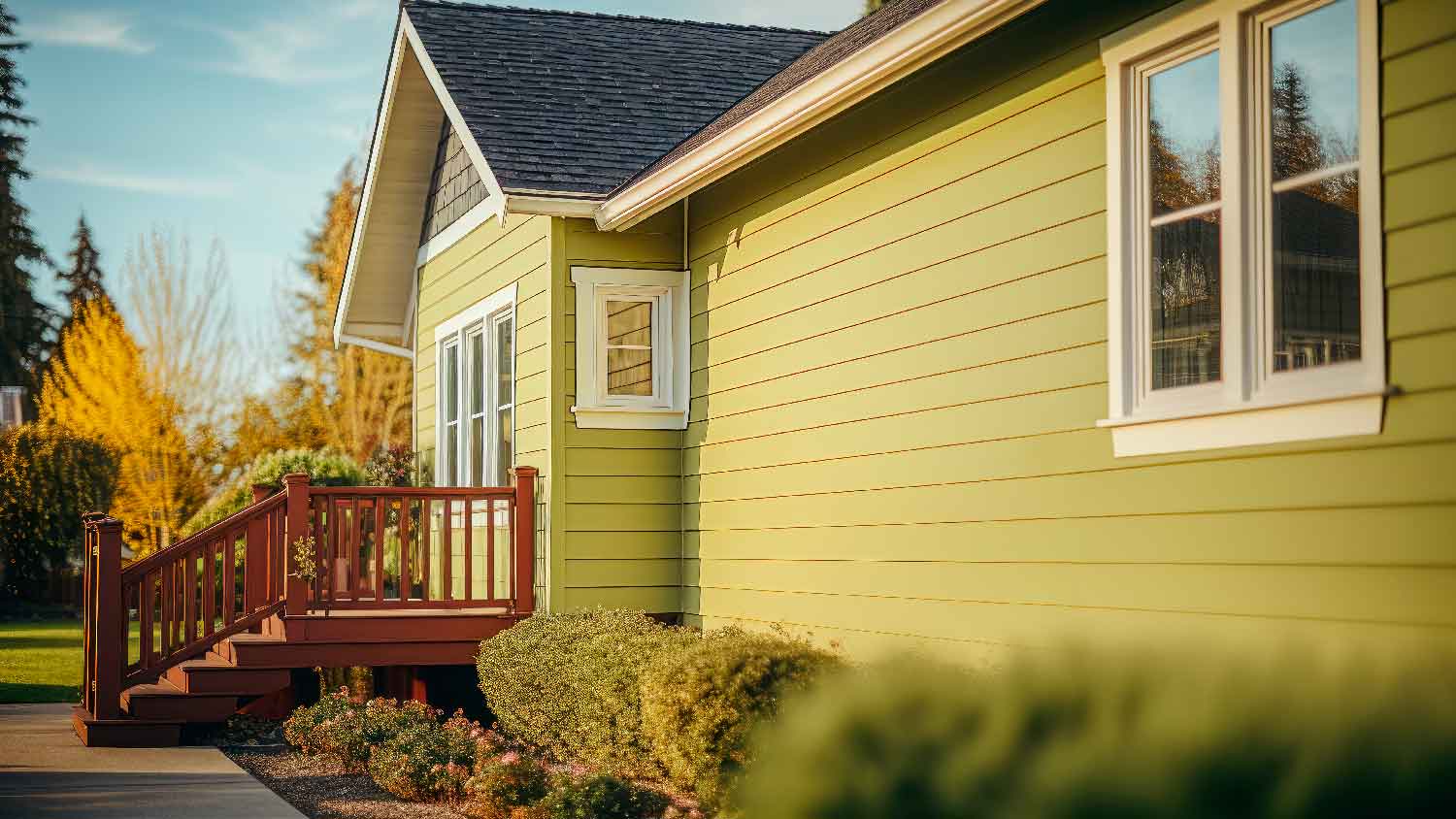
Insulated vinyl siding costs are about double traditional vinyl siding—but the energy savings are more than worth the investment. Learn more in our guide.
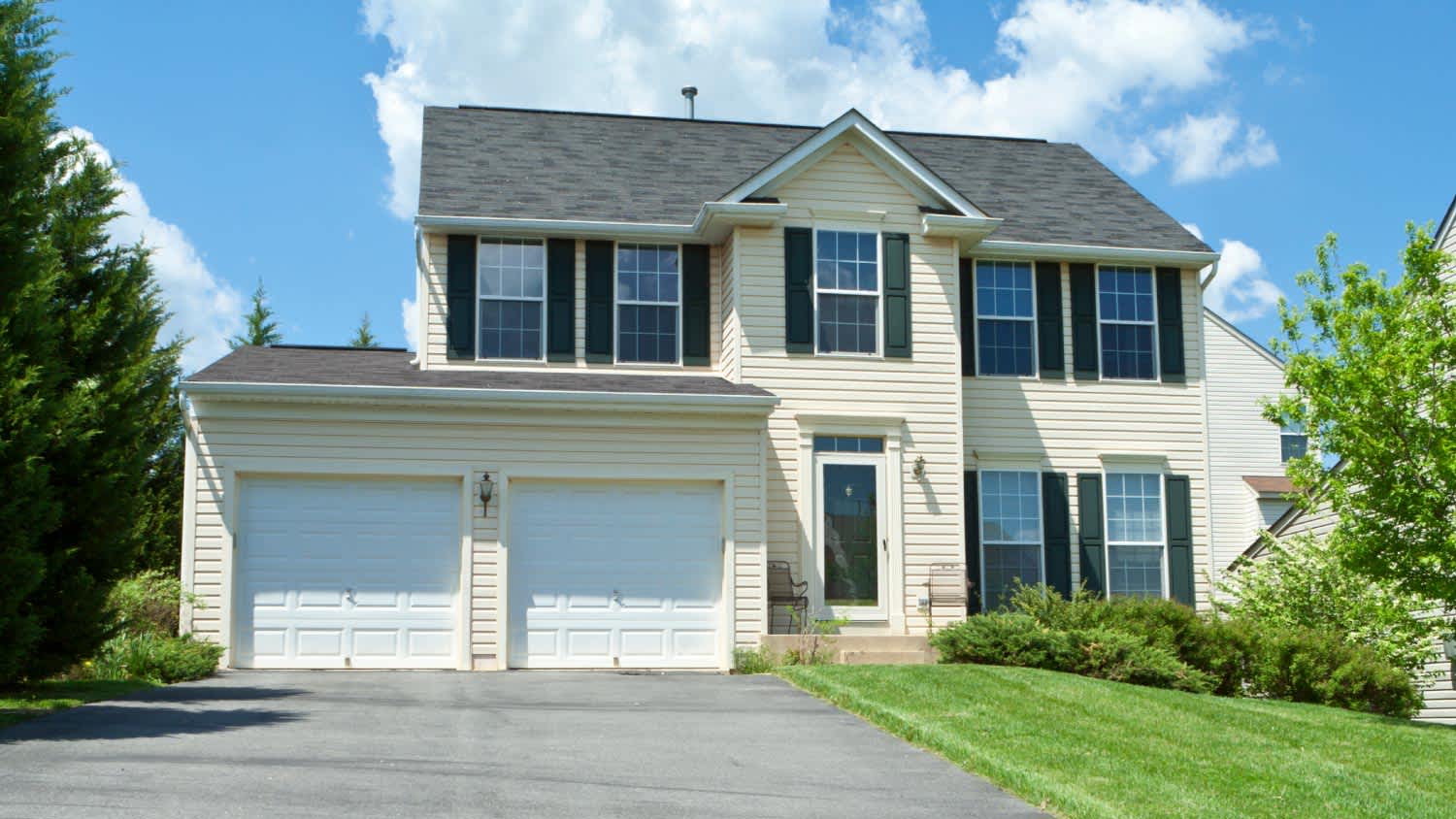
Want to learn how to install vinyl siding on a house? Keep reading for insight into the whole process from start to finish.
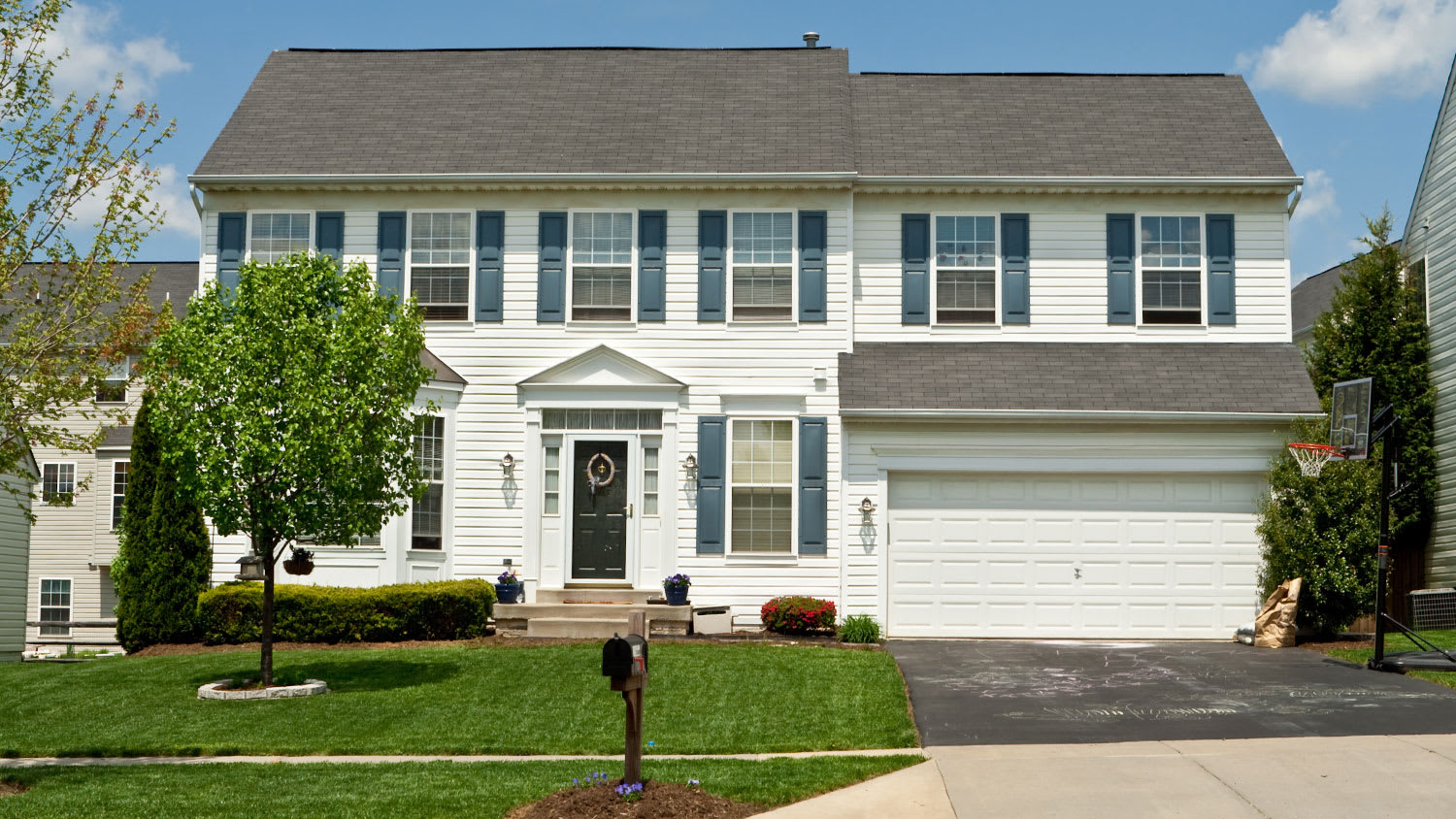
Regularly cleaning vinyl siding helps your house look better and last longer. Find out how you can tackle this DIY project on your own.
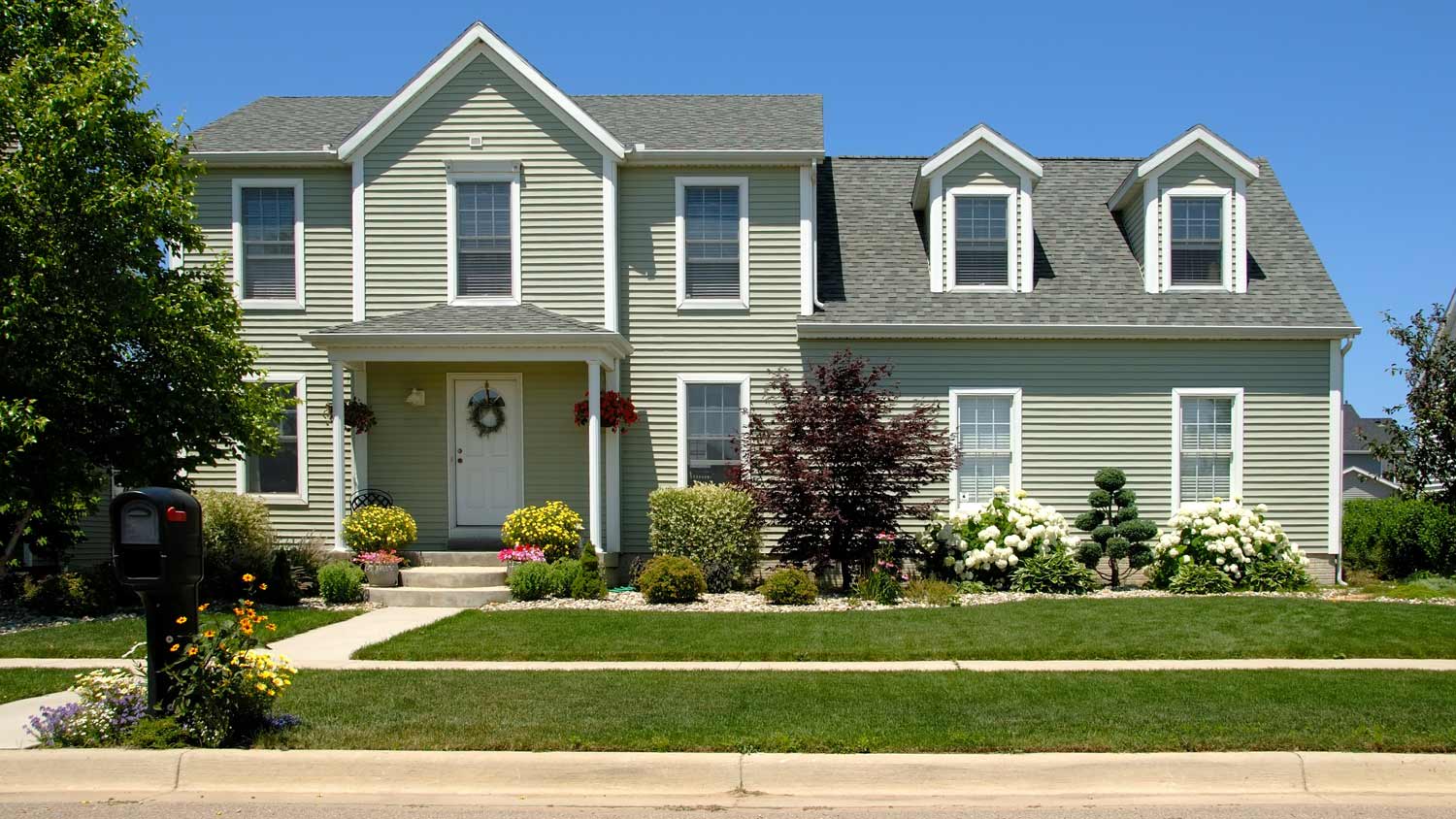
Save money and maintain your home’s structure by learning how to repair vinyl siding in minutes with this handy DIY guide.