

Spool pool costs vary based on the design and materials, but they’re relatively affordable and space-saving compared to traditional pools. Here’s a cost breakdown.
Pool construction and installation costs depend on your project and location. Check with a local pro for your specific job.

Fiberglass pool installation costs between $25,065 and $48,995 on average, with your pool size and placement determining your final project total.
Inground fiberglass pools cost 30% to 50% more than aboveground installations because excavation adds significant labor to your project.
Budget for pool excavation, building permits, decking, fencing, and landscaping when you create your complete installation budget.
Hiring a local inground pool company ensures the project is done safely and keeps the household secure during construction.
In 2026, the national average cost to install a fiberglass pool is $33,270, based on 1,467 verified projects from Angi Pros. Most homeowners pay between $25,065 and $48,995, with pool size, shape, and add-ons such as diving boards, temperature controls, and waterfall features driving the spread. Smaller rectangular pools land on the lower end, while larger custom designs with premium features push costs higher.
Fiberglass pools come in a wide range of designs to suit different preferences, budgets, and yard sizes. The type you choose — whether above-ground, inground, lap, or plunge — is one of the biggest factors in your total installation cost. Here is a breakdown of what each pool type typically costs:
| Pool Type | Cost Range in 2026 |
|---|---|
| Above-Ground | $20,000–$75,000 |
| Inground | $40,000–$100,000 |
| Lap | $30,000–$65,000 |
| Saltwater | $20,000–$60,000 |
| Infinity | $40,000–$70,000 |
| Zero-Entry | $30,000–$75,000 |
| Plunge | $15,000–$40,000 |
Above-ground fiberglass pools cost $20,000 to $75,000 to install, with the higher price driven by the structural support required to keep the shell level and crack-free. Because these pools sit at least partially above grade, installers must build a support structure around the shell. That added labor and materials account for the bulk of the cost difference compared to simpler pool configurations.
Inground fiberglass pools cost $40,000 to $100,000 to install, with excavation being the primary cost driver. These pools are prefabricated, one-piece shells that a local inground pool contractor sets into a pre-dug hole, and they feature a smooth gel coat finish that goes in quickly. The excavation required to prepare the site adds significant labor expense, pushing inground installations higher than other fiberglass pool types.
A fiberglass lap pool costs $30,000 to $65,000 on average, making it a mid-range option among fiberglass pool types. Lap pools are long, narrow rectangular pools designed specifically for swimming laps, typically measuring 40 feet by eight feet. Their slim footprint makes them a practical choice for homeowners with smaller properties who still want a full swimming experience.
A fiberglass saltwater pool costs $20,000 to $60,000 to install, placing it among the more affordable fiberglass pool options. These pools use salt rather than chlorine to keep the water clean, which reduces the need for chemical purchases over time. Fiberglass is an especially good match for saltwater systems because the material resists salt damage, making this combination a low-maintenance, long-lasting setup.
A fiberglass infinity pool costs $40,000 to $70,000 on average to install, reflecting the premium that comes with non-rectangular swimming pool shapes. An infinity pool features one exposed side designed to create the visual illusion of water extending toward the horizon or surrounding landscape. The design complexity and additional engineering required to achieve that effect drive costs above standard rectangular pool installations.
A zero-entry pool costs $30,000 to $75,000 to install, with the wide range reflecting differences in size and design complexity. This pool type features a gradual slope from the shallowest end, allowing you to walk in without using ladders or steps. That accessibility makes zero-entry pools a popular choice for families with young children or homeowners who want a more resort-style experience.
A fiberglass plunge pool costs $15,000 to $40,000 on average, making it the most affordable fiberglass pool type. Plunge pools are not designed for lap swimming — they typically measure six by 12 feet wide and four to six feet deep, built for cooling off rather than exercise. Their compact footprint makes them an ideal fit for smaller properties where a full-size pool simply would not fit.
Pool size is one of the most direct cost drivers in a fiberglass pool installation, with materials running about $800 per linear foot and the total rising to about $1,200 per linear foot once labor is included. Larger pools require more shell material, more excavation, and more installation time, all of which add to the final bill. The table below shows average installed costs by pool size:
| Pool Size (feet) | Average Cost in 2026 |
|---|---|
| 10x20 | $26,000 |
| 12x20 | $32,500 |
| 15x30 | $48,500 |
| 16x32 | $51,500 |
| 16x40 | $58,500 |
| 20x40 | $62,500 |
Fiberglass pool materials cost $5,000 to $55,000 in total, with the shell itself being the largest line item at $4,500 to $30,000. The pump and filtration system adds $1,200 to $4,500, while backfill gravel runs about $1 to $3 per square foot. Filling the pool with water for a standard 15,000- to 30,000-gallon pool costs about $60 to $120, a modest but necessary final expense:
| Fiberglass Pool Materials | Average Cost in 2026 |
|---|---|
| Shell | $4,500–$30,000 |
| Pump and Filtration System | $1,200–$4,500 |
| Backfill Gravel | $1–$3 per square foot |
| Water | $60–$120 |
Professional labor is a major cost in any fiberglass pool installation, running about $5.50 per square foot or $10,000 to $20,000 in total. Most companies quote based on a five-person crew working 160 labor hours, so the scope of your project directly affects where you land in that range. Make labor costs one of the first questions to ask your pool contractor during the planning stages, so there are no surprises in your final quote.
Labor and material costs for fiberglass pool installation vary significantly from state to state, and your location can shift your total well above or below the national average. Warmer states with competitive local markets tend to keep prices more moderate, while the Midwest and Northeast often see higher costs due to climate challenges, permitting requirements, and local labor rates. The table below shows average installation costs by state:
| State | Average Fiberglass Pool in 2026 |
|---|---|
| Florida | $50,000–$95,000 |
| California | $45,000–$85,000 |
| Arizona | $30,000–$60,000 |
| Texas | $50,000–$85,000 |
| North Carolina | $50,000–$75,000 |
| Indiana | $55,000–$85,000 |
| Pennsylvania | $45,000–$90,000 |
| Ohio | $65,000–$90,000 |
| New York | $55,000–$85,000 |
| New Jersey | $50,000–$90,000 |
Beyond the base installation price, most fiberglass pool projects involve additional costs that can add up quickly. Excavation, permits, decking, fencing, and landscaping are common expenses that homeowners often underestimate when building their initial budget. Planning for these costs upfront helps you avoid surprises once the project is underway.
Pool excavation cost averages $3,200, though the range runs from $400 for small sites with soft, workable soil to $20,000 for larger or more difficult excavations. Soil type, site accessibility, and pool size all influence where your excavation cost lands. Getting a site assessment before finalizing your pool plans helps you budget accurately for this step.
Pool installation permits typically cost $100 to $300, making them one of the smaller line items in your overall budget. If you are also adding a patio or deck, plan for additional permits at $100 to $500 per project. Permit requirements vary by municipality, so check with your local building department early to avoid delays.
Pool decking costs $3,000 to $12,000 overall, with size being the primary cost factor. A smaller deck between 300 and 600 square feet runs $1,000 to $5,000, while a midsized deck from 600 to 900 square feet costs $3,000 to $8,000. If you want a wraparound deck at 900 square feet or more, budget $7,000 to $12,000 for that upgrade.
Pool fences cost $1,500 to $10,000, with pool size and fence type being the primary cost factors. Most fencing runs $15 to $25 per linear foot, so you can estimate your total by measuring the perimeter of your pool area. A fence is a practical safety measure that keeps unattended children and pets away from the water.
Landscaping around your fiberglass pool typically costs $3,000 to $5,000, or $4 to $12 per square foot, depending on the scope of work. You can go as simple as native plantings to frame the space or as elaborate as a lush, layered garden that transforms the pool area into a backyard retreat. The style and square footage of your landscaping plan will determine where your costs land within that range.
Owning a fiberglass pool comes with ongoing costs beyond the initial installation, including regular maintenance, seasonal operating expenses, and occasional repairs. Budgeting for these annual costs helps you avoid being caught off guard once the pool is up and running. Here is a breakdown of what to expect each year:
| Type of Ongoing Cost | Average Amount Per Year in 2026 |
|---|---|
| Maintenance | $600–$1,200 |
| Operating costs | $450–$700 |
| Repairs | $300–$6,500 |
Maintenance: Expect to spend $600 to $1,200 per year for cleaning.
Operating costs: Opening a pool costs $300 to $400, while closing a pool for the winter costs $150 to $300. Aside from cleaning costs, opening your pool at the start of the season and closing it for winter help keep equipment in good condition.
Repairs: Fiberglass pool repairs cost about $300 to fill small cracks or fix fading colors, to about $6,500 to refinish the fiberglass shell. Repainting costs around $800.
Fiberglass pool add-ons range from $100 to $22,000 in total, with most individual accessories costing up to $3,800 each. Popular upgrades include diving boards, slides, waterfall features, and heaters or pool chillers that extend your swimming season. For safety and everyday functionality, lighting, handrails, and ladders are worth adding to your installation plan:
| Pool Add-On | Cost Range in 2026 |
|---|---|
| Lights | $700–$1,800 |
| Rails | $100–$500 |
| Ladders | $100–$2,000 |
| Heating and Cooling Pumps | $2,100–$4,500 |
| Covers | $760–$2,500 |
| Diving Boards | $500–$2,000 |
| Slides | $100–$10,000 |
| Waterfalls | $200–$6,000 |

Installing a fiberglass pool requires skill and expertise, as well as permits and heavy equipment. While a DIY approach might seem doable, errors can lead to leaks, cracks, and voiding the warranty. A licensed pool installer will ensure your pool is properly placed and safely connected.
A fiberglass pool shell must be set perfectly level and be fully supported. Here's why hiring a pro matters:
Pool installers possess the necessary machinery and expertise to excavate, set, and level the shell without causing damage.
They safely handle plumbing and electrical hookups, ensuring everything passes inspection.
Pros know how to backfill correctly so the pool doesn't settle or bulge over time.
DIY mistakes can lead to structural damage or void the manufacturer's warranty.
Licensed contractors manage all required permits and inspections.
Reputable installers carry insurance, offer workmanship warranties, and finish the job efficiently.
If you want to stay involved in the installation and potentially save some money, here are safe ways to contribute:
Clear and level the area before the excavation crew arrives.
Remove fencing or landscaping that blocks equipment access.
Paint or stain the decking and fencing yourself after the installation is complete.
Handle light finishing work, such as pavers, planters, or furniture setup.
Work with your installer to plan where you'll add lighting or water features later.

Installing a fiberglass pool can be a significant upfront investment, but there are ways to save money on the project.
The smaller the fiberglass pool, the lower the cost. If you are more into soaking than swimming or diving, you may opt for a small plunge pool that is only a few feet deep and starts around $15,000 for materials and labor.
Manufacturing and installing custom fiberglass pools or those with curvy perimeters cost more than simple rectangular pools. Save by installing a square or rectangular pool if your landscape allows for it.
You will save more on your pool if you can do without all the bells and whistles. Consider adding just enough ladders and lights to make swimming feel safe at any time, day or night. Or instead of buying expensive extras like a separate hot tub, try adding less expensive add-ons like a heat pump for a similar effect at a lower cost.
The best time of year to buy pools and pool equipment is usually fall and winter, when peak swimming season is long gone. You will usually be able to find off-season sales, whether you want to purchase an entire pool or just save on extras like diving boards and lighting.
Fiberglass pools can be a smart investment for homeowners who want a low-maintenance, long-lasting swimming pool. Unlike concrete pools that require resurfacing and more frequent chemical balancing or vinyl liner pools that need regular liner changes and are easier to damage, fiberglass pools have a smooth, non-porous, hard surface that resists algae growth and stands up to a lot of use.
While they have some downsides, like being more expensive upfront than vinyl liner pools or having limited customization options due to being pre-formed, the upsides can outweigh the cons. Most homeowners find that the reduced maintenance costs and long lifespan make fiberglass pools a smart choice in the long run.
Ask whether the pool shell and installation come with a combined warranty.
Discuss drainage, backfill materials, and electrical hookups early in the process.
Plan your deck and surrounding landscaping layout before excavation begins.
Discuss with your installer any extras you may be interested in, such as heating, lighting, or a tanning ledge.
Home is the most important place on earth, which is why Angi has helped more than 150 million homeowners transform their houses into homes they adore. To help homeowners with their next project, Angi provides readers with the most accurate cost data and upholds strict editorial standards. We survey real Angi customers about their project costs to develop the pricing data you see, so you can make the best decisions for you and your home. We pair this data with research from reputable sources, including the U.S. Bureau of Labor Statistics, academic journals, market studies, and interviews with industry experts—all to ensure our prices reflect real-world projects.
Want to help us improve our cost data? Send us a recent project quote to [email protected]. Quotes and personal information will not be shared publicly.
If you’re good people wanting to do business with good people, hire Matt. He is a consummate professional and utterly competent. He installed a water heater in my home at a price that beat competitors by hundreds of dollars with a promise to support the unit for its life (even after its 6 yr...
 Greene's Plumbing Services
Joseph did a great job with the staircase and trim. Timely and efficient, clear communication about the work, very fair pricing. For the stairs in particular, done very skillfully in an old house (1893) in a tight spiral, and very creative with how to do the handrail. Did a nice job with...
 Vouis Trim Carpentry L.L.C.
This company does it right. Firstly, I want to say that Landan was a joy to work with. He was so kind, transparent, and had everything under control. His entire team showed up ready to work and they were all very respectful of the fact that we were in an office space. A little backstory – we...
 Krumlauf Floors
Professional Team, smooth to communication chain and schedule flexibility. Follows proper construction procedure and completes task on time.
 Pegasus Concrete
Very professional, knowledgeable and helpful! Completed the install on time and as expected.
 Ward's Services
Cole has been handling plumbing and general contracting for our four properties over the past three years, and he’s always done a great job. Most recently, he installed a sink and countertop in our retail store where none existed before, and it turned out exactly how we needed. He’s...
 ANB Renovations LLC
Excellent, Prompt, Courteous Service!!! They were super friendly and quite personable. I felt very comfortable with the gentlemen that did the installation. They installed it exactly where I asked them to and they did an excellent job!! I loved their service so much.
 Tether House
I hired windows depot USA of central to install new windows in house in Oshawa. Ilya was very professional from the start, not only did he offered a great price, he also made sure the installation was on time. I am very satisfied with final outcome. The windows look great and the overall...
 Window Depot USA of Central Ohio
The guys did an outstanding job and we had a great experience with CarifaTile. I appreciated that Joe reviewed the quotes with me and set expectations prior to the install. The crews showed up as scheduled and always left the areas clean upon leaving the house. We will definitely use...
 CarifaTile
Did an amazing job transforming my yard. Also installed sod in places, would recommend to everyone.
 Cardinal Landscaping & Construction LLC
From average costs to expert advice, get all the answers you need to get your job done.
Spool pool costs vary based on the design and materials, but they’re relatively affordable and space-saving compared to traditional pools. Here’s a cost breakdown.
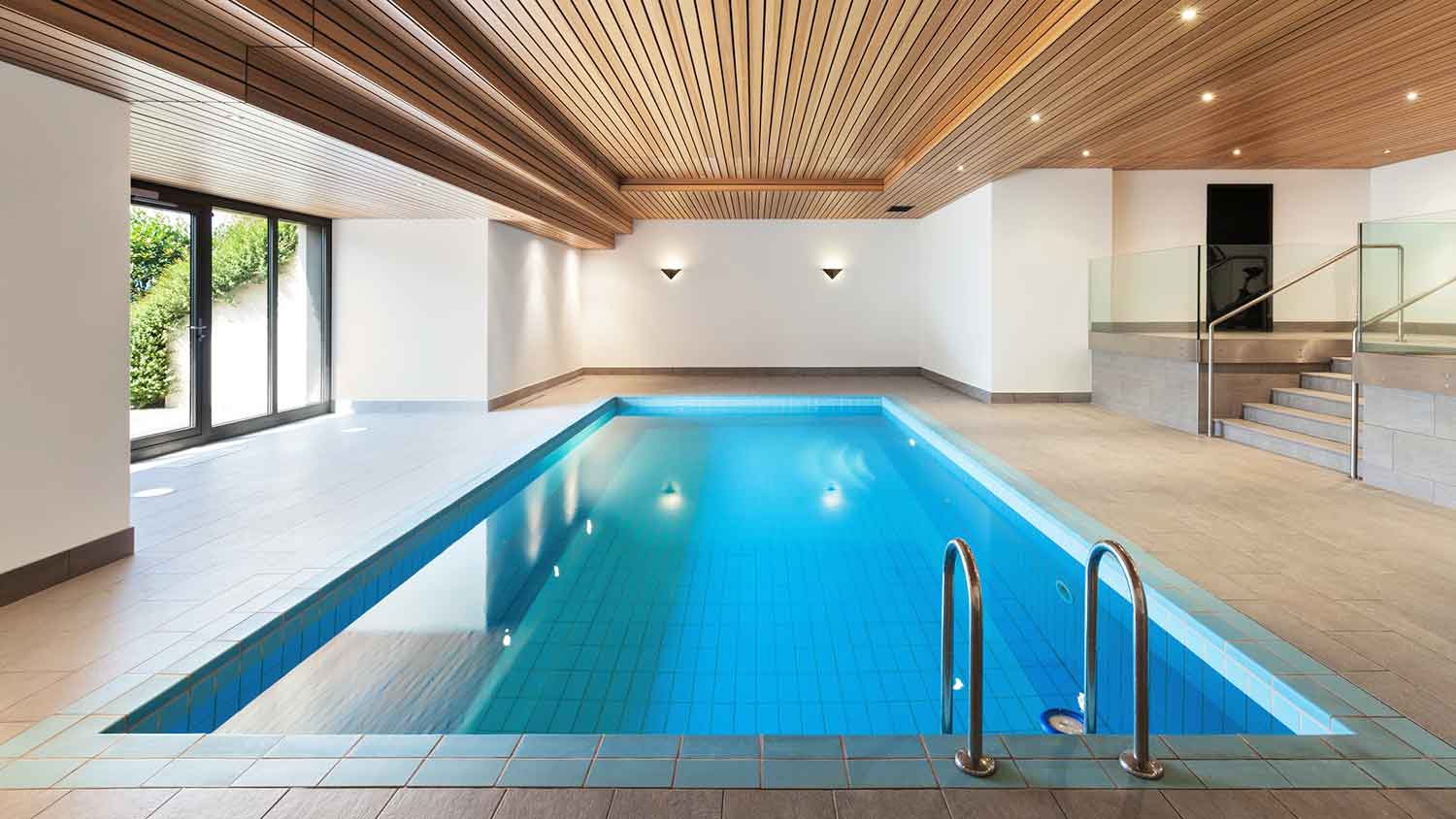
Many factors affect indoor pool costs. From different types and shapes to installation and maintenance, here’s what to consider when pricing out your project.
Keep pool-side dreams from getting short-circuited by being aware of pool electrical installation costs and how they can affect your overall budget.
Gunite pools are more expensive, but they last longer and can be customized. Learn about gunite vs fiberglass pools in this complete guide.

Installing a pool is a big undertaking. Before you start your project, here are some important questions to ask your fiberglass pool installer.
Fiberglass pools versus vinyl pools—what’s the best choice? Compare cost, maintenance, durability, and customization to find the perfect pool for your backyard.