


The cost to move a 4-bedroom house depends on home size, distance, and whether you hire movers. Learn the necessary costs before moving long distance.
Hiring movers usually costs anywhere between $880 and $2,563 or more. The national average is $1,708.


Local moves typically cost $250 to $3,500 depending on home size and number of movers.
Long-distance moves range $2,700 to $10,000 or more based on distance, weight, and services selected.
Movers charge hourly rates of $30 to $400 depending on the number of movers and location.
Packing services cost $280 to $2,200, including boxes, tape, and padding.
Specialty items such as pianos, pool tables, hot tubs, and cars cost $260 to $2,000+ depending on the item.
If you’re planning to relocate, you’re probably wondering how much movers cost. Distance has a major impact on moving prices, with local moves costing between $880 and $2,563. Long-distance moves can cost anywhere from $2,700 to $10,000 or more. Other factors affecting the price include house size, truck rentals, and services like packing and furniture disassembly.
A local move within a 100-mile radius typically costs $1,708 on average, or between $880 and $2,563. In most cases, you’ll be staying within state lines and driving for two hours or less. Moving from Chicago to Detroit, for example, is around 285 miles and roughly five hours of driving, so this wouldn’t be considered a local move.
I had a challenging move with an oversized sofa and large art pieces. The movers arrived well-prepared with specialized equipment, including a heavy-duty dolly and protective covers for the artwork. They expertly handled every challenge, ensuring everything was transported smoothly without any damage to my property or belongings.
How much do movers cost per hour? Movers charge around $80 per hour for each mover, though the price varies widely based on location. The guide below provides an estimate:
| Movers | Cost per Hour |
|---|---|
| 1 | $30–$100 |
| 2 | $60–$200 |
| 3 | $90–$300 |
| 4 | $120–$400 |
The size of your home is a good base for determining your local moving cost. Below are some estimates based on home size and include two to three movers:
| Home Size | Average Cost |
|---|---|
| 1 bedroom | $250–$700 |
| 2 bedroom | $500–$1,200 |
| 3 bedroom | $900–$2,000 |
| 4 bedroom | $1,200–$3,500 |
| 5 bedroom | $3,000–$4,000 |
How much do moving companies charge for packing services? Expect to pay around $1,000 on average, with a range of $280 to $2,200 depending on home size and number of belongings. Packing service costs include materials like boxes, tape, and padding.
Professional movers will typically come up with a custom quote based on the total square footage and the number of rooms. Keep in mind that packing and unpacking services aren’t automatically included in local moves, so be sure to specify this add-on when making your reservation.
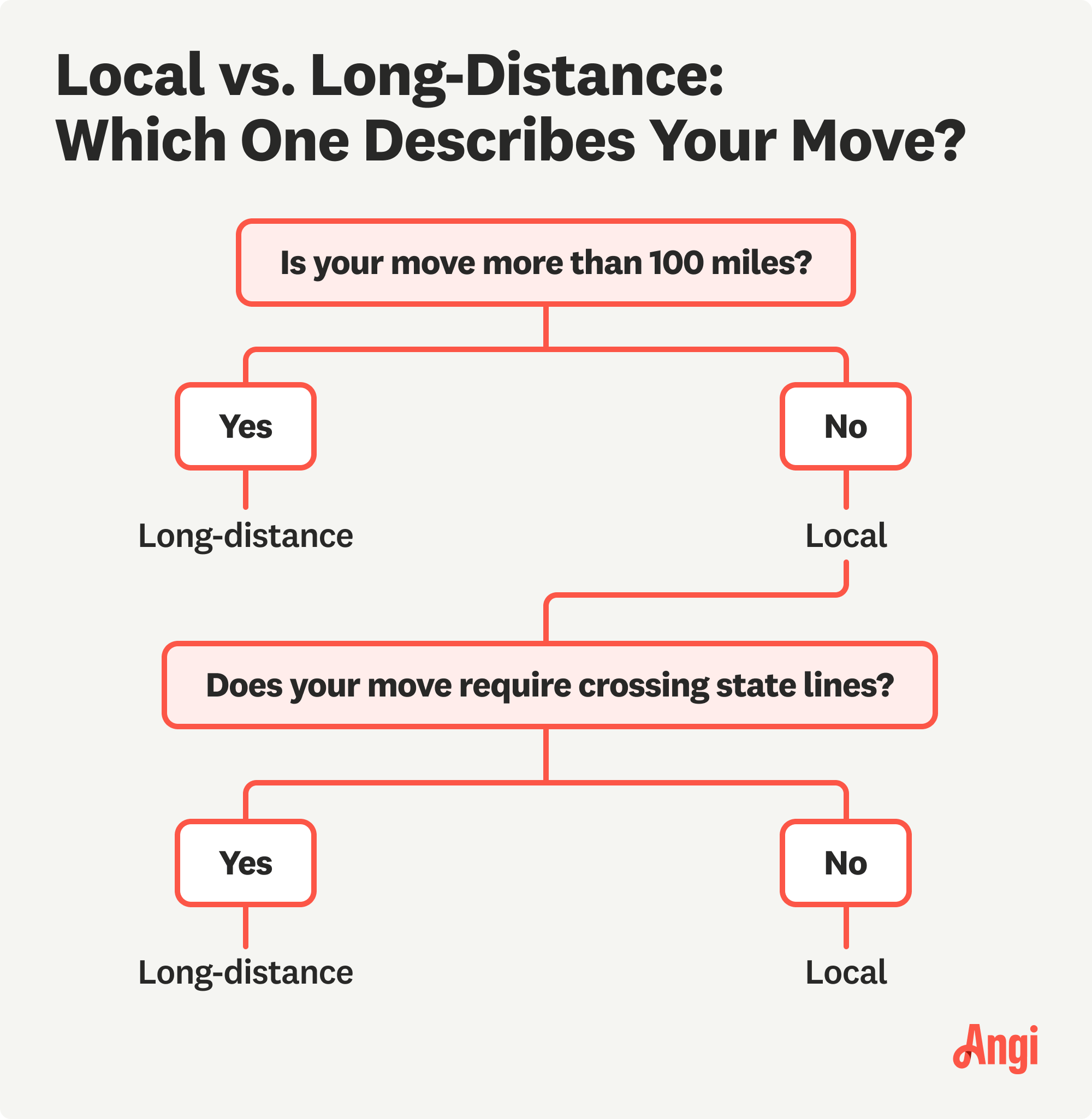
The average cost of movers for relocations spanning over 100 miles, also known as long-distance moving, is anywhere from $2,700 to $10,000 overall. Final costs depend on the size of the load and the distance traveled, plus any moving add-ons you choose.

One primary factor affecting the cost for long-distance moves is the mileage traveled. Naturally, further distances equate to higher prices.
| Mileage | 1–2 Bedrooms | 3–5 Bedrooms |
|---|---|---|
| 250 | $700–$2,500 | $2,000–$6,000 |
| 500 | $1,000–$3,000 | $3,500–$7,500 |
| 1,000 | $1,400–$3,500 | $4,000–$8,000 |
| 2,000+ | $2,000–$6,000 | $6,500–$9,000+ |
The size of your home (by number of bedrooms) plays a major role in the cost to hire movers for a long-distance move.
| Number of Bedrooms | Pounds | Average Cost |
|---|---|---|
| 1 | 2,000 | $700–$3,000 |
| 2 | 5,000 | $1,000–$6,000 |
| 3 | 9,000 | $1,400–$8,000 |
| 4 | 12,000 | $1,800–$10,000 |
| 5 | 15,000 | $3,000–$12,000 |
| 6 | 18,000 | $4,000–$15,000 |
Most moving companies will base the cost of your long-distance move on the weight of your household goods, and, no surprise, the heavier the load, the more you can expect to pay. Professional movers charge between $0.50 to $0.80 per pound.
Origin weighing: Movers weigh the moving vehicle before and after loading items to determine the net weight.
Destination weighing: Movers weigh the moving vehicle upon arrival, unload your items, and then weigh the empty truck.
Some moving companies determine the total cost by adding up the individual services they perform on moving day. Here’s what you can expect each service to cost.
Professional cleaning service: $30–$100 per hour or $200–$500 for move-out cleaning
Packing supplies: $2–$20 each
Renting a moving truck: $30–$3,500
Loading and unloading service: $45–$80 per hour
Packing and unpacking service: $280–$2,200
Furniture disassembly: $50–$150 per hour
Shipping: $800–$3,000
Moving insurance: $0.60 per pound
Many factors impact the cost of moving, and some may even make your relocation cost more or less than expected.
Ease of access: Any obstructions in your home that cause inconveniences to the movers, slow down the process, or require more hands will increase the overall price, often by $200 to $500. Obstructions might include narrow staircases, lack of elevators in a tall building, and more.
Moving date: Moving during peak season, May to September, will cost more due to the extra demand. Moving during the winter, known as the off-season, is less expensive when considering moving company rates.
Tipping movers: Tipping your movers at least 10% and up to 20% of your final bill is strongly encouraged, particularly if you’re working with local movers.
Extra stops: Additional stops will add extra fees for mileage and service.
Permits and fees: You may need to purchase a moving permit to temporarily park your moving vehicle, costing $10 to $80, depending on the area.
Storage: You might need to rent a temporary storage unit while moving, which can cost $20 to $450 per month.
Moving insurance: Meant to protect your items, moving insurance can cost anywhere from $35 to $10,000, depending on which type you choose.
Certain items will be charged extra on top of your base moving expenses if they require special handling or packaging. Below are price estimates for moving cars, pianos, pool tables, and more.
| Items | Average Moving Cost |
|---|---|
| Piano | $260–$580 |
| Pool table | $375–$1,500 |
| Hot tub | $300–$1,200 |
| Small boat | $2.50 per mile |
| Car | $1,000–$2,000 |
| Motorcycle | $200–$2,000 |
| Cat or small dog | $300 via plane |
| Other pet relocation | $1,000* |
| Aquarium (small) | $50–$100 |
| Aquarium (large) | $300+ |
| Gun safe | $200–$525 |
| Standard safe | $175–$500 |
| Wine collection | $10 per case |
*For the first pet; if you have more than one pet, you’ll pay $200 to $300 per additional pet.
Renting a truck or van costs anywhere from $20 to $100 per day, depending on the size of the vehicle. Many local moving companies include a standard van as part of the package, with larger vehicles costing extra.
| House Size | Truck Size | Average Cost per Day |
|---|---|---|
| 1 bedroom | 10–12 feet | $20–$30 |
| 2-3 bedrooms | 14–20 feet | $30–$80 |
| 4+ bedrooms | 22–26 feet | $40–$130 |
Some moving services will charge separately for fuel costs. Per-mile pricing fluctuates based on fuel prices in your area and the moving company’s policies. For example, U-Haul charges a local move price of $0.99 per mile.
If your movers encounter any road tolls or parking fees, they’ll add these costs to your bill. Consider alternate routes beforehand to avoid these additional costs.
Hiring local professional movers costs more upfront, but you benefit from faster relocation, less risk of damage to your belongings, and a smoother moving experience. Pros bring specialized equipment and experience, making the process easier and often saving you money on potential repairs or replacements.
Moving is a complex project that requires careful planning and expertise. Here are some of the top reasons to work with pros:
Movers ensure your furniture, electronics, and fragile items aren’t damaged during the move.
They have the tools, vehicles, and packing materials needed to move items safely and efficiently.
Working with pros ensures your move is completed on schedule and without costly mistakes.
Bundling moving with packing or unpacking services can save time and reduce overall stress.
If you want to take on parts of the move yourself, here are a few DIY tasks that can help save time and labor costs:
Clear out clutter and donate or discard items you don’t want to bring with you.
Pack non-fragile items like clothing, books, or seasonal items in advance.
Disassemble furniture and label parts to make the moving process smoother for professionals.
Moving can get expensive, but there are several ways to cut costs. Here are some tips to lower your moving budget:
Declutter: Pare down your belongings beforehand to move as few items as possible and start fresh in your new home.
Sell unwanted items: Consider selling furniture and other large items on local secondary marketplaces. On top of saving money by moving fewer items, you can earn extra cash to put toward your moving budget.
Get started early: The more time you allow yourself to prepare, the more likely you are to sell your items for the best price. Also, by starting early and working slow, you’ll feel less overwhelmed by the scope of the work.
Move during the off-season: If possible, time your move during the off-season (October through April) for lower moving company rates and rental truck rates.
Opt for DIY packing and unpacking: Pack and unpack your belongings on your own to reduce costs. Your movers will move your boxes and furniture and unload in your new home.
Prep everything for your movers: To save on hourly labor costs, be sure everything is packed up and ready for transport when the movers arrive.
Recycle packing supplies: Ask friends or retail stores for used moving boxes and other packing supplies instead of buying them new. If you move frequently, store your boxes and supplies to reuse in the future.
Shop around: When researching how much a moving company will be, get multiple quotes from qualified services to find the best deal.
Be ready to provide details about your move, including the size of your household, special items (like pianos or artwork), and any access challenges, as this helps your movers plan the right equipment and team.
If your budget allows, ask your pro about optional services like packing, temporary storage, or furniture disassembly and reassembly.
Be prepared for unexpected costs, such as additional fees for long carries, stair or elevator usage, or last-minute changes in inventory.
Discuss your timeline and flexibility with your pro, as traffic, building restrictions, and loading/unloading windows can affect how smoothly the move goes.
Home is the most important place on earth, which is why Angi has helped more than 150 million homeowners transform their houses into homes they adore. To help homeowners with their next project, Angi provides readers with the most accurate cost data and upholds strict editorial standards. We’ve surveyed over 10,000 real Angi customers about their project costs to develop the pricing data you see, so you can make the best decisions for you and your home. We pair this data with research from reputable sources, including the U.S. Bureau of Labor Statistics, academic journals, market studies, and interviews with industry experts—all to ensure our prices reflect real-world projects.
Want to help us improve our cost data? Send us a recent project quote to [email protected]. Quotes and personal information will not be shared publicly.
From average costs to expert advice, get all the answers you need to get your job done.
The cost to move a 4-bedroom house depends on home size, distance, and whether you hire movers. Learn the necessary costs before moving long distance.

Wondering how much it costs to move your house to a new spot? Check out our helpful cost guide to learn how to budget for this major home project.

The average shipping container rental cost varies based on factors like size and rental duration. Find out how to budget for renting a shipping container.

Are you considering purchasing a condo? Whether it’s going to be your new home or you’re renting it out, buying a condo is an exciting time. Use this checklist to navigate everything from lenders and insurance to HOA fees and community rules.

Packing a moving truck doesn’t have to feel overwhelming. If you’re planning to move soon, these seven tips will help you pack your truck like a pro.

Learn what to look for before you move into a new home as well as common signs of damage with our complete move-in inspection checklist.