
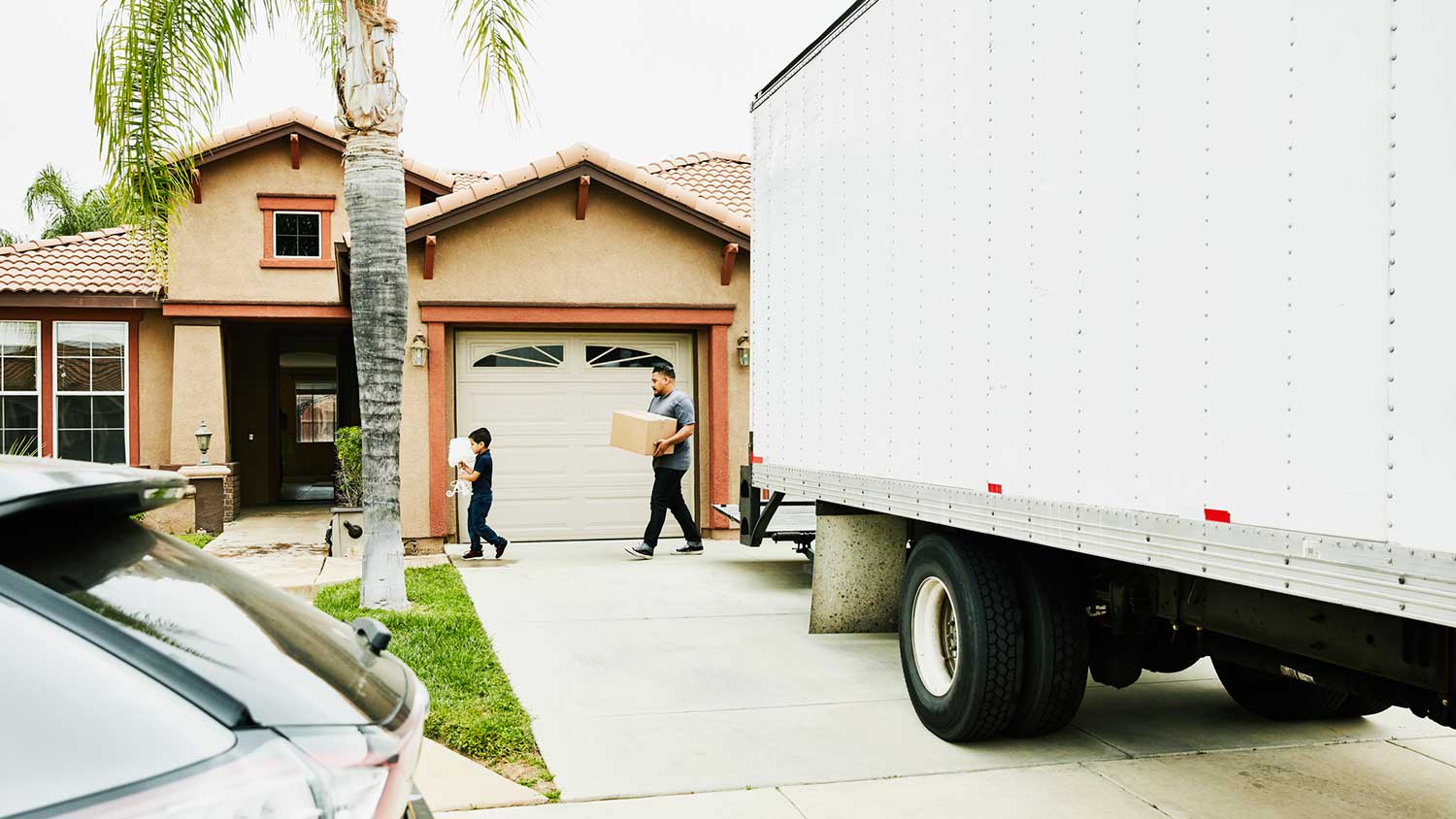
The cost range for renting a moving truck varies widely, so what can you expect to pay for your move? This cost guide breaks down all of the factors.
If you can play Tetris, you can pack your moving truck

The best way to load a moving truck starts with your heaviest boxes and square furniture against the walls, then stacks lighter items on top.
Expect to pay $25 to $50 per mover per hour when you hire professional help, depending on your home's location and move size.
You should pack fragile items like TVs in their original boxes and protect wooden furniture with padding to prevent damage during transport.
Hiring a local moving company provides reliable support with loading heavy furniture and appliances safely, helping you complete your move without risking injury.
Whether you're headed off to college, packing from a self-storage unit, or moving into a new house, learning how to pack a moving truck can be challenging whether you hire professional movers or not.
Packing a moving truck is a lot like putting puzzle pieces together. It's important to protect your items, utilize all available space, and evenly distribute the weight in the back of the truck to ensure your move is safe and efficient. A little preparation goes a long way when packing a moving truck, so use these helpful tips to learn how to pack like a pro.
Before you start packing up the truck, it’s important to ensure it will hold all of your items and that you have the right packing supplies for the job. Don’t forget to consider hiring a local moving company to pack the moving truck for you.
Moving truck rentals come in different sizes, ranging from smaller cargo vans to 26-foot trucks. The rental price is determined by truck size and total distance traveled. While a smaller truck is cheaper to rent, it may cost you extra time and money in the long run if you have to make multiple trips. The goal is to complete the move in one trip to lower your gas and mileage costs.
To determine the right size of the moving truck, consider the size of your current home and the size of your belongings. The main, rentable sizes are:
| Moving Truck Sizes | |
|---|---|
| Pickup truck | This option is best for small, local moves with only a few items, such as a table, couch, or mattress. |
| Cargo van | These vans are often large enough to fit the contents of a studio apartment or a small one-bedroom apartment. |
| 10-foot box truck | These small trucks can accommodate the goods from a small one-bedroom apartment. |
| 15- or 16-foot box truck | These moving trucks can comfortably fit the contents of a two-bedroom home. |
| 18-foot box truck | Larger two-bedroom homes and smaller three-bedroom homes should work with this size truck. |
| 20- or 22-foot box truck | This truck size is best for moving homes approximately 1,600 square feet or larger three-bedroom spaces. |
| 26-foot box truck | This is the largest truck available to rent and it can carry the contents of a four-bedroom home. Larger homes might require multiple trips. |
Before packing your moving truck, make sure you have all necessary packing supplies, including:
Utility dolly or hand truck: Rent a utility dolly or hand truck to move boxes and square items. Consider renting a bigger furniture or appliance dolly to move large, heavy pieces of furniture.
Furniture pads: Rent plenty of pads to protect furniture, such as dressers, nightstands, and chairs during your move.
Moving blankets or a tarp: Laying a tarp or blanket on the truck's floor will protect your belongings from any dust or dirt, plus provide some cushioning against shocks during transportation.
Moving straps: These handy straps keep your belongings in place to avoid movement during transit.
Some furniture isn’t easy to carry or move, and it can take up quite a bit of space on a truck. To make packing easier and save room in the truck, disassemble bulky furniture such as dining tables, beds, and desks. Then, wrap the individual pieces separately to avoid damage during transit.
If you aren’t hiring professional movers and need a few extra sets of hands to load your moving truck, consider recruiting nearby family and friends to help. Be sure to make them aware of the task’s time commitment, as well as the number and size of boxes you need help loading. Keep in mind that asking friends and family to help you move is a major favor, so prepare to thank them with plenty of water, snacks, and other kind gestures.
Now onto the fun part! Follow your truck-packing plan and get ready to load.

To begin loading the moving truck, you will need to start with the largest and heaviest items.
Heavy boxes: Load your heaviest boxes on the bottom and stack them vertically toward the cab and against the walls to maximize space.
Major appliances and square furniture: Any item that takes more than two people to move—refrigerators, washers, dressers, china cabinets, and other heavy, square furniture—should be loaded after the boxes to keep them secure during transport.
Longer furniture: You should pack long furniture like couches, headboards, and mattresses upright against the long walls of the vehicle. This step saves space and balances the truck. Ensure you use mattress covers to protect your bed and sofa from dirt and tears.

When loading a truck, you want to distribute weight in the truck as evenly as possible. The best way to achieve this goal is to pack in layers. When done correctly, each layer should be secure and self-contained. Having a balanced truck is vital for safety reasons, to save you and your belongings.
Packing in layers and distributing the weight evenly throughout the truck will make it easier to load and unload without an avalanche of boxes falling over the moment you open the truck.
After packing all the heavy items into the truck, it’s time to start loading medium and lightweight items. This step includes moving boxes, appliances, and smaller pieces of furniture.
A few things to remember when loading lighter items:
Stack lighter boxes in rows, ensuring that lighter boxes are on top.
Continue putting boxes and other items in tiers to fill gaps on top of the appliances, beneath tables, under desks, and on chair seats.
Fill the space between the top of the boxes and the truck’s ceiling with soft items, such as bags of clothing, bedding, and linens.
The last items to load are the boxes and suitcases you’ve packed with the things you’ll need your first night or first few days in your new home.
Some items are bulkier than others; some are fragile items that you need to treat with care. Keep in mind that there are some items you should avoid packing in your truck, such as personal stuff, flammables, pets, or plants.
Here are a few tips to protect your belongings and guarantee a safe move.
Televisions and appliances: Pack appliances like TVs in their original boxes to protect them and make them easier to find.
Rugs: Roll up area rugs facing inward and wrap them in plastic to prevent them from staining. Place rolled rugs upright or vertical between boxes and furniture to save space.
Wooden furniture: Protect wooden furniture with padding on the surfaces and corners.
Pictures and mirrors: Pack pictures and mirrors in specialty moving boxes. Load them in the truck between the mattress and box spring and strap them in place.
Drawers: Load drawers facing the sidewall to avoid movement during transport.
Grandfather clocks: Remove weights from inside the clock, wrap label pendulums, and put the clock in plastic or blanket pads.
Metal items: Keep metal items away from furniture because it has the potential to tear through plastic wrap during transport.
If you have the time, energy, and extra help from family and friends, packing a moving truck without professionals is doable. It’s important to consider the weight and amount of items you’re moving, as a large move with heavy furniture may require professional assistance.
If you need to move a large, bulky item, such as a piano, a hot tub, or a pool table, hiring professional movers is a must. Plus, moving pros have the experience and tools required to transport items quickly and safely, ensuring that you don’t risk injury while moving. The cost to hire movers is $25 to $50 per mover per hour, depending on your home’s location and size of your move.
I recently moved to another state and chose United Trust Van Lines after comparing several companies. Their team was punctual, professional, and extremely careful with my belongings. I was especially impressed with how they handled my home office setup and fragile items. Everything arrived on...
 United Trust Van Lines, LLC
Showed up on time and cleaned carpets well, but didn?t move furniture.
 Voda Cleaning & Restoration of Columbus
A reliable team for moves across state. My switch to a new place needed careful lifting through tight hallways. The movers checked the doorway first, then carried heavier pieces with slow, controlled movements. Their patience helped prevent damage, and I?d choose them again.
**Would rate a 0 if i could** NEVER USE THIS COMPANY!!!!! They shattered my tv console and dresser, lost a mirror, and never finished the move. The broken furniture cost me over $600 to replace. They left me with 6+ hours of personal labor moving my 1BR apartment, when I was quoted a FULL...
 All My Sons Moving & Storage
I could not have moved without the help of Jen Stover! I was in my house for nearly 20 years, so the thought of clearing it out while working full time was overwhelming. Jen takes great joy in sorting and organizing while asking the hard questions with patience and compassion. Jen is...
 Go and Stow Home Organizing
Couldn't have been a worse experience. 3 of my belongings were lost and 5 belongings were damaged. My furniture was clearly dragged across the ground. The movers couldn't move the furniture I paid extra heavy weight fees for so I had to help them move my own furniture. The manager gave me...
 US Interstate and Rail
Excellent experience for me! They helped me a lot with my move. very reasonable price. Good communication with the office manager is excellent.
 Goodview Moving and Storage
I was concerned about my possessions safety throughout the move but Bridge View Van Lines took all necessary security measures to make sure everything arrived in mint shape I am really appreciative of their effort and commitment They made my long distance move seem simple
 Bridgeview Van Lines
This moving company is the best in Columbus, Ohio! They rescued me when my movers didnâ t show up. Do not ever use Plane Movers! They never showed up for my move, claiming that I never signed the contract. They didnâ t call me to follow up, communication was awful. The people that work for...
 All My Sons Moving & Storage
Ozie and Tyquese were great and worked fast. It was a good move
 All My Sons Moving & Storage
From average costs to expert advice, get all the answers you need to get your job done.
The cost range for renting a moving truck varies widely, so what can you expect to pay for your move? This cost guide breaks down all of the factors.

Planning a DIY move requires careful budgeting. Use this guide to budget for the expected moving costs and the hidden ones, too.

Is packing not your thing? Nonsense. You can pack like a pro and keep moving day chaos at bay with these tips to help you efficiently pack your household goods.
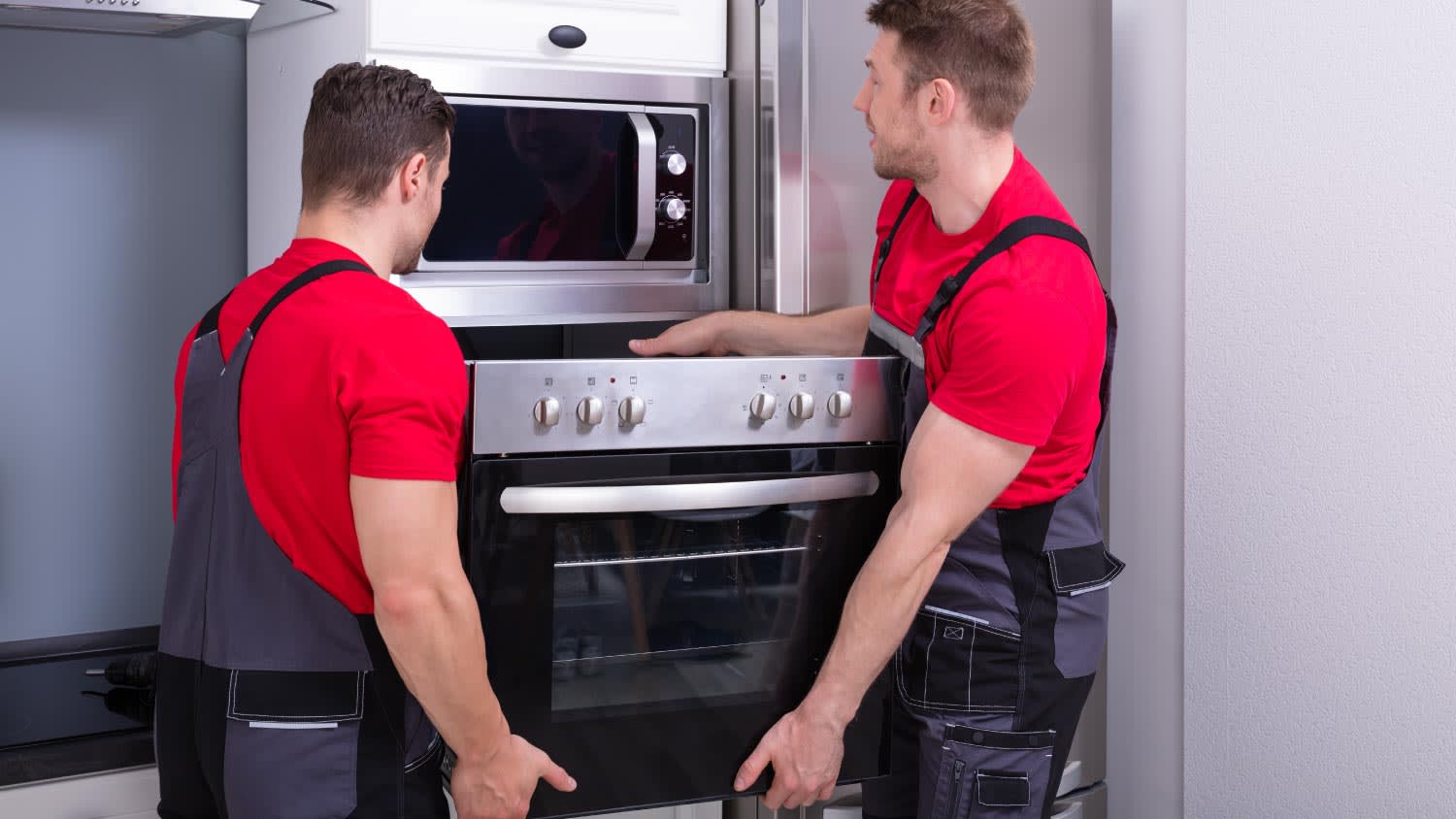
If you’re wondering how to pack appliances for moving, these tips will set you up for success whether you plan to DIY or hire professional movers.
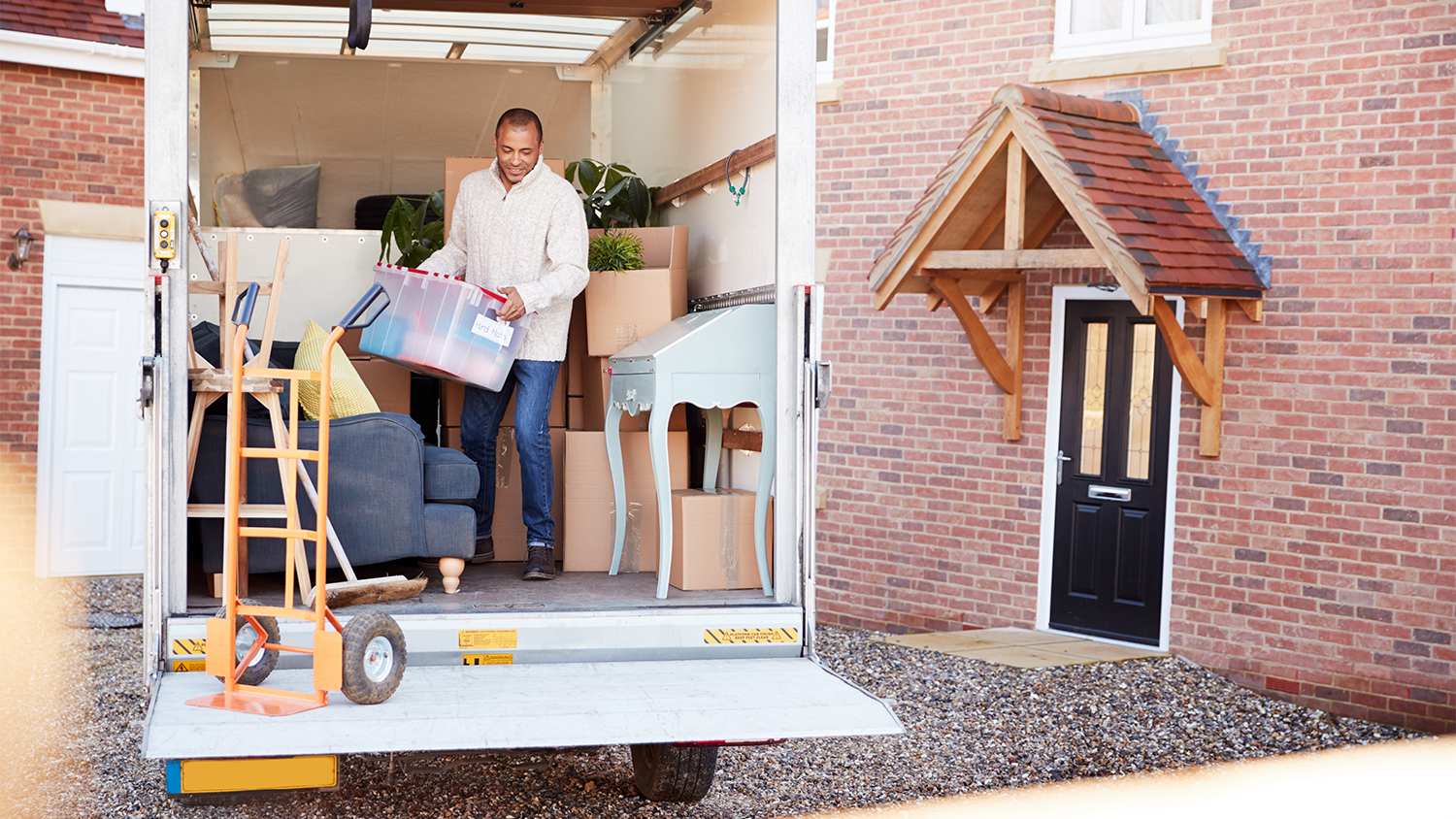
If you’re wondering what size moving truck to reserve, the answer lies in the size of your home and the amount of items. Use our guide to learn more.
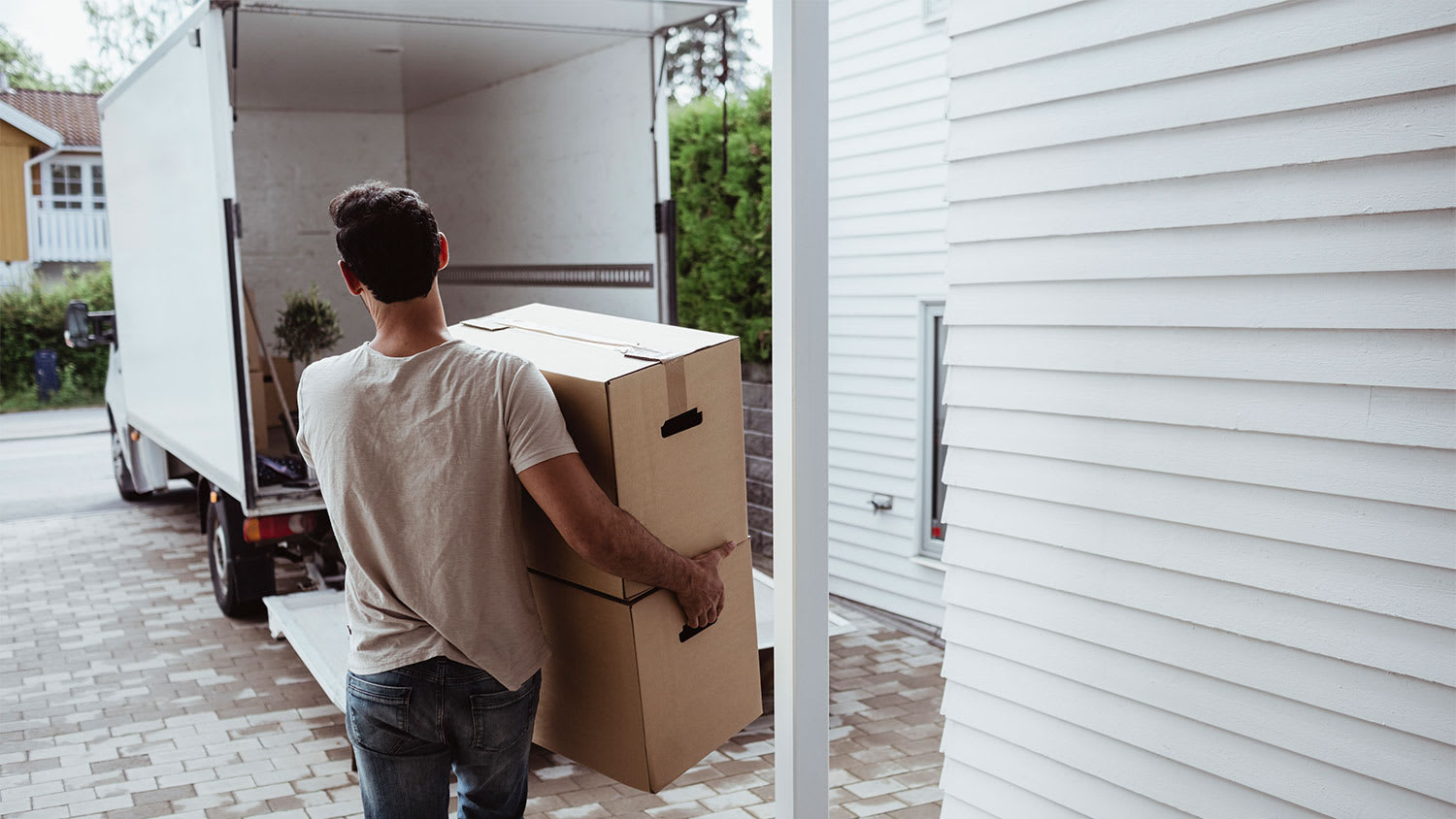
Thieves may target moving trucks because they’re loaded with valuables. These tips will help you protect your items in a moving truck.