

•
Find out the average brick and stone repair cost in Boston, MA. Learn what you can expect to pay for local masonry repairs and restore your home's exterior.
Pavers and hardscaping service costs depend on your project and location. Check with a local pro for your specific job.

Building a retaining wall in Boston costs about 20% more than the national average.
Hiring a retaining wall pro costs $60 to $90 per hour, depending on their skill level, the project scope, and the material.
Vinyl and timber retaining walls are more economical options, while steel and I-beam walls are pricier.
Installing a retaining wall in Boston costs $7,228 on average, but most homeowners pay between $3,930 and $11,053. Boston’s proximity to the coast and high rainfall can lead to erosion, so putting in a retaining wall is a savvy home project. Find out how much you’ll spend to install a retaining wall on your property to protect your home and landscaping.
Various factors determine the cost of a retaining wall installation in Boston, Massachusetts. In addition to wall size and materials, terrain, site prep, soil type, waterproofing, and more should be considered.
The length and height of your wall have the biggest impact on price, with taller retaining walls costing more per linear foot. For example, a 2-foot-tall retaining wall costs $50 to $240 per linear foot, while retaining walls up to 6 feet high cost about $430 per linear foot.
The following table summarizes common retaining wall sizes and their average costs. Note that the lower end of the cost range is for walls 2 feet high, while the higher end of the cost range is for walls 6 feet or taller.
| Length (Linear Feet) | Average Cost Range | Average Cost |
|---|---|---|
| 10 | $480–$4,300 | $2,400 |
| 15 | $700–$6,400 | $3,600 |
| 20 | $950–$8,600 | $4,800 |
| 25 | $1,200–$10,700 | $6,000 |
| 30 | $1,400–$12,900 | $7,100 |
| 50 | $2,400–$21,400 | $11,900 |
| 100 | $4,800–$42,800 | $23,800 |
| 150 | $7,100–$64,300 | $35,700 |
The type of material you choose will greatly affect what you pay. Here’s a look at the average prices for common retaining wall materials per square foot.
| Wall Material | Cost Range per Sq. Ft. (All-In) | Average Cost per Sq. Ft. (All-In) |
|---|---|---|
| Vinyl | $10–$20 | $15 |
| Railroad ties (wood) | $30–$35 | $32.50 |
| Timber | $20–$35 | $27.50 |
| Brick | $25–$30 | $27.50 |
| Rammed earth | $25–$30 | $27.50 |
| Gabion | $15–$50 | $32.50 |
| Stone | $25–$120 | $72.50 |
| Concrete | $35–$60 | $47.50 |
| I-beam | $50–$110 | $80 |
| Steel | $20–$180 | $100 |

Your contractor may charge an extra fee for material delivery. If that’s the case, expect to spend $35 to $120 per truckload of stone, brick, or concrete blocks.
The terrain in the surrounding area impacts the cost of building a retaining wall. Boston’s proximity to the coast and high rainfall can lead to erosionAdditional labor is needed for sloped grounds, which can increase labor costs by 50% or more. In this situation, the contractor must excavate to construct step-downs or terrace the slope to accommodate a safe retaining wall.
Your contractor will prep the site before building the retaining wall. This may include land clearing, land grading, and tree removal. If your wall is more than 4 feet tall, you’ll need a structural engineer to design it. Here’s what you might pay for site prep.
| Service | Average Cost Range |
|---|---|
| Structural engineering | $350–$750 |
| Land clearing | $110–$250 per hour |
| Land grading | $900–$3,000 |
| Tree removal cost | $200–$2,000 |
All retaining walls need drainage, as their purpose is to stop erosion on a slope. There are various methods, including pipes, gravel, weep holes, and criblock designs. Several factors in Boston contribute to erosion risk, including proximity to the coast, sea-level rise, storms, and high rainfall. If you already have a retaining wall that isn’t properly draining, you may need to spring for retaining wall repair costs or a full replacement.
Expect to spend $70 to $85 per linear foot on excavation to fix drainage issues. If you’re replacing the wall, it will cost $25 to $35 per linear foot to demolish the old wall and install a new one.
The soil in your yard will determine the type of retaining wall you can build. Certain walls work better with certain soil types. For example, malleable clay soil may not be sturdy enough to support heavy wall materials.
In addition, rocky soil with many boulders will require your contractor to spend extra time clearing the land. It will also be more difficult to excavate, so you can expect higher labor costs across the board.
Your retaining wall may need reinforcement, which could increase your material and labor costs. A hardscaping pro will add rebar either horizontally or vertically. Rebar costs around $1 to $2 per square foot. If your wall is particularly long or tall, it may also require footings with different fill materials (costs vary by material).
A structural engineer adds reinforcements when:
The wall is taller than 4 feet
The wall is longer or taller than average
You’re installing a sea wall
You live in a climate with extreme weather
Waterproofing costs $2.50 to $12 per square foot and can increase the lifespan of your retaining wall. This stops water from seeping into wall joints, which can damage the structural integrity over time. Some materials (like vinyl) are more waterproof than others, so make sure to check with your contractor.
Costs for hiring a retaining wall pro in Boston, Massachusetts, depend on several factors, including the project scope, materials, labor rates, and installation method.
Labor is a significant part of retaining wall costs. A local hardscape contractor will charge an average of $60 to $90 per hour or $20 to $60 per square foot. Their rates will also depend on the wall’s materials and the overall complexity of the project. Interlocking retaining wall blocks or pin mechanisms are the fastest and easiest to install compared to hand-stacked limestone or I-beam retaining walls.
Though it depends on local laws, most homeowners will need a permit to build a wall taller than 4 feet. However, some walls shorter than 4 feet require a permit if they support a surcharge. For retaining walls that do need a permit, you’ll need to pay an application fee, and the permit costs increase with the valuation of the project. Always check the state building code, fees, and requirements for your particular project before starting.
Depending on the specifics of your project, such as whether you need to alter landscaping or have a structural engineer design the wall, you may need to hire additional pros, including:
Structural engineer: $340–$780
Land clearing pro: $1,400–$6,200
Land leveling pro: $1,000–$3,300
Tree removal pro: $200–$2,000
Hardscaping pro: $5,000–$18,000
A high-quality retaining wall can increase your home’s value by as much as 15% and has a return on investment (ROI) of about 100% to 200%. Because Boston, Massachusetts, is a coastal city prone to sea-level rise and storms, you may see a greater ROI than in areas less at risk for flooding and erosion. A well-maintained retaining wall that adds beauty to your property and will last for decades can appeal to homebuyers in your area.
Home is the most important place on earth, which is why Angi has helped more than 150 million homeowners transform their houses into homes they adore. To help homeowners with their next project, Angi provides readers with the most accurate cost data and upholds strict editorial standards. We survey real Angi customers about their project costs to develop the pricing data you see, so you can make the best decisions for you and your home. We pair this data with research from reputable sources, including the U.S. Bureau of Labor Statistics, academic journals, market studies, and interviews with industry experts—all to ensure our prices reflect real-world projects.
Want to help us improve our cost data? Send us a recent project quote to [email protected]. Quotes and personal information will not be shared publicly.
The service was excellent from start to finish. The movers were professional, polite, and careful with every item they handled. Even the heavy and awkward pieces were moved safely and efficiently.
I needed my kitchen floor restored due to a pluming issue which caused a flood and ruined the entire flooring. This made it difficult to navigate as I am elderly and wheelchair-bound. National Floors Direct showed up and did an excellent job installing the new wood and were very friendly...
 National Floors Direct Inc
I had a great experience with their foundation, basement, and waterproofing services. They were professional, knowledgeable, and took the time to explain the issues and solutions clearly. The team handled everything from crack repairs to waterproofing with attention to detail, and the results...
 All For U Roofing and Masonry
I had foundation issues that needed urgent attention. HomeStar Masonry and Construction resolved the problem quickly and effectively. Their expertise and professionalism are unmatched.
 HomeStar Masonry and Construction
Excellent and professional customer service, workmanship, and communication. Friendly, and prompt, completed the work quickly and to my expectations. I will be using Milestone Chimneys & Masonry Corp again in the future and highly recommend their services, Thanks
We hired Stanley masonry & waterproofing They repaired our front steps and installed a sidewalk and borders. They were very polite, friendly, and professional. They took great pride in their work, and are very knowledgeable about the products and the work to be done. The work area was...
They were precise and knowledgeable to remedy the problem and did a good job Very punctual and respectful of the occupied unit Cleaned up the project when they were done. Indeed I would recommend them.
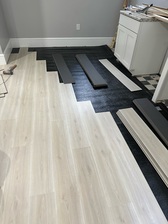 CE Hardwood Floors
They were great to work with. Very responsive and attentive to what we wanted to do. The process from start to finish was easy and the quote they use is quick and convenient! Competitive pricing, strong communication, quality work and professional demeanor. I would definitely use them again...
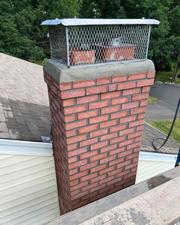 T Masonry and Construction
They did an outstanding job in providing a new home roof. The quality of work was very good. The project supervisor was professional and was always available for questions. The contract and price for the job were reasonable and affordable. I highly recommend Top Tier Masonry AND WaterProofing...
 Top Tier Masonry AND WaterProofing Corp
We had Daniel and his team from lifetime Masonry and Roofing repair my chimney and the results were fantastic. The crew was friendly, timely, and went above and beyond to ensure my satisfaction.
 Lifetime Masonry & Roofing
From average costs to expert advice, get all the answers you need to get your job done.
Find out the average brick and stone repair cost in Boston, MA. Learn what you can expect to pay for local masonry repairs and restore your home's exterior.
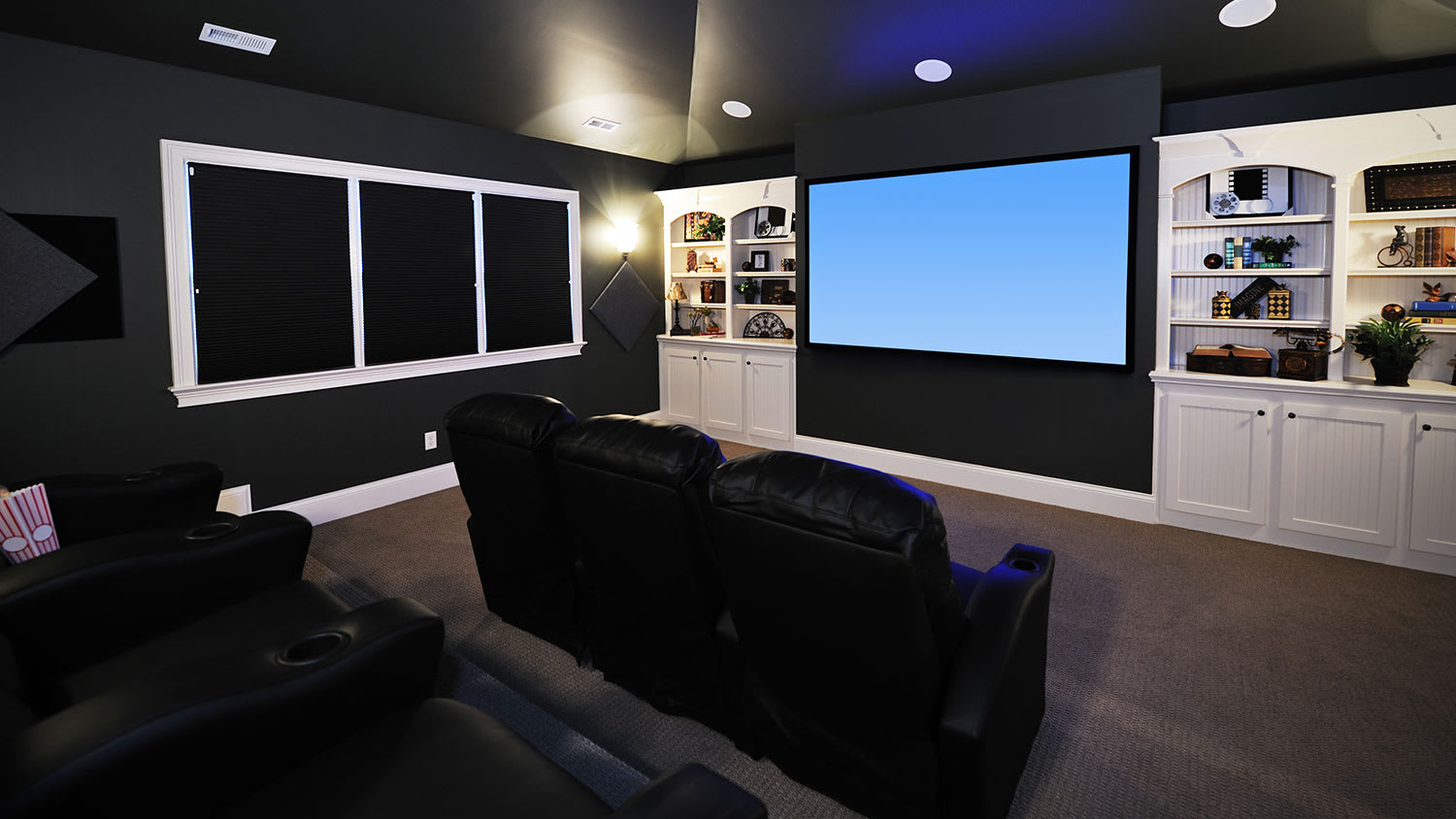
Find out the average soundproofing cost in Boston, MA. Learn what you can expect to pay for acoustic materials and local labor to keep your home quiet.
Find out the average basement remodel cost in Boston, MA. Learn what you can expect to pay for local contractors, materials, and finishing your lower level.
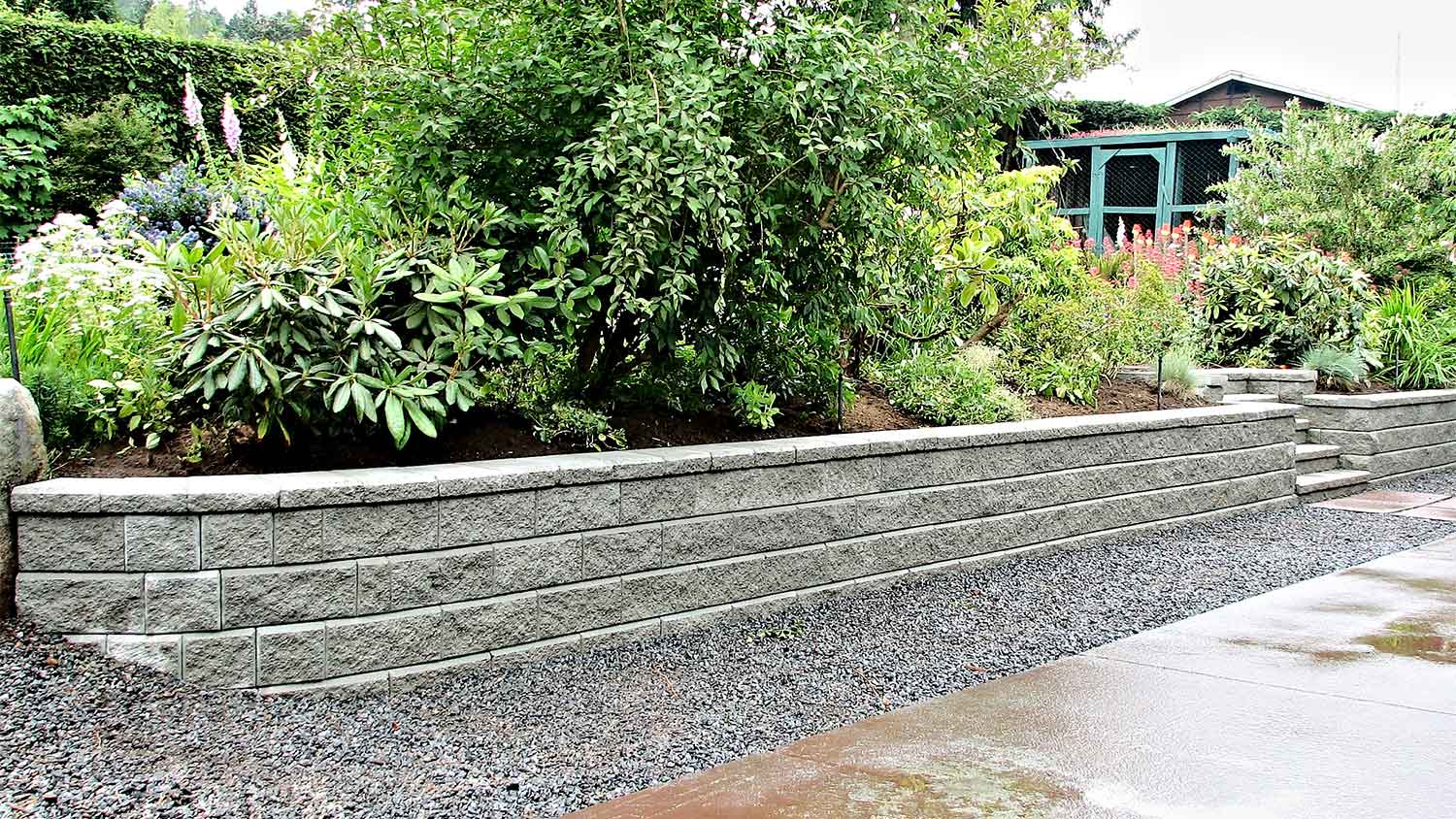
Retaining walls increase your yard space and your curb appeal. Use this step-by-step guide on how to build a retaining wall to put in your yard.
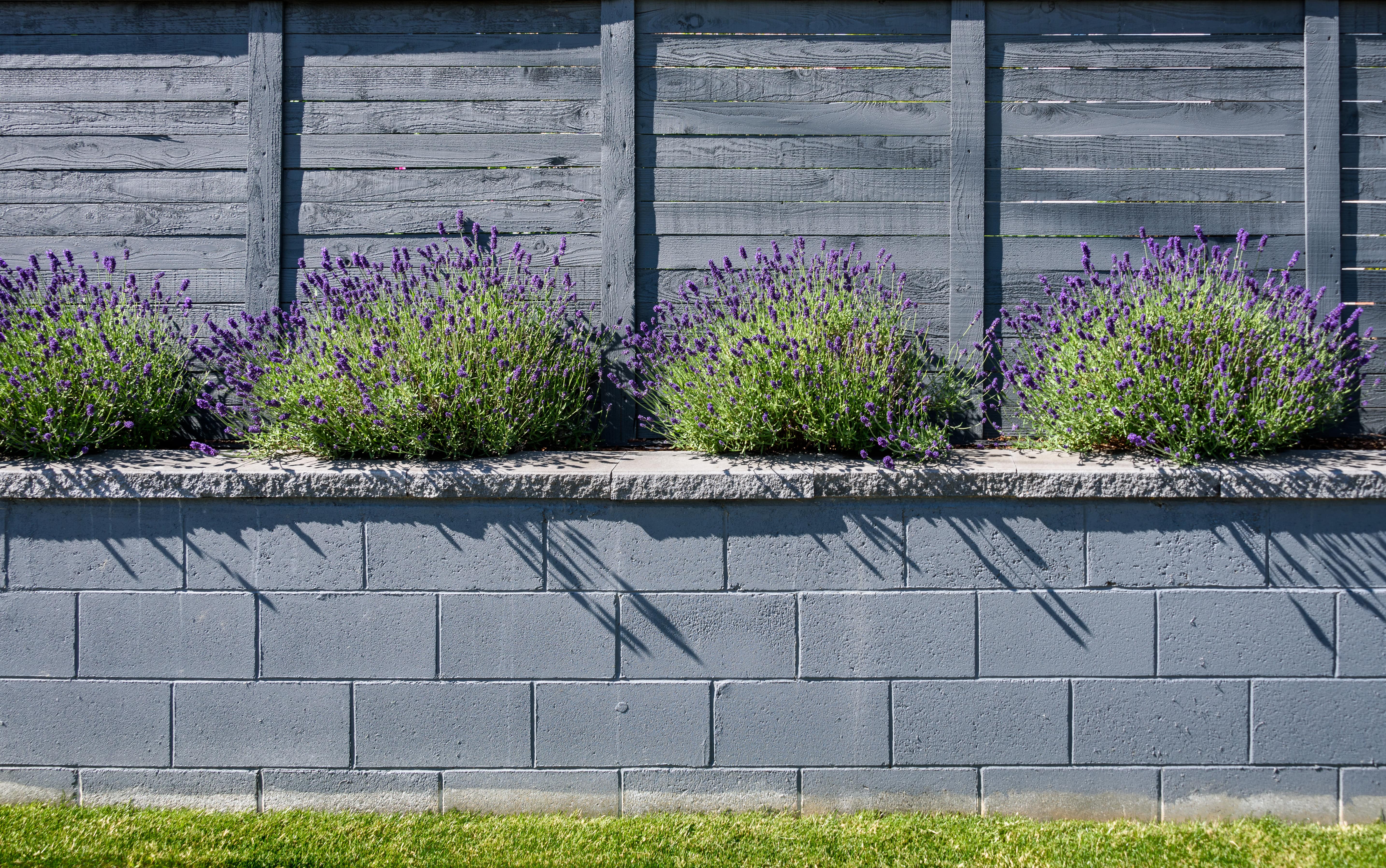
Thinking about building a concrete retaining wall? Learn about design options, costs to expect, and how to hire the right local pro for your yard.
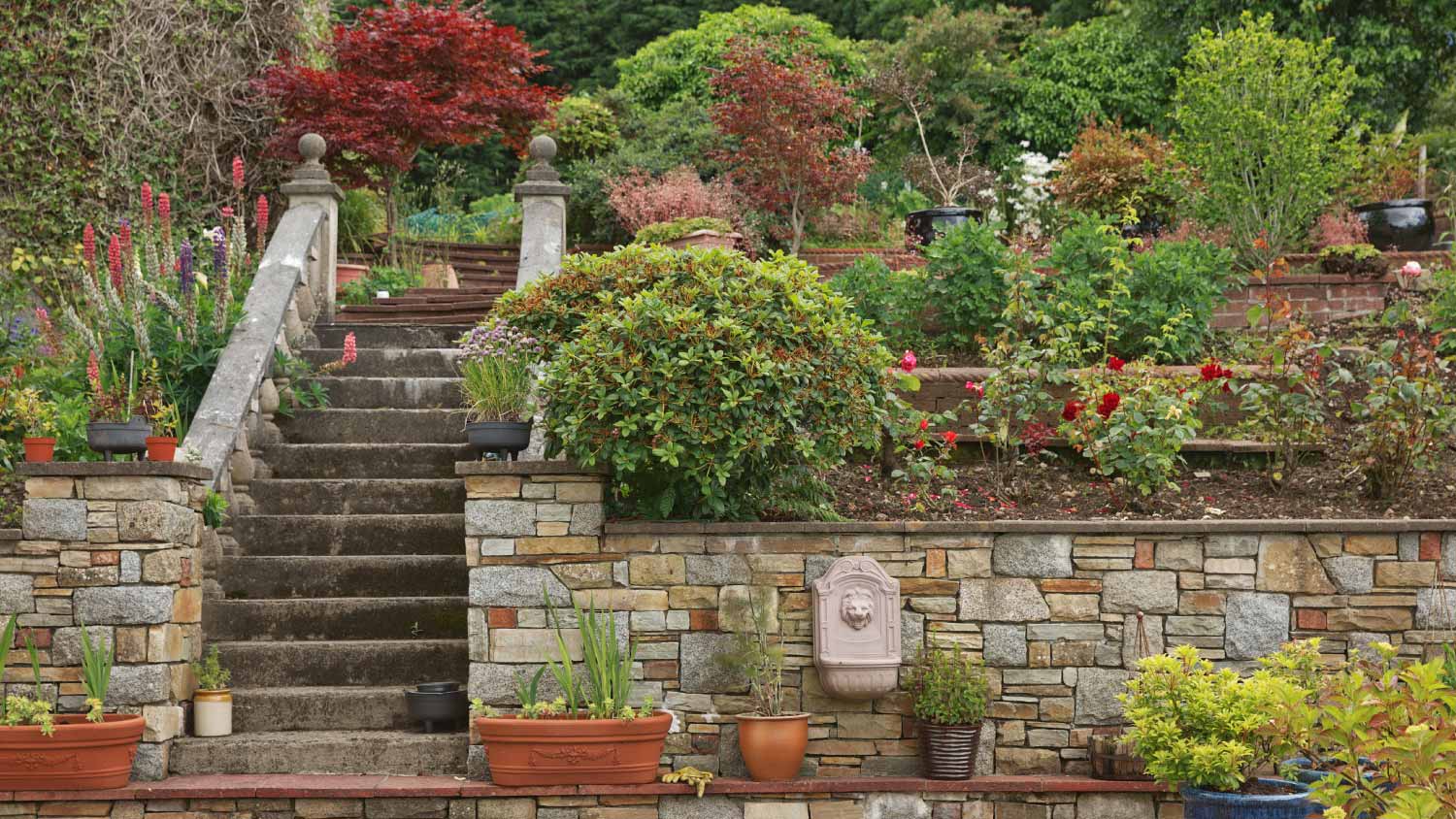
While it’s possible to DIY build a retaining wall, several pros have advanced knowledge of hardscaping and building. Learn who to hire to build a retaining wall.