
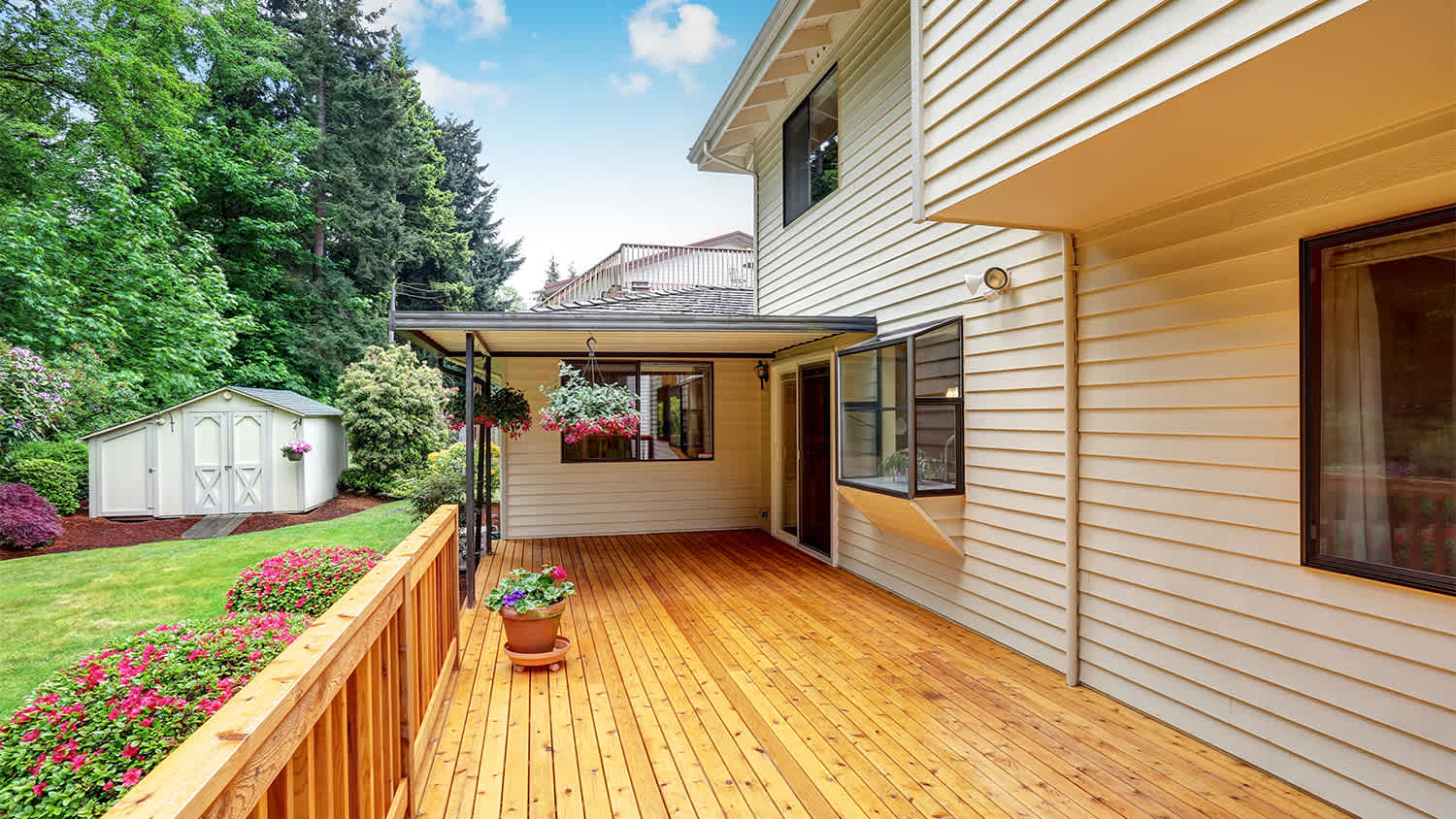
Deck repair costs depend on materials, damage you need to fix, and more. See how much it costs to replace or repair a deck in Austin, TX.
Deck and porch service costs depend on your project and location. Check with a local pro for your specific job.

Expect to pay between $30 and $50 per square foot to build a new deck in Austin, TX.
Pressure-treated wood is the most affordable material, costing $2 to $4 per square foot, but it requires regular sealing to withstand Texas humidity.
Composite and metal are both solid deck material choices that are weather-resistant and require little maintenance.
Building a deck in Austin offers an average ROI of 85% to 94%.
When creating a budget, remember to include the City of Austin’s tax rate of 8.25%.
A well-built deck is the perfect place to relax and unwind after a long day or host family and friends for an alfresco dinner. Deck installation can be expensive, however. The cost to build a deck in Austin ranges between $3,946 and $10,909, with many Austin homeowners paying an average of $7,413. Below, learn how factors like the size and material of your deck can affect your project cost.

The cost of building a deck in Austin, TX, can depend on the size, material, and any additional features chosen. Here’s how these factors will affect your deck-building cost.
Most new decks cost $30 to $50 per square foot. The higher end of that range represents deck projects built on second stories, utilizing high-end wood, or customized designs. See the table below for general estimates based on the size of your deck:
| Deck Size in Feet | Average Cost in Austin, TX |
|---|---|
| 10x10 | $3,000–$5,000 |
| 10x12 | $3,600–$6,000 |
| 12x12 | $4,320–$7,200 |
| 12x16 | $5,760–$9,600 |
| 12x20 | $7,200–$12,000 |
| 14x20 | $8,400–$14,000 |
| 12x24 | $8,640–$14,400 |
| 16x20 | $9,600–$16,000 |
| 20x20 | $12,000–$20,000 |
Your chosen deck material will comprise a significant portion of your total budget, ranging from $2 to $40 per square foot. Less-expensive materials can be tempting, but they may result in extra expenses for maintenance and repair, which you’ll need to hire a local deck contractor to handle.
Here’s a breakdown of the materials and their costs:
Pressure-treated wood costs $2 to $4 per square foot
Composite deck materials cost $11 to $20 per square foot
Ipe wood decking costs $9 to $18 per square foot
Tigerwood costs about $6 to $13 per square foot
Mahogany costs $7 to $10 per square foot
Redwood decking costs $4 to $31 per square foot
Bamboo decking costs $3 to $9 per square foot
Cedar decking costs $3 to $6 per square foot
Metal or aluminum decking costs $13 to $18 per square foot
The weather in Austin, TX, is hot and humid for much of the year. The type of deck material you choose can significantly impact the structure's lifespan. Here are the pros and cons of the most popular deck materials for an Austin home.
| Decking Material | Pros in Austin, TX | Cons in Austin, TX |
|---|---|---|
| Pressure-treated wood | Affordable and easy to install | Must be sealed to withstand humid or wet conditions |
| Composite decking | Resistant to humidity and insect damage | Relatively high price tag |
| Ipe wood | Hardness acts as a natural resistance to insects, rot, and fire | Can be tricky to install and may have a higher labor cost |
| Tigerwood | Density makes it better at resisting water damage | Requires specialized tools for installation |
| Mahogany | Durable and rot-resistant properties well-suited to Austin climate | Difficult to install and needs regular sealing |
| Redwood | Relatively low cost compared to other hardwoods | Susceptible to cracking and splintering |
| Bamboo | Durable and eco-friendly material | Can be sensitive to humidity; needs sealing and care to prevent damage |
| Cedar | Less prone to warping than other woods | Needs regular maintenance to withstand moisture |
| Aluminum/metal | Resistant to pests, precipitation, humidity, and mold | Surface can get hot in direct sunlight |
Simply put, the more complex your deck build is, the higher the cost will be. Some types of decks, like wraparound, multi-tier, and rooftop decks, require greater accessibility, additional prep work, and often more materials.
For example, if you want to build a floating deck, it will likely cost about $18 to $53 per square foot. These decks don’t actually float—they’re just not attached to your home. Because of this, they’ll need a few more support posts to keep them structurally sound.

The type of deck you build will likely be determined by where it’s installed. A second-story deck (which some contractors might deem a balcony) costs more to build because it’s harder to install. The most common place to install a deck, which is also likely the most cost-effective, is on the first floor attached to the backside of your home.
Here’s one example of how the cost average might differ:
10x10 first-story deck: $890–$1,780
10x10 second-story deck: $3,560–$4,450
Framing a deck, which ensures the unit's joints are structurally safe and sound, costs $8 to $11 per square foot for labor. The lumber or materials needed to frame your deck account for about one-third of the lumber you’ll need.
Some homeowners choose to install flooring over a wood deck. Composite is a good material option, while more elegant choices like porcelain or ceramic could add thousands (or tens of thousands, depending on the deck’s size) to your price tag. The average cost ranges from $18 to $40 per square foot, depending on the type of material chosen.
Here are some other costs you might incur if you upgrade from a simple deck build:
Staircase cost: $20–$50 per stair
Electricity cost: $120–$270 per outdoor outlet
Outdoor lighting fixtures cost: $40–$450
Heaters cost: $90–$270
Outdoor misting system cost: $1,870–$3,030
Sofa, chairs, and table cost: $450+
Outdoor fireplace cost: $1,340–$7,120
Retractable deck awning cost: $530–$3,120
Hiring a deck builder in Austin, TX, is the best way to ensure the finished structure is safe and usable. Here’s what you should know about the cost of hiring a pro.
The cost of living in Austin is approximately 3% lower than the national average, meaning labor costs can be more affordable. Generally, contractors and other professionals who build decks charge between $13 and $31 per square foot. However, the price you pay can also depend on where in the city you live and your chosen contractor's expertise level.
The City of Austin requires you to obtain a permit before you build a deck. The price of the permit can depend on whether or not the deck is attached to your home. The city considers attached decks additions to your home and will price the permit depending on the deck’s square footage. Depending on your location, you may also need to have your project reviewed by the city before proceeding. If you’re unsure about your project's permitting requirements, ask your contractor for advice or contact the city directly.
When you build a new deck on your property, you must let your homeowners' insurance provider know. Attached decks should be covered under your policy’s dwelling coverage, while unattached decks will need other structures coverage. Adding a deck to your home may increase your insurance premiums because of the added liability.
The combined sales tax rate in the City of Austin is 8.25%. When determining your budget for your deck project, ensure you account for taxes on materials and labor. Ask your pro for an itemized estimate to see how much you’re paying in taxes.
Professional installation ensures that the deck is built to code, minimizing the risk of costly repairs or replacements due to structural issues, improper materials, or faulty construction techniques. Moreover, pros have access to industry discounts on materials and tools, which can reduce up front costs.

Building a deck can increase your home’s value by providing potential buyers with additional living space to enjoy. According to the Journal of Light Construction’s 2025 Cost vs. Value Report, building a wood deck in Austin has a return on investment (ROI) of 93.9%, while composite decks have an ROI of 85.8%.
What does that look like with a real-life example? If your deck project costs $7,500, your home’s value could increase by $6,435 to $7,043. Of course, there’s never a guarantee that a project will increase your home’s value. However, a well-maintained deck can be a huge selling point—especially in a competitive real estate market.
Home is the most important place on earth, which is why Angi has helped more than 150 million homeowners transform their houses into homes they adore. To help homeowners with their next project, Angi provides readers with the most accurate cost data and upholds strict editorial standards. We survey real Angi customers about their project costs to develop the pricing data you see, so you can make the best decisions for you and your home. We pair this data with research from reputable sources, including the U.S. Bureau of Labor Statistics, academic journals, market studies, and interviews with industry experts—all to ensure our prices reflect real-world projects.
Want to help us improve our cost data? Send us a recent project quote to [email protected]. Quotes and personal information will not be shared publicly.
We needed a railing for raised steps in our back yard and Octavio and team were great at communicating to provide a quote, patient while we secured HOA approval, and delivered a solid product and service all round!
We hired Scott Phillips and his crew to do a major remodel of our rental property. They moved walls to gain better use of space and then remodeled the kitchen and bathroom and created a laundry/clothes closet. Additionally, they increased the size of an existing deck and screened in a portion...
 Sierra Building Services LLC
Tracy did a great job clearing our Old Deck. Was on-time, courteous, fairly priced and very professional.
 AmenityWorks, LLC
Excellent! Jesus quickly grasped the concept I had in my mind and helped me size it up and pick the materials. He and crew showed up when they said they would and when finished I had something I was very pleased with and proud to show my family and friends. I definitely recommend J&Y...
 J&Y Remodeling
They did an excellent job, the Deck and the house were all like new, clean, punctual and most importantly they finished it within the agreed time. If you want to paint your house I recommend HD PAINT & HOME REMODELING LLC
 HD PAINT & HOME REMODELING LLC
Installed new porch lights. Gave me excellent advice. Were courteous and efficient.
 TruTec Electric
William Langley and his co-worker Charles replaced an existing, poorly designed & built deck with a very sturdy and attractive deck and stairs. Will consulted with me throughout the process, making sure that any questions/options were thoroughly considered, and worked through unrelenting...
 AUSTIN CARPENTRY GROUP LLC
We had a great experience with the company. We love our deck.
 T5T Contracting, LLC
Very good value for deck repairs that I needed.
 Carpenters on Call
Will did a fantastic job with my deck! He gave a fair and reasonable quote. The deck was done on schedule and completed on time. He kept the worksite very neat and clean. He was responsive and easy to communicate with before and during the project. The deck looked amazing! He clearly has...
 W&L Construction
From average costs to expert advice, get all the answers you need to get your job done.
Deck repair costs depend on materials, damage you need to fix, and more. See how much it costs to replace or repair a deck in Austin, TX.
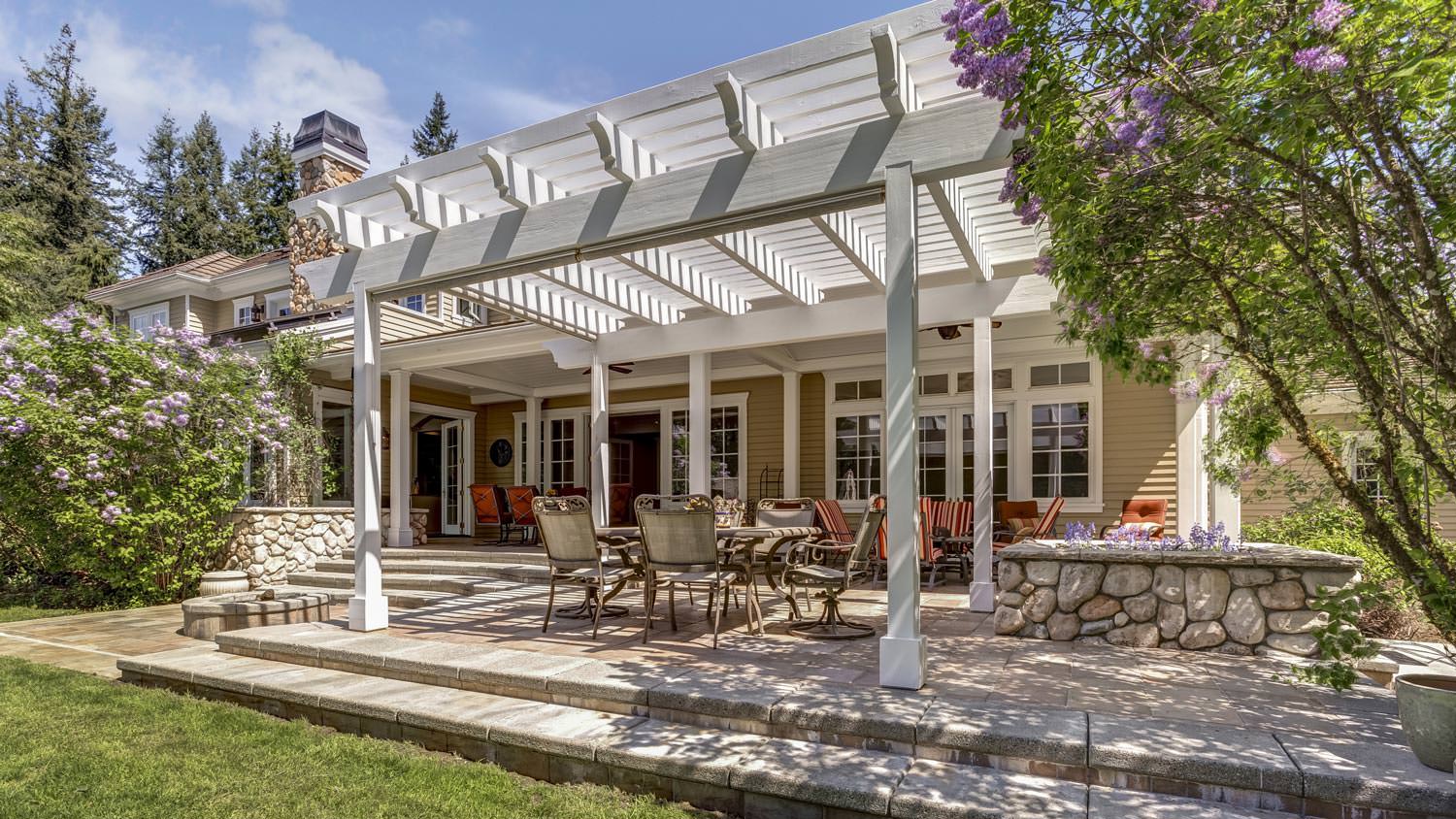
Find the average arbor, pergola, or trellis building cost in Austin, TX. Learn what you can expect to pay for materials and labor for your backyard project.
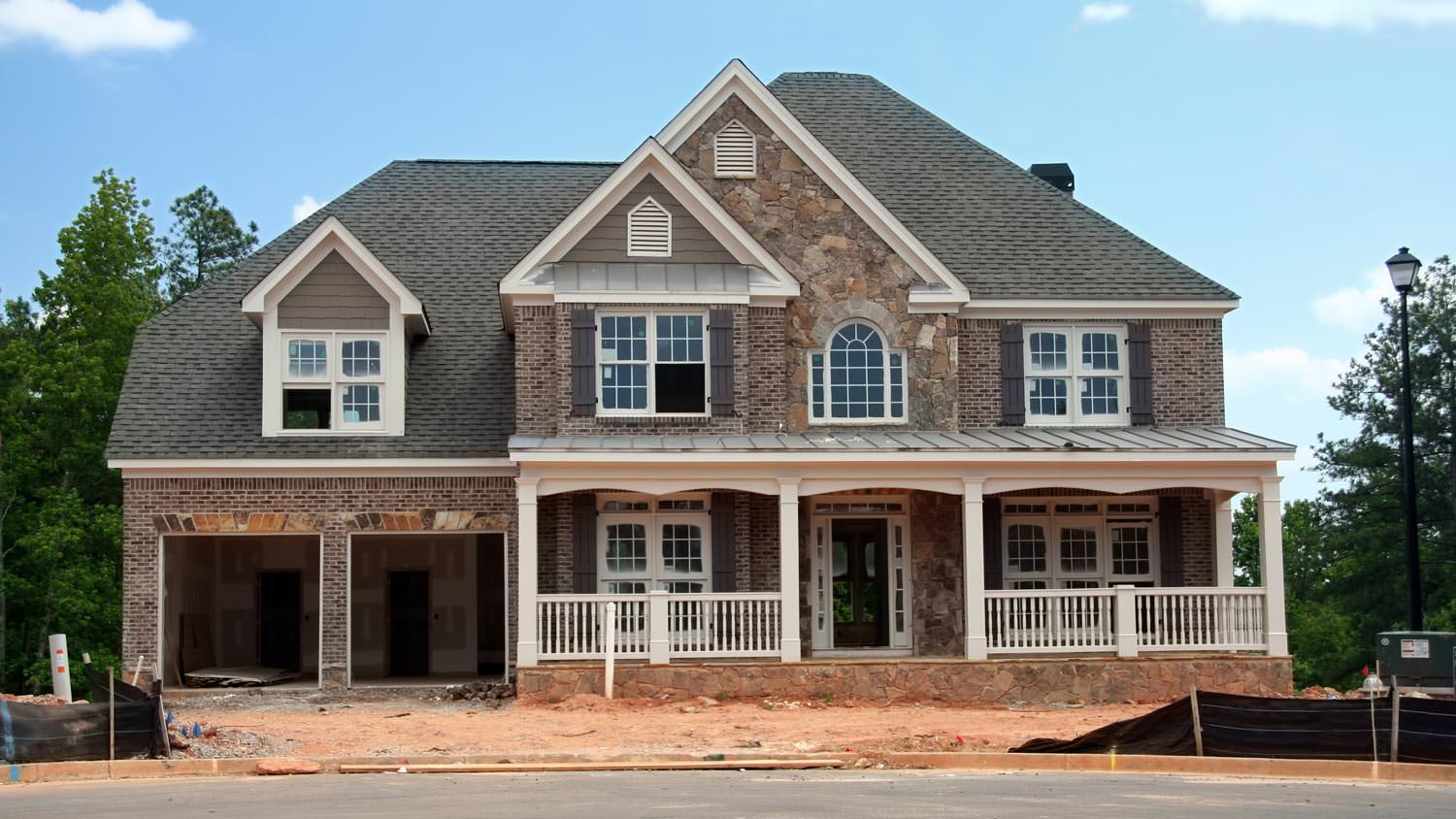
Wondering how much it costs to build a house in Austin, TX? Use this guide to cover all your bases, from permits and planning to construction and finishing touches.
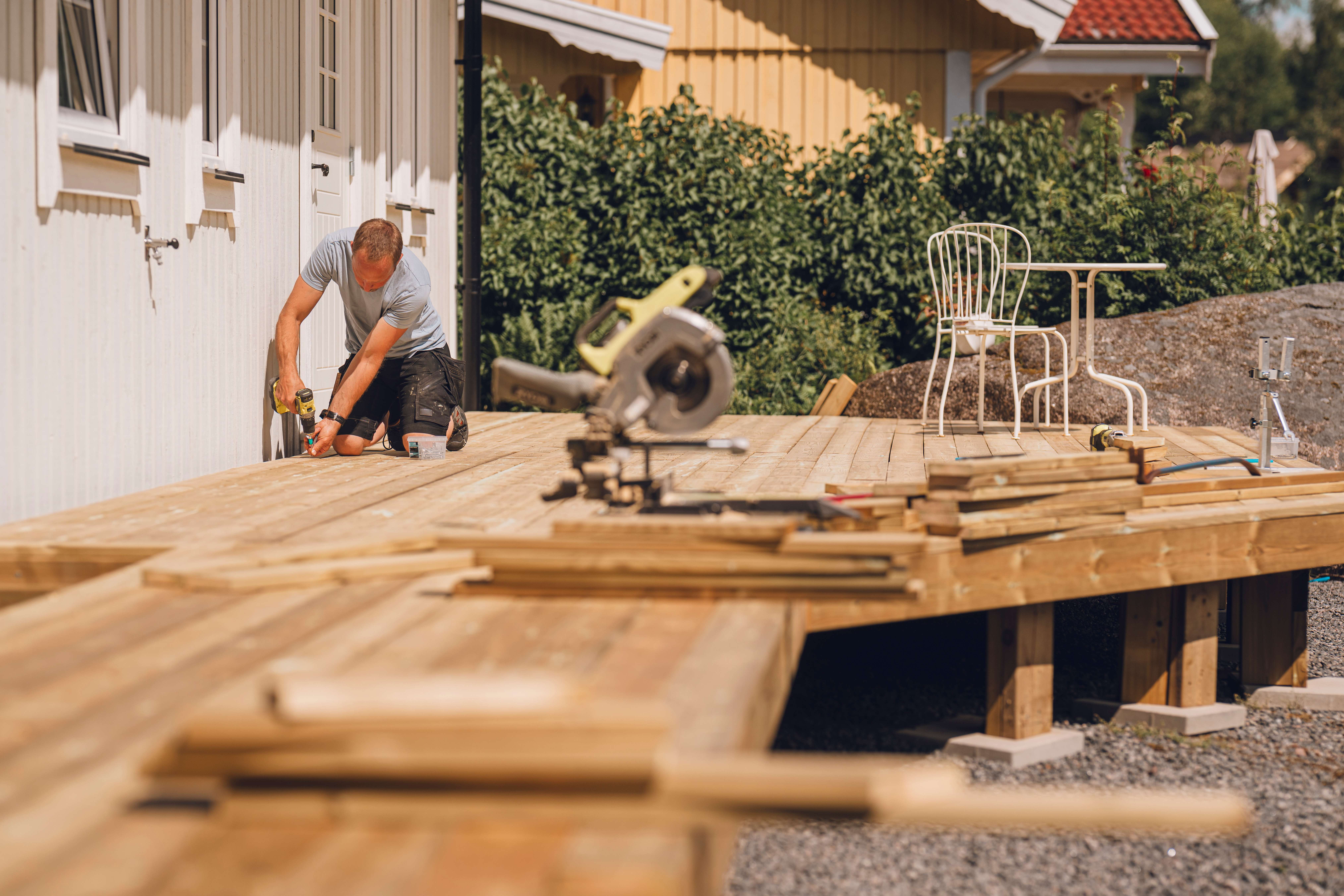
Save time and money by learning how to hire a deck-building pro who has the qualifications and skills to design and build your dream deck.
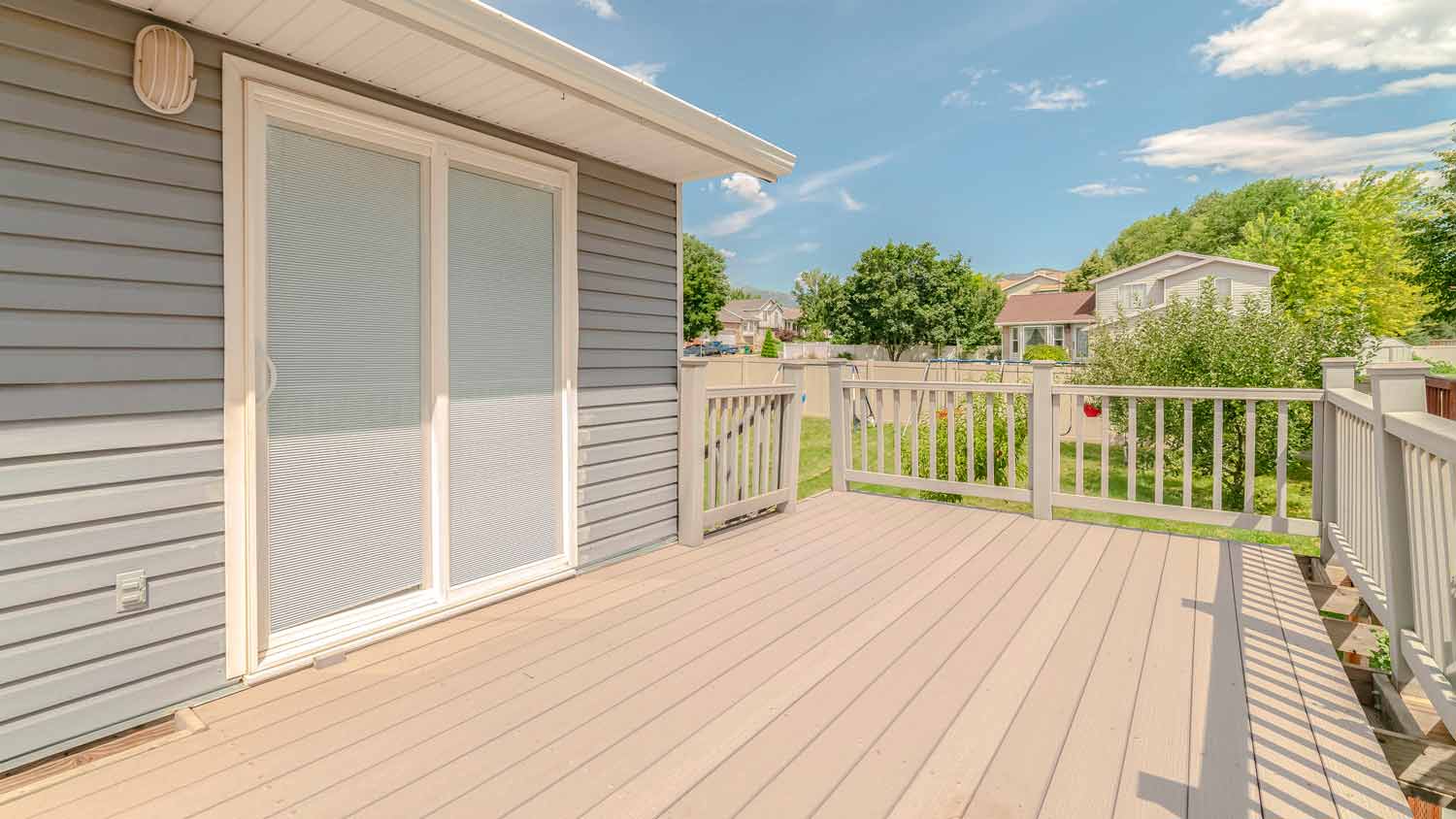
Building a deck expands your living space to the outdoors. Here’s a deck building materials list that lays out all the supplies you need to create the perfect deck.
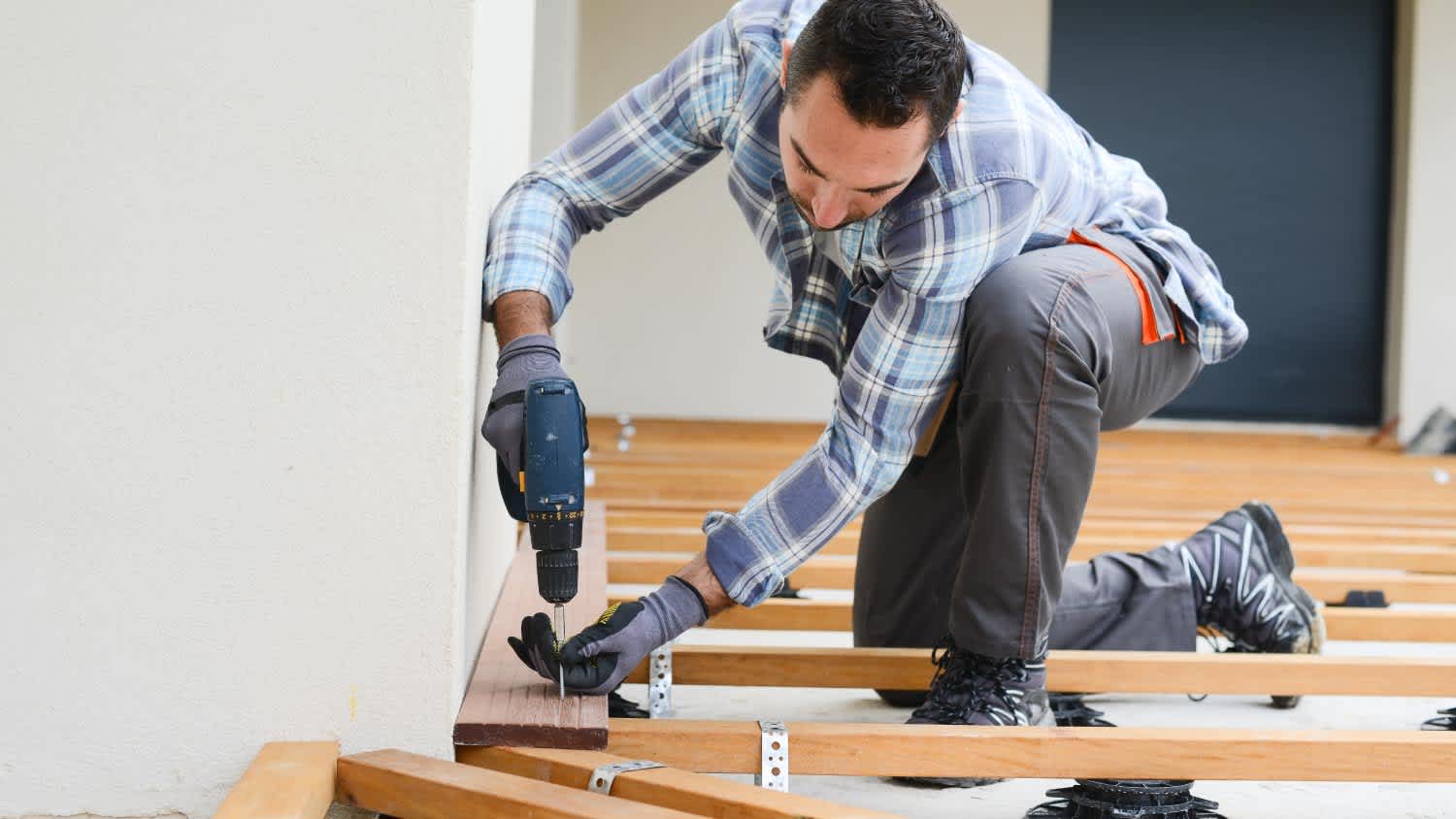
You may be wondering how to start a deck building business. Our guide outlines everything to know about starting your own deck building company.