
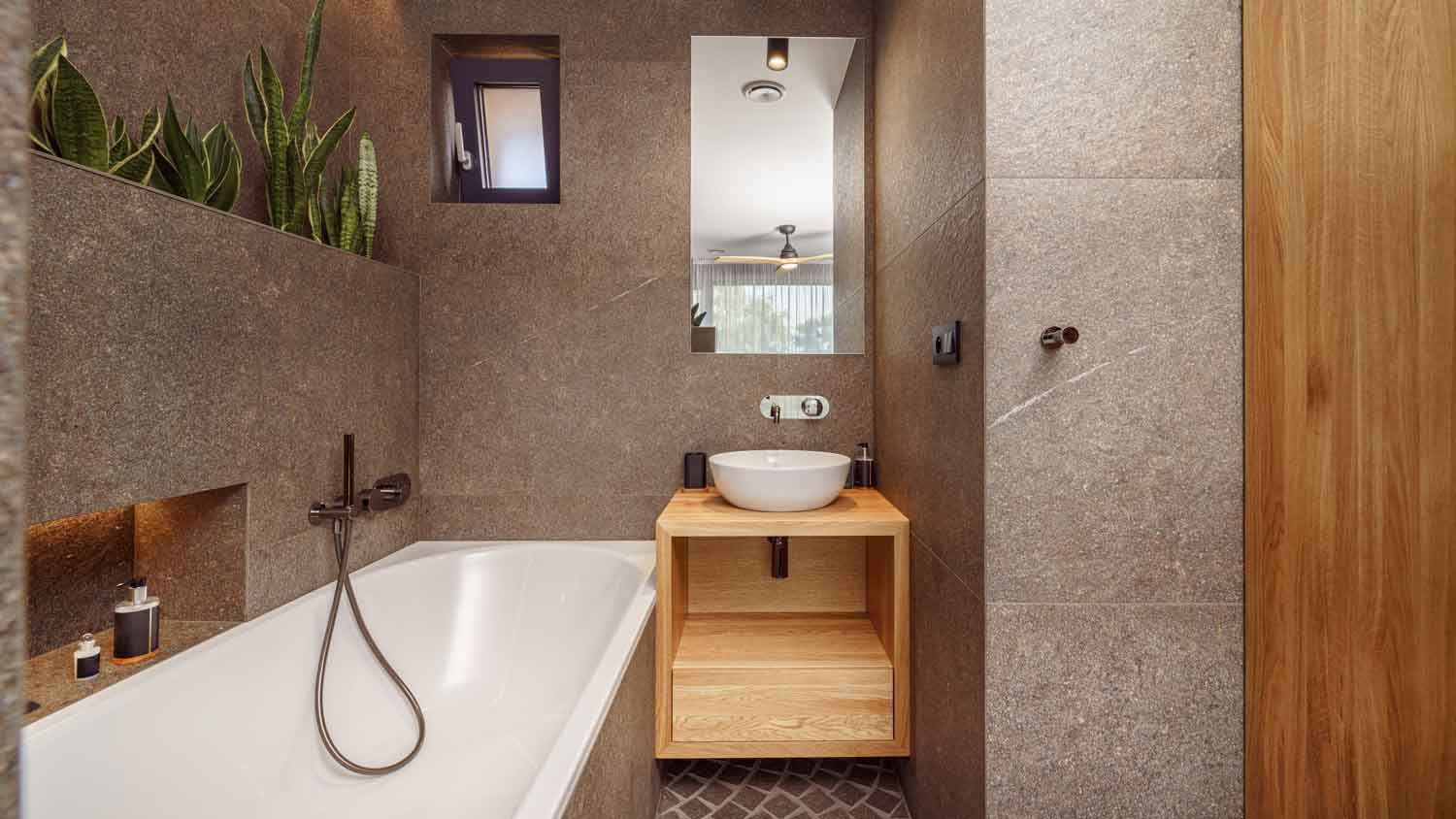
Small bathroom remodel costs in Chicago, IL depend on a number of factors—like what exactly you’re upgrading and the size of the room. This guide will help you budget.
Kitchen and bathroom remodel costs depend on your project and location. Check with a local pro for your specific job.

Chicago, IL, homeowners can expect to pay between $450 to $650 per square foot to add a new bathroom.
Adding luxury features, such as jetted tubs, heated floors, or custom vanities, drives up the project cost.
If you need an electrician to add wiring or exhaust fans, it costs an extra $110 to $250 per hour.
Hiring a local bathroom remodeler means quality finishes and a return on investment (ROI) of 50% to 70%.
Homeowners in Chicago, IL, planning to add a bathroom can expect costs that often run higher than the national average, due to the area’s higher cost of living. In Chicago, IL, the cost to add a bathroom ranges from $5,180 to $77,700, with an average project cost of $36,260.
Several factors affect the budget, including the size of the bathroom, whether it’s a half bath or full bath, and the proximity to existing plumbing lines. Homeowners should also budget for their preferred finishes, including tile, fixtures, and cabinetry, as well as for ventilation and waterproofing, all of which contribute to the total cost.
In Chicago, IL, the cost to add a bathroom is determined by several key factors, such as the type of bathroom, its location, and the materials you select. Let’s break down how these shape the project budget.
The type of bathroom you add should be based on its location in your home and your budget. Full and primary bathrooms are more common in primary bedrooms and on second floors, while you might opt for a half bath near a first-floor guest room.
| Bathroom Type | Average Cost |
|---|---|
| Half | $5,500–$15,000 |
| Three-quarter | $8,000–$25,000 |
| Full | $12,000–$60,000 |
| Primary | $25,000–$110,000 |
| Jack and Jill | $30,000–$120,000 |
| Wet room | $8,000–$25,000 |
Half: A half bath has two of four major bathroom fixtures, such as a sink and toilet, and ranges from $5,500 to $15,000 for a 15- to 25-square-foot space. You could spend as little as $4,000 for a basic conversion or as much as $18,000 for a brand-new powder room with designer fixtures.
Three-quarter: Expect to pay $8,000 to $25,000 to add a three-quarter bathroom that’s 25 to 40 square feet. This bathroom has a toilet, sink, and shower. You could spend as little as $6,000 if there’s existing plumbing or as much as $28,000 for a luxury bathroom addition.
Full: A full bathroom costs $12,000 to $60,000, ranges from 40 to 100 square feet, and has a sink, toilet, shower, and bathtub. Larger layouts include built-in cabinetry or a linen closet.
Primary: A primary bathroom addition costs $25,000 to $110,000 and connects to the primary bedroom. You can spend as little as $20,000 on a basic conversion or as much as $125,000 on high-end fixtures like a freestanding tub and a luxury walk-in shower.
Jack and Jill: A Jack and Jill bathroom costs $30,000 to $120,000, depending on the fixtures and scale. These bathrooms connect two bedrooms or one bedroom to a hallway. Depending on the design, they measure 100 to 200 square feet and often have two sinks and an enclosed toilet.
Wet room: The average cost to add a wet room is $8,000 to $25,000, but you could spend up to $35,000 for a luxury design. Wet rooms are the same size as a three-quarter bathroom, but costs can be higher due to waterproofing the entire space and grading for drainage.
Your bathroom’s square footage significantly influences the cost. A bathroom conversion costs $250 to $350 per square foot, whereas adding a new bathroom costs $450 to $650 per square foot. Here’s a breakdown of the estimated costs to add a bathroom based on size:
| Size | Square Footage | Average Conversion Cost | Average Addition Cost |
|---|---|---|---|
| Small half bath | 15–20 | $5,500–$10,000 | $10,000–$16,000 |
| Small bath | 25–40 | $8,000–$15,000 | $15,000–$28,000 |
| Full bath, medium | 40–50 | $12,000–$20,000 | $22,000–$38,000 |
| Full bath, large | 50–100 | $15,000–$30,000 | $28,000–$65,000 |
| Primary | 100–200 | $25,000–$70,000 | $55,000–$140,000 |
| Jack and Jill | 100–200 | $28,000–$75,000 | $60,000–$145,000 |
| Wet room | 25–50 | $6,000–$25,000 | $18,000–$40,000 |
Where you build a new bathroom will impact its final cost. Here are the average prices to add a bathroom, based on its location in your home.
| Location | Average Cost |
|---|---|
| Upstairs | $10,000–$45,000 |
| Laundry room | $6,500–$25,000 |
| Attic | $10,000–$45,000 |
| Garage | $10,000–$35,000 |
| Bedroom | $18,000–$65,000 |
| Closet | $6,000–$15,000 |
| Existing bathroom split | $12,000–$40,000 |

You’ll pay extra for premium bathroom features. A jetted tub can cost $12,000 to $18,000, for example, and vanities can cost anywhere from $500 to $4,000. Here are some common bathroom features you should consider when creating your budget:
| Feature | Average Cost |
|---|---|
| Shower | $1,500–$22,000 |
| Shower or bath liner | $2,000–$6,500 |
| Glass shower door | $600–$1,800 |
| Sink and faucet | $250–$900 |
| Bathtub | $1,300–$7,500 |
| Toilet | $250–$1,000 |
| Tiling | $1,100–$3,800 |
| Flooring | $1,800–$6,000 |
| Vanity and countertop | $500–$6,500 |
| Light fixtures | $175–$1,400 |
| Towel rack | $25–$150 |
| Exhaust fan | $350–$1,300 |
| Mirror | $175–$700 |
| Medicine cabinet | $250–$750 |
| Extra cabinetry | $2,000–$15,000 |
Materials make up 40% to 50% of the project cost, significantly impacting your budget. A bathroom addition built with midrange materials costs an average of $70,000, while an upscale bathroom addition costs an average of $132,500. Here are some of the major material cost considerations to keep in mind:
| Material Quality | Average Cost per Sq. Ft. |
|---|---|
| Budget-friendly | $250–$450 |
| Midrange | $450–$600 |
| Upscale | $600+ |
Luxury: Luxury materials can help you emulate the feel of a bathroom at a five-star hotel and last longer, but expect to pay more for spa-like features. Research the maintenance needs for materials like marble, which require more effort to clean.
Midrange: Midrange materials offer a balance between cost, durability, and style, making them a popular choice for most bathroom additions. They provide a clean, modern look with reliable performance without the higher price tag of luxury finishes, and require standard maintenance that’s manageable for most homeowners.
Budget-friendly: Budget materials can help you save while still bringing your vision to life. Many cost-effective surfaces, like tile, are easier to clean than luxury alternatives. However, remember that the lowest-end materials aren’t as durable.
Homeowners in Chicago, IL, should also account for local labor rates, permits, insurance, and other regional factors that can influence the project cost. Below is a breakdown of common expenses to consider when hiring a Chicago, IL, bathroom remodeler.
Labor is a major portion of the cost when adding a bathroom in Chicago, IL, often accounting for 55% to 75% of the project budget. Bathroom remodelers in the area charge between $110 and $250 per hour, or roughly $20,000 to $90,000 or more per project, depending on bathroom size, accessibility, structural modifications, and required code upgrades.
Bathroom remodeling pros play a central role in bathroom addition projects, managing everything from demolition and framing to plumbing, electrical work, drywall, tiling, and final fixture installation. These pros also help homeowners plan efficient layouts, select appropriate materials, and ensure that the finished bathroom meets all city safety and compliance standards.
Depending on the size and complexity of your bathroom addition in Chicago, IL, you may need to hire multiple pros to ensure the work is completed safely, efficiently, and up to code. The area’s older housing stock and strict permitting requirements often make coordinated skilled labor especially important.
A plumber may be needed if your project involves installing new water lines, drains, or relocating existing plumbing. In Chicago, IL, plumbers charge $120 to $300 per hour, with costs increasing based on pipe access, fixture selection, and required code upgrades, especially in older homes or multi-unit buildings.
You may need an electrician if your bathroom addition includes new lighting, exhaust fans, outlets, or heated flooring. Electricians charge $110 to $250 per hour, with additional costs possible for panel upgrades or rewiring.
A tile installer may be necessary for waterproofing and finishing walls and floors, which are major components of most bathroom builds. Tile installation in the area ranges from $10 to $30 per square foot, depending on tile type, layout complexity, and surface preparation requirements.
Building permits for a bathroom addition in Chicago, IL, add $1,500 to $6,000 to your total, depending on the scope of work and whether plumbing or structural changes are involved. In some cases, permit fees and related inspection costs can amount to roughly 1% to 4% of the budget, especially for larger or more complex additions.
Your bathroom remodeler will typically handle the permitting process as part of their services, ensuring all plans are submitted correctly and that inspections are scheduled at required stages. However, if you are managing the project independently, it’s important to factor permit fees, inspection costs, and potential plan review expenses into your budget to avoid delays or compliance issues.
In Chicago, IL, adding a bathroom can significantly increase a property’s value and market appeal, particularly in single-family homes, condos, and older properties where additional bathrooms are in high demand. Industry estimates suggest that a professionally added bathroom can provide a return on investment (ROI) of 50% to 70%.
A new bathroom adds both convenience and functionality in a city where older housing often has limited bath-to-bedroom ratios. It can enhance livability by supporting primary suites, guest accommodations, or basement and attic conversions. In this competitive real estate market, a well-designed bathroom addition can increase buyer interest, strengthen the listing's appeal, and contribute to a faster, more favorable resale outcome.
To help homeowners plan their next project, Angi provides readers with carefully researched cost data and upholds strict editorial standards. We start with national average project costs, which we collect by analyzing competitor information, retailer material costs, and input from professional contractors. We then apply local price index data to calculate location-specific estimates that reflect what homeowners typically pay in their local area. To do that, we use data from the U.S. Bureau of Economic Analysis (BEA), including its Regional Price Parities (RPPs), which measure price differences across cities. This helps us account for differences in labor, materials, and overall cost of living, so estimates in higher- or lower-cost areas better reflect real-world local pricing.
Every estimate undergoes a thorough editorial review to verify accuracy, consistency, and alignment with observed market conditions.
Want to help us improve our cost data? Send us a recent project quote to [email protected]. Quotes and personal information will not be shared publicly.
For our kitchen remodeling project in Los Gatos, we chose R B Master Construction Inc. They corrected unexpected plumbing behind the cabinets, and the project covered 320 sq. ft. kitchen remodel. The kitchen was completed within the expected timeline, and throughout the process the crew...
 R&B MASTER CONSTRUCTION INC
Highly recommend Busy Bee cleaning! Very easy to communicate with and book. Her team - Sophia did an amazing job! She was very thorough and went above and beyond. The kitchen, bathrooms, bedrooms, floors, everything was spotless! Will definitely be using them again.
 Busy Bee Cleaning Services
I had an excellent experience working with thus company on my kitchen remodel. From start to finish, their time management was outstanding. Everything stayed on schedule, and communication was clear every step of the way. The crew worked efficiently without sacrificing quality, and the speedy...
 ADP Constructions INC.
I wanted a bathroom remodel that was simple, straightforward, and stress-free. Century City Baths made that happen. My new bathroom is exactly my style — minimalist, bright, and functional. Nothing over the top, just a clean and fresh space that feels way more put together than before. It’s...
 Century City Baths
We used Jakubek Remodeling to remodel our two bathrooms. After the amazing work that they did for us, we now highly recommend this company to others. This was the first major home renovation we did as new homeowners, so naturally, we were nervous. We had consultations with three other...
 Jakubek Inc Remodeling
We had our bathroom remodeled last month, and I?m so glad we chose Century City Baths. They were organized every step of the way?from precise measurements to thoughtful design and the remodel itself. Everything stayed on schedule, and the results exceeded our expectations. I highly recommend...
 Century City Baths
They did an excellent job on my kitchen remodel and I would definitely highly recommend them.
 Santos Construction LLC
I recently had my kitchen remodeled, and I could not be happier with the results. The team did an outstanding job installing new cabinets, countertops, flooring, and lighting fixtures. Their attention to detail and craftsmanship truly transformed my kitchen into a beautiful and functional...
I had my master bathroom remodeled and I am happy with how it turned out. They handled everything perfectly. I definitely plan to contact them for any future projects I have.
 Perfect Choice Exteriors LLC
Working with Homewise Remodelers was an amazing experience from bid to finish. My wife and I had just bought a condo 4 months prior. We had bought it knowing that the kitchen and flooring needed to be remodeled. We had never gone through working with a general contractor before so we...
 Homewise Remodelers, Inc
From average costs to expert advice, get all the answers you need to get your job done.
Small bathroom remodel costs in Chicago, IL depend on a number of factors—like what exactly you’re upgrading and the size of the room. This guide will help you budget.
Find out the average bathroom tile repair cost in Chicago, IL. Learn what to expect to pay for local tile repair services and restore your bathroom today.
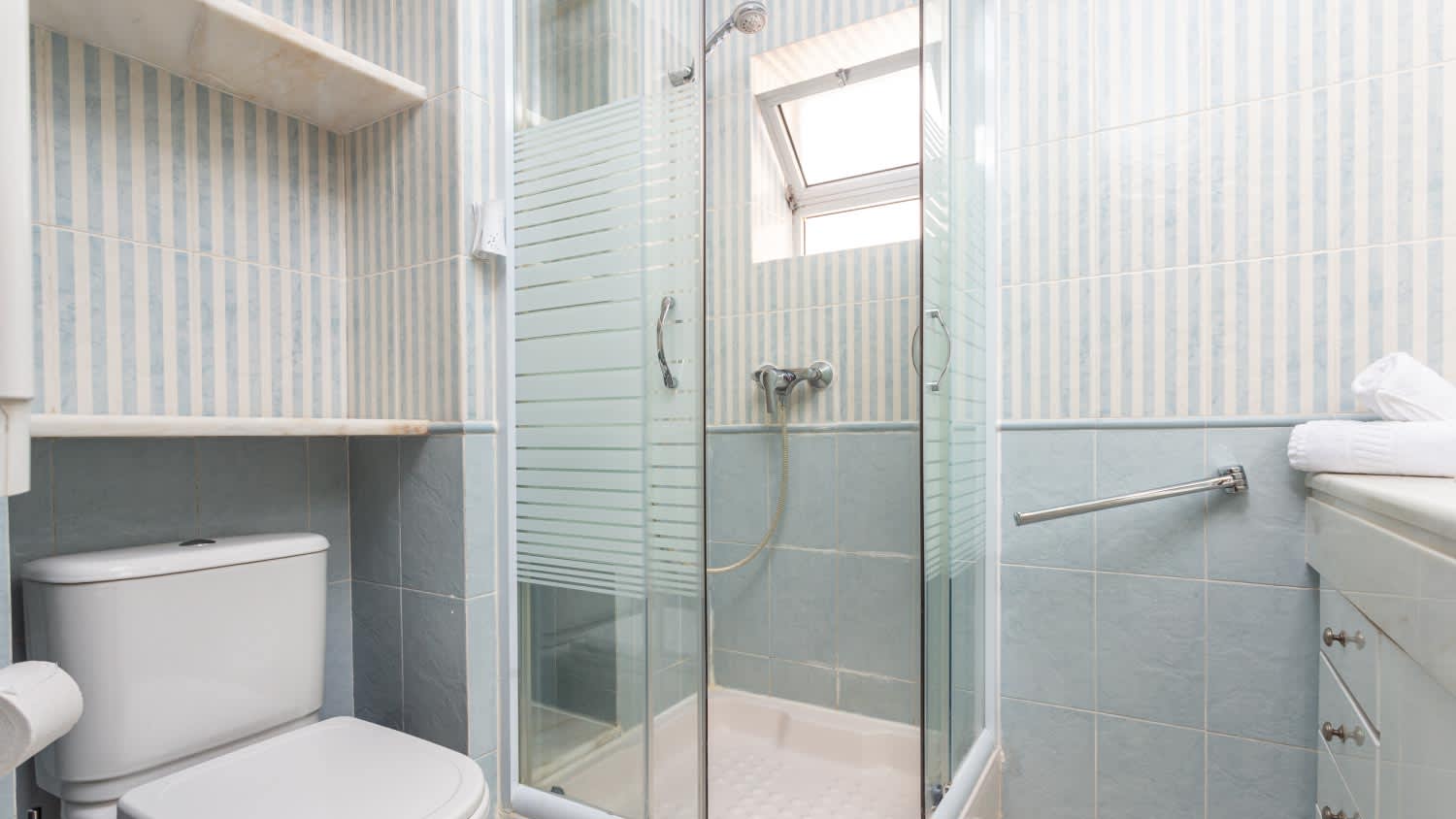
Find the average bathroom fan installation cost in Chicago, IL. Learn what you can expect to pay for local labor and materials to upgrade your ventilation.
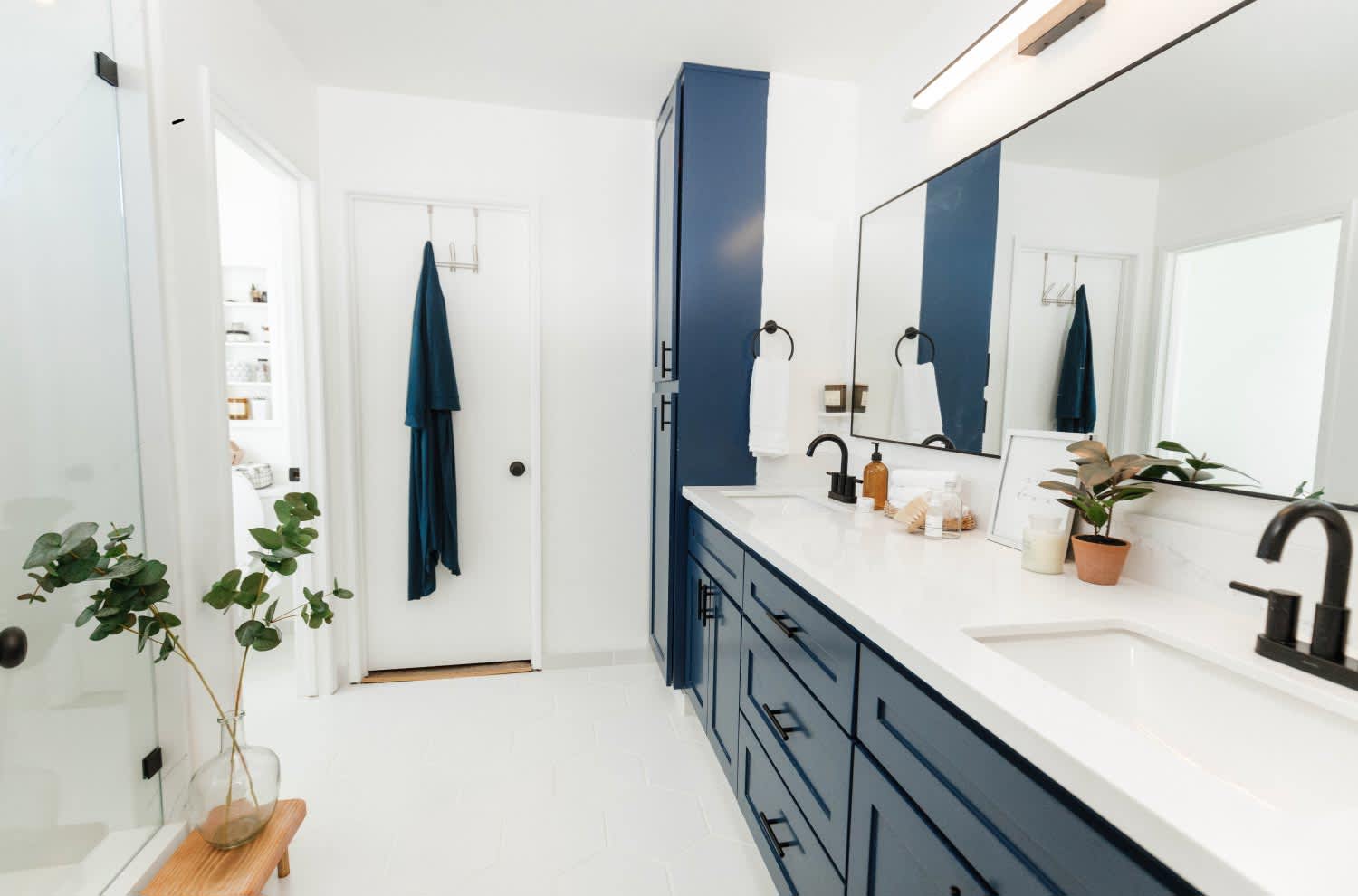
Remodeling your bathroom can add significant value to your home. Your bathroom remodel cost in Chicago, IL will depend on size, fixtures, materials, labor, and other factors.
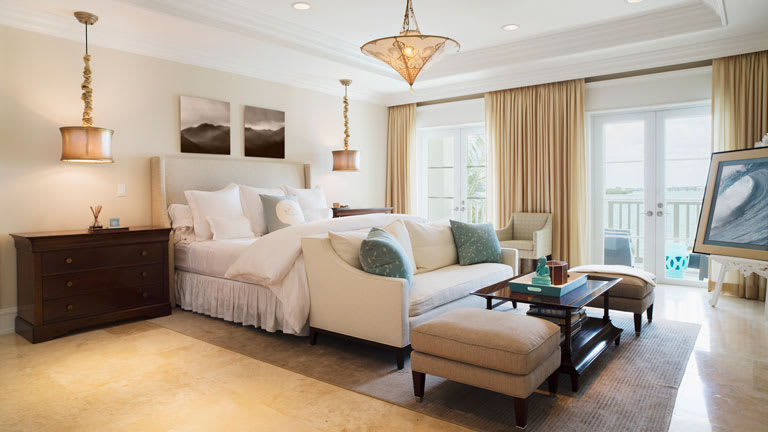
The cost to add a bedroom and bathroom in Chicago, IL can pay off with an increase in your home’s value and more space. Costs vary by project scope.
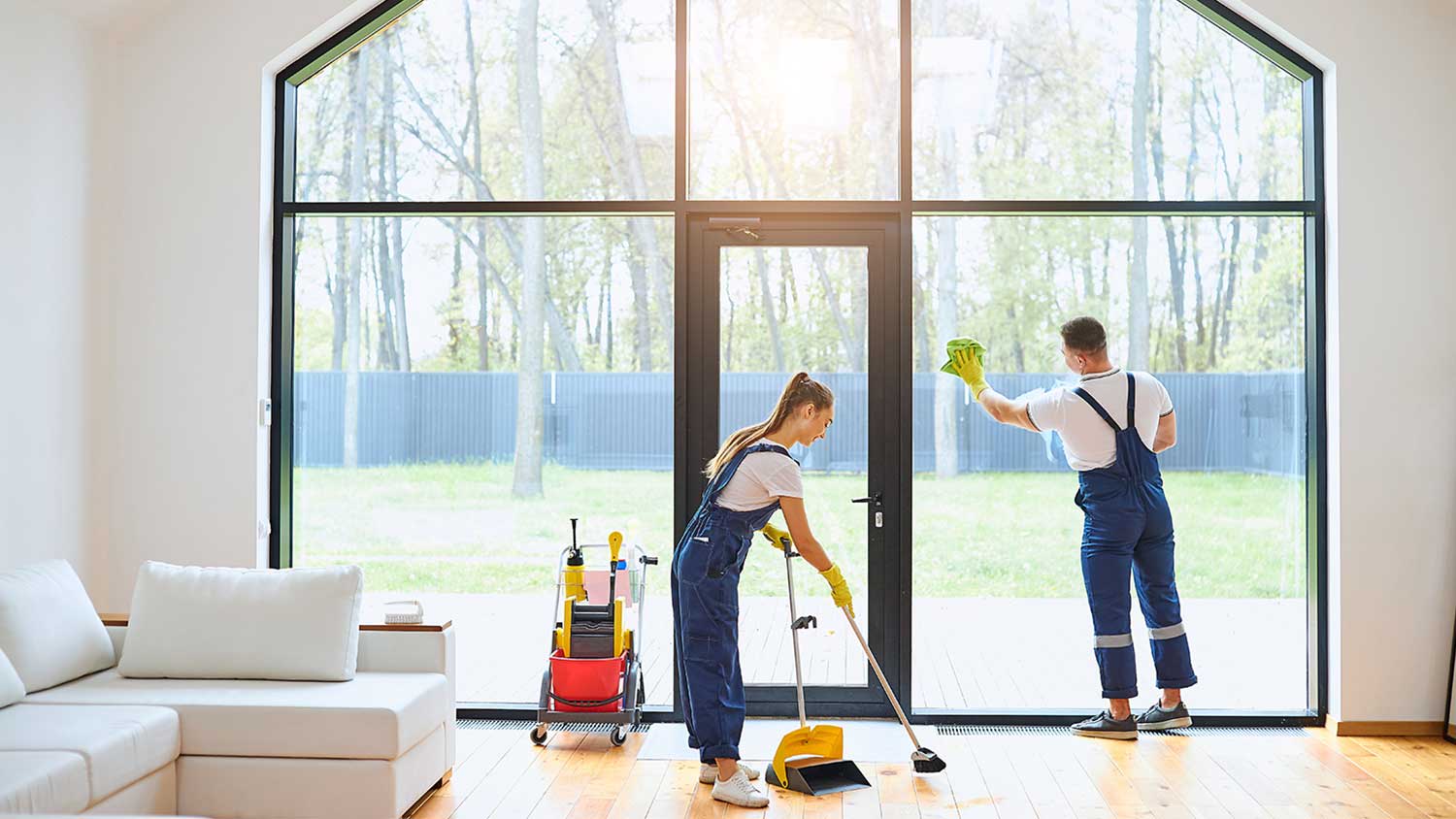
The cost to hire a house cleaner in Chicago, IL depends on the size of your house, your schedule, and who you hire. Use this guide to understand typical house cleaning prices better.