

Pipe leak repair costs depend on the location and severity of the leak, as well as the type of pipe being replaced. Use our guide to price out repair work in Boston, MA.
Plumbing costs depend on your project and location. Check with a local pro for your specific job.

Labor rates are considerably higher in Boston than the national average, with Boston plumbers typically charging anywhere from $80 to $200 per hour.
Boston’s freeze-thaw cycles can cause pipes to expand, contract, and occasionally burst, making pipe replacement more common and sometimes more complex.
Budget-friendly materials like CPVC and PEX cost less to install in Boston, while copper piping is more expensive but highly durable with a long lifespan.
Pipe replacement projects require permits and inspections through the Boston Inspectional Services Department, which can add application fees and scheduling time to the overall project.
With Boston's historic properties and fluctuating climate, replacing plumbing pipes is a common project for homeowners. The average pipe replacement cost in Boston typically ranges between $693 and $3,963, with most homeowners paying around $2,213, depending on factors like the size of the project, accessibility behind walls or basements, and the type of piping installed. Here’s a closer look at what you can expect to pay for pipe replacement in the Hub.
Replacing plumbing pipes in Boston, MA comes with several cost considerations. Whether you’re replacing polybutylene pipes, repairing a broken system, or installing new plumbing, these are the main factors that will impact your budget.
You’ll spend more on materials if you need to install a longer pipe—but there may also be some hidden costs. Longer pipes affect a larger portion of your floors, ceilings, or walls (think: drywall and floorboard replacement). You’ll have to pay more to repair these elements, in addition to the pipe installation cost.
Similarly, pipe diameter impacts price. Pipes with a larger diameter require more materials, so they cost more to install. Typically, large-diameter pipes drain waste rather than move water. That said, they can make your plumbing more efficient.
There are three main types of piping used in modern installations, each with its own cost range, advantages, and disadvantages.

| CPVC | PEX | Copper |
|---|---|---|
| Least expensive | Budget-friendly | Most expensive |
| Prone to leaks | Prone to freezing | Prone to freezing and corrosion |
| Corrosion-resistant | Corrosion- and leak-resistant | Recyclable and UV-resistant |
Chlorinated Polyvinyl Chloride (CPVC) piping, one of the most common types of PVC piping, costs about $0.50 to $3 per linear foot and is a rigid, non-corrosive option that can last 50 to 75 years. Comparing PVC pipes versus copper, PVC is more affordable but may be prone to leaks if improperly installed. Polyethylene (PEX) Piping ranges from $0.40 to $4 per linear foot and is a flexible, corrosion-resistant material ideal for repairs or full repiping. It lasts 80 to 100 years, but must be properly insulated to prevent freezing and may not work with every existing system.
Copper piping costs $2 to $12 per linear foot for materials and typically has higher installation costs. When it comes to CPVC or pex pipes versus copper pipes, copper is the most expensive, but it’s durable, code-approved, recyclable, and UV- and bacteria-resistant. Copper can corrode or freeze in certain conditions and often lasts 50 to 100 years.
Hiring a skilled, licensed contractor who knows how plumbing works is mandatory per Massachusetts law. In addition to a Boston plumber’s hourly rate, there may be additional costs for permits, inspections, insurance, and other project-related expenses. Here are the key factors that will influence the labor portion of your final bill.
A local Boston plumber will charge anywhere from $80 to $200 per hour on average, which will make up the majority of your budget. Older homes, emergency visits, and whole-home repiping projects can increase labor hours and push costs toward the higher end of this range.
Plumbers performing any type of plumbing work in Boston must be licensed through the Massachusetts Board of State Examiners of Plumbers and Gas Fitters. Reputable contractors should also carry liability insurance and workers’ compensation coverage if they have employees. You can verify a plumber's license via the online portal of the Massachusetts Division of Occupational Licensure.
Permits are required for this project through the City of Boston’s Inspectional Services Department. Once the work is complete, you’ll also need to schedule an inspection through Inspectional Services. Only a licensed contractor can file for a permit, so they will handle all the scheduling on your behalf, and charges will usually be accounted for on your initial estimate. Fees start with a $20 application fee, plus additional charges that will vary by the project.
Plumbers have to account for Boston’s 6.25% sales tax on materials for this project. This expense will be built into your project estimate.
While Boston homebuyers may not immediately notice new plumbing the way they would a modern kitchen or luxury bathroom remodel, aging or failing pipes can quickly become a serious issue during home inspections. If a buyer’s inspector identifies deteriorating pipes, it can negatively impact your bottom line through repair requests, price reductions, delayed closings, or even a deal falling through altogether.
In addition to affecting negotiations, failing pipes can cause costly issues like water damage behind walls, mold growth, or burst pipes during Boston’s frigid winter months. Replacing outdated plumbing before listing your home (and as soon as possible) can help avoid these problems, protect your asking price, and give prospective buyers confidence that the home’s major systems are in good working condition.
Home is the most important place on earth, which is why Angi has helped more than 150 million homeowners transform their houses into homes they adore. To help homeowners with their next project, Angi provides readers with the most accurate cost data and upholds strict editorial standards. We survey real Angi customers about their project costs to develop the pricing data you see, so you can make the best decisions for you and your home. We pair this data with research from reputable sources, including the U.S. Bureau of Labor Statistics, academic journals, market studies, and interviews with industry experts—all to ensure our prices reflect real-world projects.
Want to help us improve our cost data? Send us a recent project quote to [email protected]. Quotes and personal information will not be shared publicly.
We Flip Home Solutions team did a fantastic job completely replacing my old shower stall with a modern, frameless shower. They arrived as scheduled, removed all the glass, walls, replaced the plumbing, installed new plumbing shower lines, head, lever, etc. There were no surprises during the...
 We Flip Home Solutions Corporation
They were first to respond and provided a prompt service. Thank you Ben and Boston Plumbing - Heating!
 Boston Plumbing - Heating Solutions
Quality plumbing work!!! They are very responsive and transparent about all costs up front. The PRV in my unit went bad and they had it repaired within 30 minutes. Overall I was very satisfied with their professionalism and quality of work. From here on out I will be utilizing them for any...
I gutted my entire unit and used Ryan for all of the plumbing (kitchen, bathroom, fireplace). He did a great job. He did everything he said he would and on time and he coordinated with the other contractors nicely. Excellent communication and the work passed inspection. Have had no issues...
 The Boston Plumber
Abba Plumbing is fantastic. They have worked for me on different jobs around my house installing and maintaining fixtures for at least four years. They are very trustworthy, They do great work at a fair price. They are convenient to schedule, They find convenient times to come to my house,...
 Abba Plumbing
Enda Cox was the General Contractor for a large bathroom renovation project in my condo. I have been extremely pleased with the quality of his work, the professionalism of Enda and his sub contractors, and the ease of communication about design and construction plans. He worked on three full...
Reynolds Plumbing is a professional, timely, clean, safe, reliable, and on budget company. I cannot speak highly enough about Kim and his employees. They are capable of taking on major high rise multi-family renovations to replacing a toilet seat. If someone is in need of an outfit that can...
 Reynolds Plumbing & Heating
Plumbing inspection and other stuff
 Van Drain
I use him whenever I need plumbing done and recommend him to my friends. I recommended him this morning!
 Aviksis Plumbing
I needed a plumber to replace a faucet in my bathroom sink. I call T-Flow and the owner Matt responded right away. He gave me a ballpark estimate so I know what you expect for the job. But I always have to call a few other places before making a decision. Some technicians blow you off if you...
From average costs to expert advice, get all the answers you need to get your job done.
Pipe leak repair costs depend on the location and severity of the leak, as well as the type of pipe being replaced. Use our guide to price out repair work in Boston, MA.

Discover the primary factors that will affect your main water line replacement cost in Boston, including length, material selection, and installation specifics.
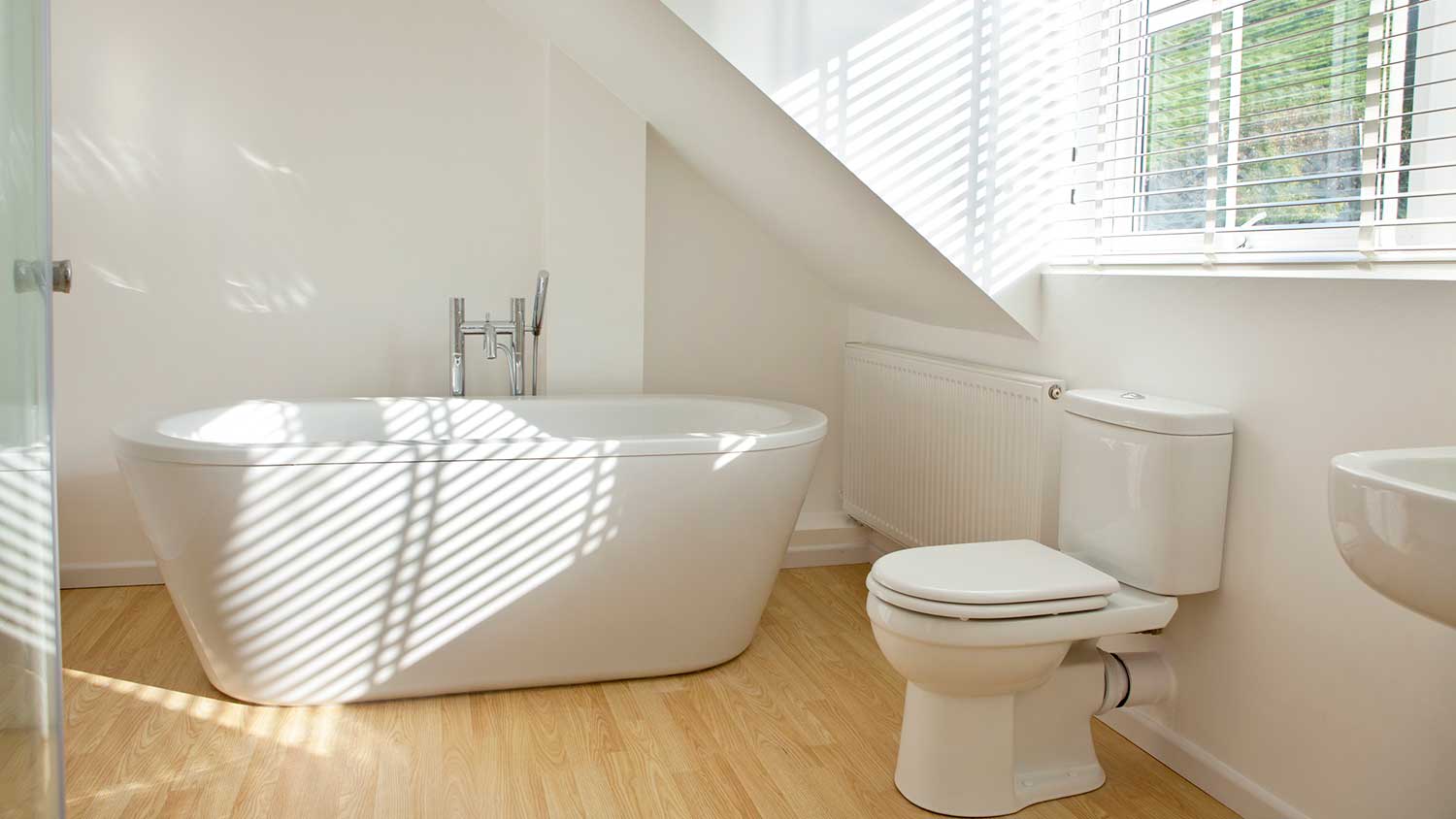
Find out the average toilet installation cost in Boston, MA. Learn what you can expect to pay for local plumbing services and upgrade your bathroom today.
Got temperature issues in your shower? You may need a new shower cartridge. This guide will help break down shower cartridge replacement costs in Boston, MA.
The cost to install a water line for refrigerators in Boston, MA typically falls between $81 and $141 depending on the materials, labor, and equipment.
Is your shower or sink drain blocked? Get tips for how to unclog a drain, and learn about drain cleaning costs in Boston, MA.