
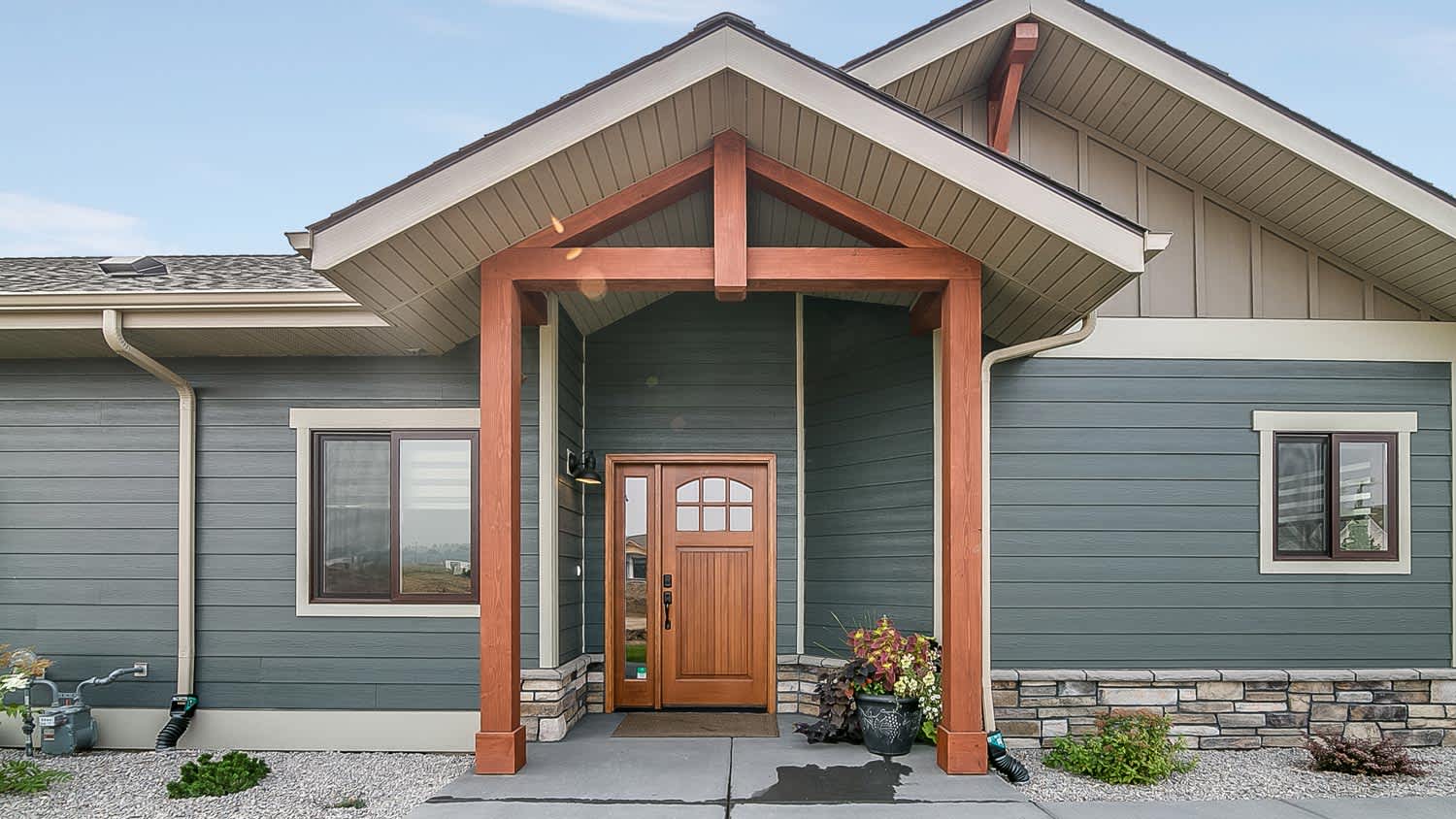
Whether you're pouring a new driveway or adding a patio to your outdoor space, use this guide to determine the cost to pour a new concrete slab in Denver, CO.
Concrete repair costs depend on your project and location. Check with a local pro for your specific job.

The cost to install a concrete walkway averages $55 to $140 per hour or $8 to $23 per square foot.
The size, thickness, and finish you choose are the most influential cost factors.
Budget for additional costs, such as grading and prep work, if the job requires it.
Hiring a concrete installation pro in Denver, CO ensures the work meets building code standards, is of professional quality, and maximizes your ROI.
The cost to install a concrete walkway in Denver, CO ranges from $1,693 to $2,539, on average, with most homeowners paying around $2,116. Your total will depend primarily on the project's size, the required thickness of the concrete, and the finish you choose. Additional costs may apply for prep work, if necessary.
This guide covers concrete walkway installation costs by size and type and includes additional factors to consider.
Denver, CO's unpredictable weather and wild temperature swings make concrete's durability and versatility especially appealing when deciding between different types of walkways.
The primary cost factors for installation are the square footage and its required thickness, while the final finish of the walkway can also significantly affect pricing. Your contractor generally includes concrete delivery costs as part of the total estimate. However, demolition and prep work can add to the project's cost.
The average concrete walkway costs about $2,120 for 200 square feet. That’s just under $11 per square foot of concrete laid and finished, including labor and materials. You’ll likely see similar costs for concrete sidewalks, as the materials and installation process are identical. Surfacing could be the only price difference, especially if you’re going with stamped concrete on your walkway.
You’ll also need to consider the concrete thickness. Most walkways and sidewalks are around 4 inches thick. You might need thicker and more expensive concrete slabs depending on your project and its intended use, including whether the concrete will support vehicle weight.
| Concrete Replacement by Size | Average Cost Range |
|---|---|
| 75 sq. ft. walkway (4 in. thick) | $635–$950 |
| 75 sq. ft. walkway (6 in. thick) | $740–$1,060 |
| 100 sq. ft. sidewalk (4 in. thick) | $845–$1,270 |
| 100 sq. ft. sidewalk (6 in. thick) | $950–$1,380 |
| 130 sq. ft. walkway (4 in. thick) | $1,110–$1,640 |
| 130 sq. ft. walkway (6 in. thick) | $1,215–$1,800 |
| 200 sq. ft. sidewalk at (4 in. thick) | $1,690–$2,540 |
| 200 sq. ft. sidewalk (6 in. thick) | $1,900–$2,750 |
For standard flat concrete, you’ll pay between $8 and $13 per square foot, including materials and labor to pour and smooth the concrete with floats. If you prefer something unique, you might consider different concrete finishes to make your walkway look like flagstone, pavers, or other materials. For example, stamped concrete costs $10 to $23 per square foot.
You can choose from numerous concrete finishes, and the table below includes a quick look at the standard price range per square foot:
| Type of Finish | Average Cost per Sq. Ft. |
|---|---|
| Acid-stained concrete | $13–$26 |
| Broom finish | $8–$13 |
| Colored concrete | $8–$13 |
| Exposed aggregate | $8–$13 |
| Polished concrete | $8–$13 |
| Salt finish | $8–$13 |
| Stained concrete | $19–$21 |
| Stamped concrete | $10–$23 |
| Trowel finish | $8–$13 |
Note that most municipalities don’t allow certain finishes like stamped, polished, or colored concrete for sidewalks, as this is considered public property. You can check local regulations for guidance. That said, you shouldn’t have a problem using these finishes on residential pathways.
If you’re replacing an older walkway, you might need to remove and dispose of the old concrete. This can cost $2 to $6 per square foot, depending on factors like size, thickness, and more.
Other prep work might be necessary for new concrete pathways, including:
Installing a base for the concrete such as gravel or sand to help with drainage and stability costs between $55 and $140 per hour.
Denver, CO-area excavation to dig out the area before installing the concrete walkway costs between $130 and $160 per hour.
Denver, CO-area grading to level out sloped or uneven surfaces costs between $1 and $2 per square foot.
Adding a vapor barrier to prevent cracking and other moisture issues adds $0.50 to $1.50 per square foot to the price.
Constructing your own concrete walkway is possible as a DIY task. However, even avid DIYers often reconsider the idea for several reasons. First among them is the weather that Denver, CO experiences. The frequent freeze-thaw cycles demand proper concrete installation techniques to prevent cracking and failures. The next is that concrete is more or less permanent, and any DIY errors tend to remain apparent for a long time. Finally, while residential walkway projects don't always require a permit, several exceptions exist in which obtaining one is necessary.
Most area residents eliminate the risks and confusion by hiring a local concrete installation professional to handle the job from start to finish.
Hiring a pro costs $55 to $140 per hour or about $8 to $23 per square foot depending on project specifics. Doing so ensures the job is code-compliant, can stand up to the elements, and remains safe for use throughout its lifespan.
Homeowners who replace, upgrade, or install a concrete walkway often see a modest increase in home value, but the main benefits have more to do with enhanced safety and curb appeal.
On the other hand, installing a new concrete patio does offer significant investment returns. Area residents often see ROI values of between 50% and 90% after installing a concrete patio. When paired with the addition of a new walkway, the ROI leans more toward the higher end of that range.
To help homeowners plan their next project, Angi provides readers with carefully researched cost data and upholds strict editorial standards. We start with national average project costs, which we collect by analyzing competitor information, retailer material costs, and input from professional contractors. We then apply local price index data to calculate location-specific estimates that reflect what homeowners typically pay in their local area. To do that, we use data from the U.S. Bureau of Economic Analysis (BEA), including its Regional Price Parities (RPPs), which measure price differences across cities. This helps us account for differences in labor, materials, and overall cost of living, so estimates in higher- or lower-cost areas better reflect real-world local pricing.
Every estimate undergoes a thorough editorial review to verify accuracy, consistency, and alignment with observed market conditions.
Want to help us improve our cost data? Send us a recent project quote to [email protected]. Quotes and personal information will not be shared publicly.
The job was done beautifully and with high integrity. These people know concrete! I have had concrete jobs before but never with this kind of attention to detail. the work is excellent and highly recommend this group.
 Merit Construction
Great service i am happy with Job that got done. I definitely recommend Flacos Concrete, I will be using them for future projects.
 Flacos Concrete LLC
I recently had my driveway extended and couldn’t be happier with the results. The crew was professional, on time, and paid close attention to detail. The concrete finish came out smooth and clean, and the new extension blends perfectly with the existing driveway. They kept the job site...
 HMC Concrete LLC
We had our floors finished by custom concrete coatings. They look amazing! The process from schedule to finish was very professional and fast. I highly recommend them
 Custom Concrete Coatings of Colorado
I would highly recommend Gutierrez concrete company. They did some repaving of concrete in a patio, and some rock and drainage issues. They were very punctual, highly responsive to our needs when needed to make adjustments, and did a professional job. They went above and beyond to make us...
I’m not easily impressed, however this company amazed me. Made bad concrete look good again that other companies said there is no repair option, it must be replaced. Also their overall customer service is outstanding. What ever was agreed upon happened.
It was perfect. I could not have asked for better service. They came installed supports. Let concrete dry. Came back when they said they would and finished the job to perfection. Would absolutely recommend them to anyone.
 Elevated Fencing LLC
Gabriel is a good hire for concrete repair.
 Summit Painting & Decorating Coatings
Excellent and very professional. The job was done quick and efficient and no settling or cracking in the beautiful patio in our back yard . Would recommend to anyone looking for any concrete work that needs to be done. A+++++
 L&S Concrete LLC
I called them on Friday afternoon before Memorial Day to schedule a repair/replacement for part of my garage floor. They were here at 8:00 am the following Saturday morning and had the bad section of floor removed and replaced with new concrete by 4:00 pm that same day. They returned to...
From average costs to expert advice, get all the answers you need to get your job done.
Whether you're pouring a new driveway or adding a patio to your outdoor space, use this guide to determine the cost to pour a new concrete slab in Denver, CO.
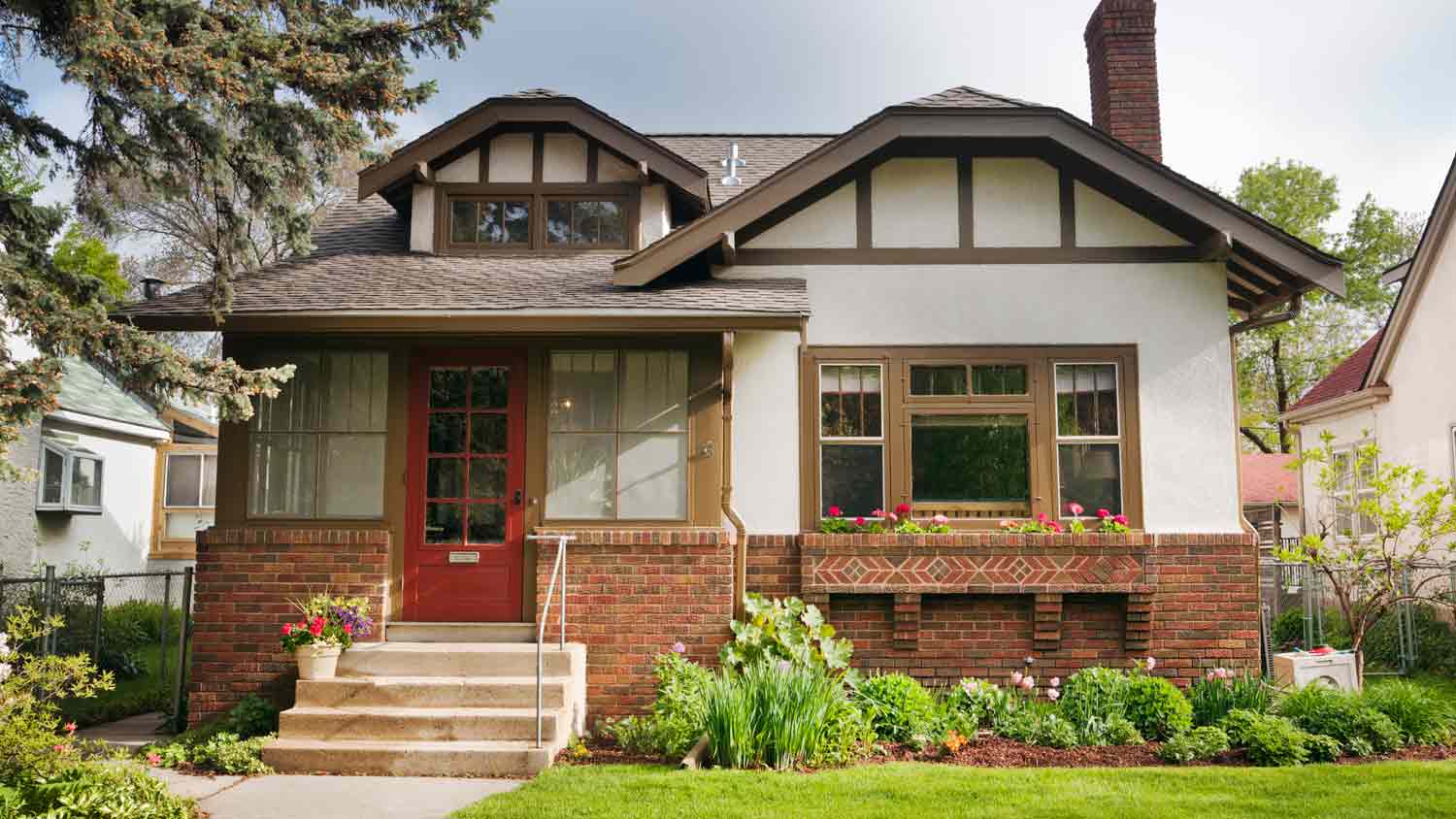
Installing new concrete steps can enhance your home’s curb appeal. Learn all the factors that can affect the cost to install concrete steps in Denver, CO.
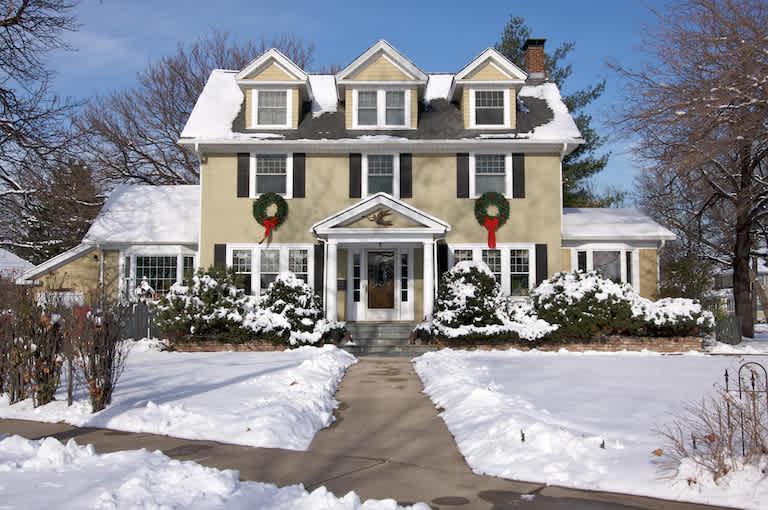
Is your sidewalk in need of some TLC? Use this comprehensive guide to look at sidewalk repair costs in Denver, CO, so you know what to expect.
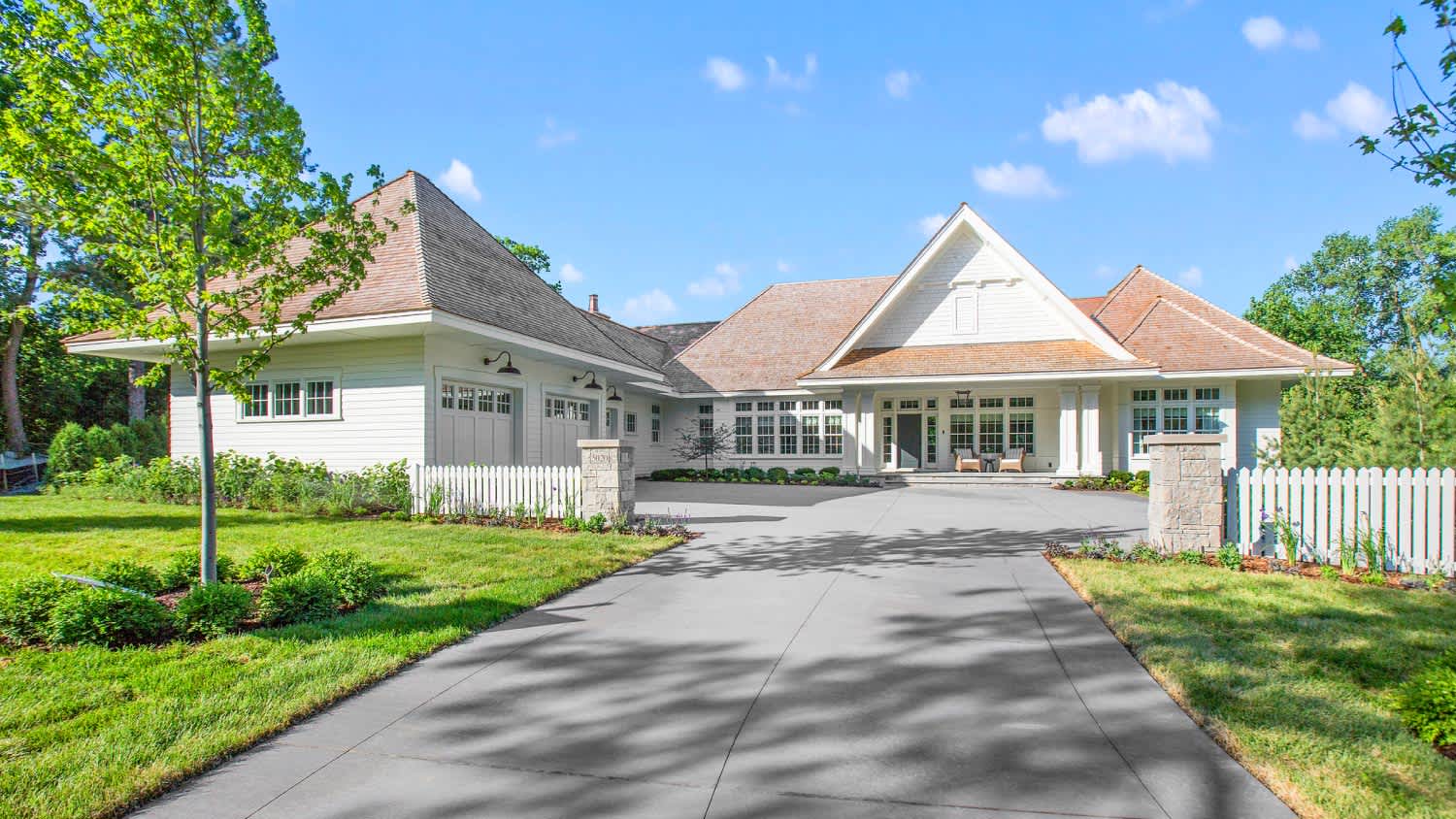
The cost of a concrete driveway in Denver, CO, varies based on size and concrete type. This cost guide breaks down all the key factors to help you budget.
A concrete patio adds outdoor living space to your home. Learn how much a concrete patio costs in Denver, CO, and the factors affecting the project price.
Find out the average concrete delivery cost in Denver, CO. Learn what you can expect to pay for local materials and delivery to plan your next project.