
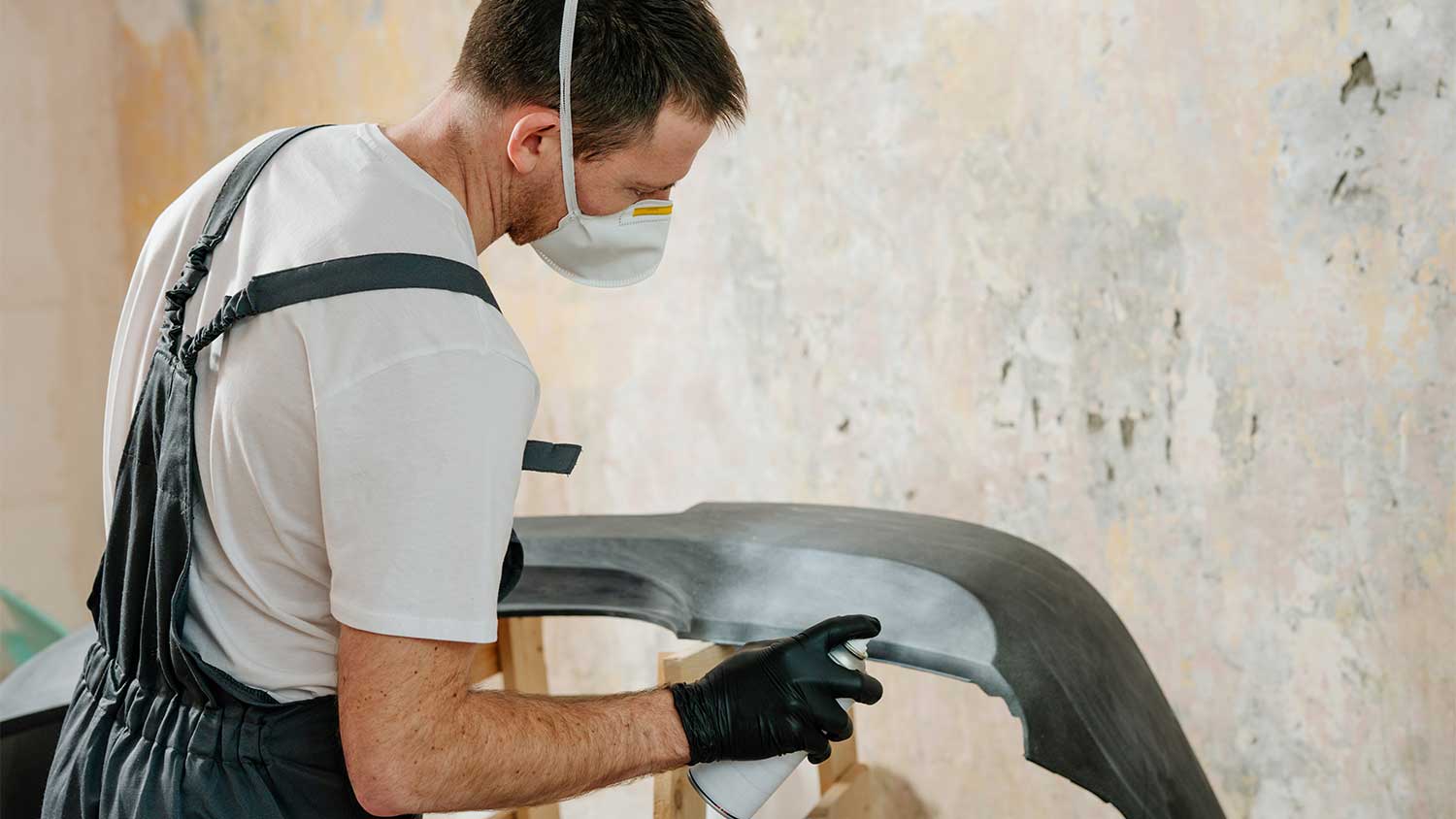
How long spray paint takes to dry depends on the type of paint, the surface, the climate, and more. Keep reading to discover your spray paint’s dry time.
You don’t have to watch paint dry when you know when to apply your next coat

Wall paint drying time depends on paint type, humidity, temperature, and ventilation, so your environment directly affects how quickly you can recoat.
Thin, even coats of paint dry faster than thick applications, and using fresh paint helps your walls cure properly without streaking or bubbling.
Acrylic and latex paints need two to four hours between coats, while oil-based paints require eight to 24 hours before recoating.
Hiring a local interior painting professional ensures proper application and timing, helping you achieve a smooth, long-lasting finish without guesswork.
Freshening up your walls with a new coat of paint is a great way to change up your home’s look, but not waiting long enough for your paint to dry can lead to an imperfect finish, uneven color, dents, smudges, or paint transfer. Paint drying time can range between two and 24 hours to be dry enough for another coat and 7 to 30 days to be fully cured, depending on the type of paint. Learn how long each type of paint takes to dry so you get a perfect finish every time.
There’s a difference between when your paint is ready for the next coat and when it’s fully set and ready for you to hang your artwork back up or push furniture against it. Paint is generally considered dry several hours after it’s dry to the touch and is ready for the next coat, but paint isn’t fully cured and properly adhered to the wall sometimes for up to a month after painting.

Paint drying time depends on various factors, so it’s important to make sure it’s dry enough for the next stage in your painting process, whether that’s adding another coat, removing painter’s tape, or hanging artwork on the wall.
Different types of paint dry and cure at different rates, so you’ll need to know what kind of paint you’re working with to know how long to wait between coats. Oil-based paints need about 8 to 24 hours to dry between coats, and fully cure within a week. Acrylic and latex paint need to dry for 2 to 4 hours between coats, but can take up to a month to fully cure. How long spray paint takes to dry depends on the type of paint as well, but often dries faster than traditional paint.
| Type of Paint | Time to Dry | Time to Cure |
|---|---|---|
| Acrylic | 2–4 hours | 14–30 days |
| Oil-based | 8–24 hours | 7 days |
| Latex | 2–4 hours | 30 days |
The environmental factors in the room you’re painting can drastically affect the paint’s drying time. Humid air will prevent paint from drying, as it causes moisture to settle on the wall’s surface and prevents the water in the paint from evaporating.
A room that’s too hot or cold can also interfere with the drying process. Cold temperatures can cause paint to thicken and dry too slowly, and high heat can dry the outermost surface of the paint while leaving the paint underneath still wet.
Improving ventilation where you’re painting will help regulate humidity and temperature and circulate fresh air to prevent you from breathing in paint fumes. Depending on the outside weather conditions, open a window to circulate air or run a fan if opening a window isn’t an option.
Proper application will not only help your paint dry smoother but also speed up drying time. Thin, even coats of paint will dry faster than thick ones and will be less likely to dry unevenly, which can lead to a splotchy or streaky finish. Using old or expired paint can also affect drying time—paint that’s past its prime can take much longer to dry and may not cure properly.
If you aren’t confident in your paint application abilities, hire a painter to tackle the project. A local interior painter will ensure you get professional results and a picture-perfect paint finish.
Is it really that important to make sure paint is dry before you apply the next coat? If you want your paint to wear well and last longer, then yes, it is very important. Applying another coat of paint before the previous one is dry can lead to streaking, bubbling, peeling, or uneven coverage. It can also affect the color of the end result, and your paint may not match the swatch.
Hanging items on the wall, putting furniture against freshly painted surfaces, or putting just-painted items into daily use before the paint is fully cured can cause blemishes on the paint’s surface or result in paint transfer from the painted surface onto other items.
Custom Paint Jobs LLC is the go-to choice for all your painting needs. They painted both the interior and exterior of my house flawlessly. Their work speaks for itself!
 Custom Paint Jobs, LLC
Beginning with the estimate, Larry and Peyton were super helpful in getting my new condo's interior re-painted. Not only was the job well done, but also done in a super timely manner as promised.
 Five Star Painting of Plain City and Powell
From average costs to expert advice, get all the answers you need to get your job done.
How long spray paint takes to dry depends on the type of paint, the surface, the climate, and more. Keep reading to discover your spray paint’s dry time.
If you’re looking at bare walls and wondering how long it takes to paint a room, we’ve got you. Keep reading to learn how much time interior painting takes.
How long does plaster take to dry? It depends. This guide shows you how long plaster needs to dry and cure and why the process is worth the wait.
The average driveway coating takes between 30 minutes and eight hours to dry, but weather and sealant type can influence the dry time. Read on to learn more.
Waiting for your carpet to dry and not sure how long it will take? That depends on humidity, the type of carpet, and the cleaning and drying processes used. Learn the average time for carpet to dry so you know what to expect.
After spackling your walls, you’ll have to wait until it’s fully dried before painting, but how long? Use this guide to estimate how long spackle takes to dry.