
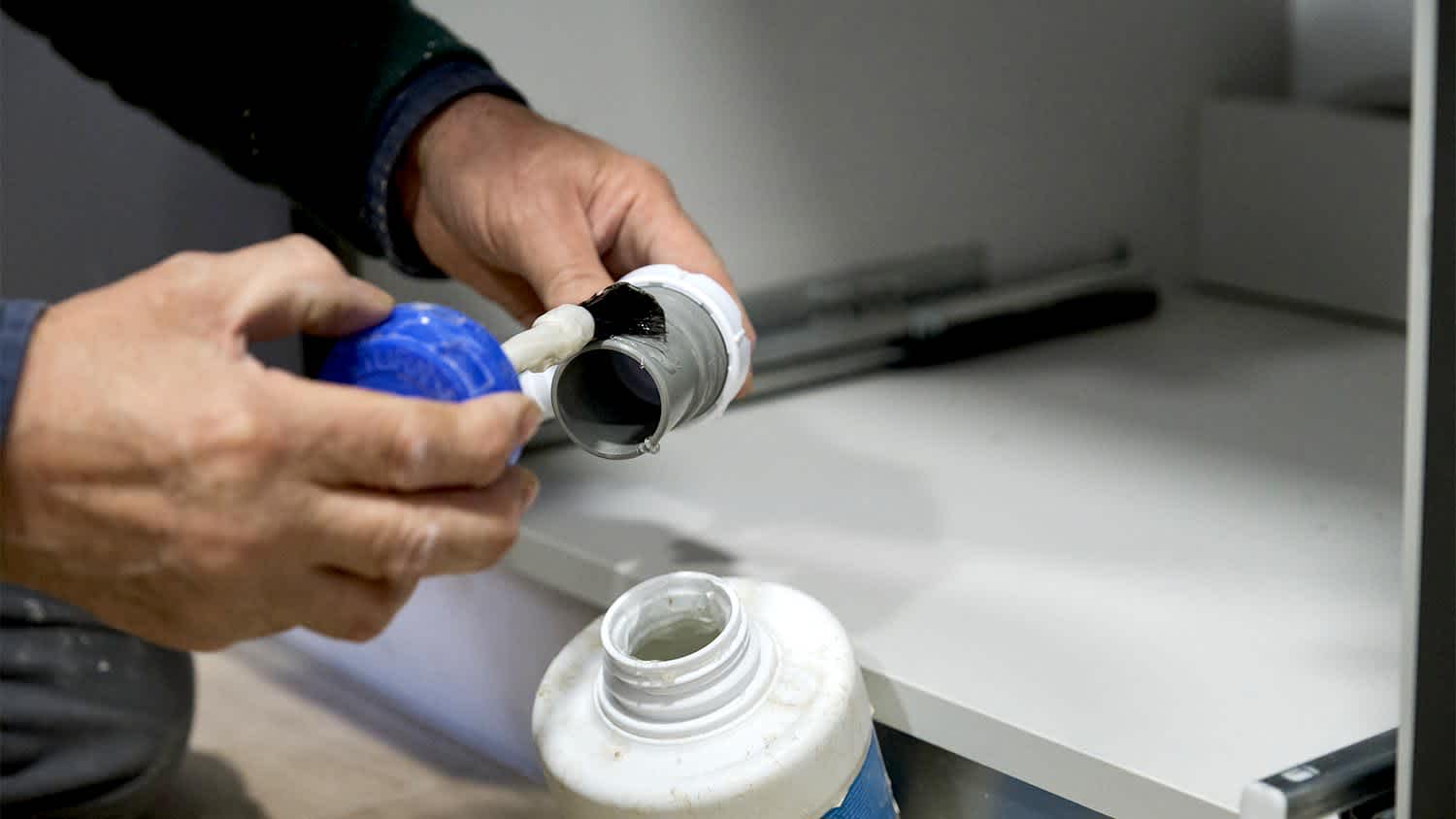
Cold welding some pipes together and wondering how long it’s going to take? Here’s everything you need to know about PVC glue dry time.
Adhere to these guidelines to get your wood project to stick

Wood glue drying time depends on glue type, humidity, and temperature, with most glues taking 30 to 60 minutes to dry and 24 hours to cure.
Clamping time for your project depends on joint stress: unstressed joints need clamping only during the dry time, while stressed joints require 24 hours for full strength.
You can speed up wood glue drying by keeping the temperature between 65 to 75 degrees Fahrenheit, using a dehumidifier, and applying a thin, even layer.
Hiring a local woodworking professional provides reliable support for projects requiring strong joints and precise clamping, especially for furniture repairs and stressed joint work.
Whether you’re repairing a piece of furniture, fixing a wooden toy, or crafting something new, it’s critical to wait until your wood glue fully cures to move on with your project. The type of glue, temperature, and humidity all play a role in how long wood glue takes to dry.
In this guide, learn everything you need to know about wood glue dry time and how to speed up the process.
On average, it takes 30 to 60 minutes for wood glue to dry, and 24 hours for it to fully cure. When wood glue is dry, there's a temporary bond, and the surface is dry to the touch. When wood glue is cured, the chemical change is complete, and the piece is fully bonded.
Always read the label on your wood glue and follow the dry and cure times. Once the wood glue cures, you can finish the piece, sand or stain it, or use it as normal.
Wood glue is an adhesive that securely bonds two pieces of wood. The type of glue and the substance it's made of can impact the wood glue's dry time. Read the instructions on your bottle for specific dry and cure times.
In general, expect the following wood glue dry times by type:
Polyvinyl Acetate (PVA)
General purpose wood glue
Typically a 30-minute or 60-minute dry time
24 hours to fully cure
Polyurethane
Fills in small gaps or cracks
Typically a 30-minute dry time
24 hours to fully cure
Epoxy
Two-step wood glue made of resin and hardener
Waterproof and great for small repairs
Typically a five to 20-minute dry time
24 hours to cure fully, but rapid-set glue can cure within six hours
Cyanoacrylate
Quick-acting glue
Typically dries in under a minute
Eight to 24 hours to fully cure

The amount of time you should clamp a woodworking project depends on whether it's a stressed or unstressed joint. You can use woodworking clamps or, for smaller items, double-sided woodworking tape can serve as a clamp.
An unstressed joint carries a small static load and doesn't need as much support as stressed joints. Wood glue can offer extra protection or repair an unstressed joint.
You should clamp unstressed joints within the glue’s dry time, then remove the clamp and wait the rest of the cure time. If you leave the clamp on too long, it can alter the shape of the wood due to too much pressure.
Examples of unstressed joints:
Window frames
Picture frames
Wooden toys
Boxes and crates
Window panels
Baseboards and shoe molding
Doors and door frames
Stressed joints carry a high dynamic load. Clamping for the full cure time allows the joint to remain strong for years to come.
You should clamp stressed joints for 24 hours to allow for the greatest strength and bonding in the exact position you need. If you remove the clamps too early, the bond may not be strong, and you could damage your project.
Examples of stressed joints:
Chairs
Cabinet joints
Tables
Shelves
Wood floor joints
Drawers
It can be difficult to wait for your project to be ready, but there’s a huge impact on your final result. If you don’t wait the full wood glue set time, you risk:
A weak bond
Movement of the wood, causing an uneven or off-kilter seam
Difficulty when sanding or staining the piece
Having to reglue
Damage to your piece
You can get wood glue to dry faster by making sure the environment is optimal for drying, such as a space with low humidity and adequate airflow. Still, let the piece fully cure to ensure the bond is set.
Keep the space's temperature above 50 degrees Fahrenheit, ideally setting it between 65 to 75 degrees Fahrenheit.
Use a dehumidifier when working in a humid space, such as a basement. Aim for indoor humidity between 30% and 50%. Use a moisture meter to check humidity levels.
Apply a thin, even layer of glue, as too much glue can extend the dry time and weaken the structure.
Ensure the wood is dry before applying glue. Less moisture content in the wood quickens glue set time.
Replace expired glue with new glue. Out-of-date glue might not have as much holding power.
Blow cool air across the joint with a fan, but ensure the fan is clean and doesn’t blow dust or debris into your project.
Use a heat lamp to warm the room and help moisture evaporate from the glue.
Blow a hairdryer on the joint, but be gentle and ensure you reach the joint from all angles.
Avoid lateral movement of the piece to prevent a weak bond and an off-kilter joint.
If you’d like help with a woodworking project or ensure the joint holds for years to come, consider hiring a local woodworker.
Cyanoacrylate wood glue usually dries clear. Epoxy wood glue typically dries clear or has a yellow tint. PVA and polyurethane glues usually dry orange or brown. The type and brand of wood glue determine what color it is when you apply it and what color it is when it’s dry. Review the packaging ahead of time for color details.
Incredible workers! Very skilled with the machinery, climbing, cutting, roping, and removal. Handled everything. Professionals!
 Hoffman Expert Tree Services
I m so impressed with Custom Paint Jobs LLC s craftsmanship. They truly care about quality.
 Custom Paint Jobs, LLC
Window Depot did an amazing job on my deck. I wasnt sure what I wanted to do, but their composite decking was affordable and will last a long time. I am excited to have family over, and I am no longer embarrassed by my backyard. Jeff and the ground crew were polite, respectful, and caring for...
 Window Depot USA of Central Ohio
Storms Mobile Welding was great to work with. They were prompt, professional and did an overall excellent job on the project. I highly recommend.
Great job...edging and pre clean up went well with a great job with seal coat. Friendly, efficient and professional.
 All Star Paving and Sealing
Great tree company, very professional and honest. Glad we found them, they had the best pricing
It was wonderful working with Yordy and his team. They were very professional and are experts in what they do. They have completed the work on time, with better quality and with in fairly reasonable price. We just started with backsplash work , but liking his work, we went on to provide...
 Flooring Solutions
The job went extremely well. Work was done as promised and the job came out better than expected due to Mr. Moyer's commitment to excellence and personal pride in providing the best work possible. He is one of those professionals who is not satisfied until the customer is completely happy...
 Pro Flooring
We needed to have a wall cabinet resized so that we could fit a larger refrigerator underneath. I removed the cabinet from the wall myself and brought it in, where Wally was able to resize it for me in his shop. The results were perfect: it's exactly the size that I asked for, and...
 Pioneer Woodworks
The work was almost completed when we gave the owner Tim Barton $400 as a downpayment to be put on his list for work in the future after we had new woodwork installed.The next day Mr. Barton had difficulty installing a door handle and took the position that it was broken before his employee...
 Above And Beyond Painting LLC
From average costs to expert advice, get all the answers you need to get your job done.
Cold welding some pipes together and wondering how long it’s going to take? Here’s everything you need to know about PVC glue dry time.
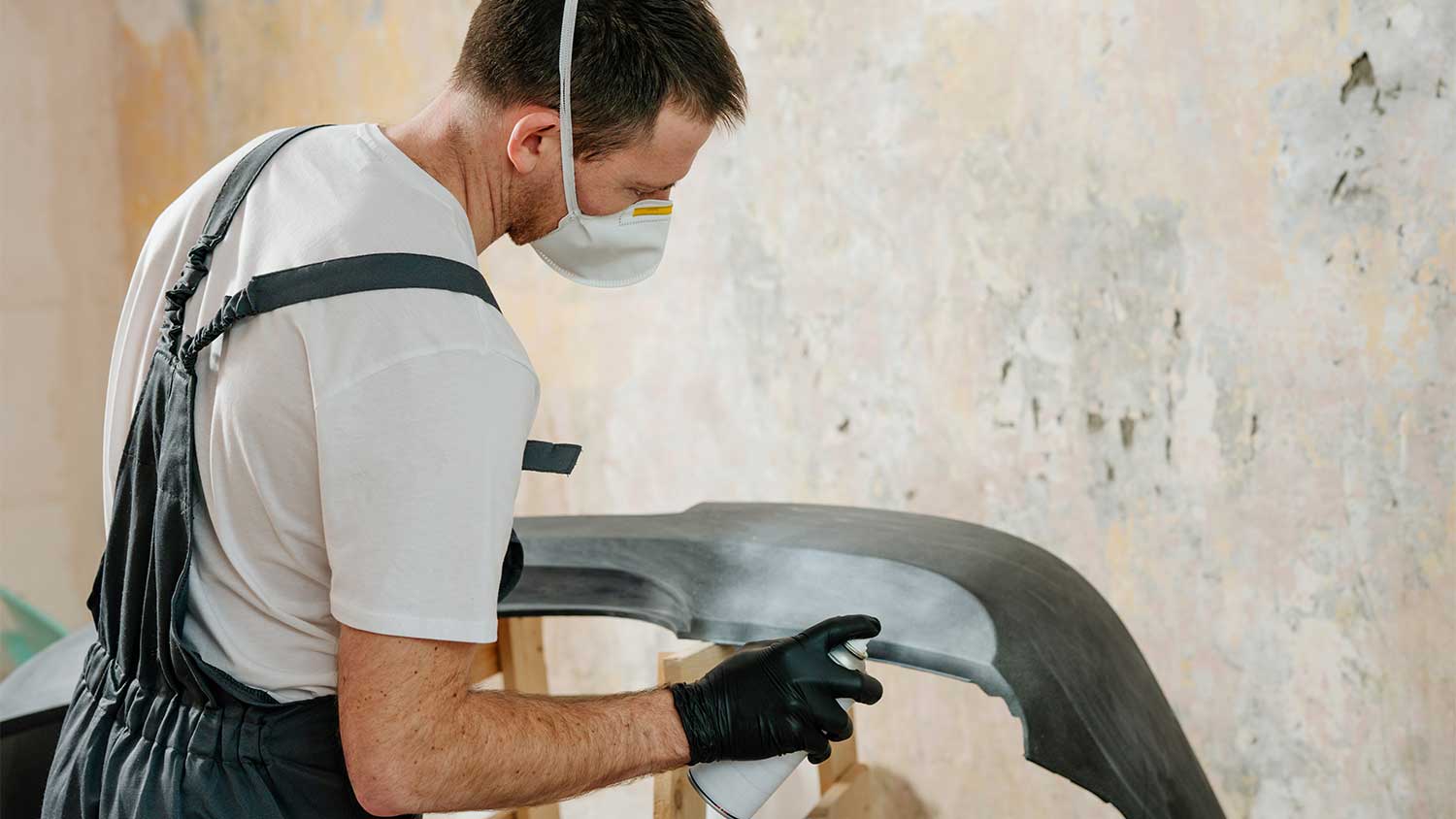
How long spray paint takes to dry depends on the type of paint, the surface, the climate, and more. Keep reading to discover your spray paint’s dry time.

How long does plaster take to dry? It depends. This guide shows you how long plaster needs to dry and cure and why the process is worth the wait.
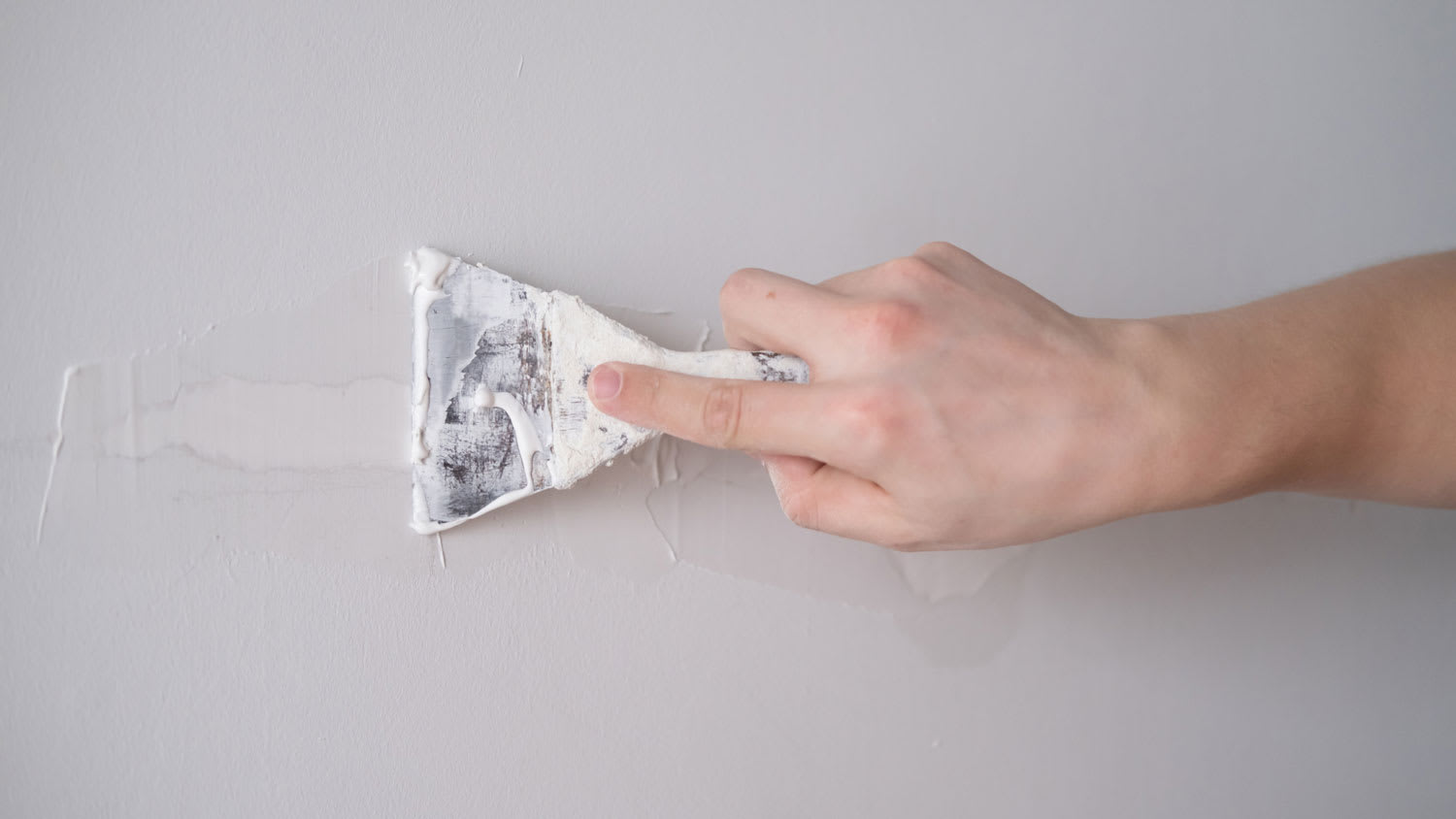
After spackling your walls, you’ll have to wait until it’s fully dried before painting, but how long? Use this guide to estimate how long spackle takes to dry.
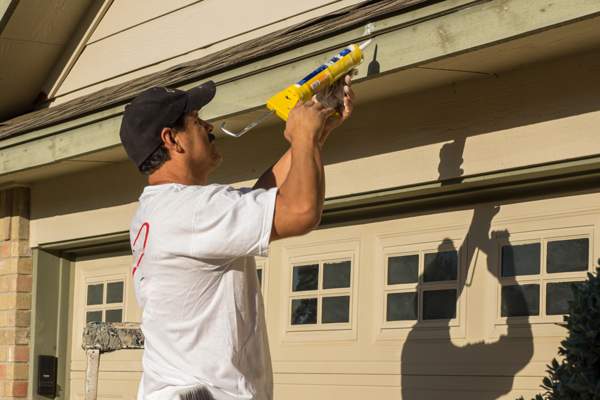
Allowing your caulk to fully dry and cure is key to long-lasting results. But how long does it take for caulk to dry? Learn the factors that affect the process.
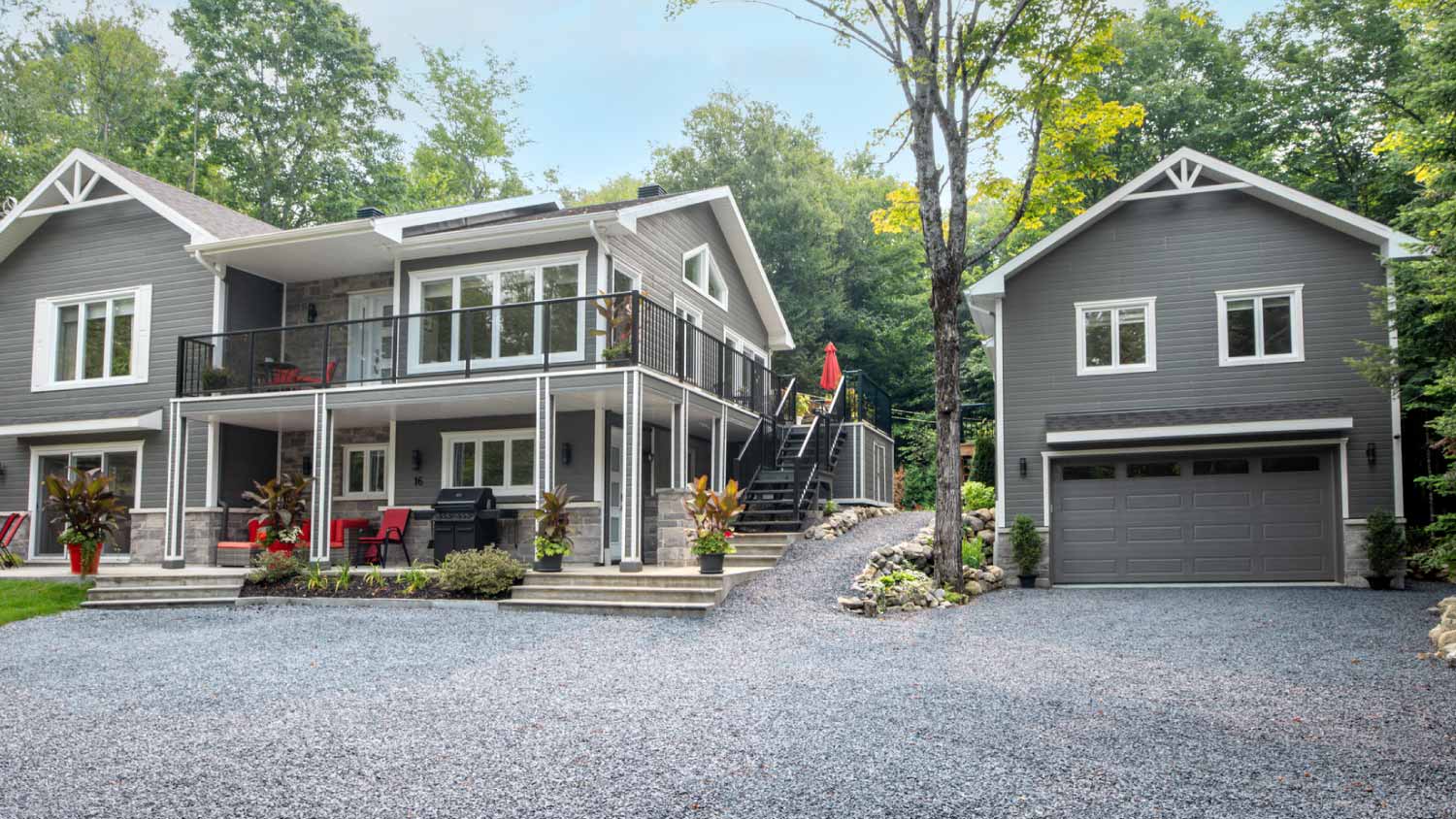
The average driveway coating takes between 30 minutes and eight hours to dry, but weather and sealant type can influence the dry time. Read on to learn more.