
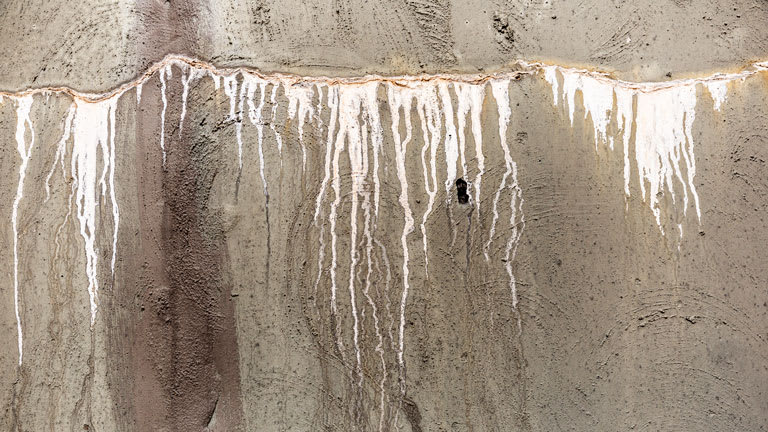
Plumbing leaks are never fun, but they’re worse when they happen inside your foundation. Use this guide to slab leak repair costs to learn what to expect.
These concrete repair methods can fix cracks, crevices, and everything in between

Concrete slab repair methods range from simple topical sealing for surface cracks to structural fixes like epoxy injection, crack stitching, and underpinning.
Expect to pay $15,000 to $50,000 for underpinning, the most permanent fix for sinking foundations, while mudjacking and polyjacking cost less.
Your repair choice depends on whether the crack is cosmetic or structural, so confirm the damage type before selecting a repair method.
Hiring a local concrete company provides reliable guidance on crack diagnosis and permanent fixes, including polyjacking for structural slabs and underpinning for foundations.
Concrete slabs serve as sidewalks, walkways, patios, and even home foundations, and while the material is highly durable, it can sustain damage over time. Whether it’s cosmetic damage, like a hairline surface crack, or structural damage resulting from soil movement under your home, these concrete slab repair methods can get your slab looking and functioning like new again.

One of the most common problems homeowners face with concrete slabs is purely cosmetic: cracking on the surface. It’s not always obvious that a concrete slab crack is aesthetic and doesn’t indicate structural damage, so you should call in a concrete company near you to investigate. A simple topical seal is likely the best option if it is just an aesthetic crack.
A professional will use a router or masonry saw to widen the crack and create a clean surface for the sealant to adhere to. They’ll then use a concrete sealant or Portland cement to grout over the crack and cover the seam.
| Pros | Cons |
|---|---|
| Good for any surface | Non-structural |
| Not permanent |
Best for: Any surface crack that isn’t structural on walkways, sidewalks, concrete steps, patios, or home foundations
A crack injection is an alternative concrete crack repair method that a contractor might use if the crack is suspected to be structural. Instead of grout, which the expert would use for a non-structural crack, your professional will use an epoxy injection. This is sometimes contained in concrete forming methods, like a mold.
The epoxy resists tensile force, so it can help prevent the crack from widening. The epoxy is also waterproof, so it will protect from water damage and worsening structural issues.
| Pros | Cons |
|---|---|
| Affordable | Not permanent |
| Non-invasive | Not DIYable |
Best for: Temporary fixes for minor structural cracks in concrete slabs
Crack stitching is an option in cases where tensile forces on the concrete slab—which aren’t common—are causing the crack. Stitching involves inserting long, thin, U-shaped metal braces along the length of a crack, with the sides of the braces embedded into the concrete on either side of the crack. The braces add strength to the slab and prevent the crack from widening.
In many cases, your contractor will couple crack stitching with a sealant to prevent water intrusion through the gap, as the staples don’t seal the crack themselves. As such, you’ll also need to factor in the cost of concrete sealing.
| Pros | Cons |
|---|---|
| Non-invasive | Not permanent |
| Prevents movement | Demands sealing |
Best for: Temporary fixes to structural cracks in a concrete slab foundation

Resurfacing is the process of filling in and smoothing over divots where the surface of the concrete has crumbled or flaked off. Resurfacing is a purely cosmetic repair and won’t add any stability to your slab, but it’s a useful tool for sidewalks, walkways, patios, concrete steps, and even slab foundations that have visible surface imperfections.
Your contractor will scrape away any loose bits of concrete, clean the area, and apply a self-leveling mortar. As the name suggests, the flowable mortar will fill in the surface imperfections and level itself out before curing.
| Pros | Cons |
|---|---|
| Affordable | Non-structural |
| DIYable | Not permanent |
Best for: Repairing cosmetic damage on flat surfaces of concrete slabs, like peeling or crumbling
Mudjacking is a concrete leveling solution for sinking concrete slabs that aren’t under load. It’s a suitable fix for sidewalks, walkways, concrete patios, and sometimes cracked concrete driveways.
The process involves a professional drilling a hole in the sunken portions of your slab and pumping a cementitious material underneath. The material raises the slab back up into place and then cures.
Mudjacking is a job you should leave to concrete repair professionals. Adding too much cementitious material under your slab can raise it too much and add weight to the soil below it, potentially worsening your problem. Mudjacking also isn’t a good option for home foundations in most cases, so most professionals will rely on polyjacking instead. However, mudjacking costs less than polyjacking.
| Pros | Cons |
|---|---|
| Affordable | Not DIYable |
| Fixes sunken slabs | Not permanent |
Best for: Leveling concrete slabs that aren’t under structural load, like sidewalks and walkways

Polyjacking works similarly to mudjacking, but your professional will pump polyurethane foam under the slab instead of cementitious material.
Polyurethane foam has some distinct advantages, including remaining super lightweight while providing more strength. This reduces the risk of worsening the sinking concrete problem, making it suitable for concrete under structural load, like a slab foundation.
Polyjacking is also a job best left to the professionals. The foam expands once you pump it under the slab, so the work requires an intimate understanding of how much foam is appropriate. Doing it yourself risks causing additional structural damage.
| Pros | Cons |
|---|---|
| Fixes sunken slabs | Not permanent |
| Structural repair | Expensive |
Best for: Concrete leveling for slabs that are under structural load, like home foundations
Underpinning is one of the only permanent repairs for structural damage on a concrete slab, as it addresses the underlying problem instead of implementing a solution to slow down further damage.
Underpinning involves excavating under your slab and installing piers that reach down to stable soil and support the slab from underneath. The piers rest on deep soil that won’t expand and contract with changes in moisture levels, mitigating any further structural damage.
Not only is the process invasive, but the cost of underpinning a foundation often falls between $15,000 and $50,000, making it one of the most expensive concrete slab repair methods. It is, however, permanent.
| Pros | Cons |
|---|---|
| Permanent solution | Very expensive |
| Structural repair | Invasive |
Best for: Permanent fixes to sinking concrete slab foundations
Positive experience. As previously stated, the replacement/repair could not be completed (no fault of the plumbing tech) b/c misinformation was rec?d by property management maintenance. Thanks to the plumbing tech for your efforts. Appreciate you!
 The Waterworks
Carpet repair done well. Scheduling was easy. Showed up on time.
 BR Flooring Installation
As usual with ECO, tech Jordan was outstanding, very professional, very knowledgeable, and very thorough with repairs made to tankless water heaters. Very highly recommend ECO!!!
 Eco Plumbers, Electricians, and HVAC Technicians
I would recommend this company to anyone! He showed up on time, was friendly, completed a very difficult repair on our dryer vent cover, was responsive, and pricing was extremely fair and competitive. I would have him back to do any of our repairs or cleanings without hesitation!
 U.S.A. Dryer Vent, LLC
Everything from initial contact to completion was absolutely top notch. We contacted the business during off hours to leave a message, and the owner still reached out to feel out the issue within minutes. We were scheduled and repaired within 48 hours. I cannot say enough about the...
 Supreme brick & chimney
Ace Fireplace Services came to the rescue for my chimney repair. They were quick to pinpoint the issue and worked their magic to fix it. My chimney is now in excellent shape, and I'm a satisfied customer.
 Ace Fireplace Services
On Sunday 2/26 I requested quotes via Angi from 4 refrigerator repair businesses. Northwest Appliance responded to me Monday morning (2/27) and my refrigerator was repaired by noon the same day. Great communication, they did everything they said they would. The technician had the parts on...
Great experience all together. Dog friendly, courteous, great results and honest with recommendations. Will certainly be using Cardinal in the future for any carpet repairs
 Cardinal Carpet Care & Repair
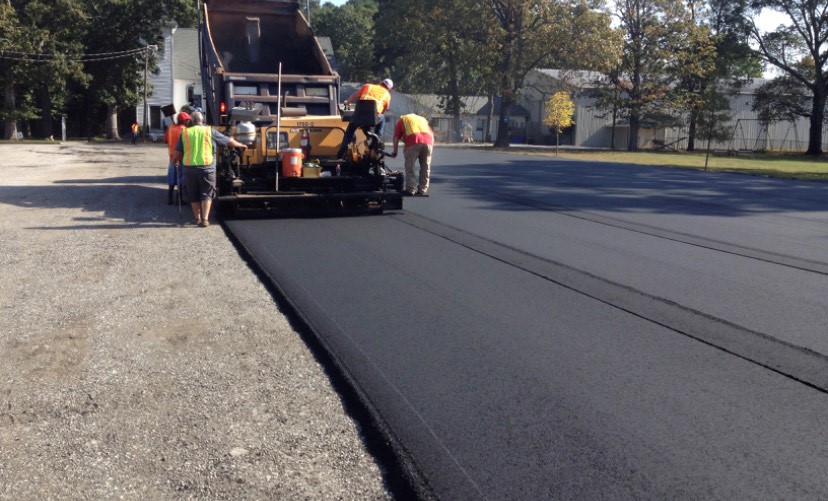
Working with Peter and his crew was a breeze. They were exceptionally polite and did a neat job to repair and seal our driveway. I will definitely talk to them first for additional work.
 Central Paving
Description says they handle window repair including rotten hardwood - they called me back right away but didnâ t leave a voicemail. I followed up 3 days later and they said they donâ t do that kind of work.
 Window-Gurus
From average costs to expert advice, get all the answers you need to get your job done.
Plumbing leaks are never fun, but they’re worse when they happen inside your foundation. Use this guide to slab leak repair costs to learn what to expect.
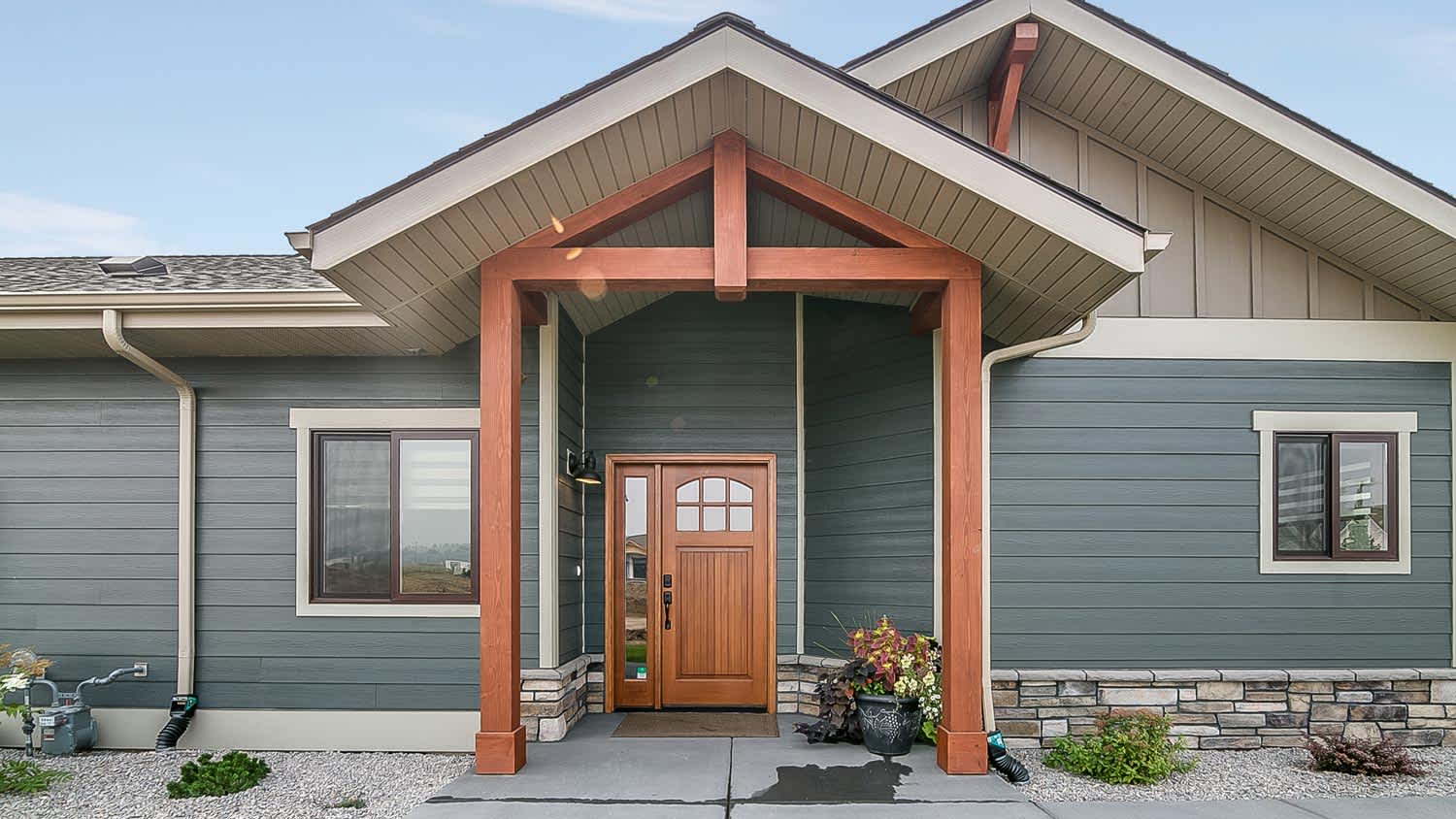
Concrete plays a role in more than just your foundation. No matter where you need the extra stability, here's how to determine your concrete slab cost.
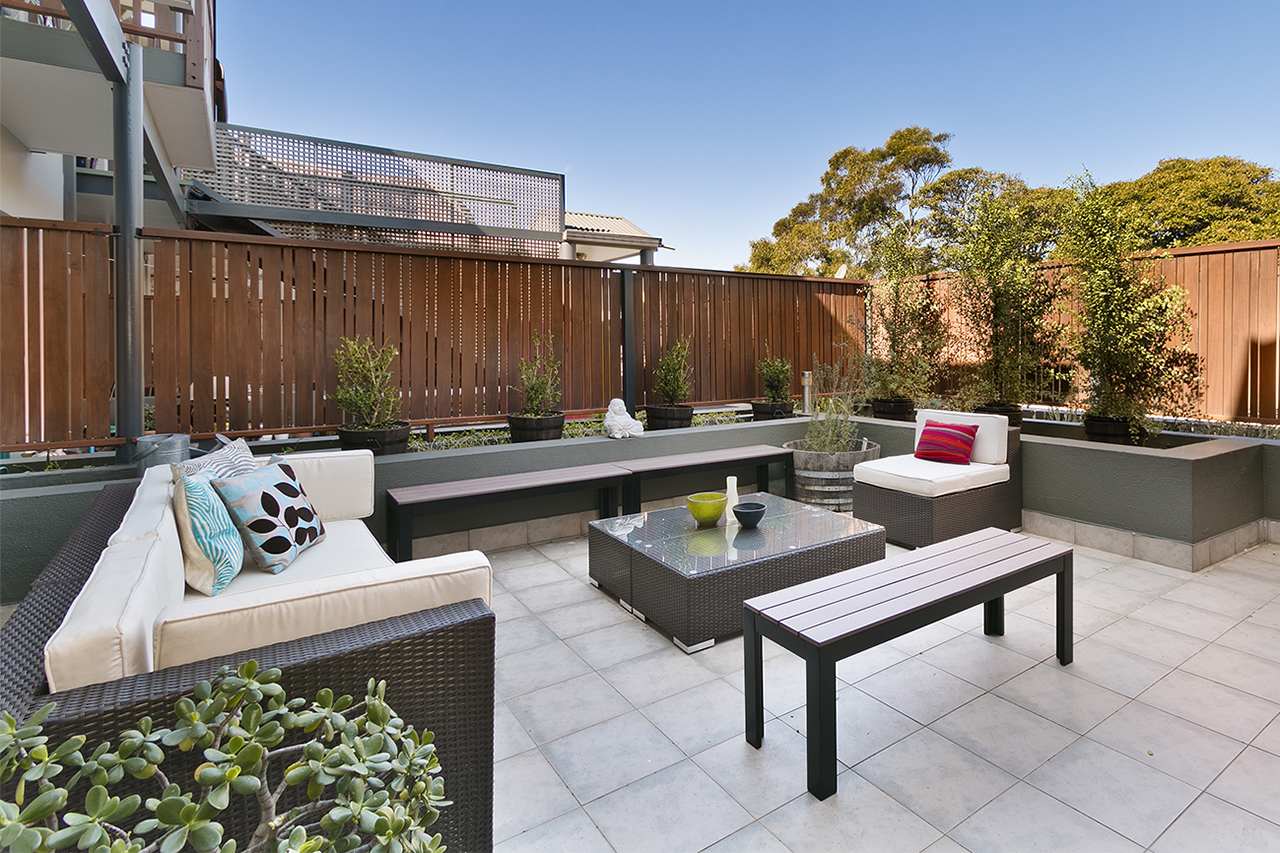
Need to breathe new life into your exterior stoop? Use this guide on concrete step repair cost to see the price of a professional repair.
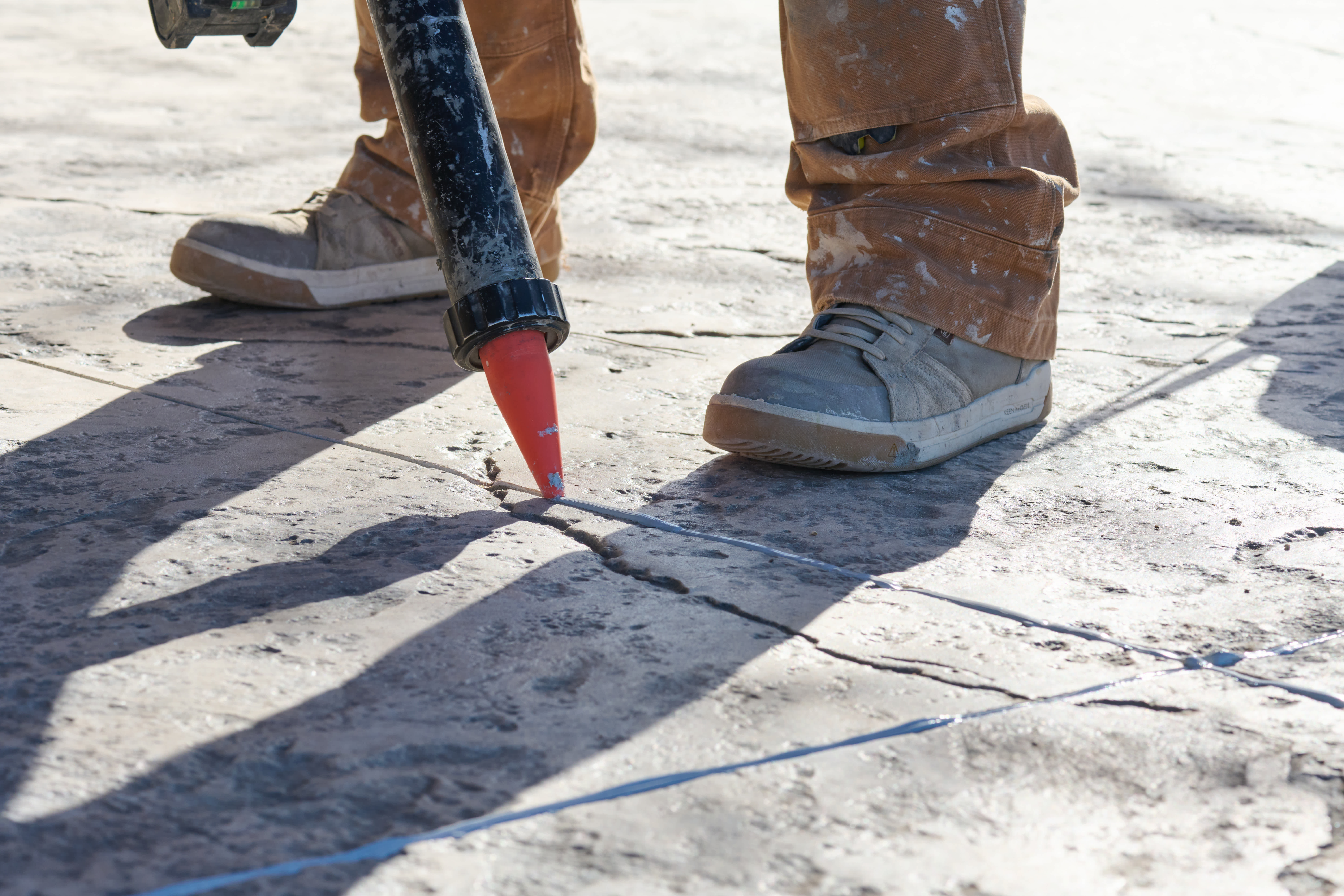
Dealing with cracked or crumbling concrete on your property? Learn who to call to repair concrete in this guide and the benefits of using a professional.

Foundation damage should be repaired quickly to avoid serious structural issues. Learn about different foundation repair methods and which is best for you.

Learn how to hire a qualified concrete repair pro for your project. From finding reputable contractors to questions to ask, get expert guidance here.