
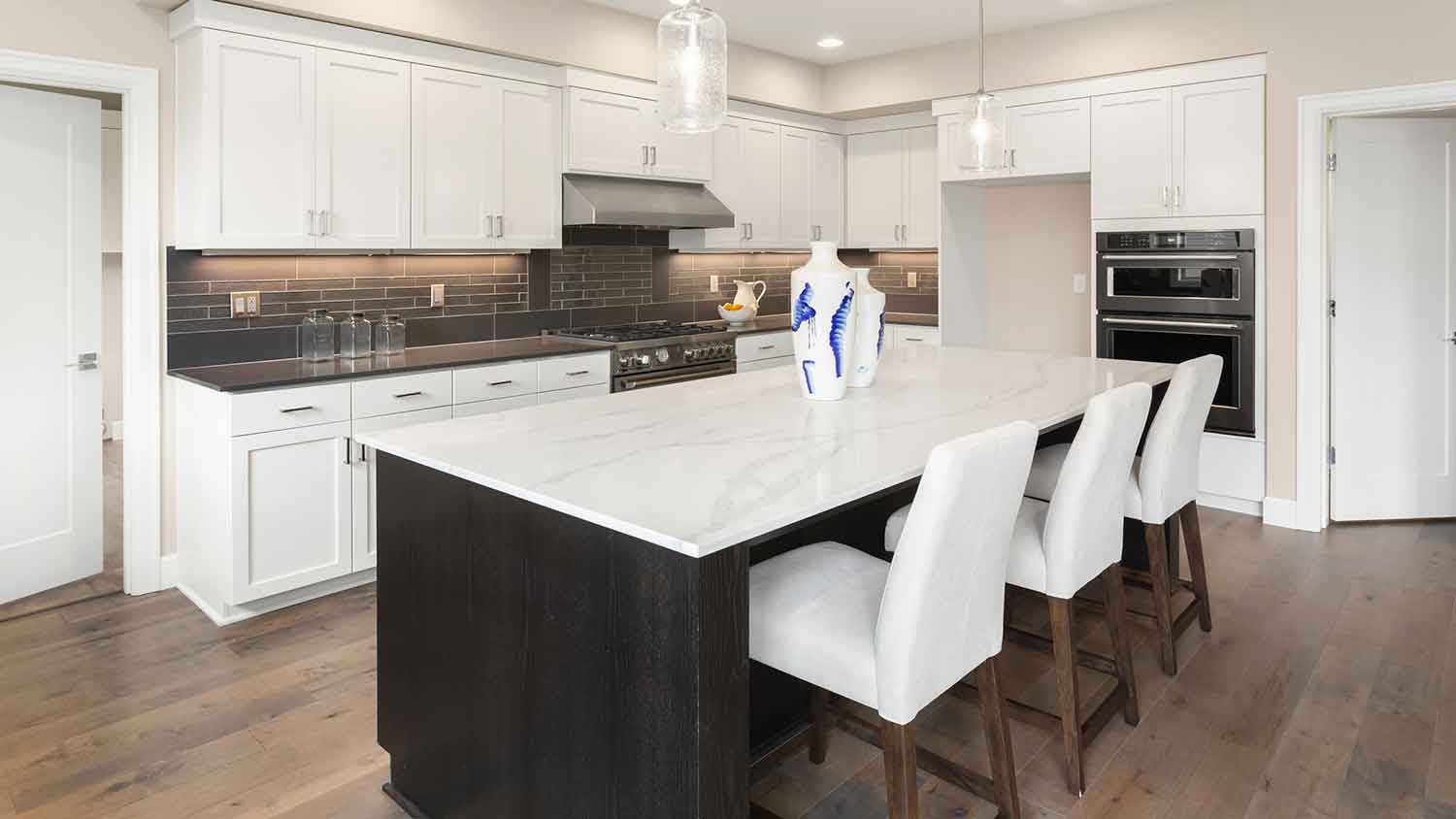
If you’re looking to refinish your countertops, epoxy will make them shine for years to come. This guide will help you budget for epoxy countertop costs.
Find out if epoxy countertops can stand the test of time

Epoxy countertops are durable and last 10 years or longer with proper care, resisting scratches, cracks, and minor damage better than many materials.
Professional epoxy countertop installation costs $50 to $150 per square foot, with a standard 35-square-foot kitchen countertop ranging from $1,750 to $5,250.
Protect your epoxy countertops by avoiding harsh cleaners like bleach, wiping up spills quickly, and using trivets under hot pots and pans.
Hiring a local countertop professional ensures proper epoxy application and curing, helping you avoid costly mistakes and achieve a long-lasting, beautiful finish.
If there’s anything you should expect your countertop to do, it should be able to last through the wear and tear of normal kitchen use. Choosing epoxy is one of the best ways to ensure longevity, but how much longevity can you get? We’ll help you discover how long epoxy countertops can last and what you can do to keep them looking shiny and new.
Epoxy, also known as epoxy resin, is an adhesive polymer coating that is commonly used to finish countertops. You can pour the material over a surface, and you’ll have a shiny, durable layer once it sets. Because you can use epoxy to extend the life of older countertops, it’s sometimes an alternative to replacing them altogether.
Now, it’s one thing to know that epoxy is durable, but knowing exactly how durable it is can make a world of difference in your kitchen. Fortunately, if you take the steps to properly care for your countertop, epoxy can last 10 years or longer.
Even through a rushed breakfast or hectic dinner with the family, your epoxy countertops will stand up to scratches, cracks, and minor damage that materials like granite and quartz may not withstand as easily. And unlike other surface finishes, you don’t have to continually reapply epoxy resin to maintain its shiny appearance.

It’s one thing to know that epoxy countertops have a long life span. However, knowing the reason for it will help you better understand how to ensure that your countertops last as long as possible. Epoxy has multiple factors that can make it the ideal material for your kitchen countertops.
If there’s any quality a kitchen countertop ideally has, it’s heat resistance. So how do epoxy countertops stack up in that department? Quite well, considering that they can withstand temperatures up to 600 degrees Fahrenheit. With epoxy, you won’t have to worry about setting appliances like coffee makers and toasters on your countertop.
Keep in mind that heat resistant is not the same as heat-proof. Epoxy doesn’t have the same level of durability as granite or concrete. While you have a bit more leeway with epoxy than you do with wood or laminate, we don’t recommend taking a hot pot straight from the stove and sitting it directly on top of your epoxy countertop for an extended period.
Epoxy countertop durability can also account for physical damage from objects that you place on the surface less-than-gently. While small scratches may go unnoticed at first, they can grow in size and depth until they’re the only thing you notice. Fortunately, epoxy increases the durability of the surface it covers once it cures. So you don’t have to worry if you accidentally drop that cutting board.
But you should still use the cutting board because an epoxy countertop is tough but not indestructible. Cutting directly on top of it or slamming heavy objects with sufficient force will chip or crack the material.
Even though there’s no sense in crying over spilled milk, that doesn’t mean you shouldn’t clean it up as quickly as possible when it happens on your countertop. Many materials like concrete, granite, and wood are porous, meaning that liquid will penetrate the surface and cause damage. But epoxy resin fully seals the surface that you pour it over, ensuring that your countertop doesn’t absorb anything that spills onto it.
You should still gently wipe up spills to avoid staining your counters. Liquids left on the surface of an epoxy countertop can eventually dull the shine of the material and even lead to permanent discoloration.
When looking into an epoxy to use on your kitchen countertops, you will notice there are different kinds to choose from. Each boasts a specific benefit or quality for use. Be sure to consider your needs when you make this choice to give your countertop the best chance at a long life span.
You can find epoxy that has UV stability, resistance to heat, chemicals, and physical damage like scratches, and the ability to resist stains. There are also epoxy mixtures in varying colors and opacity, though clear epoxy remains popular. In addition, different epoxy mixtures have differing qualities, so look carefully into how well your epoxy of choice performs before applying it to your countertop.
As mentioned above, epoxy resin gives your countertops enough durability to last for about 10 years. However, that partially depends upon the quality of care and maintenance. You wouldn’t want to have to pay the average cost of epoxy countertops earlier than expected because of neglect. Instead, take the following steps to help keep your counters looking their best.
Avoid using harsh cleaners like bleach or acids.
Don’t let spilled liquids linger long enough to stain the epoxy.
Try not to sit excessively heavy objects on epoxy countertops.
Though they are heat resistant, don’t set pots and pans straight from the stove or oven on your countertops.

Taking care of your epoxy countertop is the best way to avoid damaging it beyond normal wear and tear. However, life happens, and sometimes you end up with scratches, scorch marks, discoloration, or other problems. However, you can lay a new coating of epoxy onto your countertop to replace the damaged one.
Knowing how to epoxy countertops and having quality materials will go a long way. But be aware that while pouring epoxy is a simple project to understand, it isn’t necessarily an easy project to undertake. Much like baking, it can be difficult to know if something went wrong until the full project is done, meaning a DIY gone wrong could result in having to start over from the very beginning or even replacing your countertops altogether.
There are various countertop materials to choose from when tackling a home renovation project. However, if you want something long-lasting, heat-resistant, and beautiful, epoxy can upgrade your kitchen counter space. Since this material is notoriously difficult to DIY, contact a countertop pro near you for the longest-lasting epoxy countertop you could ask for.
Epoxy countertops are popular due to their aesthetic appeal and durability, but as with most home improvements, there are advantages and disadvantages.
| Pros | Cons |
|---|---|
| Durable | Prone to discoloration |
| Nonporous | Difficult to repair |
| Customizable | Can crack and chip |
Epoxy countertops resist heat, scratches, and stains, making them practical choices for hard-working spaces. Perhaps best of all, epoxy is nonporous, waterproof, and resistant to mold and bacteria, making it easy to clean and maintain.
When it comes to good looks, the material's high level of customization allows for a wide range of colors, patterns, and finishes, even imitating luxurious materials like marble and granite.
Epoxy countertops also offer a smooth, seamless finish, which is advantageous for larger surfaces.
However, there are some drawbacks to consider. Epoxy is sensitive to certain chemicals, which can lead to discoloration or damage. Over time, exposure to UV light can cause yellowing or discoloration.
While durable, epoxy can crack or chip under heavy impact. Repairing epoxy surfaces can be difficult, and you may not be able to restore the original look.
Professionally installed epoxy countertops cost between $50 and $150 per square foot. The exact amount depends on the project's size and the labor cost in your location. For instance, a standard 35-square-foot epoxy kitchen countertop may range from $1,750 to $5,250.
Experienced DIYers with the right equipment and skills can significantly reduce their expenses by using a DIY epoxy countertop kit, which costs between $100 and $350.
Whether to DIY or hire a professional for epoxy countertop installation depends on your budget, skill level, and project complexity.
DIY installation is cheaper but requires time, patience, and understanding of the process. Epoxy can be toxic and dangerous, so safety precautions are crucial. Also, epoxy is difficult to fix if you make mistakes, driving up costs and time spent getting it right.
Opting for a professional installation ensures a high-quality and faster completion, often backed by a warranty offering reassurance. While it may be a more expensive route, the confidence in a job well done is priceless.
I had FabClean 614 clean my apartment, and she did an outstanding job. She was so professional and efficient. My apartment looks absolutely spotless every surface, every corner, all cleaned to perfection. Definitely highly recommend FabClean 614 if you're looking for top-notch cleaning...
 Fab Clean 614
Cole has been handling plumbing and general contracting for our four properties over the past three years, and he’s always done a great job. Most recently, he installed a sink and countertop in our retail store where none existed before, and it turned out exactly how we needed. He’s...
 ANB Renovations LLC
D1 Roofing delivers outstanding service from beginning to end, backed by a strong warranty and expert teams. I highly recommend them for their excellence in meeting and surpassing expectations with unmatched communication. Choosing D1 Roofing was flawless decision
 Division 1 Roofing LLC
This company is my go to resource for all my post renovation clean ups. They get the place spotless! All we have to do after is stage the place and sell, sell, sell! They are super professional and have some amazing scent that is left in every property. I highly recommend!
 The Royal Sanitation Group
I had Ace Fireplace Services install custom chimney caps for my home, and the results are stunning. They fit like a glove and have added a touch of sophistication to my chimney. I can't recommend their services enough.
 Ace Fireplace Services
Supreme Brick & Chimney did an excellent job restoring the brick and mortar joints on my home. Their team was professional, knowledgeable, and completed the work on time. I highly recommend them and will hire them again in the future! Thanks!
 Supreme brick & chimney
I recently hired Custom Paint Jobs LLC to repaint my home, and I couldnt be happier with the results. Their attention to detail and professionalism were outstanding. Highly recommended
 Custom Paint Jobs, LLC
Window Depot did an amazing job on my deck. I wasnt sure what I wanted to do, but their composite decking was affordable and will last a long time. I am excited to have family over, and I am no longer embarrassed by my backyard. Jeff and the ground crew were polite, respectful, and caring for...
 Window Depot USA of Central Ohio
If I could give 10 stars for Kitchen Tune Up, I would. I cannot say enough good things about my experience with Kitchen Tune Up and the entire team involved in the process of my kitchen project. They went above and beyond as far as service and quality with my cabinets, paint, countertops, and...
Great job...edging and pre clean up went well with a great job with seal coat. Friendly, efficient and professional.
 All Star Paving and Sealing
From average costs to expert advice, get all the answers you need to get your job done.
If you’re looking to refinish your countertops, epoxy will make them shine for years to come. This guide will help you budget for epoxy countertop costs.
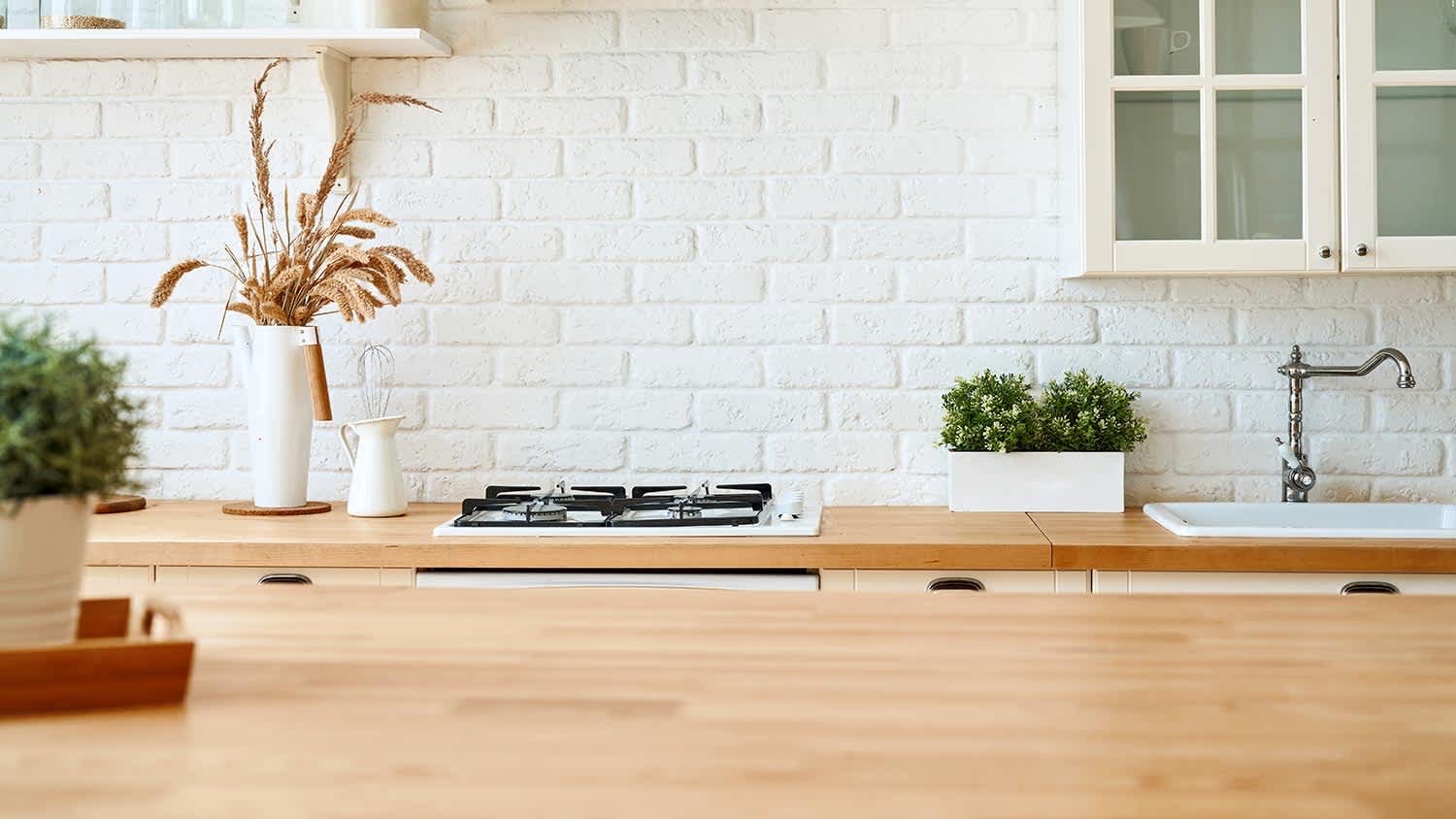
Butcher block countertops are a popular and durable choice for active kitchens. Learn how much it costs to install butcher block counters and what factors may affect pricing.
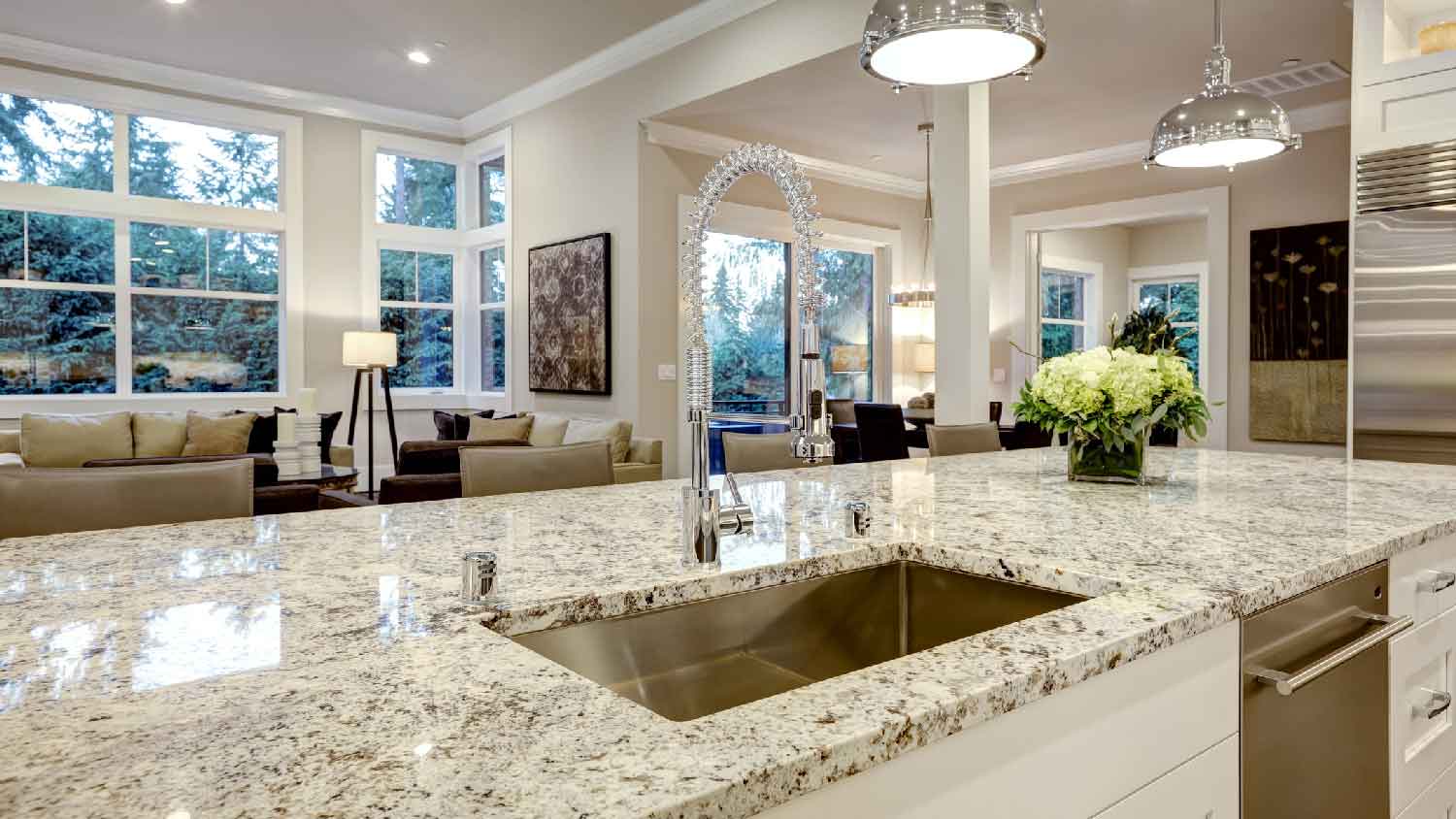
Find out the similarities and differences between epoxy versus granite countertops so you can make the best decision for your next kitchen remodel.
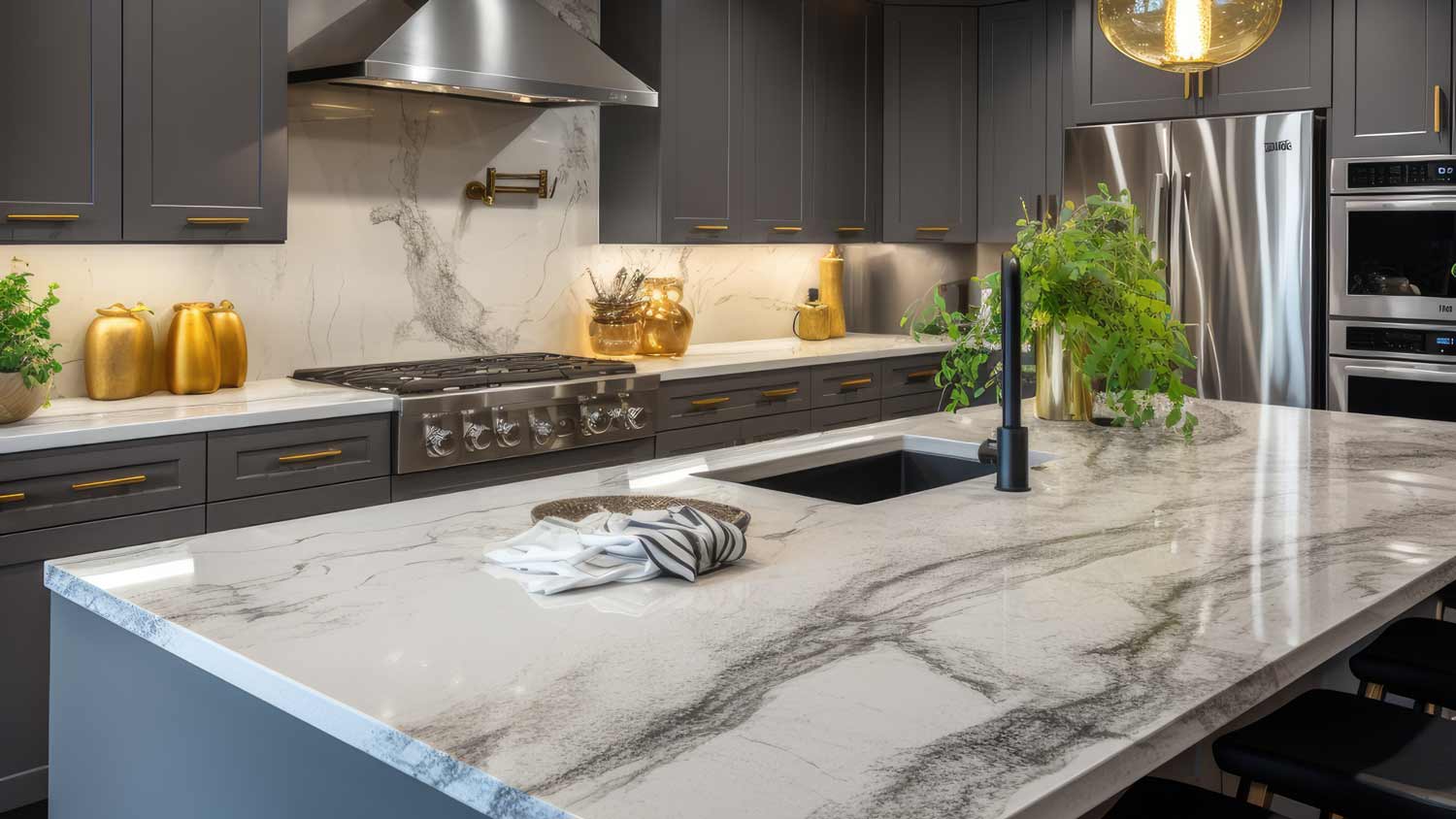
We share all the ins and outs for homeowners wondering how to epoxy countertops. Our tips will help you avoid all of the common project pitfalls.
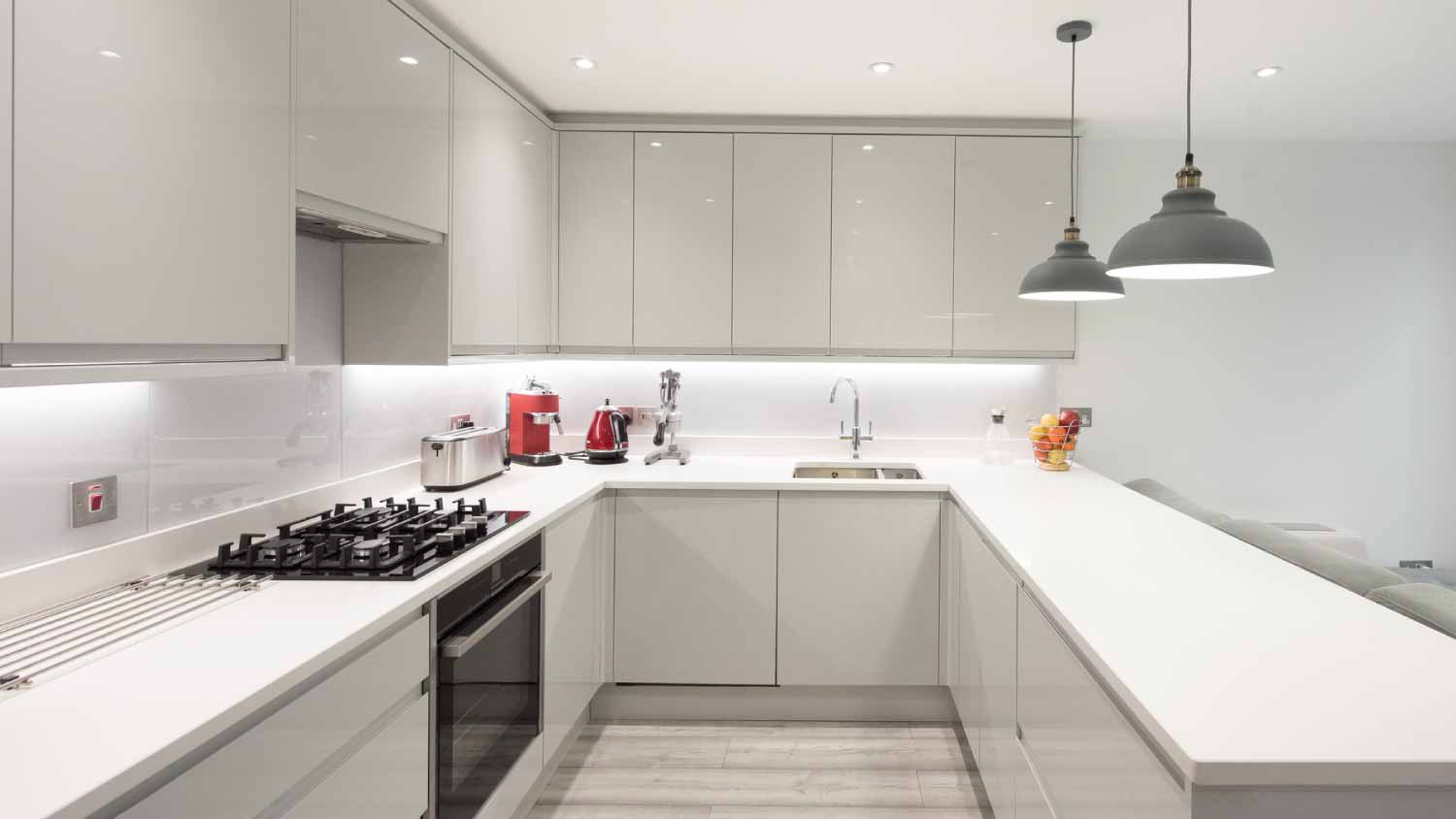
Quartz countertops can complement just about any kitchen design, but how long do quartz countertops last? Here’s everything you need to know.
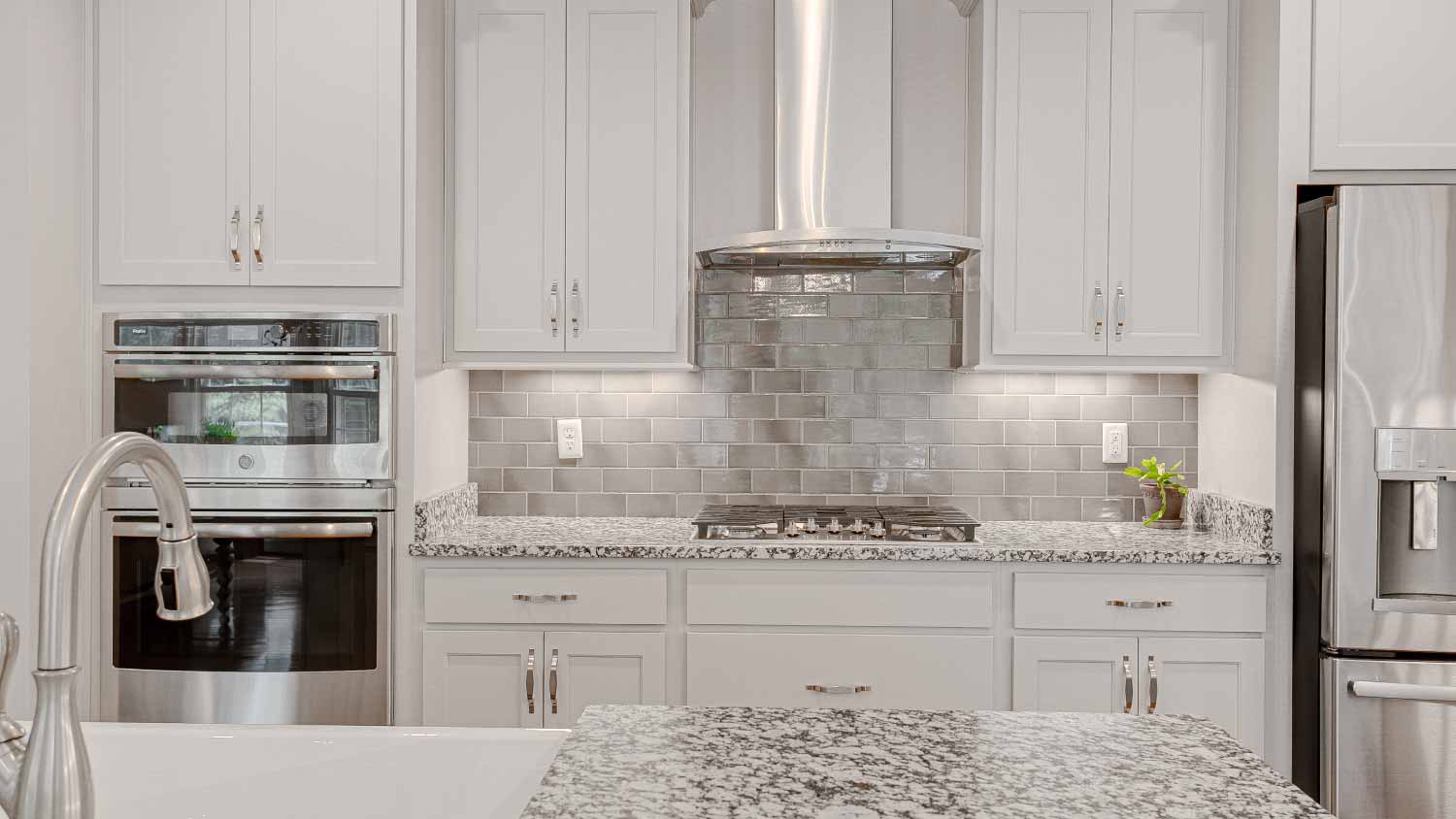
Granite countertops last 15 to 100 years based on usage and maintenance. Here’s how long your granite countertops will last and ways to increase their lifespan.