
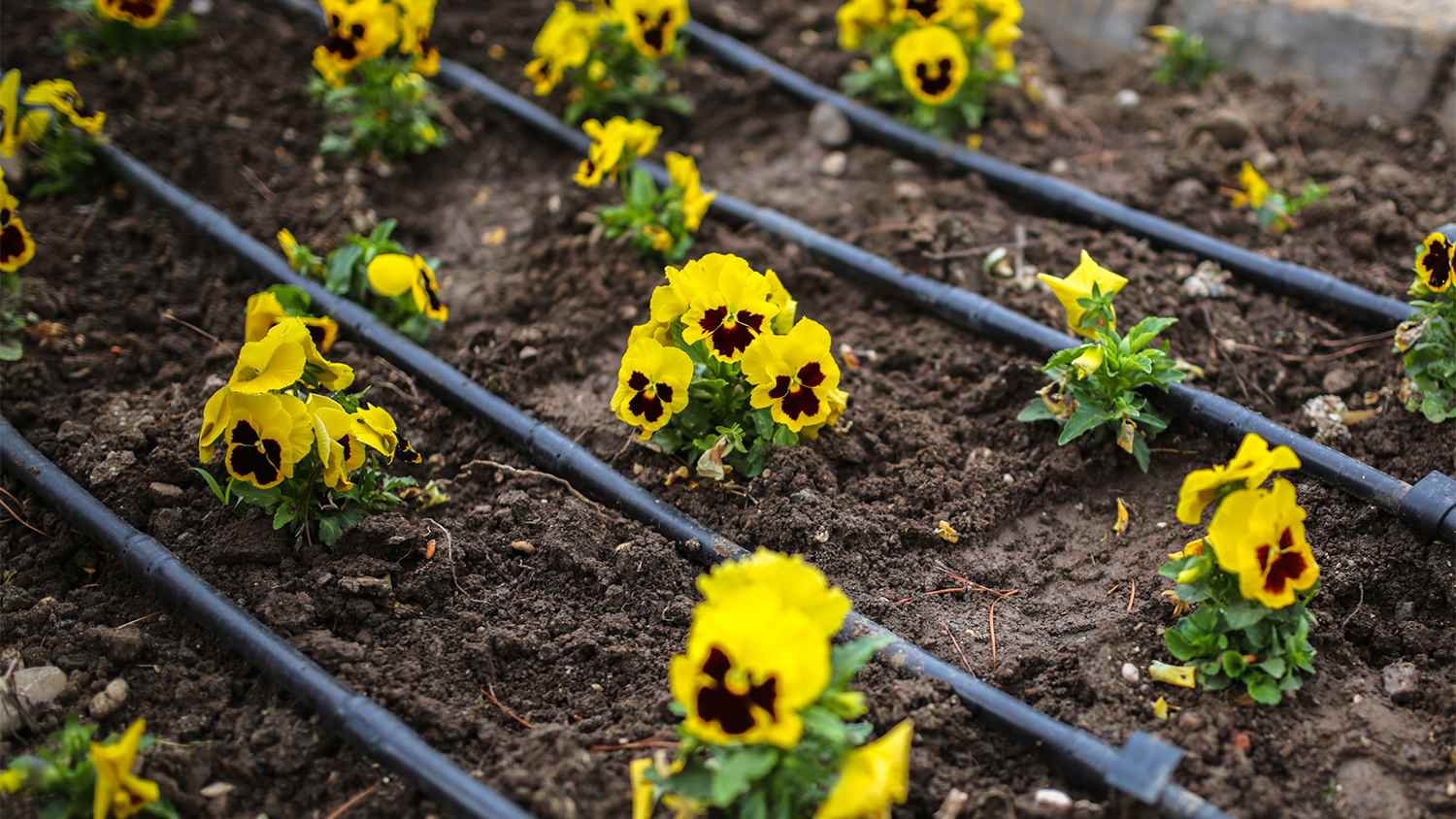
Discover drip irrigation system cost estimates, key price factors, and ways to save. Get transparent pricing to plan your home irrigation project confidently.
Irrigation could be just what your landscape needs to look its best

Irrigation systems supplement rainfall by applying water to your lawn or garden, helping plants thrive during dry periods and reducing time spent with a hose.
Expect to pay $200 to $3,570 for irrigation system installation, with drip systems at $200 to $850 and sprinkler systems at $1,600 to $3,600.
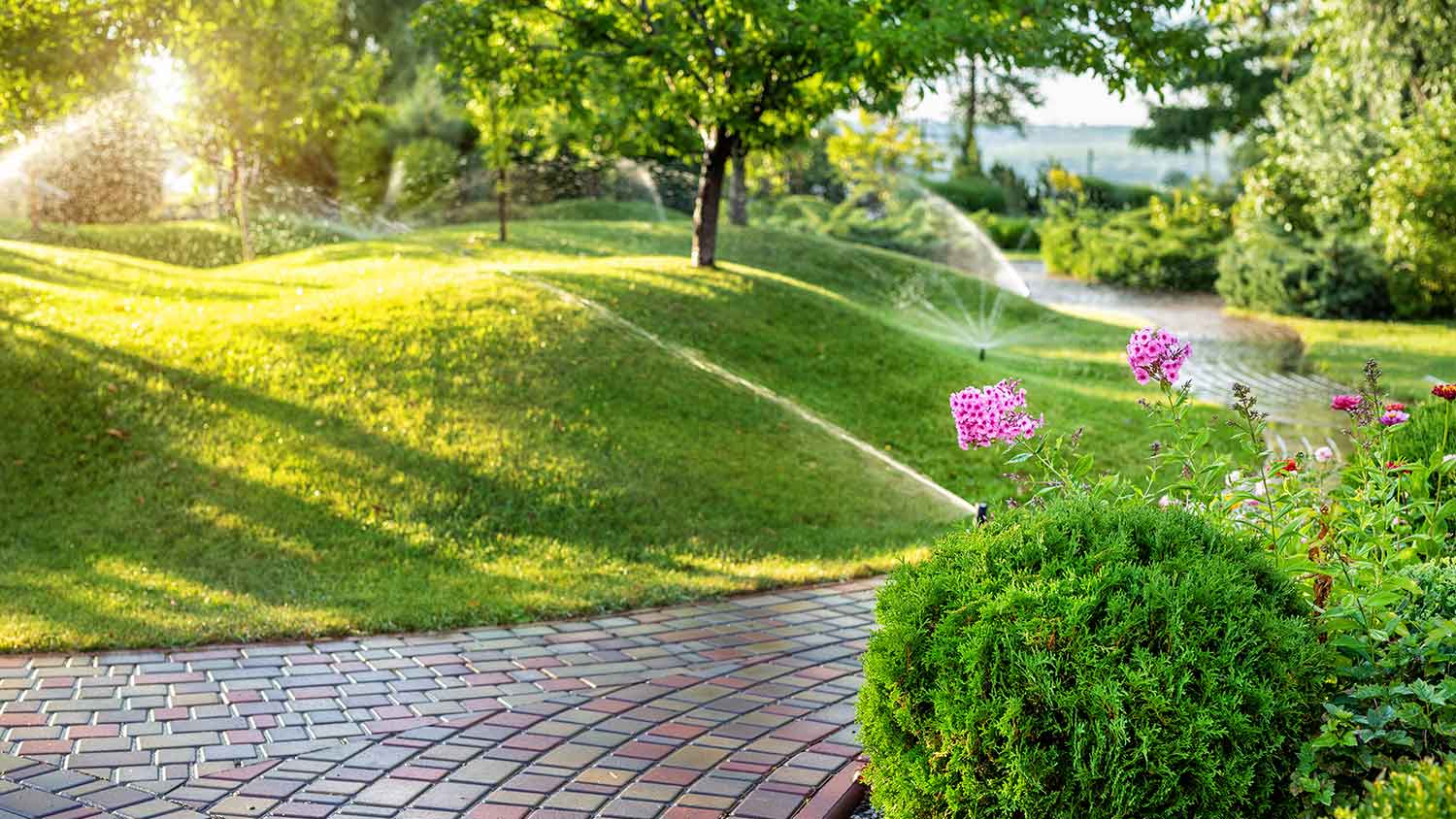
Automatic sprinkler systems connect to your home's water supply through underground pipes, delivering water through sprinkler heads placed around your lawn on a programmed schedule.
Hiring a local sprinkler installation professional takes the complexity out of designing your layout and installing the piping, ensuring proper water coverage for your landscape.
If you’re fed up after spending hours soaking your flowers with the garden hose for results that are less than extraordinary, you’re probably looking toward new solutions. You may start to wonder what an irrigation system is and if it will work for your landscape. An irrigation system can help liven up your property by providing more water to plants when they need it most. Here’s what an irrigation system does and how it works to maintain a healthy lawn and garden.
An irrigation system is a method of applying water to a landscape, be it a yard, garden, or farm. Irrigation is a supplement to rainfall, meaning hot summer days or periods of drought won’t stop your plants from thriving. Irrigation systems can apply water to specific plants or zones or more randomly to large areas, depending on the type of system.

An irrigation system works by moving water from a water source, such as a tank or water main line, through a landscape via pipes, tubes, or trenches. The water is released through emitters, sprinkler heads, sprayer heads, or other openings to cover the land and soak into the soil. This allows grass, crops, flowers, and other plants to receive water, even if it’s a dry time of year.
Irrigation can help keep plants healthy while also conserving the time spent to manually water each plant or section of yard. Many systems also incorporate programming, so they work automatically based on the settings you choose.
From sprinklers to drip lines to furrow flooding, there are many different ways to irrigate a landscape. Some options, like automatic sprinklers and drip irrigation, work best for more precise and controlled watering. Other systems, like furrow or surge flooding, are ideal for covering bigger areas.
Drip irrigation: A drip irrigation system uses a network of above- or below-ground tubing with intermittent holes to allow water to slowly and precisely drip near each plant’s roots.
Surface irrigation: Surface irrigation consists of two types: furrow and surge flooding. Furrow irrigation involves flooding a landscape via trenches (or furrows) with water from a bucket, pipes, or elsewhere. Surge flooding allows a certain amount of water to release in predetermined intervals (rather than in a continuous flow like with furrow irrigation).
Automatic sprinklers: Sprinkler systems feature pipes that connect from the home’s water supply to sprinkler heads around the lawn. They can include different types of sprinkler heads, including underground sprinkler heads, to meet various watering needs.
If you opt for a sprinkler system, make sure to hire a sprinkler installer near you to design the layout and install the piping and sprinkler heads. Sprinkler systems are more complex and less DIY-friendly than drip or flood systems.
Does your lawn or garden really need an irrigation system? Why can’t you just rely on rainfall to naturally care for your landscape? Depending on your climate, lawn type, and the other plants in your landscaping or garden, irrigation may be essential for providing the right amount of water to help the landscape thrive. But these systems require both up-front and ongoing costs.
Here are the pros and cons of installing an irrigation system on your property.
| Pros | Cons |
|---|---|
| Boosts plant and lawn health | High installation cost |
| Some options are water-efficient | Ongoing maintenance required |
| Automated watering | May also require a drainage system |
| Convenient | Vulnerable to extreme weather and pests |
"Installing an irrigation system in a newly built home costs less than installing one in an existing home. Why? Older homes and yards have established root systems and old water lines you have to dig through or remove. New builds are a blank slate with nothing in your way, so installation takes less time."
— Tom Smith, Owner of Desert Designer Landscape and Development, Phoenix, Arizona

An irrigation system lasts 10 to 20 years, but different parts of the system have varying lifespans. For example, underground pipes for the system can last decades, while sprinkler heads and sprinkler valves last 10 to 15 years. Above-ground drip lines that are exposed to extreme weather and UV light last five to 10 years.
Irrigation system maintenance is essential for extending its lifespan. Inspect the sprinkler heads, valves, tubing or piping, and water source every season, and deep-clean sprinkler heads or drip lines to prevent clogs and damage. If you notice a part is wearing out, replace it to boost the life of your entire system.
Irrigation systems are more expensive to install in western states than in eastern states. However, irrigation systems in the East are more costly to maintain than ones in the West. This is because cold weather in the East creates a freeze/thaw cycle that can expand pipes and cause them to blow.
Irrigation system costs depend on the type of system and the area you’re irrigating. For instance, sprinkler installation costs $1,600 to $3,600, with underground sprinkler systems coming in at a higher rate than aboveground automated sprinklers. A drip irrigation system costs $200 to $850.
Cody did a great job!
 Itzelpainting
Wonderful. I am going to have them remove and replace my driveway in the spring.
 All Star Paving and Sealing
Did an amazing job transforming my yard. Also installed sod in places, would recommend to everyone.
 Cardinal Landscaping & Construction LLC
Always been satisfied with the service work and how they have taken care of my pool.
Bill Gerhardt sold the company to his employees at the end of 2019, apparently without a workable succession plan and without notifying prospective customers of this fact. Most aspects of the maintenance contract have not been fulfilled: no installation of anual plantings per contract, no...
They show up and they did take us on as a client which seems to be a problem with other lawn care providers. We have multiple properties and this one was located close to downtown and no one really wants to mess with it.
I was very happy with the service provided by AK Irrigation. They responded quickly to my email, and the woman I spoke with was polite and professional. I was able to get an appointment that same week. <br /> The technician (Tyler) arrived on time. He was very knowledgeable, and worked...
 AK Irrigation
The worker came out when he was supposed to come. He informed me he would honor the Angie's List deal, but would not do any more work for me since my son in law owns lawn care company as well, even though they do not do the same type of work. He said he did not feel comfortable giving me...
 Bello Giardino LLC
E & L Lawn Care was super. They were very responsive before and after service. They were efficient and were able to complete the job within 1 day. I have had concern about one section of sod - the owner was pro-active and did a visit to evaluate. I have no doubt they will stand behind...
 E&L lawn care
From average costs to expert advice, get all the answers you need to get your job done.
Discover drip irrigation system cost estimates, key price factors, and ways to save. Get transparent pricing to plan your home irrigation project confidently.
Find out how much a lawn sprinkler system installation costs in Orlando, FL, based on lawn size, system type, and other factors.
A lawn sprinkler can make light work of watering your yard. Find out how much a sprinkler system installation costs based on lawn size, system type, and other factors.
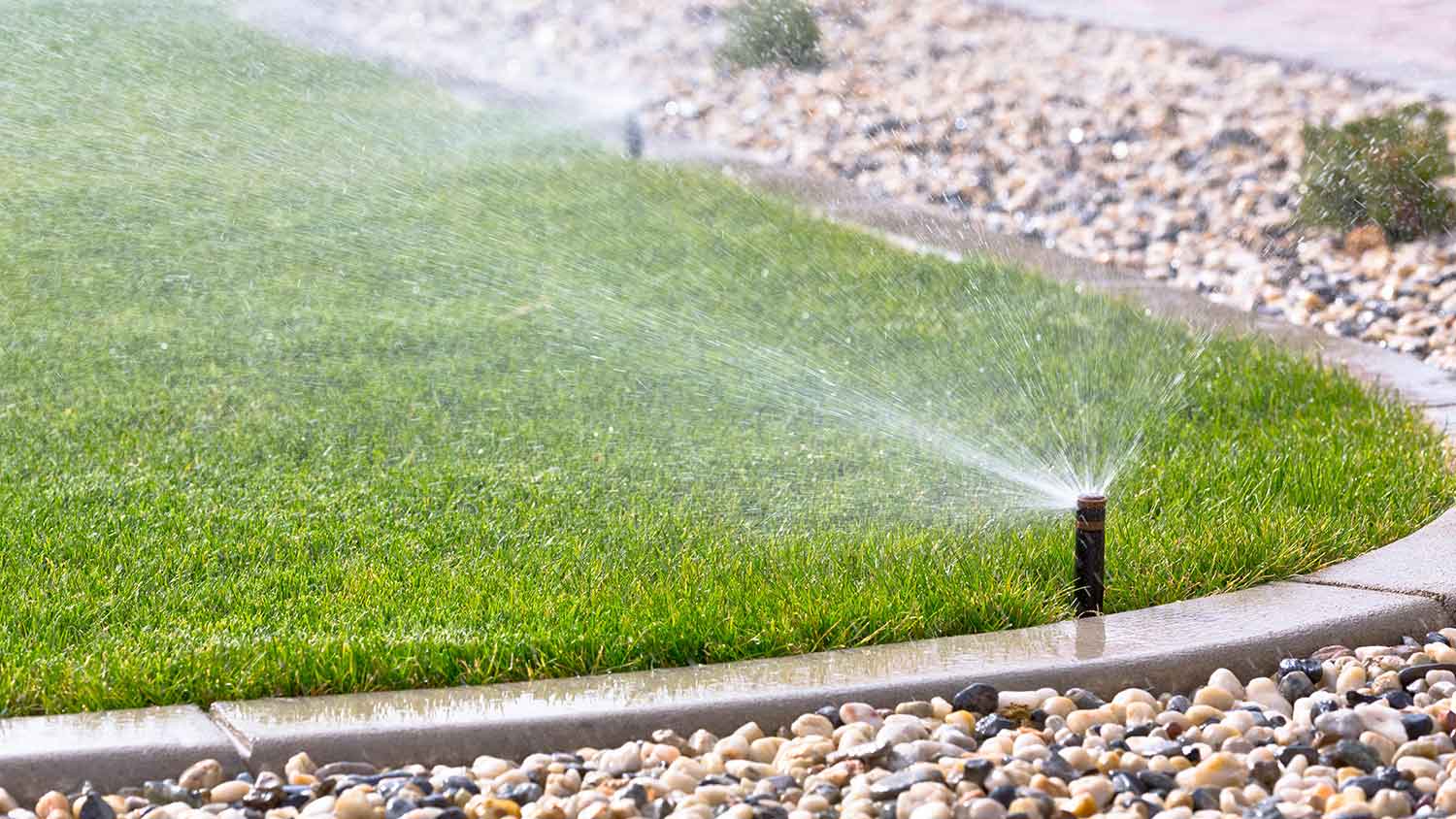
You’ll need to call a professional lawn care service for your sprinkler and irrigation needs. Learn who to call to fix your lawn irrigation system.
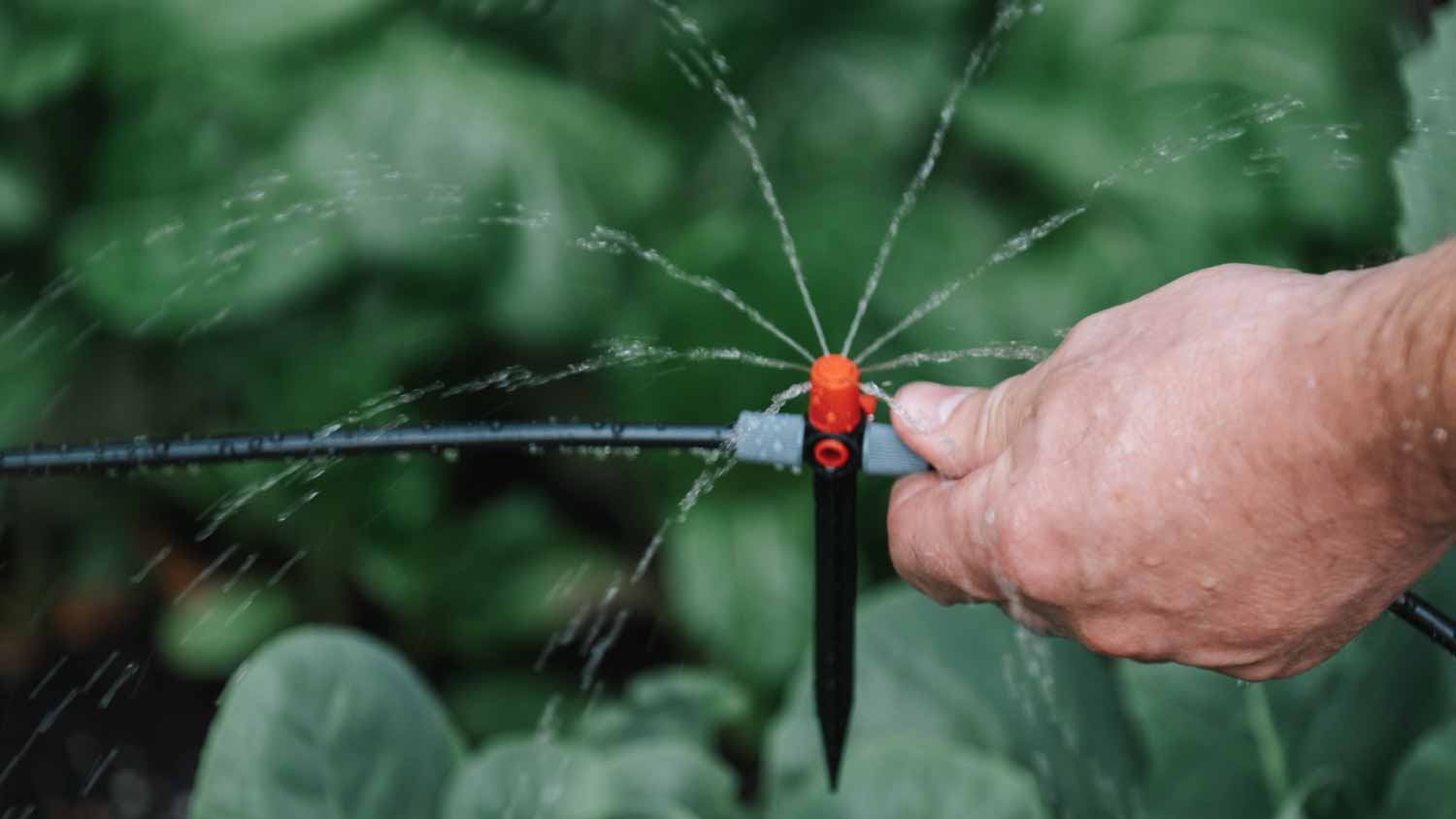
Drip irrigation is ideal if you want to conserve water while keeping your plants well-nourished. So, what is a drip irrigation system and how does it work?
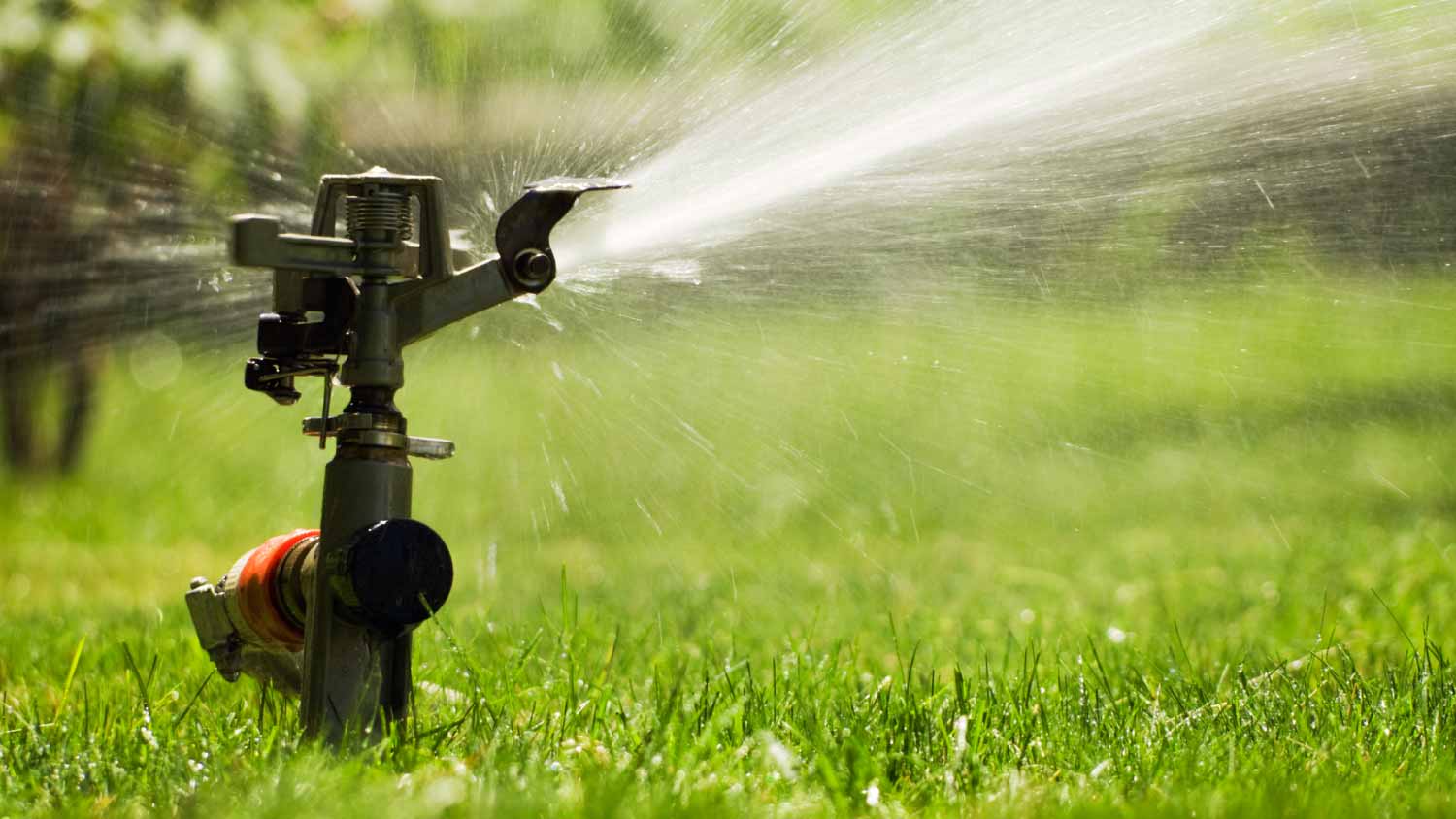
Are you wondering how irrigation valves work? Read our guide to learn more about these important sprinkler system parts.