

Interested in edible landscaping for your home so you can always have healthy food just a few steps away? Find out how to create one you’ll love here.
Love your artichokes (and their hearts) with some extra TLC

Growing artichokes in your garden means planting an edible thistle with stunning purple blooms, nutritious hearts, and striking silver-green foliage that attracts pollinators.
Artichokes grow as perennials in temperate zones 7 to 11 but need replanting each year in colder regions, so you'll harvest buds differently depending on your climate.
Your artichokes need at least six hours of sunlight, consistent moisture, and regular feeding with compost or balanced fertilizer to produce a healthy, abundant crop.
Hiring a local gardening professional provides reliable help with seed germination, transplanting, and ensuring proper spacing so your artichoke plants thrive without crowding.
Artichokes aren’t just prickly, weedy wildflowers often associated with their delicious heart. If you're looking for a striking, exotic-looking plant with beautiful blooms to brighten up your vegetable garden, learn how to grow artichokes with the information presented in this useful guide.
Part of the thistle family, the globe artichoke (Cynara cardunculus var. scolymus) has an edible flower bud called the artichoke heart. The heart is chock-full of beneficial nutrients and antioxidants. If left to flower, the giant purple blooms are attractive to pollinators, and the large silver-green foliage adds structural interest to landscapes.
A perennial originating in the Mediterranean, you can grow globe artichokes in most parts of the U.S.—but only as an annual in the cooler northern regions.
Note: Don’t confuse the plant with the Jerusalem artichoke. This is a species of sunflower with edible tubers.

Artichokes can grow in USDA hardiness zones 3 to 11. However, they only survive as perennials in temperate zones 7 to 11, where they experience mild summers and cool winters. Very hot, dry Southern summers don’t always produce the best harvest, and in the colder regions, you’ll have to grow them as annuals or plant them in pots (at least 2 feet wide) so they can overwinter indoors.
You can grow globe artichokes from seeds, but it’s tricky and they don’t always stay true to the labels. Transplanting bought starter plants or root divisions is easier. It’s also a good idea to divide perennial artichoke plants every few years.
It’s best to germinate them indoors a couple of months before the weather is mild enough outdoors for transplanting. Follow the steps below for the best chance at success:
Sow in a greenhouse or under grow lights indoors, but shade from the hot afternoon sun.
Sow the seeds around 4 inches apart and 1/2 inch deep in trays of rich, well-draining soil.
Keep the soil evenly moist but not saturated.
Thin out the seedlings to prevent competition for the same spot.
Leave them in temperatures under 50 degrees Fahrenheit for around 10 days before transplanting the seedlings outdoors. This process is called vernalizing and involves tricking the seedlings into thinking it’s winter. Doing this encourages them to produce buds in their first year.
When planting, make sure you allow enough space for the artichoke plants to reach heights of up to 4 feet with a spread of up to 6 feet—they don’t like crowding. Rows should be at least 6 feet apart.
All plants need ample light, water, and soil to thrive. Get the 411 on what artichokes need to ensure the best crop.
Artichokes need at least six hours of sunlight to thrive. Avoid squeezing them into a plot, as taller plants could choke out the light for smaller ones.
Although artichokes are reasonably drought-tolerant once established, very hot, arid conditions can result in the buds opening too quickly, taking away the heart tenderness. Providing adequate, consistent overhead irrigation during the summer helps keep the plants cool. Mulching around the base also helps conserve moisture and coolness. While they thrive in moist conditions, artichokes are susceptible to root rot if left in standing water.
They’re adaptable to most soil types, providing there’s good drainage. Soggy conditions damage the roots and crown, and it's tricky to grow them in loose, sandy soils.
Artichokes are hungry plants that quickly absorb nitrogen in the soil. Amending with organic matter such as fish emulsion and compost is beneficial. Applying a balanced vegetable fertilizer every couple of weeks during the growing season can also help produce a healthy, abundant crop.
It takes around 80 to 120 days for slow-growing artichokes to be ready to harvest. When growing conditions are ideal, your plants can produce buds throughout the year. In cooler regions, buds will emerge in early summer and are usually ready to pick later in the season. The large center bud grows fastest, and the side buds are ready to harvest later. There are normally six to nine buds per plant.
The central bud is usually ripe when it reaches 3 to 5 inches in diameter, and the side buds taste best when they’re around 1 to 3 inches wide. They should be full, firm, and not starting to open yet. To harvest, use a sharp knife to cut the stem around 2 inches below the base of the bud.
Once harvesting is complete and frostier temperatures have arrived, cut the leaves and stems back and mulch heavily around the roots, or store them indoors if temperatures drop below 25 degrees Fahrenheit.
Custom Paint Jobs LLC made our home feel like a piece of art. Thank you for your creativity!
 Custom Paint Jobs, LLC
Window Depot did an amazing job on my deck. I wasnt sure what I wanted to do, but their composite decking was affordable and will last a long time. I am excited to have family over, and I am no longer embarrassed by my backyard. Jeff and the ground crew were polite, respectful, and caring for...
 Window Depot USA of Central Ohio
First of all, the gentleman I dealt with (Cam?) was very responsive to my many questions and concerns throughout the project, which is a huge plus to me. From the first time I met him for the estimate all the way til the completion of the job, he and his crew were professional and respectful....
 All Star Paving and Sealing
We had a 20+ year old landscape lighting system that needed replacement. Midwest Lightscapes worked with us to design a much improved lighting system, lighting the exterior of the house and the back yard. Installation of the 45 light system took one and one-half days, and went very smoothly....
 Midwest Lightscapes
Another great success for me on home advisor. This company did an awesome job on my landscaping and stayed within my budget. The best part, the work was complete within 2 days of my initial request. Professional and responsive. I highly recommend!
 Blue Ring Residential Services, LLC
The company no showed on me twice. The 2nd time was no call no show. They were responsive to set up the first appointment to perform the "landscape cleanup". 3 hours after their initial scheduled appointment time they called me to let me know they had some "problem" with the truck and their...
 Ruby Home and Hauling Services
Received ideas for future landscape plans...quote to do the work seemed a bit high but I did not have any other quotes to compare it to, so perhaps that is the going rates. <br />
 Landscapes By Terra, Inc
All around they have done a really great job. <br /> I have used JL Landscapes for the past 8 years. I own and operate my own commercial/residential real estate company where we own, operate, and maintain our own properties. JL Landscapes has been our exclusive landscaper for both our...
 J.L. Landscapes
Bought a half a cord of firewood from Pitzer with stacking last month. I waited to report so I could see how the wood burned. <br /> <br /> I have three pet peeves regarding landscapers, but Pitzer scored "A"s regarding all three. First, rather than having customers "leave a message" and...
 Pitzer Landscaping
I left a message on Sunday requesting to schedule a time to obtain an estimate/walk-through and received a return call in the morning of the following Monday. Mark worked with me and agreed to schedule the estimate/walk-through for the following Saturday. When Mark arrived for the...
From average costs to expert advice, get all the answers you need to get your job done.
Interested in edible landscaping for your home so you can always have healthy food just a few steps away? Find out how to create one you’ll love here.
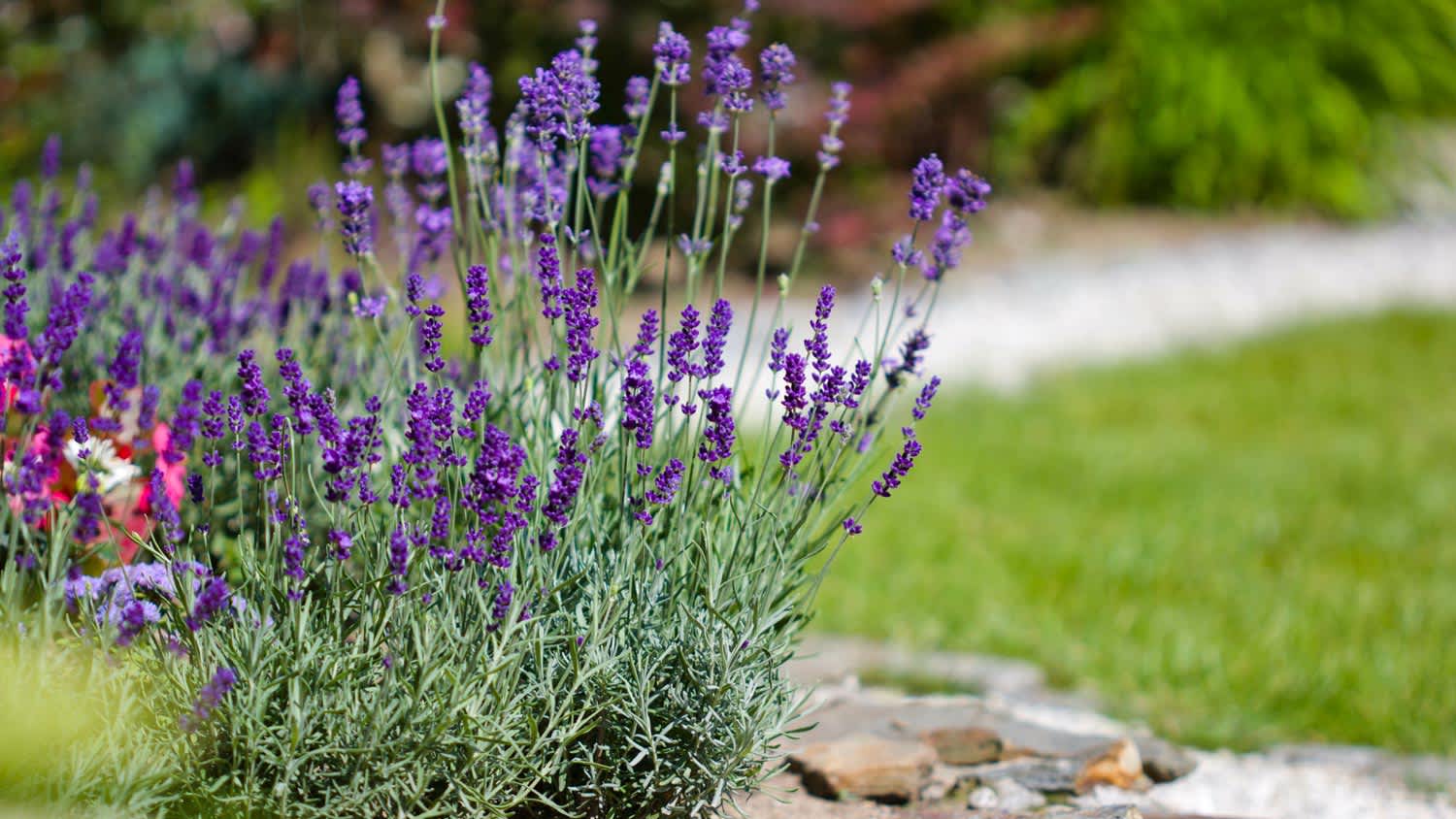
From the kitchen counter to the rose garden, lavender is a beloved and versatile plant. Here's how to grow it indoors and out, and how to care for it.
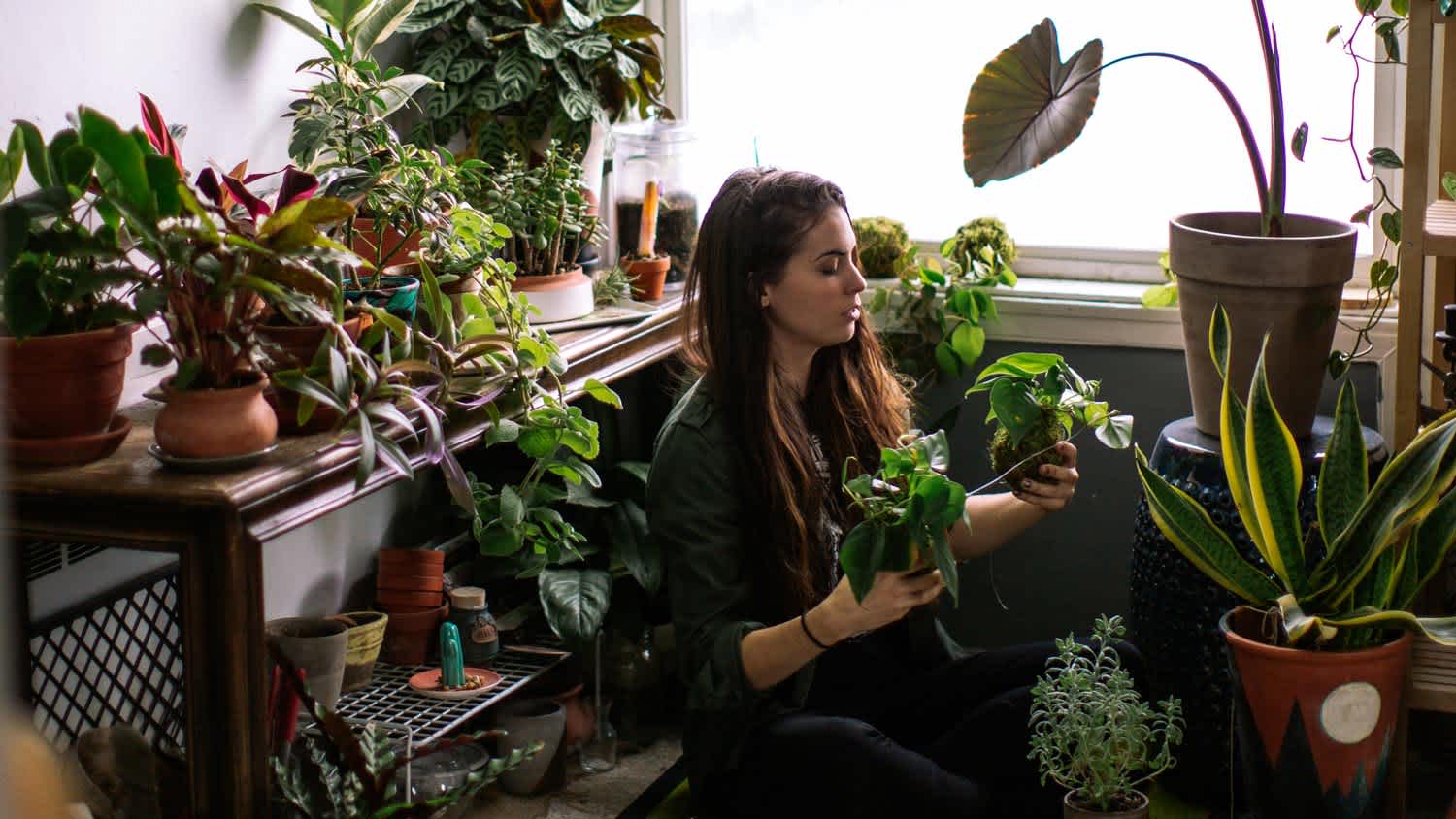
Design a garden-ready grow room to create the right conditions for growing plants indoors, including your vegetable seedlings and fully-grown houseplants.

Japanese flowering cherry trees require some know-how to keep them thriving and disease-free. Read on to learn how to grow flowering cherry trees.
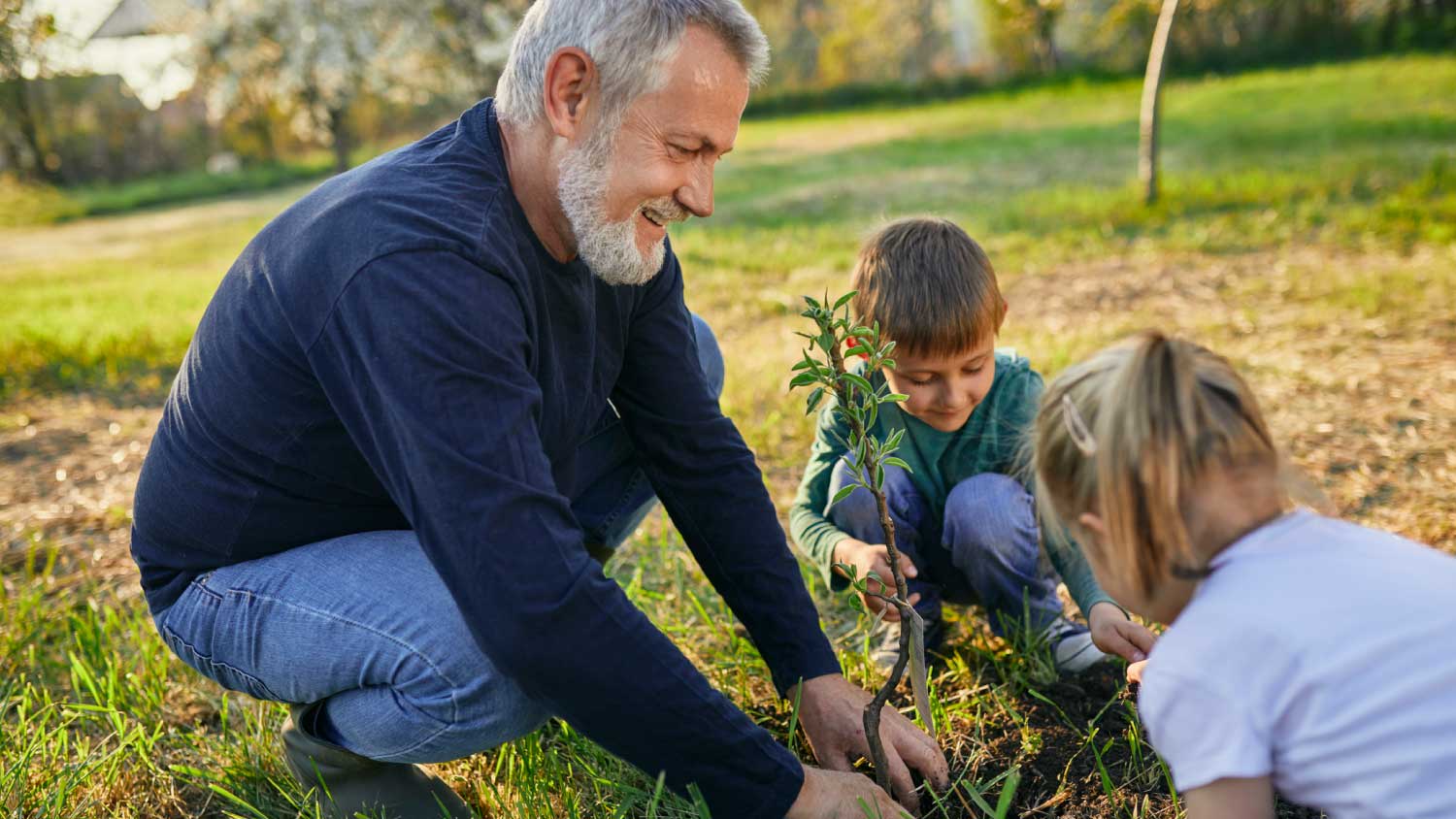
Ever wanted to learn how to grow a tree from a branch? Learn how to grow a tree from a cutting to boost curb appeal for much less with propagation.
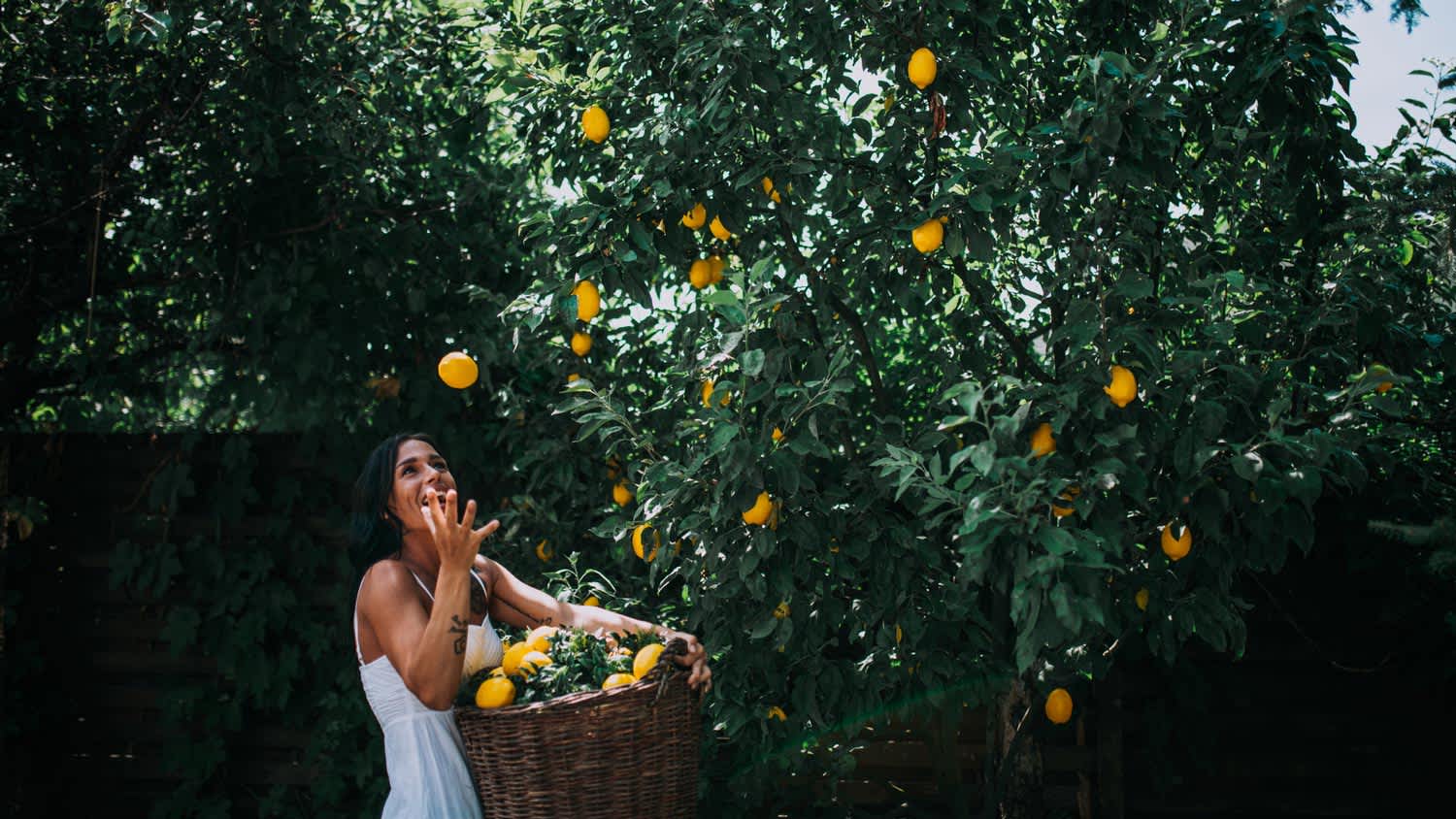
Want to grow gorgeous citrus plants at home? Here’s how to plant a citrus tree in your yard or in a container, whether lime, orange, or grapefruit.