
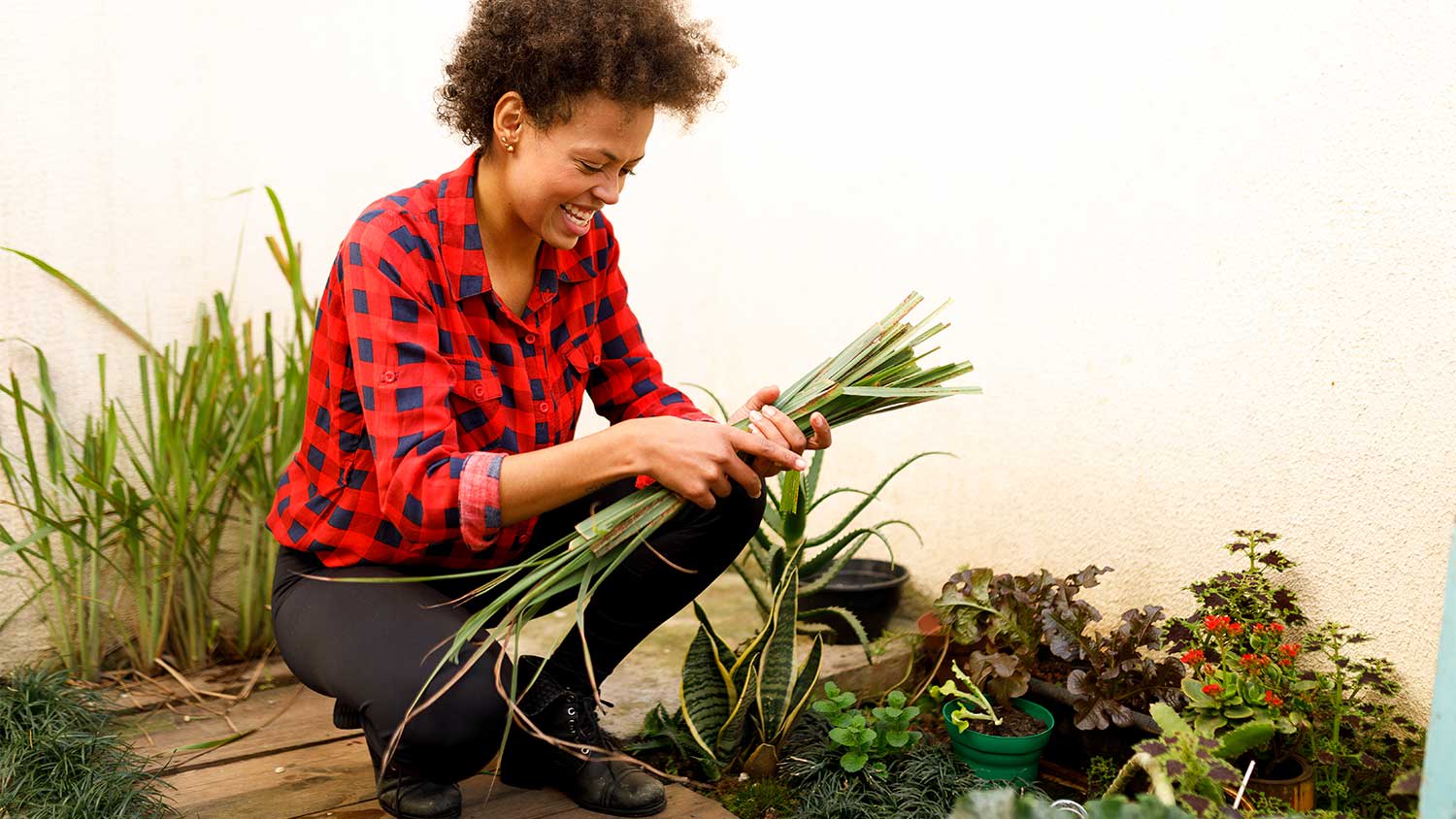
If you’re trying to figure out how to grow lemongrass, we’ve got you covered. Here’s your comprehensive guide to caring for this tasty, easy-to-grow herb.
Pluck breakfast from your yard every morning

Growing citrus trees outdoors works best in zones 8 through 11, while you need a moveable pot for colder zones to protect your tree indoors.
Expect to pay $80 to $120 for citrus tree supplies, including the tree, soil, organic matter, fertilizer, and optional containers for indoor growing.
Your citrus tree needs a sunny, sheltered spot with 12 to 15 feet of space, well-draining slightly acidic soil, and regular watering for three months after planting.
Hiring a local tree planting service professional provides reliable guidance on proper soil preparation, root ball placement, and ongoing fertilization to help your tree thrive.
There’s nothing more refreshing than biting into a crisp, tart piece of citrus. However, you don’t have to go out and purchase your favorite fruit at the grocery store or farmers’ market; in many places, you can grow it at home—whether your poison is lemon, lime, orange, grapefruit, or kumquat.
Buy your tree from a local nursery and follow this guide to learn how to plant it in your yard or in a moveable pot or planter box.
The ideal temperature for growing citrus trees ranges between 55 and 90 degrees Fahrenheit. If you’re located in plant hardiness zones 8 through 11, you can grow citrus outdoors year-round.
In growing zones 4 to 7—or anywhere the temperature drops below freezing—plant the tree in a pot so that you can move it indoors during the colder part of the year. Lemons and limes are especially sensitive to cold. Early spring is the best time to plant, but you can do it any time the soil isn’t frozen.
It’s crucial to choose the right spot to plant your citrus tree. Find an area that’s consistently sunny but sheltered from the harshest wind and rain. The southern side of your home is often a good option.
Avoid planting it too close to other trees—each full citrus tree needs between 12 and 15 feet of space, while dwarf plants require 6 to 12 feet. Also keep in mind that if any branches end up growing over a fence or property line, your neighbors will have the right to pick fruit or trim the tree back.
You’ll need to choose the right soil and get it into a condition that will encourage your tree to thrive.
Choose a soil that retains some moisture but drains well. Citrus trees respond poorly to standing water. Sandy soils are a good option. The plants prefer a slightly acidic soil.
Use a spade to get the soil nice and loose, going as deep as the tool will penetrate. Prepare an area that’s at least three times the diameter as the pot. Add topsoil mix, compost, or any other organic matter as you go, turning and mixing it with the soil.
If you’re planting in a container, select a well-draining soil mix and add a little sand. Add stone or a screening wire to the bottom of the bottom. Place enough soil so that the root ball will sit slightly above the depth of where it sits in the container from which you’re transferring it.
The depth of the hole required depends on the size of your tree—but a good general rule is to aim for one-and-a-half times as wide as the root ball and as deep as it is tall.

The method of planting your citrus tree depends on whether you’re growing it outdoors or in a container.
Remove the tree from the pot and clear away the outer soil from the root ball. Place the tree at the center of the hole, making sure it doesn’t tilt. Backfill the hole with soil, covering the roots, and tamping thoroughly to knock out any air pockets. No more than an inch of soil should cover the root ball.
When the hole is halfway full, spray it with a little water. Repeat this step at the end, watering the soil to settle it after the hole is full. Let it soak and wait until it all drains away to confirm that the roots are getting all the water they need.
If you’re planting in a container, take the tree out of its nursery pot and loosen up the soil around the root ball before planting it in your new container. Backfill the hole with soil, packing it tightly throughout so that air holes don’t form. Water thoroughly.
The tree needs to be watered regularly for at least three months. Water it two to three times the first week after planting, twice the following week, and then weekly thereafter. Let the soil soak deeply and dry between watering.
Most arborists recommend against staking citrus trees, and instead to allow the wind to strengthen the trunk.
Fertilize the tree every three to four months. Use one to two pounds of citrus fertilizer for every year of the tree’s age. Apply it around the drip line of the tree, keeping it away from the trunk. Mulch is not recommended.
Typically, citrus trees begin bearing fruit between three and six years of age, but the exact timing will depend on a variety of factors, including species and climate.
Custom Paint Jobs LLC made our home feel like a piece of art. Thank you for your creativity!
 Custom Paint Jobs, LLC
Window Depot did an amazing job on my deck. I wasnt sure what I wanted to do, but their composite decking was affordable and will last a long time. I am excited to have family over, and I am no longer embarrassed by my backyard. Jeff and the ground crew were polite, respectful, and caring for...
 Window Depot USA of Central Ohio
First of all, the gentleman I dealt with (Cam?) was very responsive to my many questions and concerns throughout the project, which is a huge plus to me. From the first time I met him for the estimate all the way til the completion of the job, he and his crew were professional and respectful....
 All Star Paving and Sealing
We had a 20+ year old landscape lighting system that needed replacement. Midwest Lightscapes worked with us to design a much improved lighting system, lighting the exterior of the house and the back yard. Installation of the 45 light system took one and one-half days, and went very smoothly....
 Midwest Lightscapes
Another great success for me on home advisor. This company did an awesome job on my landscaping and stayed within my budget. The best part, the work was complete within 2 days of my initial request. Professional and responsive. I highly recommend!
 Blue Ring Residential Services, LLC
The company no showed on me twice. The 2nd time was no call no show. They were responsive to set up the first appointment to perform the "landscape cleanup". 3 hours after their initial scheduled appointment time they called me to let me know they had some "problem" with the truck and their...
 Ruby Home and Hauling Services
Received ideas for future landscape plans...quote to do the work seemed a bit high but I did not have any other quotes to compare it to, so perhaps that is the going rates. <br />
 Landscapes By Terra, Inc
All around they have done a really great job. <br /> I have used JL Landscapes for the past 8 years. I own and operate my own commercial/residential real estate company where we own, operate, and maintain our own properties. JL Landscapes has been our exclusive landscaper for both our...
 J.L. Landscapes
Bought a half a cord of firewood from Pitzer with stacking last month. I waited to report so I could see how the wood burned. <br /> <br /> I have three pet peeves regarding landscapers, but Pitzer scored "A"s regarding all three. First, rather than having customers "leave a message" and...
 Pitzer Landscaping
I left a message on Sunday requesting to schedule a time to obtain an estimate/walk-through and received a return call in the morning of the following Monday. Mark worked with me and agreed to schedule the estimate/walk-through for the following Saturday. When Mark arrived for the...
From average costs to expert advice, get all the answers you need to get your job done.
If you’re trying to figure out how to grow lemongrass, we’ve got you covered. Here’s your comprehensive guide to caring for this tasty, easy-to-grow herb.

Japanese flowering cherry trees require some know-how to keep them thriving and disease-free. Read on to learn how to grow flowering cherry trees.

Ever wanted to learn how to grow a tree from a branch? Learn how to grow a tree from a cutting to boost curb appeal for much less with propagation.
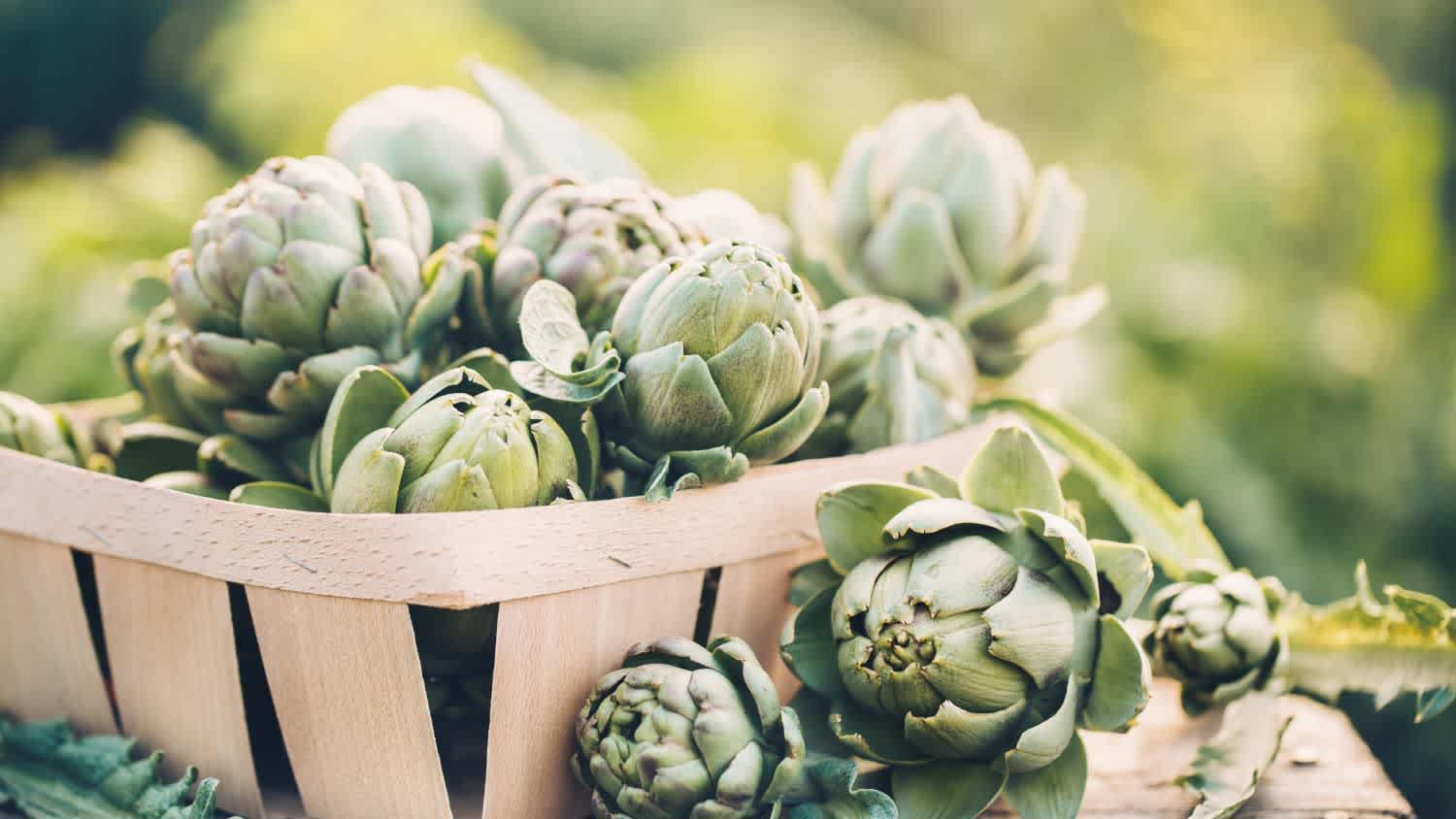
Globe artichokes (Cynara cardunculus var. scolymus) are interesting ornamental plants with an edible heart. Continue reading to learn how to grow them for their beautiful blooms and delicious taste.
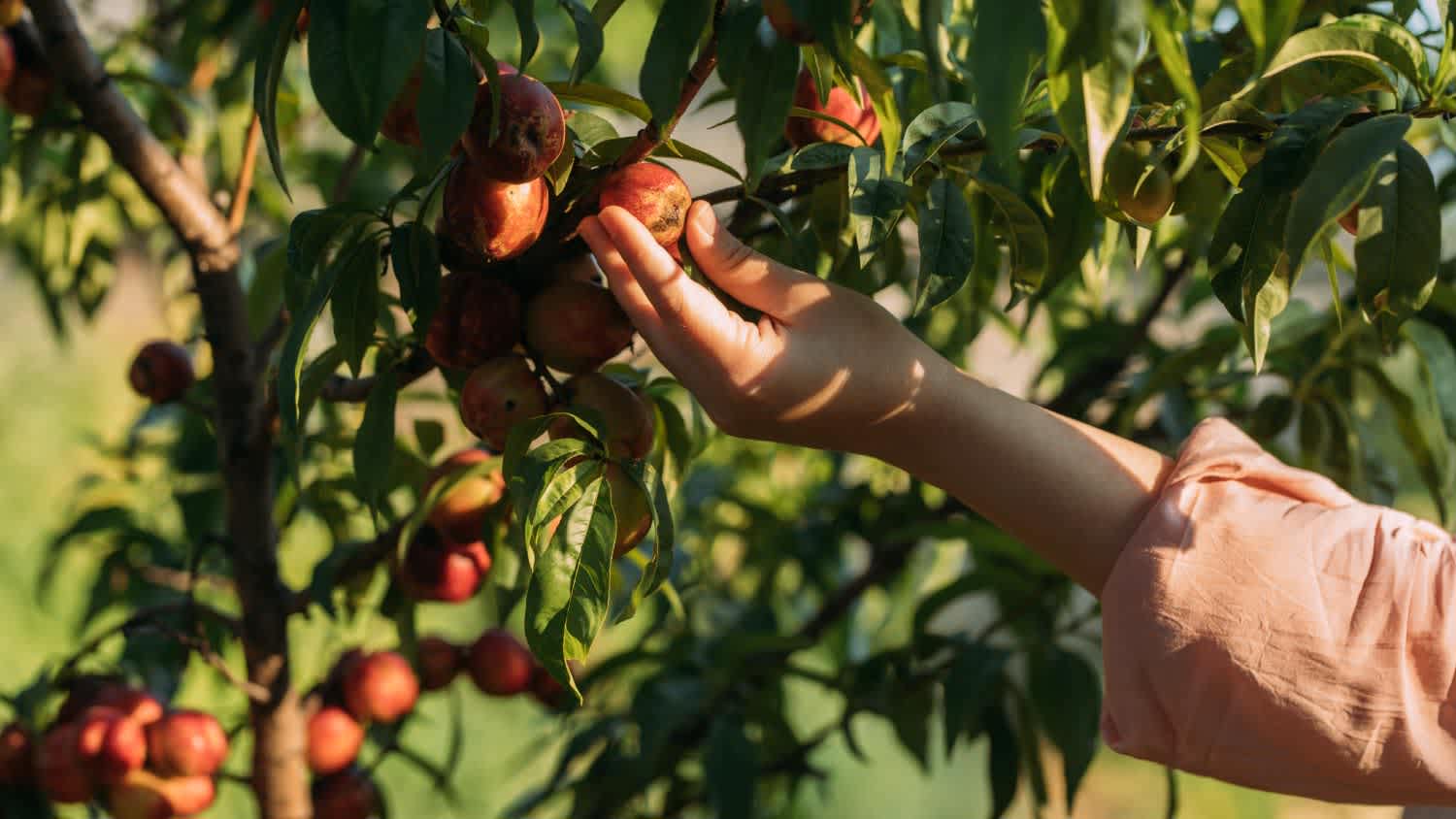
Would you pick and eat fresh, homegrown fruits? Learn about the best fruit-bearing trees that can add value to your yard with tips to grow them.

If you love peaches and live in the right hardiness zone, you could be harvesting your own supply. Here’s how to grow a peach tree in your yard.