

The average double-hung window costs $800, but prices vary by size, material, type, and more. Read this guide to help you budget for your double-hung windows.
All you need is a few minutes and a flathead

A double-hung window that will not stay up indicates the balance shoe has moved down to the window frame bottom or the tilt pin has become unlocked.
Window repairs cost $175 to $615, and addressing your balance shoe or tilt pin issue early helps avoid higher costs for full sash replacement.
You can fix your window by repositioning the balance shoe about 2 inches from the lower sash bottom and relocking the tilt pin with a flathead screwdriver.
Hiring a local window repair professional provides reliable help with balance shoe replacement, sash realignment, and diagnosing deeper issues like damaged pulleys or broken window cords.
Having a double-hung window that keeps falling down can be frustrating. In some cases, it could even be a safety hazard or keep your home from staying cool in the warm summer months. The good news is, fixing an old “dropped” double-hung window doesn’t necessarily mean you need to replace the window or even hire someone to look at it. In fact, double-hung window repair is one of a handful of inexpensive, common window repairs.
Double-hung windows in particular have a unique problem: The sashes can often fall down rather than stay in place. This problem can affect the top and bottom sash, and it will cause your upper sash to fall down when you’ve tried to shut it, or it can cause the lower sash to fall shut when you want it open. So, if you need to know how to fix old windows that won’t stay up or are facing other problems, we’ve got you covered.
Each section of glass on a double-hung window is called a sash. On a double-hung window, there are two sashes: the upper (or top) sash and the lower sash. These panes of glass slide up and down on pulleys in opposite directions.
Commonly, the lower sash is the one that won’t stay up. (In either case, though, the solution to fix your window is the same.)
To remove a sash, use a screwdriver to remove the stops on the inside of the window frame near the lower sash. Pull the lower sash toward you to pull it out. If there are window cords or chains, take them out or knot them to keep them out of the way.
If you need to remove the upper sash, take out the parting beads (the vertical seals on either side of the window frame). Like with the lower sash, pull the upper sash in toward you to remove it and remove or knot the cords or chains.

To get started, find the balance shoe. Quite often in the case of double-hung windows that won’t stay up, the balance shoe has made its way to the bottom of your window frame. You may have accidentally moved it down, thereby forcing your windows shut so you could lock them at night.
Each window sash has a tilt pin on either side, located in the balance shoe. Tilt pins allow the sashes to open in an outward fashion for easy window cleaning and repair. Find the tilt pin. It’s a small piece of metal shaped like a “U.” There should be one located on either side of the window frame.
The U-shape means your tilt pin is in a locked position. To repair a double-hung window, you’ll need to unlock it. Grab your flathead screwdriver. Place the screwdriver into the pin vertically and gently turn to the left 45 degrees to unlock. It should resemble a “C” shape when unlocked.
If your balance shoe is sitting at the bottom of the window frame, you’ll need to reset it. Position it approximately 2 inches from the bottom of the lower sash. Once you’ve done that, relock the pin. To do this, put your flathead screwdriver back in the balance shoe and gently turn the tilt pin up. It should relock into the “U” position.
Move your window down to the point where you’ve reset (and relocked) your balance shoe.
Now, you’ll want to tilt your lower sash outward so you can realign the bottom of your window with the balance shoe, which helps it stay up. To do this, remove the tilt latches at the top of the lower sash. Tilt your window out and allow it to rest horizontally.
(FYI: Double-hung windows have tilt lashes on both the lower and upper sash.) Give a gentle but firm pound on the left and right sides of the window at the point where the balance shoe and lower sash meet. (Not too hard, but enough to get them back in alignment.)
You should feel and hear a small pop when the tilt pin and balance shoe reengage.

Finally, snap the lower sash back into place. Make sure the tilt latches are fully hooked into the frame. Test your window by moving it up and down. When you stop, does it stay in place? If so, great! You’re all done.
If your double-hung window slides or still won’t stay up, there are a few things you can do to troubleshoot.
Go through the steps again: This time, be certain the pin locks and the balance shoe and tilt pin reengage. Try a slightly harder strike to get the pins to lock. (Still be fairly gentle, though. Too much force could break it.)
Perform the same steps on the upper sash: This could help your window return to alignment.
Replace the balance shoe: If the balance shoe in your window is old or broken, you may need to replace it. They cost between $5 and $10 at most hardware stores.
If your windows (or the frames) are old, you might also consider replacing them.
Window replacement costs much more than a simple balance shoe replacement—starting at $200— but might be worth it under certain circumstances. For example, if you’re having trouble locking your windows at night, there are severe chips or cracks in the glass, or you live somewhere warm and heat is being trapped in the house.
A local window repair specialist can diagnose and tackle both simple and complex double-hung window issues and get yours working properly again.
If your windows are old or you’re worried about damaging the window frame, you may consult the help of a pro. Hiring a window repair specialist to diagnose and repair your window will cost about $100. Replacing a double-hung window altogether will start at around $200.
However, repairing a double-hung window, in many cases, is an easy project you can do yourself. If you have a flathead screwdriver lying around, it won’t cost you much more than a few minutes of your time.
We have used Window Warriors many times with no issues. They arrived on time and were very professional . We have pets and Window Warrior team treated them very well, well trusted team.
 Window Warrior of Columbus, Inc.
I am highly satisfied with the window replacement service I received; the professionals from Savvy Exteriors were punctual and did an amazing job that exceeded my expectations.
 Savvy Exteriors
I hired windows depot USA of central to install new windows in house in Oshawa. Ilya was very professional from the start, not only did he offered a great price, he also made sure the installation was on time. I am very satisfied with final outcome. The windows look great and the overall...
 Window Depot USA of Central Ohio
The team is awesome!! I can generally pick up and clean throughout the week, but they CLEAN! Windows, stair rails, microwave. All the things I can’t ever seem to get to regularly. The house looks and smells great after they leave.
Description says they handle window repair including rotten hardwood - they called me back right away but didnâ t leave a voicemail. I followed up 3 days later and they said they donâ t do that kind of work.
 Window-Gurus
We had a gutter blockage that was causing water to sheet down the side of the house and ultimately it started to come in at a window (need mortar people next). Called around 7:30am, and he responded by 8am. He was able to come out the same morning and do a look over and clean out. He also...
From average costs to expert advice, get all the answers you need to get your job done.
The average double-hung window costs $800, but prices vary by size, material, type, and more. Read this guide to help you budget for your double-hung windows.
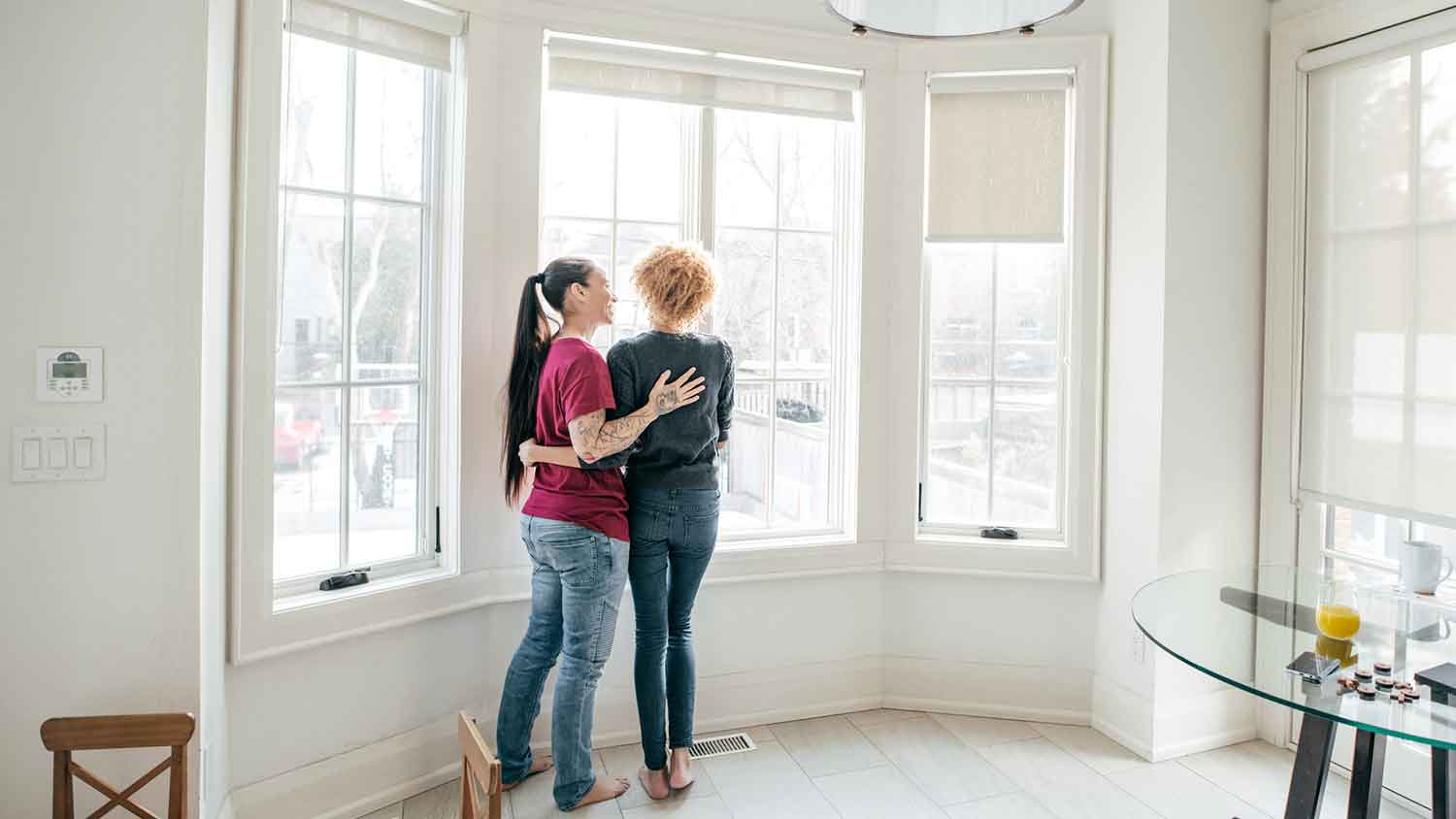
The cost of new windows heavily depends on their size, but other factors come into play as well. This guide breaks down window costs based on various factors so you can make an informed budget for this project.
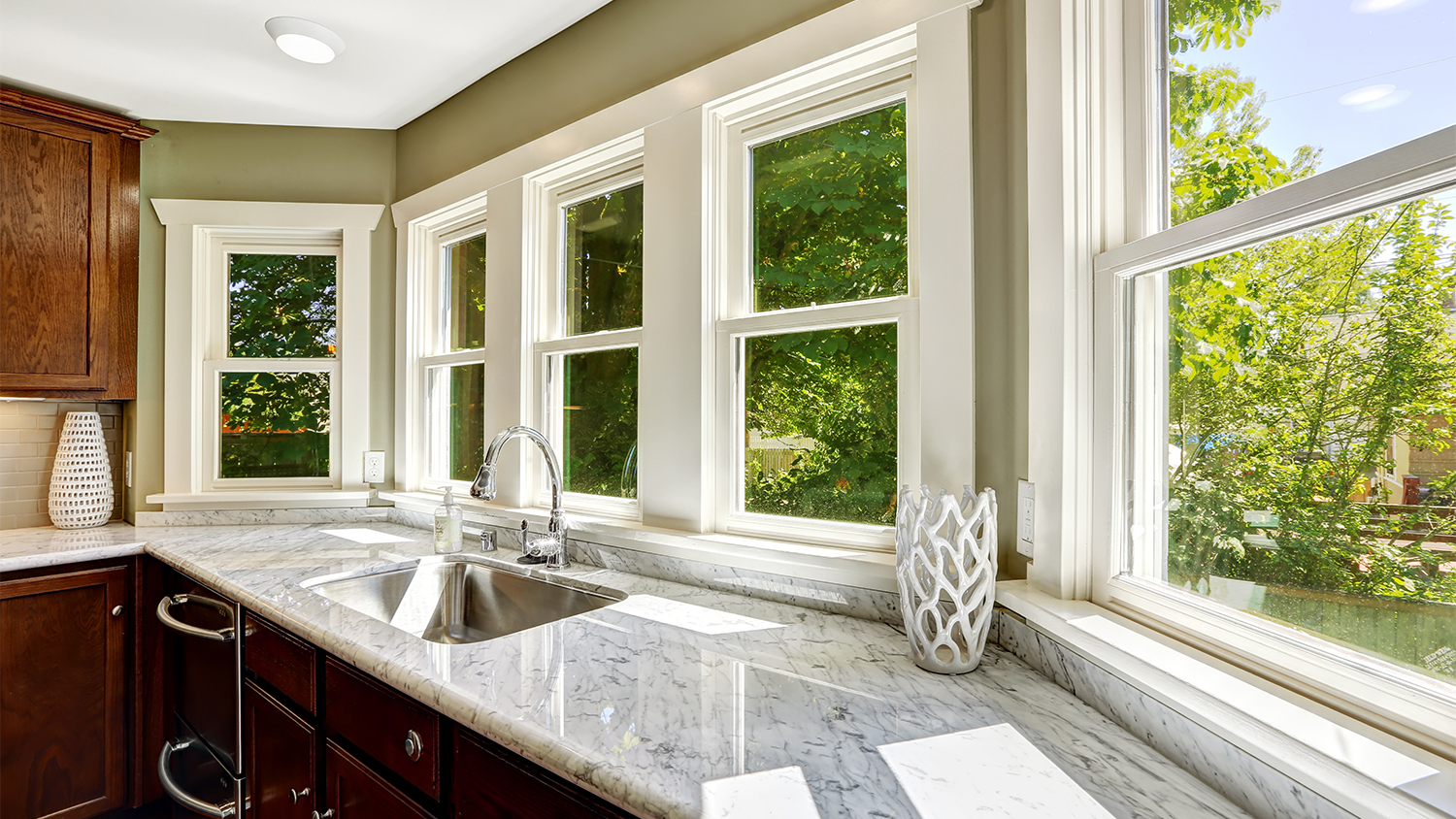
Need to replace your old windows or install new ones? Double-pane glass is probably the way to go. Use this double-pane windows cost guide to set your budget.
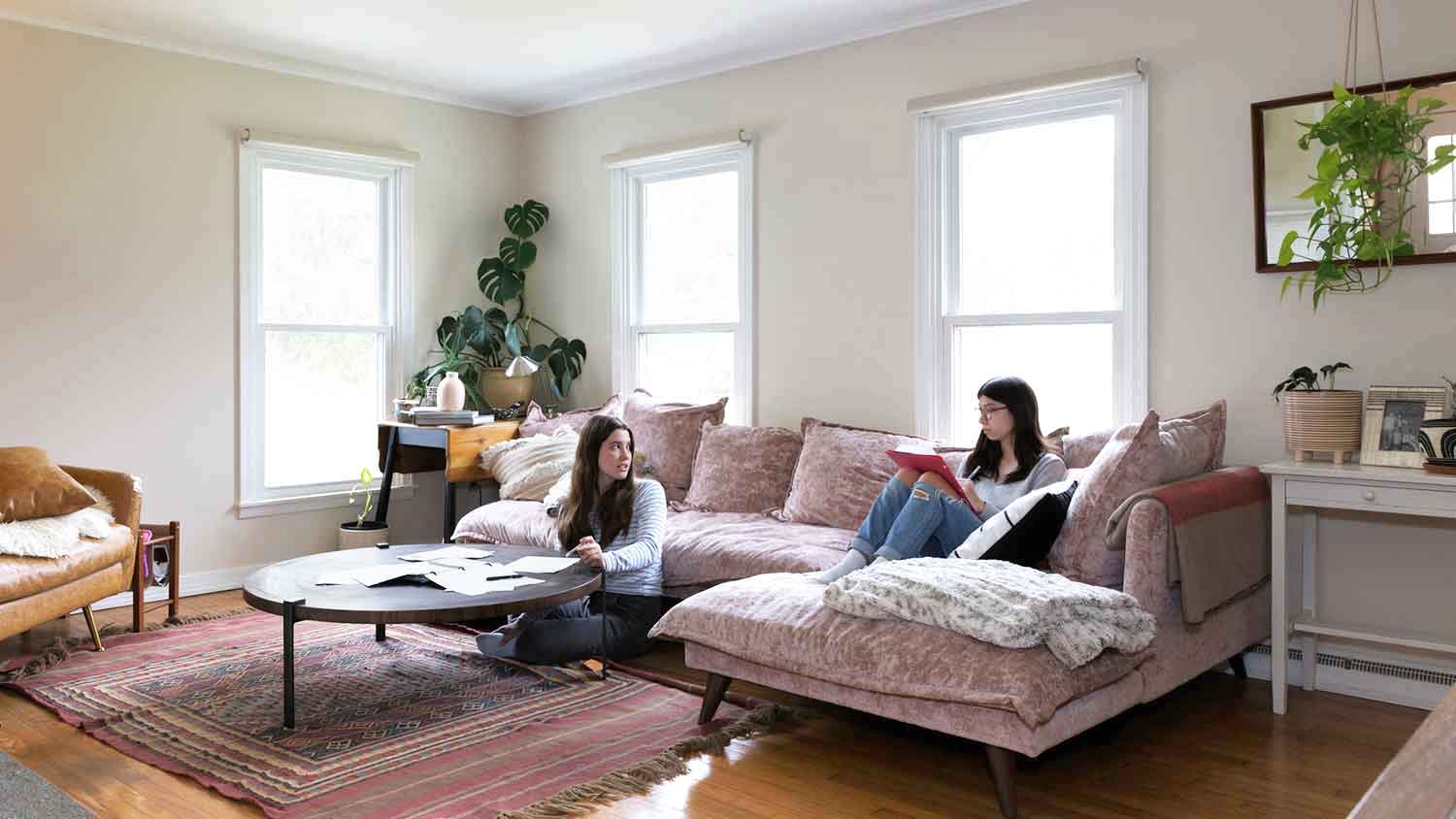
Know the different parts of double-hung windows, their purpose, and maintenance requirements to keep your windows functional and protected.

Did you know that windows are often either considered single or double-hung? Here's how they compare and how to pick the right design for you.
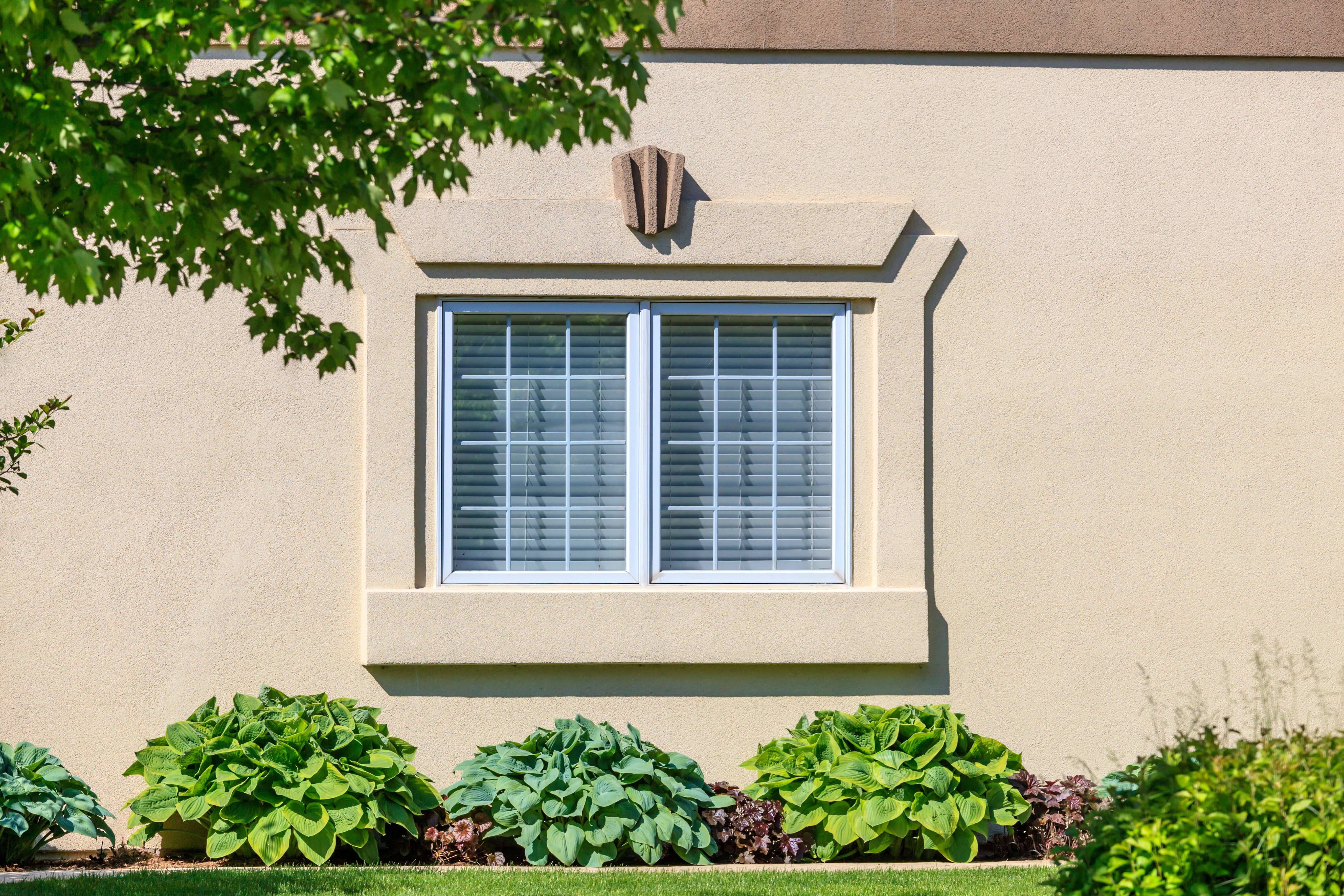
Replacing or switching windows leaves homeowners with a choice: casement or double-hung? This article lays out their pros, cons, and differences.