

•
Discover the cost to widen a doorway for wheelchair access, including average prices, key factors, and tips to help you budget your accessible home remodel.
Give yourself enough space to comfortably move around your home

The typical hallway width ranges from 36 to 60 inches, with your ideal width depending on household size and traffic patterns.
ADA-compliant hallway width is 36 inches minimum, which comfortably accommodates wheelchairs and helps you age in place or use universal design principles.
Your hallway width choice depends on building codes, available space, floor plan layout, and whether you need room for furniture or fixtures.
Hiring a local home remodeling professional helps you widen narrow hallways or adjust your layout, keeping the project on track and code-compliant.
Hallways are necessary paths from one part of the home to another, but we don’t often think about whether they’re the right width for our needs. A hallway with a minimum width can feel cramped and limit functional and decorative options for the space, while very wide hallways can cut into usable space elsewhere in your home. We break down what affects standard hallway width and how to decide what’ll work best for your home.
Most home hallways range in width between 36 and 60 inches. In smaller homes like apartments and condos, hallways tend to be narrower in order to maximize the rest of the living space. In larger homes such as single-family houses, hallways can be more spacious without significantly reducing usable space.
| Use | Average Width (Inches) |
|---|---|
| ADA-compliant | 36 |
| Two-person | 40–48 |
| Storage or seating | 48–60 |
| High-traffic | 48–60 |
While the Americans with Disabilities Act (ADA) doesn’t apply to residential buildings, many home builders use the ADA’s guidelines for things like hallway width. The ADA requires a minimum width of 36 inches for hallways, which is wide enough to accommodate most wheelchairs. For homeowners looking to age in place or use universal design in their homes, following ADA requirements can help ensure your home will be comfortable and easy to navigate even as your mobility needs change over time.
A 36-inch-wide hallway can feel a little cramped if more than one person is using it at the same time, so hallways where two people are expected to regularly pass each other or walk together may be more comfortable with a width of 40 to 48 inches. This width offers a little more flexibility without cutting too much into the rest of the living space.
Hallways that incorporate freestanding storage, seating, or decor should be 48 to 60 inches wide to also allow foot traffic without feeling like your path is being impeded. Hallway storage, seating, and decor should be thoughtfully placed so people walking down the hall don’t need to dodge objects to get to their destination.
For larger households or busy hallways to and from main parts of the home, a width of 48 to 60 inches can handle higher levels of traffic and make the home feel more open. Hallways that are too narrow for high traffic can experience greater wear and tear and feel more cramped.
To measure your hallway’s width, measure from wall to wall at the narrowest part, keeping in mind that any installed trim or hallway lighting will reduce the usable width.

If you’re planning a remodeling project or building a new home and trying to decide on the best hallway width, take these factors into account when allocating space.
Many municipalities dictate minimum hallway width in their local building codes. While you don’t need to limit yourself to the standard hallway width, you want to be sure you’re staying compliant with all applicable codes and regulations. Check with your contractor or local building authority to see if there are hallway width guidelines you need to follow.
Widening your hallways means you’ll either need to reallocate space that could be used elsewhere in the home or add total square footage. If your available square footage is limited, wider hallways may come at the expense of living space.
How your home will be laid out can be a major determining factor in hallway width. The floor plan you select and how the rooms connect to one another will help guide you in deciding how wide to make your hallways. If you’re adding an entryway, opening up your floor plan, or expanding the living space with an addition, wider hallways may be a logical choice for comfort and traffic flow. A smaller, more compact floor plan may make narrower hallways necessary to save on space and maximize square footage throughout the rooms.
Hallways that may either use furniture as decor or may be used to move furniture in and out of rooms will be easier to maneuver if they’re wider than standard. Having extra width can open up possibilities for moving and displaying furniture that wouldn’t work in a narrow hallway.
If you’re renovating or remodeling and have decided your hallways are too narrow (or too wide), contact a local home remodeling pro. They can help you reallocate your space, change your hallway configuration, or widen or narrow hallways as needed so they’re a better fit for your household. Budgeting hallway widening into the cost to renovate a house can help make your home more comfortable and customized for your family’s needs. A remodeling cost estimator can help you budget for the whole project before you get started so you know what to expect.
Jason has helped me with multiple household projects, with the most recent being new door installation. He has always showed up on time and organized and has done an incredible job! Jason is very professional and he's now my go-to for anything around my house that needs to be fixed or...
 Huff Garage Rescue, LLC
Cole has been handling plumbing and general contracting for our four properties over the past three years, and he’s always done a great job. Most recently, he installed a sink and countertop in our retail store where none existed before, and it turned out exactly how we needed. He’s...
 ANB Renovations LLC
1st Choice Renew is simply the best! We hired them for a complete home renovation, and they transformed our space into something truly amazing. The team attention to detail and commitment to quality were evident throughout the project. They were easy to work with, very responsive, and always...
 Save A Dime
This company went above and beyond with their work, chimney sweeps are usually pretty messy, but the clean up was spot on.!! Josh explained every thing that he was doing, and the things that he was checking to make sure the chimney was safe for me and my family. He was very professional,...
 Supreme brick & chimney
Custom Paint Jobs LLC turned our outdated bathroom into a modern masterpiece.
 Custom Paint Jobs, LLC
Excellent customer service and knowledge. I was recommend to him from my neighbour. My front door and window came in great and were installed beautifully perfectly, I m very satisfied with their excellent work, so decided to order one more big bow window for my living room. I cant wait for...
 Window Depot USA of Central Ohio
If I could give 10 stars for Kitchen Tune Up, I would. I cannot say enough good things about my experience with Kitchen Tune Up and the entire team involved in the process of my kitchen project. They went above and beyond as far as service and quality with my cabinets, paint, countertops, and...
It was wonderful working with Yordy and his team. They were very professional and are experts in what they do. They have completed the work on time, with better quality and with in fairly reasonable price. We just started with backsplash work , but liking his work, we went on to provide...
 Flooring Solutions
We were having 2”x 2” tile installed . There was a small installation error and the new additional replacement tile was from a different lot and the colors didn’t match. Joe assured us that he would rectify everything , which he did without hesitation. We decided to go with the 18” x 36” tile...
 CarifaTile
They work that 360 did on my kitchen cabinets is nothing short of amazing. I still cannot believe the difference from before and after. Jon and Jeff were both so incredibly professional throughout the whole process and their communications with me were constant and consistent. These guys...
 360 Painting Columbus
From average costs to expert advice, get all the answers you need to get your job done.
Discover the cost to widen a doorway for wheelchair access, including average prices, key factors, and tips to help you budget your accessible home remodel.
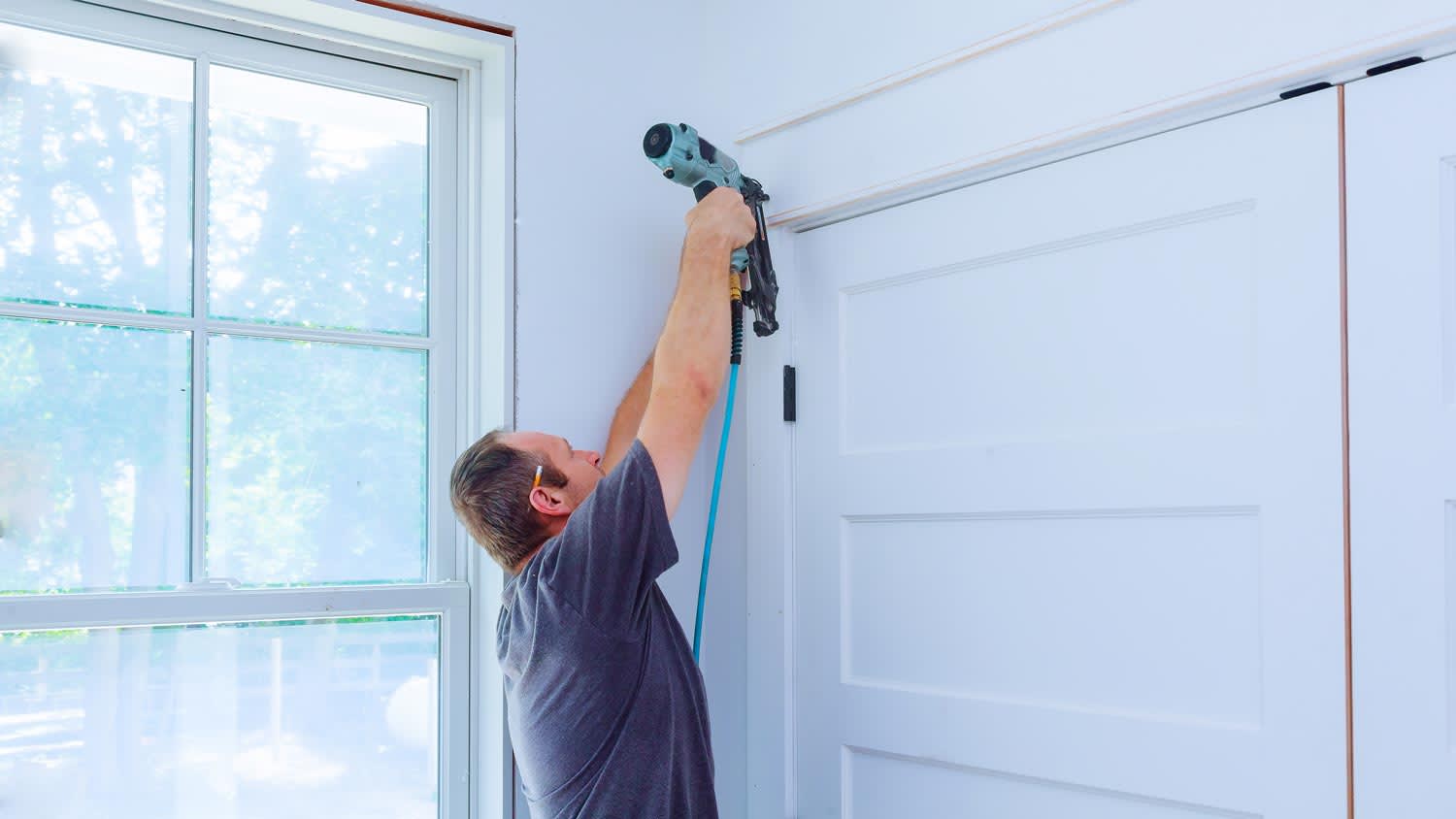
Discover the cost of widening a doorway, including average prices, key cost factors, and tips to help you budget for your project.
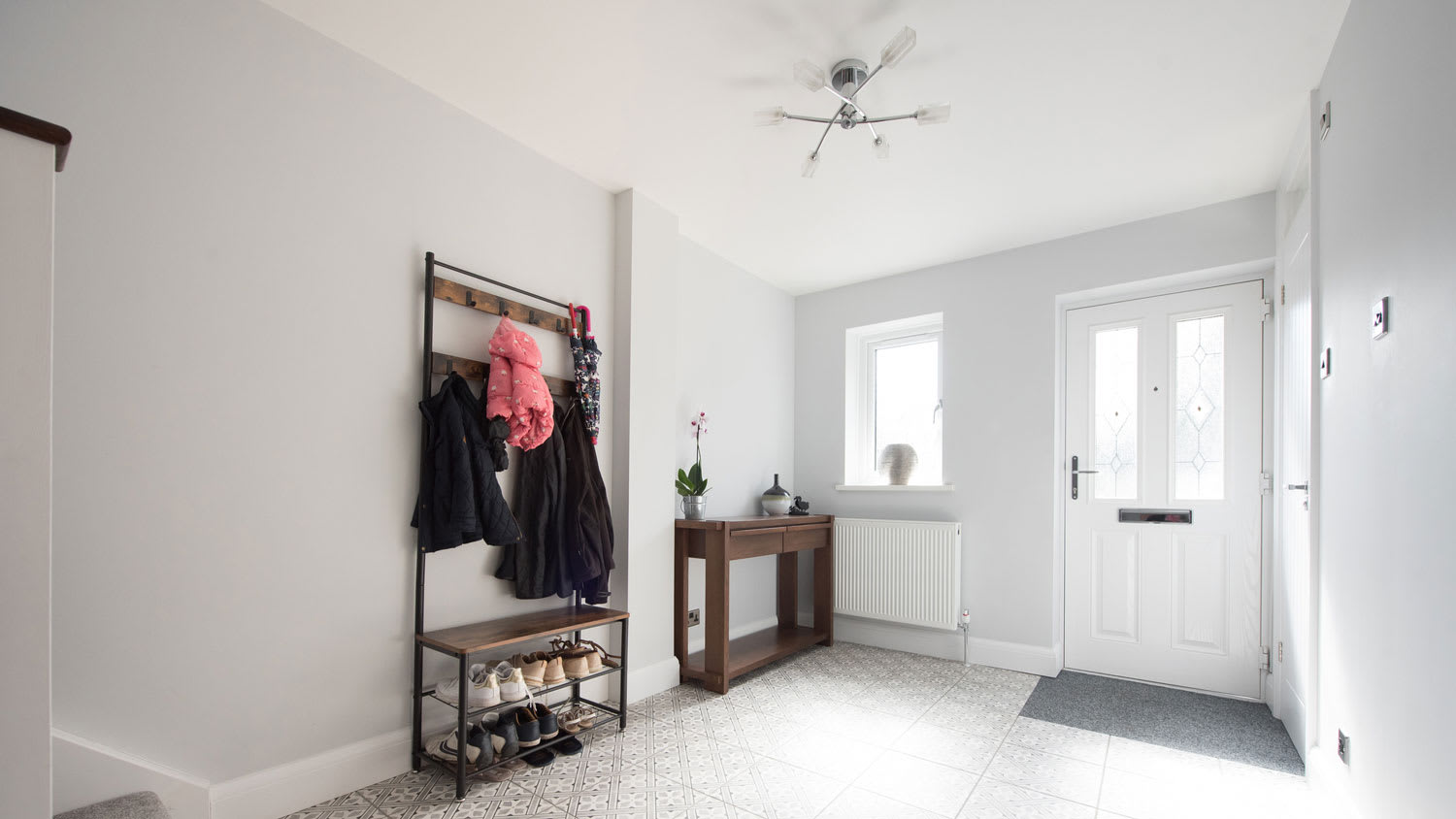
Lighting for a foyer or hallway often gets overlooked. However, you can elevate your home’s ambiance and style by choosing the proper lighting for these spaces.

Whether you’re building new construction or adjusting floor space in your existing home, learn about standard closet sizes to get the right dimensions.
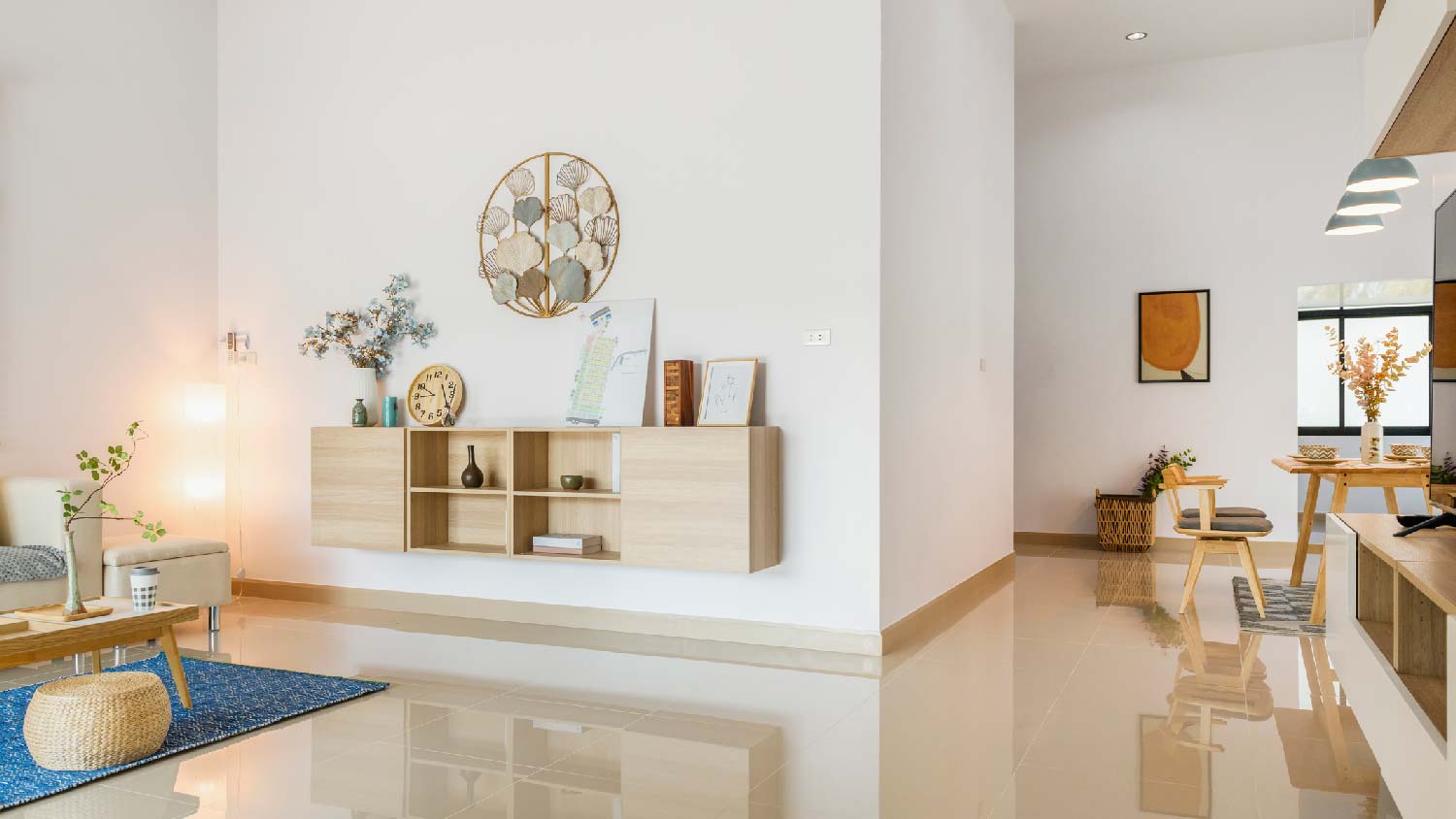
Lighting, floor plan, and more go into creating a home for people with hearing loss. Read this guide on the features of a deaf-friendly home to learn more.

Making your home wheelchair-accessible requires wider-than-standard doors. Learn what door sizes you need for wheelchair access.