

Learn about the different factors that go into water heater gas valve replacement costs to see if you should DIY the project or call a pro.
No hot water? That's not cool

A gas water heater not working is often caused by an unlit pilot light, which goes out from drafts, a dirty thermocouple, or gas supply issues.
Gas supply problems can leave your water heater without fuel, whether from a closed shutoff valve, a gas line disruption, or a utility company outage.
Sediment buildup at the bottom of your tank insulates the burner from water, reducing heating efficiency and risking overheating if left untreated.
Hiring a local water heater repair professional provides reliable support with pilot light issues and gas control valve replacements, keeping your home safe and comfortable.
When the hot water in your house goes out, it can cause mayhem for everyone. If you suspect your gas hot water heater is not working, there are a few reasons why you may have an issue. Learn how to check the hot water heater and start troubleshooting.
The pilot light is a small flame that ignites the gas burner. If it goes out, the burner won’t ignite, and the heater won’t produce hot water. This can go out due to a draft, a dirty or faulty thermocouple, or a gas supply issue.
If you know how to light a gas water heater, relighting the pilot light should fix the issue. However, if it continues to go out, have the thermocouple or gas supply inspected by a local water heater repair pro to get to the root of the cause.
A gas hot water heater functions off a consistent supply of gas. If the gas valve is shut off, there is a disruption in the gas line, or the utility company has an outage, the heater won’t be able to produce hot water. Your water heater not heating can happen from a closed gas shutoff valve, a gas leak, or an issue with the utility provider.
Check whether the gas valve is open and ensure there are no leaks before restoring the gas supply. If the issue continues, contact your local gas company or a professional plumber to investigate.
Dirt, dust, and debris can accumulate on the burner, blocking the flow of gas and preventing proper combustion. A clogged burner may produce a weak or inconsistent flame or not ignite at all.
Clean the burner to remove dirt and debris. If the burner is damaged or corroded, replace it to ensure efficient heating.

The gas control valve regulates the flow of gas to the burner. If it malfunctions, gas struggles to reach it and prevents the heater from producing hot water. This can happen because of internal wear, corrosion, or a faulty safety mechanism.
The best way to resolve this issue is to replace the faulty gas control valve. Since gas control valves are complex and require precise installation, hire a water heater professional to do the job.
Proper ventilation keeps the water heater functioning safely. If the vent is blocked by debris, combustion gases can build up, affecting burner performance and triggering safety shutoffs. Inadequate ventilation can also cause backdrafting, where harmful gases like carbon monoxide re-enter the home.
Clear obstructions in the vent to promote proper airflow. If ventilation continues to be an issue, hire a pro to inspect and adjust the system for optimal venting. Sometimes, installation is to blame for this issue, so readjusting the system can help.
Minerals and debris from water can settle at the bottom of the tank over time. This buildup insulates the burner from the water, reducing efficiency and risks overheating. If left untreated, the heater may take longer to heat water or stop working altogether.
Flushing the tank periodically helps remove sediment and restore efficiency. If the buildup is excessive or the tank is damaged, hire a pro for maintenance or consider replacement if cleaning doesn't suffice.
If the thermostat is set too low, is faulty, or incorrectly calibrated, the water may not reach the desired temperature or simply not heat at all. A malfunctioning thermostat can also prevent the burner from activating.
Adjusting the thermostat setting may easily resolve the issue. However, if it's faulty, replacing it is the best option. If you notice consistent temperature fluctuations, have a pro inspect the system.
The thermocouple is a safety feature that detects whether the pilot light is lit. If it’s malfunctioning or dirty, it can mistakenly shut off the gas supply. A worn-out thermocouple can make it difficult to keep the pilot light on.
Cleaning the thermocouple may help, but if it is damaged or faulty, replacing it is the best solution. A local water heater professional can properly install and test the thermocouple to maintain safety.
Some gas water heaters use an electronic ignitor instead of a pilot light to ignite the burner. If the ignitor is faulty, damaged, or not receiving power, it won’t be able to start heating. Common causes include worn-out components, electrical issues, or dirt buildup.
Checking for power supply issues and cleaning the ignitor may resolve minor problems. If the ignitor is faulty, replacing it will restore proper function.

Here are some common signs your gas water heater isn't operating as it should:
The heater fails to produce hot water.
Inconsistent water temperature, fluctuating between hot and cold.
Running out of hot water quicker than usual.
Strange noises like popping or rumbling, which is due to sediment buildup.
A rotten egg smell like a sulfur odor may indicate a gas leak. This requires immediate attention.
The pilot light won’t stay lit, or the gas water heater is not lighting.
Rusty or dirty water coming from faucets.
Leaks around the heater or water pooling at the base of the unit.
Higher gas bills, which shows the unit is working inefficiently.
With a gas hot water heater, reaching out to a pro is your best course of action to prevent further problems or safety risks. Issues involving a gas leak, a pilot light that won’t stay lit despite multiple attempts or a complete lack of hot water even after checking the thermostat and gas supply could indicate serious safety hazards. If you notice water pooling around the base of the heater, the tank may be leaking, which means it needs to be replaced.
If basic troubleshooting, such as flushing the tank or relighting the pilot light, doesn't resolve the issue, call a water heater technician near you for proper diagnosis and safe repairs.
To prevent carbon monoxide exposure from a water heater, make sure it is properly ventilated. You should also have it inspected and cleaned every year and install a carbon monoxide detector nearby. If you smell gas—which can mimic the scent of rotten eggs—evacuate immediately and call your gas company.
If you’re good people wanting to do business with good people, hire Matt. He is a consummate professional and utterly competent. He installed a water heater in my home at a price that beat competitors by hundreds of dollars with a promise to support the unit for its life (even after its 6 yr...
 Greene's Plumbing Services
As usual with ECO, tech Jordan was outstanding, very professional, very knowledgeable, and very thorough with repairs made to tankless water heaters. Very highly recommend ECO!!!
 Eco Plumbers, Electricians, and HVAC Technicians
Did a great job replacing the ice maker and water regulator on my refrigerator. He was quick and thorough, very friendly and professional. If I needed a heart transplant I'd want him to do it!!!
We had a gutter blockage that was causing water to sheet down the side of the house and ultimately it started to come in at a window (need mortar people next). Called around 7:30am, and he responded by 8am. He was able to come out the same morning and do a look over and clean out. He also...
Scott checked our large crawl space for mold and water infiltration and recommended a viable solution. The crew was efficient and they cleaned up well after the job. The job was expensive but I am confident that I won't have to deal with the problem again. Highly recommend.
 AdvantaClean of Dublin
They were the most through inspecting the water system in my house. Even going the extra mile to get the water professionally tested for contamination.
 Hague Water Conditioning, Inc.
Very well. Have already used them again to fix hot water heater
 Service Olympians
The Paul Davis team was very professional and went the extra mile to take care of my water damage. The work was very high quality and done in a timely manner. I would highly recommend their services.
 Paul Davis Restoration
Honesty is hard to find in business today. GBR met me today at a 3 story building regarding my being told that I needed to tuckpoint the brick because of water leaks. The owners took the time to evaluate the situation and advised me that I did not need their service at all. They pointed me...
 GBR Masonry Inc
They unclogged the drain and sent me a bill for more than 4 times what I paid before. I called the Water Works to ask why the bill was so high and that they should have gotten my authorization before assuming they could make expensive decisions like that on my behalf and for their benefit....
 The Waterworks
From average costs to expert advice, get all the answers you need to get your job done.
Learn about the different factors that go into water heater gas valve replacement costs to see if you should DIY the project or call a pro.
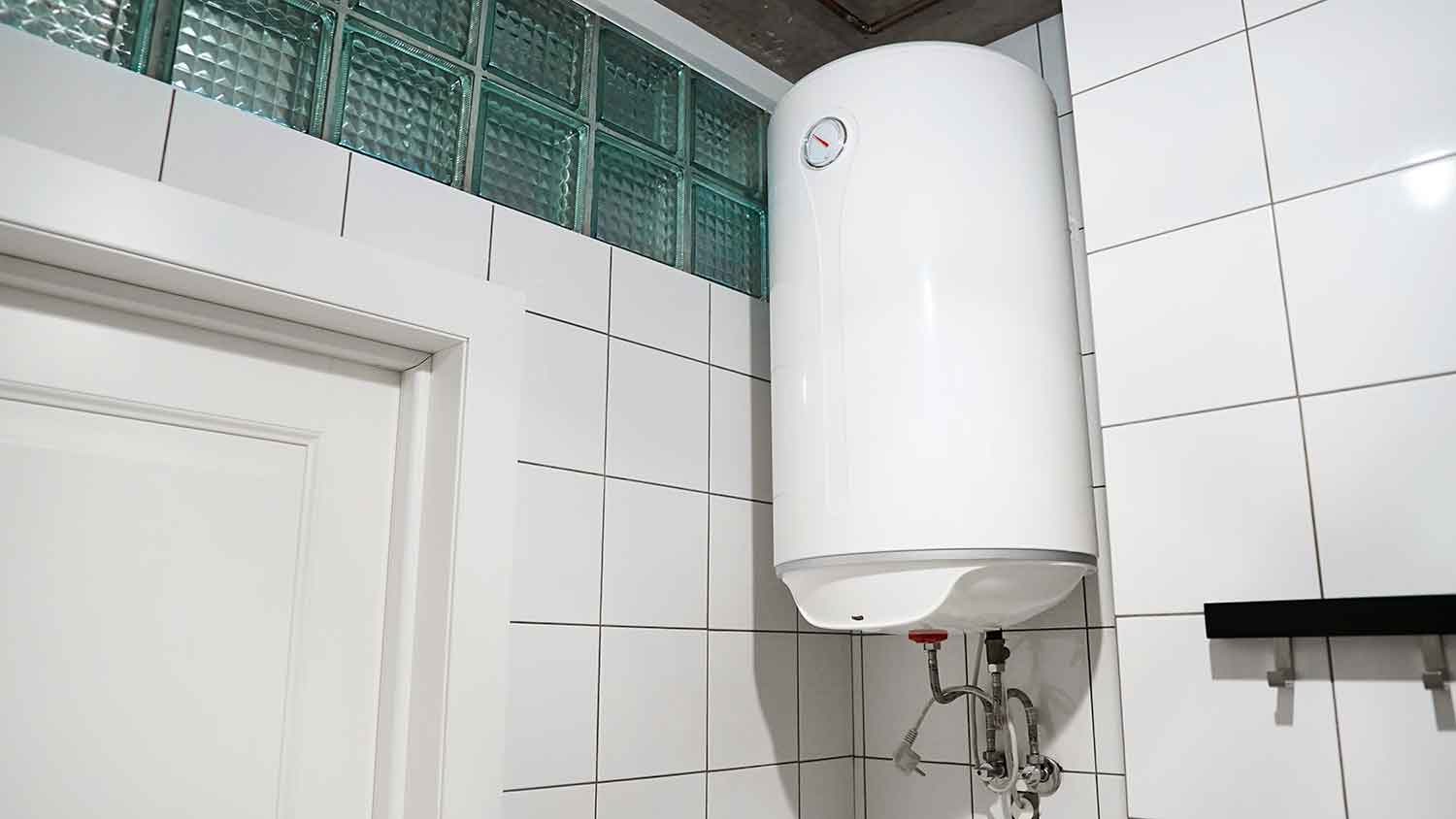
Running out of hot water too quickly or hearing strange noises when you call for hot water? Use this water heater repair cost guide to see what a fix will cost.

Looking to replace or upgrade your water heater? Use this water heater replacement cost guide to see what the work will cost and what factors affect your total.
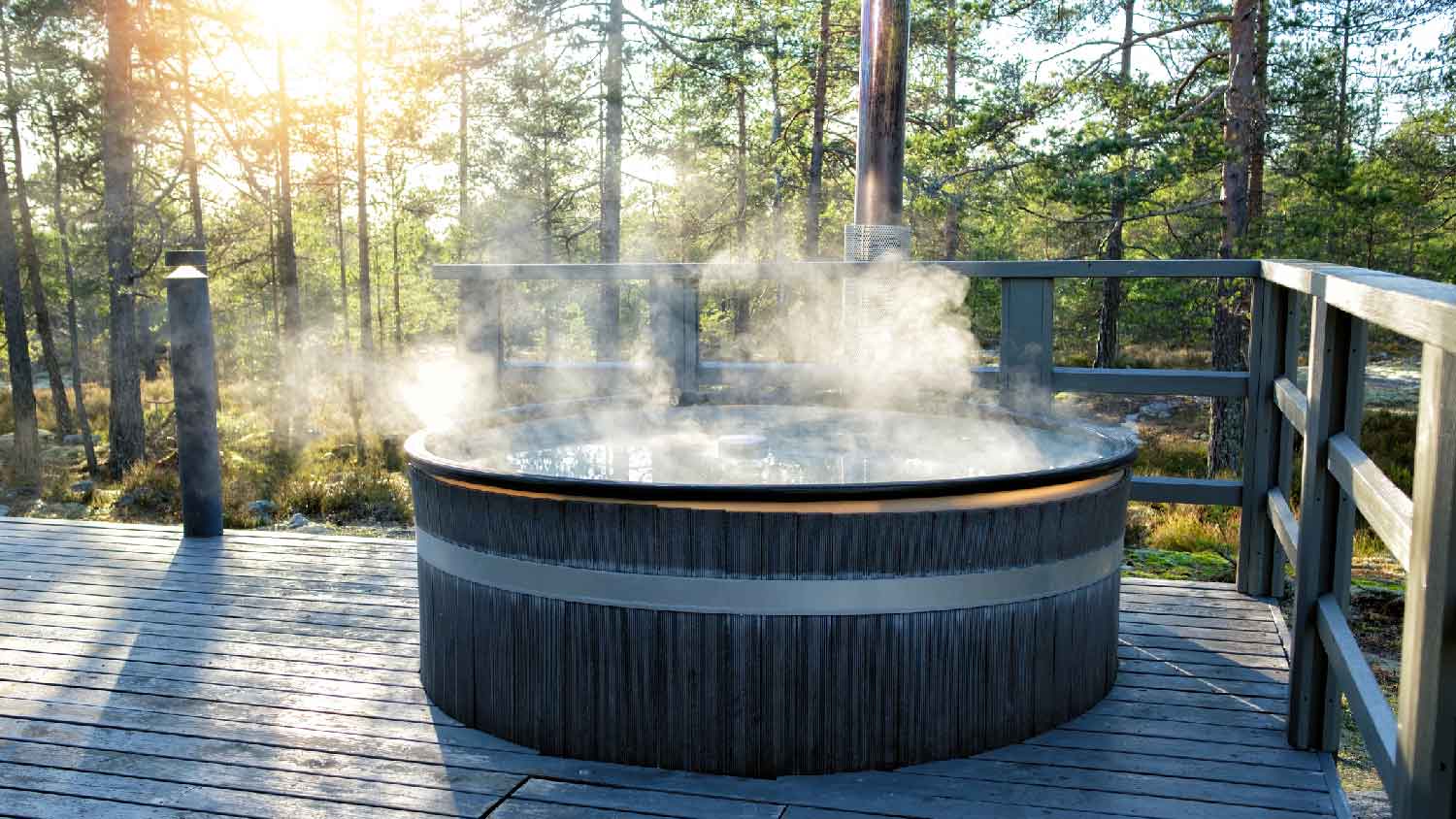
Knowing how a hot tub heater works is vital for maintenance and troubleshooting. This guide can help you care for this important component.
Instant hot water at your fingertips is closer than you think. Learn how a hot water heater recirculation system can deliver hot water quicker than ever.
Learn the pros and cons of gas water heaters and electric water heaters. Find out which one is the best option for your home.