

Learn about the different factors that go into water heater gas valve replacement costs to see if you should DIY the project or call a pro.
If your water is cold as ice, your water heater may be slipping up

A water heater that keeps turning off often signals a malfunctioning thermocouple or faulty gas valve disrupting your system's normal operation.
Typical costs range from $91 to $1,700 for water heater repairs, with average costs around $600 depending on the issue.
A dirty pilot tube or clogged air inlet prevents proper gas flow, so cleaning these components helps restore consistent heating.
Hiring a local water heater repair professional provides reliable help with thermocouple replacements and gas valve repairs, keeping your hot water running smoothly.
Few things are worse than enjoying a hot shower when the tap suddenly turns ice cold. Besides being wet, cold, and frustrated, you now have to figure out how to fix the problem. When this happens, your water heater is the most likely culprit. Common reasons a water heater keeps turning off include problems with the gas supply, a malfunctioning thermostat, a damaged or dirty thermocouple, or issues with the electrical components or heating elements.
Learn why your gas or electric water heater may be malfunctioning and what you can do about it.
If your gas water heater keeps turning off, it may be a sign of a malfunction—or your system may have simply outlived its lifetime. The answer to how long a water heater lasts depends on how often it’s used and maintained, but in most cases, it’s about 10 years. So, if it’s been more than a decade since you’ve replaced your water heater, you may be out of luck.
But if it’s a relatively new gas water heater, a few things may be causing your issues, like a malfunctioning thermocouple or a clogged inlet.
If there’s a problem with the gas supply, your water heater can’t do its job. A blockage in the gas line or a faulty gas valve can disrupt the flow of gas and cause your water heater to keep turning off.
If you suspect a gas issue, turn off your gas and contact a water heater repair contractor immediately.
A thermocouple is what connects the gas control valve to the outside of the water heater. It helps convert the heat from the pilot flame to an electrical current that turns on the heat by controlling the flow of gas. If a thermocouple is bad, there will be no gas to the pilot or the burner—meaning no heat.
A good way to figure out if it’s the thermocouple is to see if the pilot light is on. If it isn’t or won’t stay lit, the thermocouple could be the issue.
If your pilot tube is too dirty, it can become clogged, preventing the pilot light from getting enough gas to stay lit.
You can try cleaning it yourself by following these easy steps:
Turn off the gas and power to your water heater
Vacuum out the pilot tube
Use a brush to clean up any additional residue
Wipe the pilot burner with a soft brush
Secure back in place
Air intake vents can easily become clogged with debris, pests, or even stray items (like clothing if it’s located near your laundry). Without a good incoming air supply, your water heater will not function properly and may keep shutting off.
Just like the dirty pilot tube, vacuum and brush out the air intake vent to ensure adequate airflow. Your water heater should also be located in a well-ventilated room with access to oxygen—that is, no closed doors without a vent.
The main control valve lets you control the temperature of your water heater and turn it off and on. When it’s not working properly, your water heater can keep turning off or be inoperable.
If it is a faulty valve, contact a pro to repair it.
The flex tube runs hot and cold water into your system. If clogged or damaged, it’s easy to see why your hot water heater isn’t working how it should. The easiest way to clean a flex tube is to flush your water heater.
For this fix, you’ll need to know how to drain a water heater. Here’s what to do:
Turn off the power and gas
Let the water cool down, unless it’s not hot
Release pressure in your water line by running water elsewhere, like your upstairs sink
Attach a garden hose to your drain valve and place a bucket under the other end of the hose
Open the drain valve
Once empty, run more water through your system
Close the valve, turn the power and gas back on

While gas is commonly known to be dangerous, some homeowners may be able to try their hand at small wiring repairs.
But if you’ve never attempted any sort of electric work before, just like with gas water heaters, you should leave the work to a professional. One wrong move could lead to electrocution, fire, or damage to your entire electrical system.
If your water heater keeps tripping your breaker, your wiring may be faulty.
To test if it’s your breaker, try turning it back on once it’s off. If it immediately turns back off without any sort of action, it’s likely the breaker itself.
When a thermostat breaks, it’s no surprise that your water temperature isn’t right. In some cases, it can cause your water heater to turn off completely.
For example, if your system can only handle up to 175 degrees, but if the faulty thermometer allows it to reach 185, the system could be shut off automatically.
Locate the upper and lower thermostats.
Check the power supply on both.
Reset the thermostat by pressing the button; see if it works.
If the upper system has no power, replace that thermostat.
If the upper system gets power but your water is still cold, replace the upper heating element.
A broken heating element can cause water heaters to turn off because it makes the water heater unable to heat water.
Turn off the power and drain the water heater tank. Then, remove the old heating element, install the new one, and reconnect the wires. Finally, refill the tank and check it for leaks.
Water contains natural sediment, which can build up inside your heater over time. If there is too much sediment, your tubes and valves can become blocked, disrupting your water flow.
If you haven’t in a while, try draining your water heater to see if that helps your water heater get back on track. Look up draining tips for your specific model, but in general, you can follow these steps:
Turn off the power
Let the water cool down, unless it’s not hot
Release pressure in your water line by running water elsewhere, like your upstairs sink
Attach a garden hose to your drain valve and place a bucket under the other end of the hose
Open the drain valve
Once empty, run more water through your system
Close the valve and turn the power back on
Overheating occurs when the water heater’s internal components can’t properly regulate the water temperature, so the system shuts down as a safety precaution.
This happens for one of two reasons: a faulty thermostat or sediment build-up inside the tank.
Faulty Thermostat: If your water heater’s thermostat malfunctions, it might not shut off the heating element at the appropriate time, causing the water temperature to rise too much. Most water heaters have a safety mechanism that cuts power when the water reaches a dangerous temperature, which is why the system might keep turning off. If this is the problem, you likely need to replace the thermostat.
Sediment Buildup: Over time, minerals and debris from your water supply can accumulate at the bottom of the tank. This sediment can insulate the heating element, causing it to overheat as it works harder to heat the water. When this happens, the system may shut off to prevent further overheating. Regularly flushing the tank can help reduce sediment buildup and prevent the heater from overworking itself.
If it’s none of the above, there could be faulty wiring. In some cases, you may be able to see some issues, like a loose or corroded wire. But if there’s nothing noticeable or out of place, the bad wiring could be hidden in your system itself.
For this issue, it’s best to reach out to a pro for help.
In most cases, trying to DIY a water heater repair isn’t worth the time or effort. You could actually end up causing more damage to your heater or home, and in some cases, DIY repairs will void your system’s warranty. Your best bet is to call a local water heater pro to get the job done for you.
Most plumbers charge per hour for their services, so the price will depend on the complexity of the job. On average, homeowners spend anywhere from $91 to $1,700 on a repair, with the average water heater repair cost landing around $600.
If you have to replace the system completely, expect to spend upward of $1,800. But, this cost can vary based on where the heater is located, whether you have a tank or tankless water heater (tankless water heaters cost much more than tank ones), and whether your project requires any plumbing upgrades.

While you may not be able to fix the water heater on your own, you can help prevent issues in the first place by:
Maintain it regularly: Give your water heater a once-over at least once per year. Test the valves, check the anode rod, and look for any visible issues. Catching them before the problem gets serious can save you a lot of time and money.
Get a professional inspection: You can also outsource your maintenance to a professional who can look for any issues and make sure all your settings are correct. Plumbers cost as low as $45 per hour, but that hour of work could save you hundreds in repairs.
Flush it once a year: Over time, sediment and other debris build up in your water tank, leading to decreased efficiency. Draining your water heater once a year can keep your system running at its highest (and hottest) potential.
Insulate your tank and pipes: By insulating your tank and pipes, you can reduce your utility bills and ensure your system doesn’t have to work too hard to keep up with demands.
Turn it down a few degrees: The standard settings allow for pretty hot water, but most homeowners won’t ever use water at its highest heat. You can turn your settings down a few degrees on the control valve to give your heater a bit of a reprieve.
If you’re good people wanting to do business with good people, hire Matt. He is a consummate professional and utterly competent. He installed a water heater in my home at a price that beat competitors by hundreds of dollars with a promise to support the unit for its life (even after its 6 yr...
 Greene's Plumbing Services
As usual with ECO, tech Jordan was outstanding, very professional, very knowledgeable, and very thorough with repairs made to tankless water heaters. Very highly recommend ECO!!!
 Eco Plumbers, Electricians, and HVAC Technicians
Did a great job replacing the ice maker and water regulator on my refrigerator. He was quick and thorough, very friendly and professional. If I needed a heart transplant I'd want him to do it!!!
We had a gutter blockage that was causing water to sheet down the side of the house and ultimately it started to come in at a window (need mortar people next). Called around 7:30am, and he responded by 8am. He was able to come out the same morning and do a look over and clean out. He also...
Scott checked our large crawl space for mold and water infiltration and recommended a viable solution. The crew was efficient and they cleaned up well after the job. The job was expensive but I am confident that I won't have to deal with the problem again. Highly recommend.
 AdvantaClean of Dublin
They were the most through inspecting the water system in my house. Even going the extra mile to get the water professionally tested for contamination.
 Hague Water Conditioning, Inc.
Very well. Have already used them again to fix hot water heater
 Service Olympians
The Paul Davis team was very professional and went the extra mile to take care of my water damage. The work was very high quality and done in a timely manner. I would highly recommend their services.
 Paul Davis Restoration
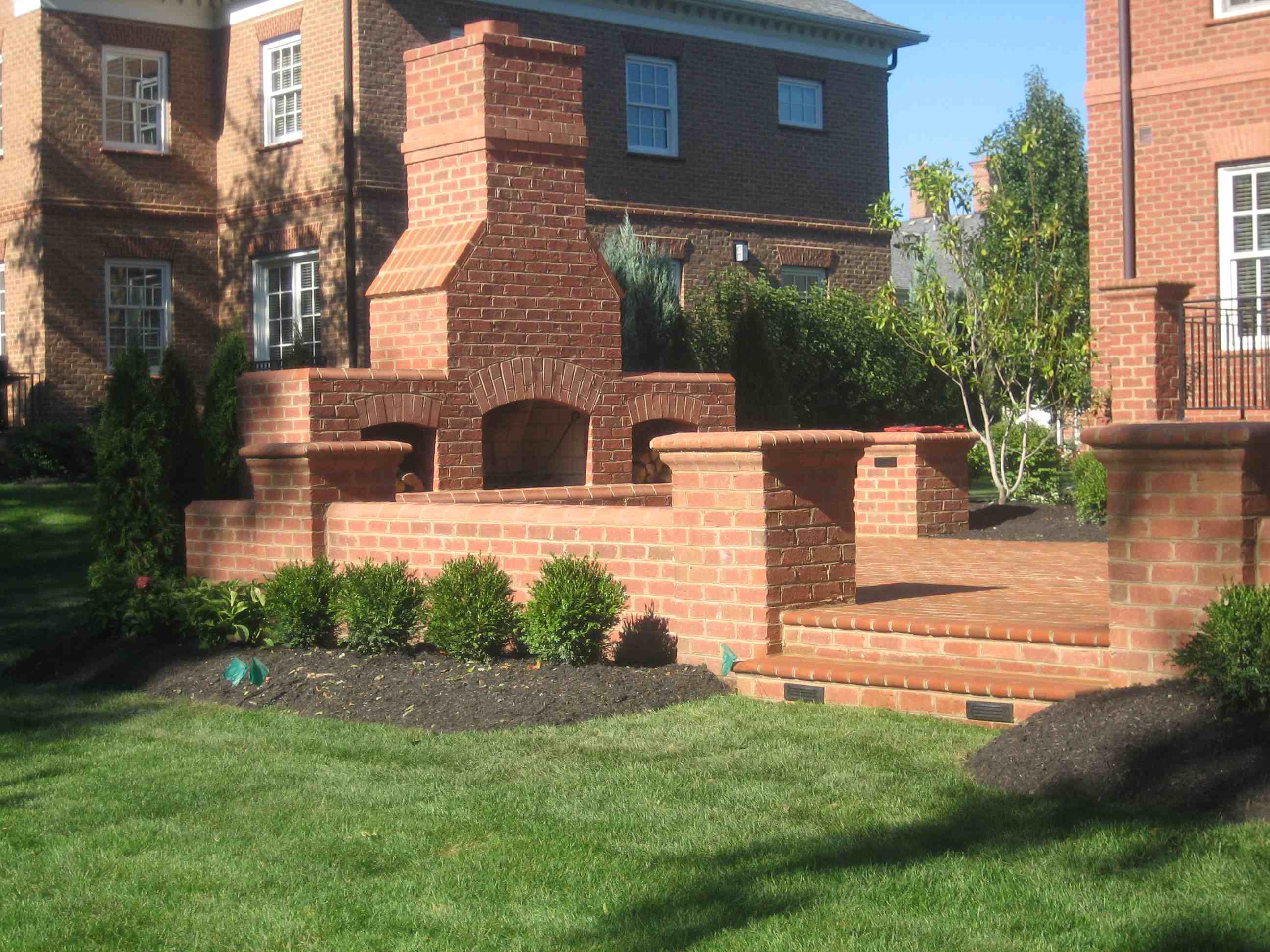
Honesty is hard to find in business today. GBR met me today at a 3 story building regarding my being told that I needed to tuckpoint the brick because of water leaks. The owners took the time to evaluate the situation and advised me that I did not need their service at all. They pointed me...
 GBR Masonry Inc
They unclogged the drain and sent me a bill for more than 4 times what I paid before. I called the Water Works to ask why the bill was so high and that they should have gotten my authorization before assuming they could make expensive decisions like that on my behalf and for their benefit....
 The Waterworks
From average costs to expert advice, get all the answers you need to get your job done.
Learn about the different factors that go into water heater gas valve replacement costs to see if you should DIY the project or call a pro.
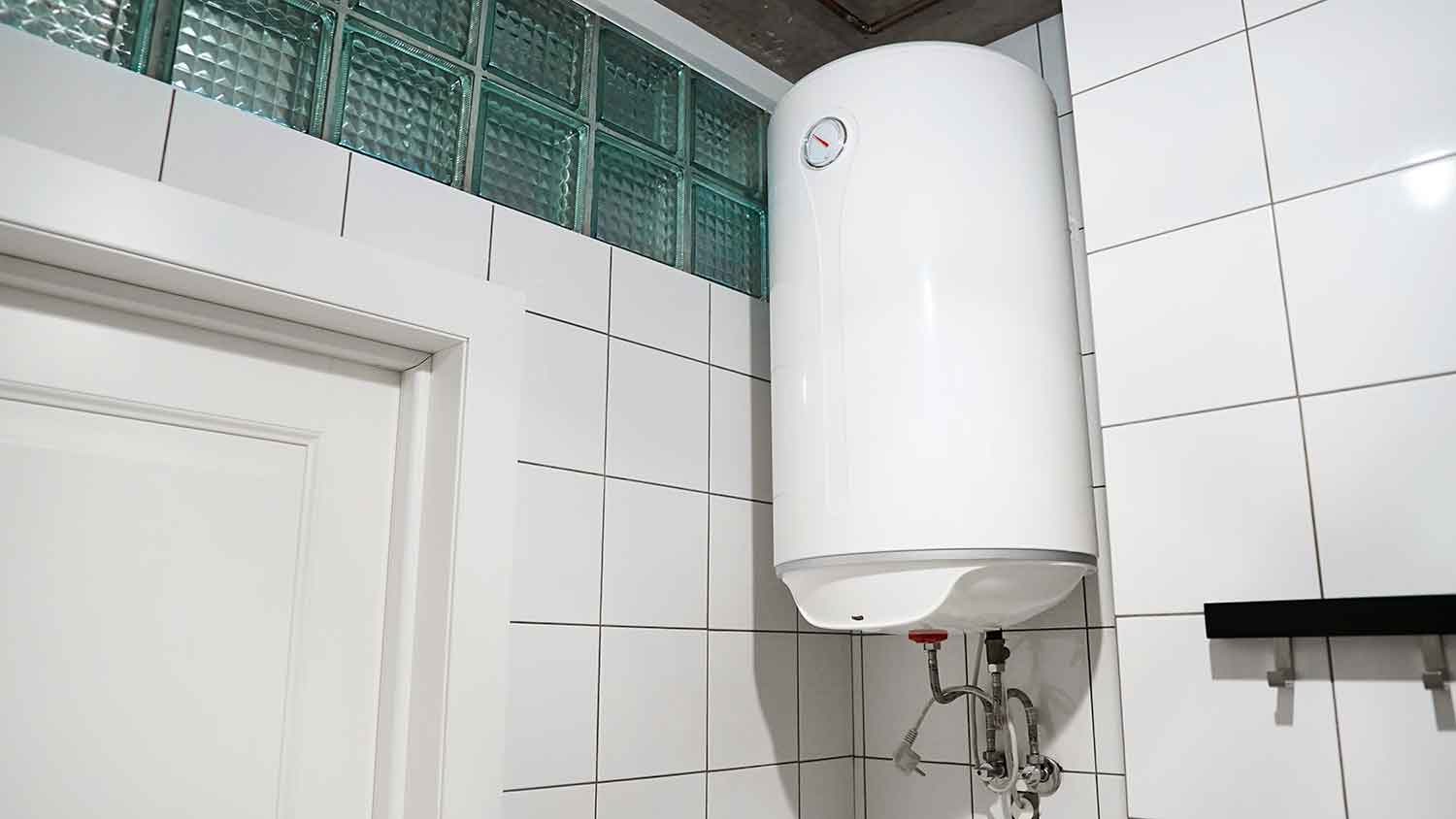
Running out of hot water too quickly or hearing strange noises when you call for hot water? Use this water heater repair cost guide to see what a fix will cost.
If you don’t properly maintain your water heater, you could end up with the dreaded cold shower, not to mention dishes and laundry that don’t get clean. Learn how to keep your water heater working well with these tips.
Learn how to properly and safely shut off your water heater so you can perform routine maintenance or prevent a leak from worsening.
If your water heater is leaking, you can still use water as long as you have a repair plan. Here’s what you need to know about a leaking water heater.

Does shutting off water affect AC? Not directly, but it will mess with the heater. Here's what to expect after the water comes back on.