

Gas furnace replacement costs depend on the type of furnace you want and installation fees. Our guide explains all the factors involved in a new furnace cost.
You really can blame it on your furnace this time

A gas smell in the house when you first turn on your furnace indicates dust burning off after months of sitting idle during warm weather.
Your furnace exhaust pipe can send gas odors back into your home when it malfunctions, so check for visible damage or blockages near the pipe.
A cracked heat exchanger from overheating leaves unburned gases in your home and creates dangerous carbon monoxide, so watch for soot buildup around your furnace.
Hiring a local furnace repair professional provides peace of mind when you notice persistent gas smells, helping with heat exchanger inspections and exhaust pipe repairs.
Is your gas furnace stinking up the place? You’re right to be concerned whenever you recognize the rotten egg-like stench of gas in your home. That bad smell isn’t always bad news. But you might wonder what exactly is going on when your furnace smells like gas—and what you should do to ensure it’s working safely.
The quick answer to this question is yes, even a normally functioning gas-powered appliance will smell like gas from time to time.
However, a strong or persistent gas smell in your home could indicate something more serious, and it’s worth your health and peace of mind to get it checked out. Schedule your yearly furnace maintenance call before the cold season arrives so you can mitigate issues before temperatures drop and you need to get cozy and warm.
We hate to sound like a broken record, but if there’s any concern about the operation of a gas-powered appliance in your home, call a pro. But here are some of the major reasons—some you can ignore but some you absolutely shouldn’t—your furnace smells like gas.

During the warm weather months when your furnace is in hibernation, it’s collecting dust. That gas smell you experience when you fire it up for the first time when the weather starts to get cool is probably just dust burning off. The smell of gas coming from the furnace—and potentially through the air ducts and vents—results from mercaptan reacting with the burning dust particles.
Mercaptan is an organic gas made of carbon, hydrogen, and sulfur—that last one is what creates the rotten egg smell—that’s added to the natural gas to make it more detectable because it’s odorless in its natural state. So mercaptan is helpful in a way, though your nose might not appreciate it.
There is a solution to prevent a strong gas smell, though. Before you fire up your furnace for the season, clean it off so that there’s less dust to burn off.
Level of concern: None, unless the smell of gas persists past the initial one or two uses.
To ensure a smoother and safer start to your heating season, consider scheduling a professional furnace inspection and cleaning before the cold weather arrives. A technician can thoroughly clean your furnace, removing any accumulated dust and debris, which will help minimize that gas smell from the furnace. Regular maintenance not only reduces unpleasant odors but also enhances the efficiency and longevity of your furnace.
Your furnace pumps heat out in 10 to15 minute cycles. When it fires up at the start of each cycle, it’s normal to smell a bit of gas, especially if you’re standing nearby. Depending on how cold it is, there might be two or three cycles per hour as the furnace works to adjust the temperature in your home. The gas smell should dissipate soon after the start of each cycle, so it should be no problem.
However, if your furnace is experiencing a malfunction known as short-cycling, you might smell gas more often because the furnace keeps having to fire up. If you believe this to be the case with your furnace, it’s time to make a service appointment with a local HVAC pro.
Level of concern: None, unless you suspect your furnace is short-cycling—call a pro to fix it.
When your furnace smells like gas, you should monitor its behavior closely for a while. If the short-cycling issue persists or the gas smell continues beyond the initial startup, contact a certified HVAC technician as soon as possible. They can diagnose the problem and recommend necessary repairs to prevent potential hazards and ensure your furnace operates efficiently. Regular maintenance checks can also help prevent future short-cycling issues.

A well-functioning furnace exhaust pipe is supposed to send the smell of gas out of your home. High-efficiency furnaces do this best, but even they are not foolproof. In general, the odor of mercaptan should fade quickly, but a malfunctioning pipe could send the exhaust right back into your home.
Level of concern: Elevated. Call a pro to have your exhaust pipe checked and repaired or replaced, as necessary.
First, check for any visible damage or obstructions in the exhaust pipe. If you're unsure or can't identify the problem, it's best to contact a professional HVAC technician to inspect and repair the components of your HVAC system. Ignoring this issue could lead to serious safety hazards, so take immediate action.
If the heat exchanger is cracked because of overheating, it won’t burn off all of the gases during combustion. In addition to those unburned gases, your furnace will also create carbon monoxide, known as the “silent killer” for its odorless yet deadly presence in your home. Time to call a pro.
You might also see soot. This means that your heat exchanger and other components are corroding.
Level of concern: Moderate to high alert. It’s not an ideal situation, so you should call in a pro to take a look.
Install carbon monoxide alarms on every level of your home, in central locations, and outside bedrooms. Check all of your carbon monoxide detectors every month, and replace the batteries on a set schedule according to the manufacturer’s instructions.

If you notice soot buildup or suspect a cracked heat exchanger, shut down your furnace immediately and contact a licensed HVAC technician. Operating the furnace in this condition can expose your household to carbon monoxide, which can be deadly. The technician will need to inspect the heat exchanger and replace it to restore safe operation. Prioritize this repair to protect your home's safety.

Again, if not for the addition of mercaptan, gas is odorless in its natural state. If you see a yellow flame instead of a blue one inside your furnace, there’s cause for concern. It might just be dust or dirt burning off, but it could be an indicator of incomplete combustion.
If you hear hissing sounds near your furnace, this could mean there’s a faulty connection somewhere that’s permitting gas to flow back into your home. Do you have houseplants that are in failing health even though you’re taking good care of them? You might have a gas leak in your home.
Level of concern: High alert. Seek safety outside your home and call your gas company to report the potential leak.
Leave your home and avoid using any electrical devices, including light switches, because they can ignite the gas. Once you're safe, call 911 and a local gas company, but do not start your car. Wait for everyone to arrive and inspect your home for harmful gases. They will locate and repair the leak, ensuring your home is safe before you return.
It goes without saying that whenever you are concerned about the performance of a large appliance or system, call your local furnace repair company to have it checked out. A yearly service call can ensure that your furnace is working properly and won’t cause any issues when the temperature drops.
I have used Columbus Worthington Air for years and recommend them whenever I have a chance. The staff is quick, courteous, and well-trained.
 ARS Columbus Worthington Air
If you’re good people wanting to do business with good people, hire Matt. He is a consummate professional and utterly competent. He installed a water heater in my home at a price that beat competitors by hundreds of dollars with a promise to support the unit for its life (even after its 6 yr...
 Greene's Plumbing Services
Corey Carr was great. I had damage from a recent storm and needed to have my mast and other components replaced. The project entailed coordinating with AEP, and Corey helped make a stressful situation a lot less stressful. I really appreciated his dedication to service and the job very well done.
 Mr. Electric of Columbus
This service was great. My air conditioner went out during the heat spell that we had. My husband has health issues and they came out that night and at 9:30pm the air conditioner was fixed and running. We are sooo very thankful, this is the company I will be using from now on and would...
 Mr. Mechanical Ohio
Great company! Price was competitive, technician showed up on time and completed the job (exterior electric Radon fan replacement) quickly. Would hire them again.
 MaGen Property Inspections and Radon Mitigation
Raven and crew does absolutely fantastic job. They are very professional if any concerns were to occur with any of her work she always took responsibility and finished out with a great job. I have worked with her business for a year and have always been satisfied. Very trusted business and...
 Creations of Transformation LLC
I would recommend this company to anyone! He showed up on time, was friendly, completed a very difficult repair on our dryer vent cover, was responsive, and pricing was extremely fair and competitive. I would have him back to do any of our repairs or cleanings without hesitation!
 U.S.A. Dryer Vent, LLC
Ace Fireplace Services' chimney sweep service is truly exceptional. They used advanced technology to ensure a thorough cleaning process, and my chimney has never looked better. I highly recommend their services.
 Ace Fireplace Services
The technician was very professional and friendly. He answered all my questions and was very thorough. He left the fireplace area very clean . He inspected from the roof and advised me as to other work that might need to be done. There was no pressure there. I was very satisfied with the...
 Supreme brick & chimney
On time, clean and finished fast. Windows seem sturdy and the finish is good. Caulking was done with no smudges. Would recommend.
 Window Depot USA of Central Ohio
From average costs to expert advice, get all the answers you need to get your job done.
Gas furnace replacement costs depend on the type of furnace you want and installation fees. Our guide explains all the factors involved in a new furnace cost.

Switching from oil to gas heating could impact your savings. This guide will help you understand the cost to convert from an oil furnace to a gas furnace.

What you’ll pay for furnace repairs depends on many factors, including what parts are malfunctioning, where you live, and even the time of day. Here’s a breakdown of what can go wrong with your furnace and the cost to fix those issues.

Gas fireplaces may emit a sulfuric or burning plastic smell from time to time. Learn why your gas fireplace smells like gas or plastic and what to do next.
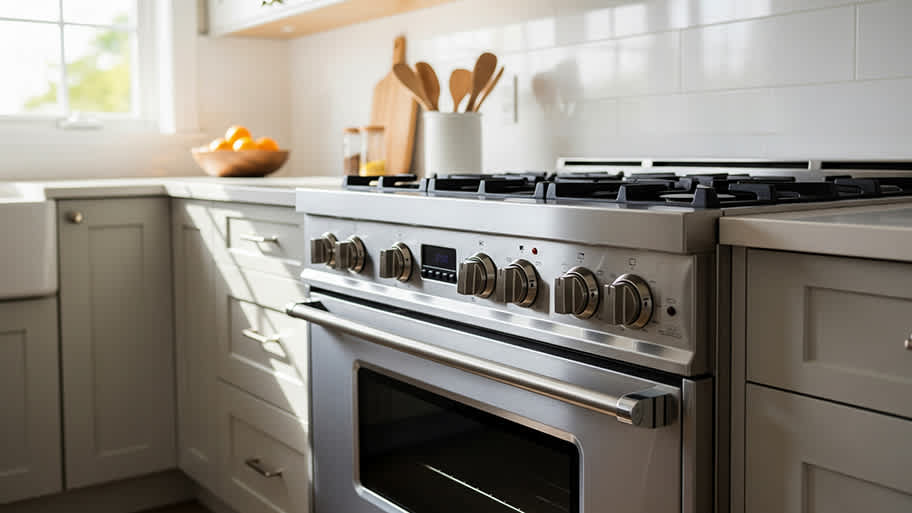
Understand the top reasons why your oven smells like gas, the severity of the issue, and how to address the causes before calling a pro.

Need to purchase a new gas furnace but aren’t sure which type is right for your home and needs? Taking a little bit of time to research furnaces to see which option is right for you can save you money over time. Here’s a look at five furnace types.