
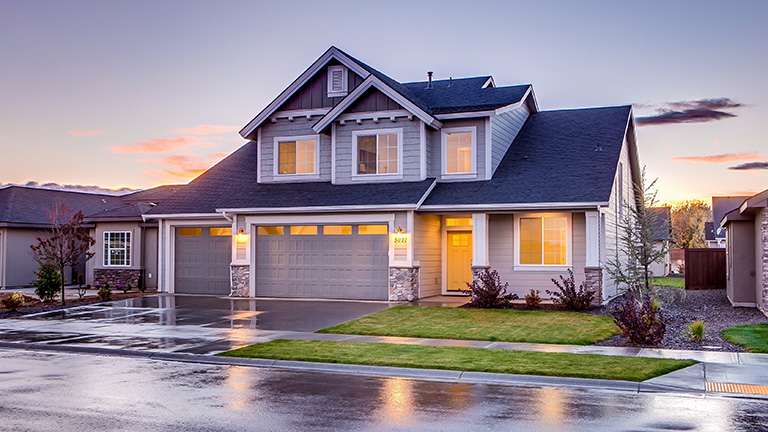
Learn how to identify a horizontal foundation crack, what to do about them, and who to call for help if you find one in your home's basement or crawlspace.
Take a crack at finding the cause of your foundation damage

Uneven settling creates foundation cracks when your house settles unevenly into the soil, causing pressure differences that lead to wide or deep cracks.
Soil erosion around your foundation shifts the structure and causes cracks, often from poor compaction, extreme weather, or lack of proper vegetation and grading.
Water damage from flooding or poor drainage exerts pressure against your foundation, creating cracks that compromise structural integrity and allow moisture inside your home.
Hiring a local structural engineering professional provides expert assessment of your foundation cracks and helps you determine the right repair approach for your home.
Finding a crack in your home’s foundation can be a homeowner’s worst nightmare. Foundation cracks can have a number of different causes, and knowing why your foundation is cracked can help you determine the best way to fix the existing cracks and prevent new ones.
Use this guide to learn eight common causes of foundation cracks and what to do if you discover a crack in your foundation.
Once built, houses will settle into the soil due to the weight of the house and minor shifts in the ground underneath. This process usually happens evenly across the foundation, but in some cases, a house will settle unevenly. When one part of the house settles more than another, it can cause cracks in the foundation due to the difference in pressure.
All houses are expected to settle, and hairline cracks in the concrete are common and often not cause for concern. Wide or deep cracks—as well as other signs of uneven settling like cracks in the drywall, gaps between walls and the ceiling, and misaligned doors and windows—indicate a more serious problem you need to address.

Soil erosion under or around a foundation can cause the foundation to shift, creating cracks. Soil erosion can happen for various reasons, including poor soil compaction, extreme weather, and poor water absorption due to a lack of vegetation or topsoil.
Prevent soil erosion by keeping the ground around your foundation properly graded, following best practices for landscaping around the foundation, and installing retaining walls where necessary.
Hairline cracks under 1/18 inches are normal, but if you spot larger or deeper cracks, call a pro immediately. Cracks exceeding 1/4 inches are a sign of more serious structural damage and should be handled by a foundation pro.

Water is a foundation’s worst enemy. Flooding can exert pressure from the water and soil against the foundation, creating cracks that then allow even more water to enter the foundation and further compromise its structural integrity. Flooding can also wash away the soil underneath the foundation, causing it to shift and crack.
After flooding, you may find water seeping through your basement floor or in your crawl space. It’s important to get rid of moisture in your basement or crawl space and around your foundation to prevent structural damage and mold growth.
Too much water can cause foundation cracks, but so can too little water. Extreme heat and extended dry conditions can dry out the soil under and around the foundation, causing it to compact and creating space for the foundation to sink into.
Extreme heat can also affect the concrete itself, causing it to expand during hot days and contract on cool nights. The swelling and shrinking compromises and cracks the concrete.

Inadequate drainage can cause many of the same problems as sudden flooding, only slower. If your gutter system, foundation grading, and other types of foundation drainage aren’t working properly, moisture will pool around your foundation, exerting pressure and potentially penetrating the concrete. This can lead to cracks in your basement floor or walls as well as foundation cracks.
Some foundation cracks aren’t due to environmental factors or foundation age but are instead caused by poor foundation construction. Some construction issues that can lead to cracks include:
Inadequate soil preparation and compaction
Lack of soil testing
Improperly mixed concrete
Uneven footings or slabs
Poor quality materials
Trees are great for providing shade, adding privacy, and contributing to the beauty of your landscape, but they can also cause serious foundation problems. Tree roots will grow in search of moisture, which can be found under and around your foundation. If tree roots remove moisture from the soil around your foundation, the soil will shift and compact, causing the foundation to move and crack.
Foundation damage from tree roots doesn’t just stop at soil compaction. Roots growing adjacent to the foundation can exert pressure on the concrete, cracking it. Once the foundation is cracked, the roots can grow into the cracks, further splitting the concrete.
Colder areas are prone to frost heaves when the ground freezes, which can crack your home’s foundation. Frost heaves occur when the ground freezes and expands. This expansion pushes against part of your foundation, creating cracks.
The freeze/thaw cycle can also contribute to foundation cracks. Concrete contains pockets of air from the mixing process, which can expand in freezing temperatures and contract during a thaw, which exerts pressure on the concrete from the inside out. Water can also freeze and thaw against the concrete’s surface, causing cracking or chipping.
If you discover cracks in your foundation, act quickly and call a structural engineer or foundation contractor near you to assess the problem. Some cracks aren’t cause for concern, but it’s best to get a professional’s opinion so you can make any necessary repairs and address the underlying cause before the cracks get worse.
Positive experience. As previously stated, the replacement/repair could not be completed (no fault of the plumbing tech) b/c misinformation was rec?d by property management maintenance. Thanks to the plumbing tech for your efforts. Appreciate you!
 The Waterworks
Carpet repair done well. Scheduling was easy. Showed up on time.
 BR Flooring Installation
I would recommend this company to anyone! He showed up on time, was friendly, completed a very difficult repair on our dryer vent cover, was responsive, and pricing was extremely fair and competitive. I would have him back to do any of our repairs or cleanings without hesitation!
 U.S.A. Dryer Vent, LLC
Everything from initial contact to completion was absolutely top notch. We contacted the business during off hours to leave a message, and the owner still reached out to feel out the issue within minutes. We were scheduled and repaired within 48 hours. I cannot say enough about the...
 Supreme brick & chimney
Ace Fireplace Services came to the rescue for my chimney repair. They were quick to pinpoint the issue and worked their magic to fix it. My chimney is now in excellent shape, and I'm a satisfied customer.
 Ace Fireplace Services
On Sunday 2/26 I requested quotes via Angi from 4 refrigerator repair businesses. Northwest Appliance responded to me Monday morning (2/27) and my refrigerator was repaired by noon the same day. Great communication, they did everything they said they would. The technician had the parts on...
Great experience all together. Dog friendly, courteous, great results and honest with recommendations. Will certainly be using Cardinal in the future for any carpet repairs
 Cardinal Carpet Care & Repair
Description says they handle window repair including rotten hardwood - they called me back right away but didnâ t leave a voicemail. I followed up 3 days later and they said they donâ t do that kind of work.
 Window-Gurus
Chaz, the owner, was very responsive and he communicated with us throughout the entire process. The overall cost was in the middle compared to the three estimates we received. The installation crew was very professional. Chaz was considerate enough to send a crew back to our home to repair...
 Unique Hardwood Floor LLC
Great guys. Spend a lot of time repairing and prepping our walls before doing the new paint. Home looks great now.
From average costs to expert advice, get all the answers you need to get your job done.
Learn how to identify a horizontal foundation crack, what to do about them, and who to call for help if you find one in your home's basement or crawlspace.
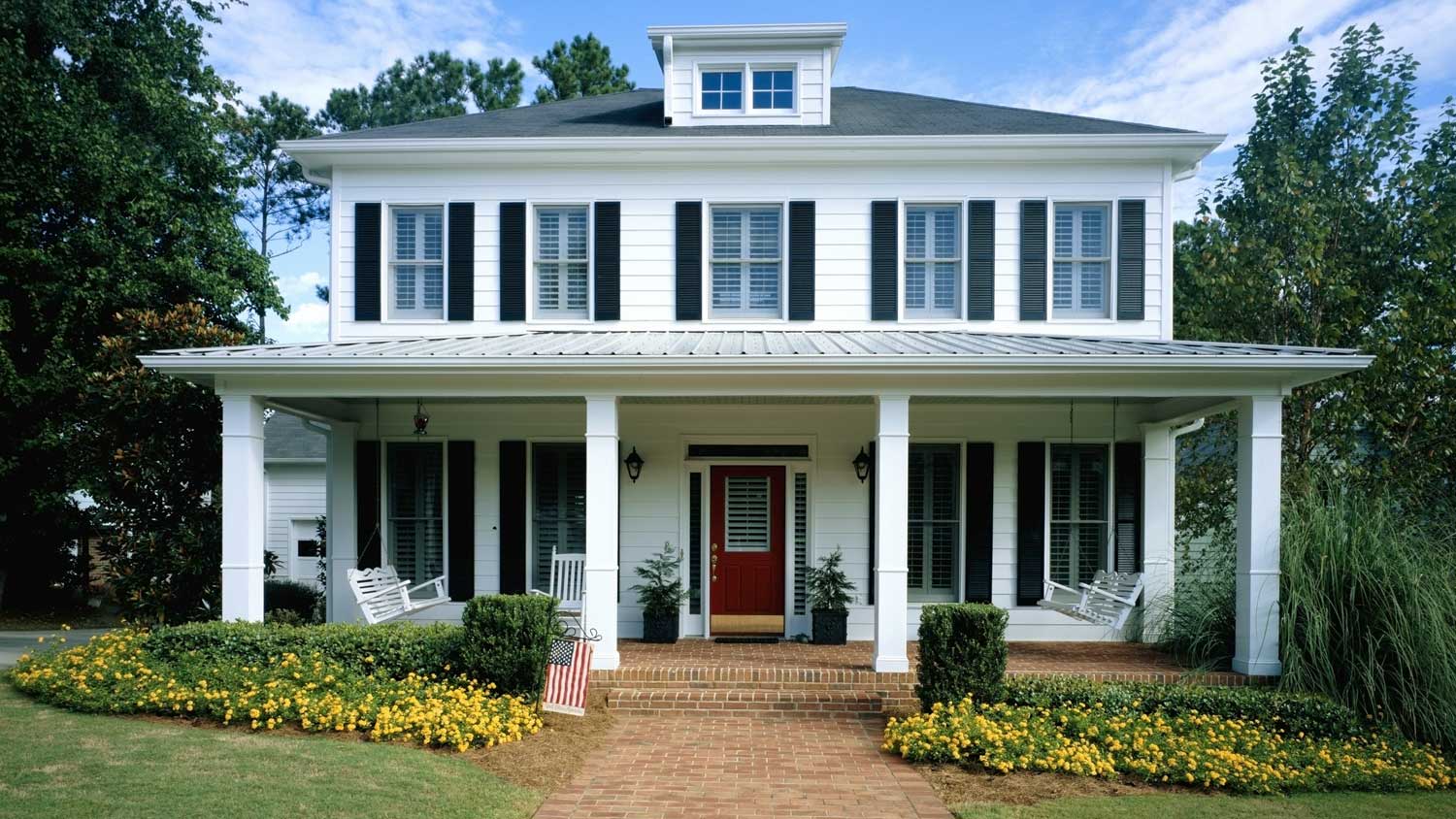
All foundations crack, but not all cracks indicate structural issues. Learn about when to worry about foundation cracks and call in a professional.
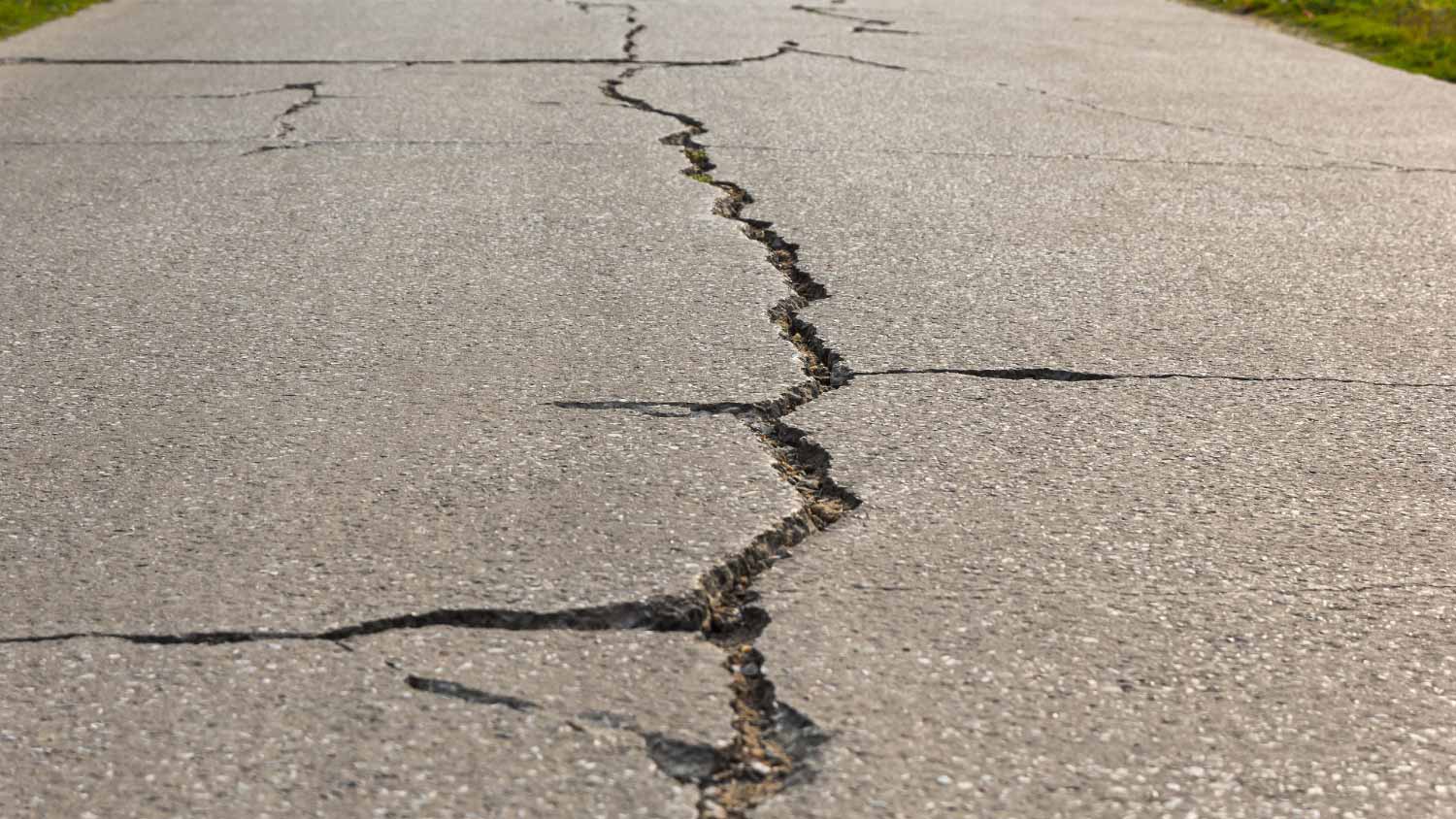
A crack in your driveway seems minor, but it can bust the door open on serious problems. Find out what’s causing your driveway to crack and how you can fix it.
All foundations settle, but some can develop related structural issues. Use this guide to identify foundation settlement and determine when to take action.
Cracks in your foundation are a nuance. If you’re ready to see them go, use a foundation repair kit for the job. Learn more about this DIY solution in this guide.

Wondering what causes drywall to crack? Here are nine common reasons for drywall cracks and how to diagnose the problem and fix ugly drywall cracking.