

•
Discover how much concrete footing costs to plan your project. Learn about average prices, cost factors, and ways to save when installing concrete footings.
A foundation supports a structure, while a footing usually supports the foundation

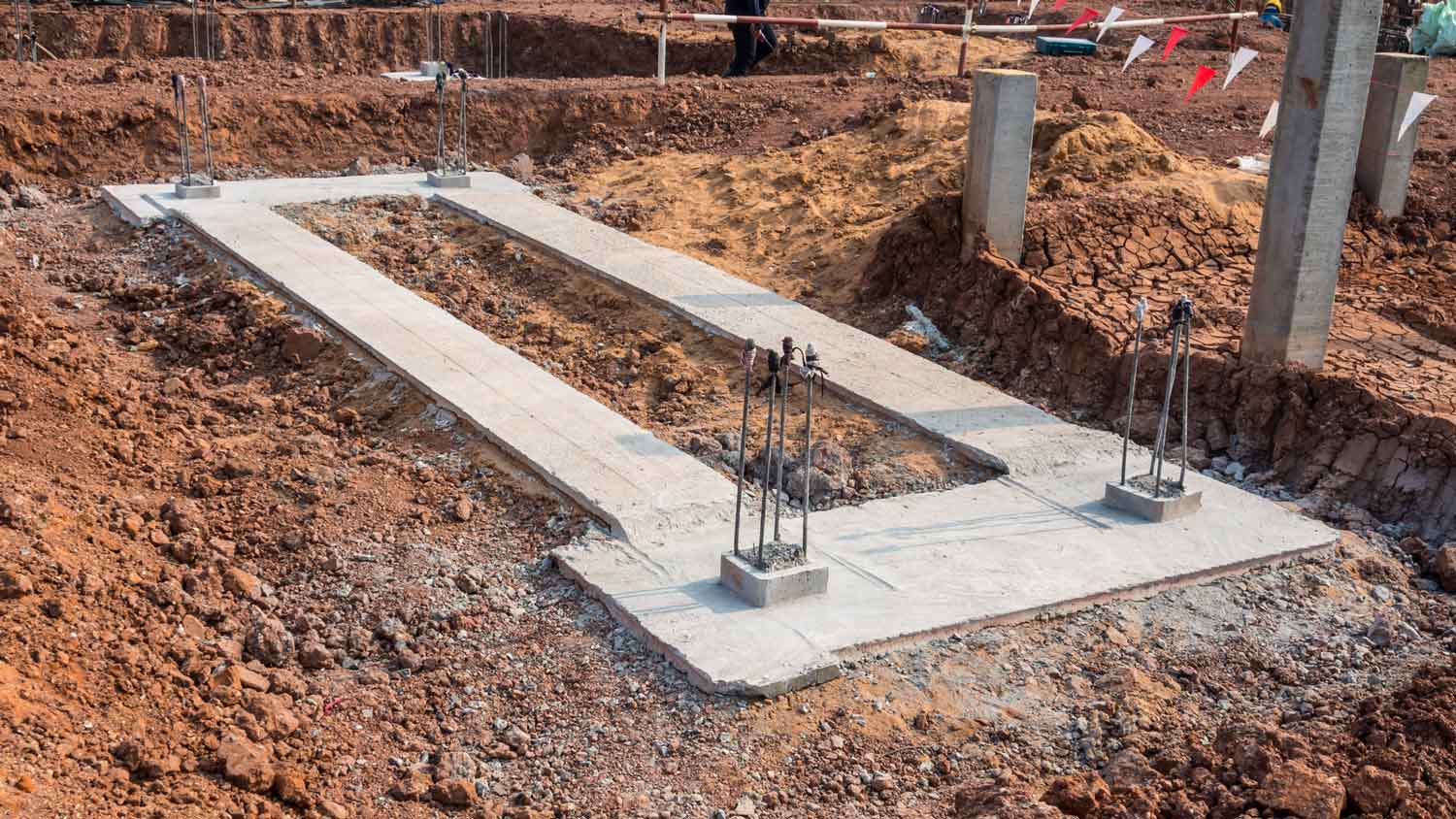
A footing foundation supports your home by distributing the structure's weight deep into stable soil below the visible foundation layer.
Footings reach several feet underground and prevent foundation movement caused by freezing temperatures, soil expansion, and moisture changes around your property.
Your foundation choice depends on structure size and soil conditions, with footings supporting most homes and smaller structures like sheds or decks.
Hiring a local foundation professional provides expert guidance on footing depth, frost line requirements, and proper installation for your home's support system.
When it comes to home construction, many homeowners don’t know the difference between footings versus foundations, in part because these parts of the home often aren’t visible. Understanding the difference can help you anticipate and determine foundation issues that might pop up in your home and better understand how your home gets support from underneath. In this guide, we’ll explain what footings and foundations are and how to tell the difference between the two.
Here are the outlet types you find in most U.S. homes:
15-amp, 120-volt (2-prong and 3-prong): The standard household outlet for lamps, TVs, and chargers.
20-amp, 125-volt: A higher-power outlet for kitchens, laundry rooms, and workshops.
240-volt (20-amp to 50-amp): A large-appliance outlet for dryers, ranges, and EV chargers.
GFCI: A shock-protection outlet for kitchens, baths, and other wet areas.
AFCI: A fire-protection outlet for bedrooms and living spaces.
Tamper-resistant: A child-safe outlet with internal shutters, now standard in new homes.
Weather-resistant: A corrosion-resistant outlet built for outdoor use.
Convenience types: Switched, combination, USB, smart, and rotating outlets.

The footing is what actually sits in the ground, while the foundation is the structure that comes in contact with the house and transfers the weight to the earth. One way to visualize it with a chair would be to consider the legs of the chair as the footing and the seat as the foundation.
More technically, a foundation is a large structure under a home that provides even and level support for the house above, which is either in contact directly with the soil or sits on footings. A footing is a relatively small piece of concrete that’s set deep into the ground to distribute the load from the foundation to stable soil. Footings can serve as a small type of foundation on their own but are more often part of a larger foundation.
Foundations and footings are usually both concrete. The term “foundation” often includes the footings that support it from underneath. Construction teams and homeowners also use footings on their own to support smaller structures, like sheds, pergolas, arbors, and fence posts.
| Type of Difference | Footings | Foundations |
|---|---|---|
| Definition | All footings are foundations | Some foundations are footings |
| Application | Can support foundations or small structures | Support large and small structures, often with the help of footings |
| Material | Concrete | Concrete |
| Relation to Soil Movement | Typically less prone to soil movement | Can be more prone to soil movement |

You can tell the difference between footings and foundations based on a few different key points. Keep reading to learn more so you can distinguish between the two.
Footings are usually not visible since they reach several feet into the ground and often sit below your home’s foundation. Any concrete you see below most homes is a part of the foundation. The exception to this would be concrete piers in a pier and beam foundation, as those pieces of concrete are technically footings that are a part of the foundation system.
Some footings that aren’t a part of your home’s foundation might be visible, like those below deck posts, sheds, or fence posts.
Visible footings that serve as standalone foundations for small structures—like shed footings, deck footings, patio footings, or pergola footings—are usually less than a foot in diameter. Footings that support home foundations are usually much larger, but most are fully underground and aren’t visible. The exception would be the visible concrete supports under a pier and beam foundation.
Foundations are large structures made out of concrete that usually span the entire footprint of your home. Concrete slab foundations, crawl space foundations, and basement foundations all have slabs that make up the base of the foundation, and crawl spaces and basements also have concrete foundation walls around the perimeter.
There are four different kinds of footings that builders use in home construction:
Individual footings: These are the most common, and they’re also the type that appears under smaller structures, like decks and pergola posts. They consist of a single concrete pier set into the earth.
Combined footings: These are two individual footings placed adjacent to one another under particularly heavy pieces of a structure.
Raft footings: These are large slabs that sit directly on top of the soil and support the entire structure above without other footings underneath. This is what you’d see in a floating slab foundation, one of the most common shed foundation types.
Strip footings: These are like underground walls that provide continuous and even support for a wall above the ground.
There are four main types of foundations, many of which can include footings below for support:
Slab foundation: Slabs can either sit directly on the soil or on shallow or deep footings. There is no underhome area, and the structure sits directly on top of the concrete slab.
Crawl space foundation: This consists of a concrete slab, usually around 4 feet underground, and concrete block walls around the perimeter. It often includes footings below for support.
Basement foundation: A basement is similar to a crawl space but sits much deeper in the earth, often on footings. The inside of a basement is usually 7 to 10 feet in height, with concrete block walls or poured concrete walls around the perimeter.
Pier and beam foundation: It consists of concrete piers (footings) set into the earth and wooden beams that rest on them and support the structure above.

In addition to the differences in appearance, you can often use the application in which the concrete appears to tell if it’s a footing or a foundation.
Since home construction involves a large, heavy structure, there’s usually a foundation system that involves footings. You typically won’t see a home sitting solely on footings, except in the case of a pier and beam foundation, in which the footings serve as the foundation, or with a floating slab foundation, which is uncommon in residential construction.
Smaller outbuildings, like sheds and detached garages, are much lighter than homes and can sometimes include footings without a complete foundation system.
You might see footings as a standalone foundation for sheds, but floating slab foundations are more popular options for larger sheds and detached garages. Floating slabs are considered footings because they deliver the load of the structure to the soil, but they’re also considered foundations since they provide even and level support to the structure above.
Finally, you’ll almost always see footings and not complete foundation systems for things like pergolas, arbors, and fence posts. These lightweight structures typically use individual footings that distribute the load deep enough so that soil expansion from freezing and moisture from runoff isn’t a major concern.
No matter the application, a foundation company near you can help you decide which foundation type is best for you and will suit the climate and weather conditions in your area.
Positive experience. As previously stated, the replacement/repair could not be completed (no fault of the plumbing tech) b/c misinformation was rec?d by property management maintenance. Thanks to the plumbing tech for your efforts. Appreciate you!
 The Waterworks
Carpet repair done well. Scheduling was easy. Showed up on time.
 BR Flooring Installation
I would recommend this company to anyone! He showed up on time, was friendly, completed a very difficult repair on our dryer vent cover, was responsive, and pricing was extremely fair and competitive. I would have him back to do any of our repairs or cleanings without hesitation!
 U.S.A. Dryer Vent, LLC
Everything from initial contact to completion was absolutely top notch. We contacted the business during off hours to leave a message, and the owner still reached out to feel out the issue within minutes. We were scheduled and repaired within 48 hours. I cannot say enough about the...
 Supreme brick & chimney
Ace Fireplace Services came to the rescue for my chimney repair. They were quick to pinpoint the issue and worked their magic to fix it. My chimney is now in excellent shape, and I'm a satisfied customer.
 Ace Fireplace Services
On Sunday 2/26 I requested quotes via Angi from 4 refrigerator repair businesses. Northwest Appliance responded to me Monday morning (2/27) and my refrigerator was repaired by noon the same day. Great communication, they did everything they said they would. The technician had the parts on...
Great experience all together. Dog friendly, courteous, great results and honest with recommendations. Will certainly be using Cardinal in the future for any carpet repairs
 Cardinal Carpet Care & Repair
Description says they handle window repair including rotten hardwood - they called me back right away but didnâ t leave a voicemail. I followed up 3 days later and they said they donâ t do that kind of work.
 Window-Gurus
Chaz, the owner, was very responsive and he communicated with us throughout the entire process. The overall cost was in the middle compared to the three estimates we received. The installation crew was very professional. Chaz was considerate enough to send a crew back to our home to repair...
 Unique Hardwood Floor LLC
Great guys. Spend a lot of time repairing and prepping our walls before doing the new paint. Home looks great now.
From average costs to expert advice, get all the answers you need to get your job done.
Discover how much concrete footing costs to plan your project. Learn about average prices, cost factors, and ways to save when installing concrete footings.
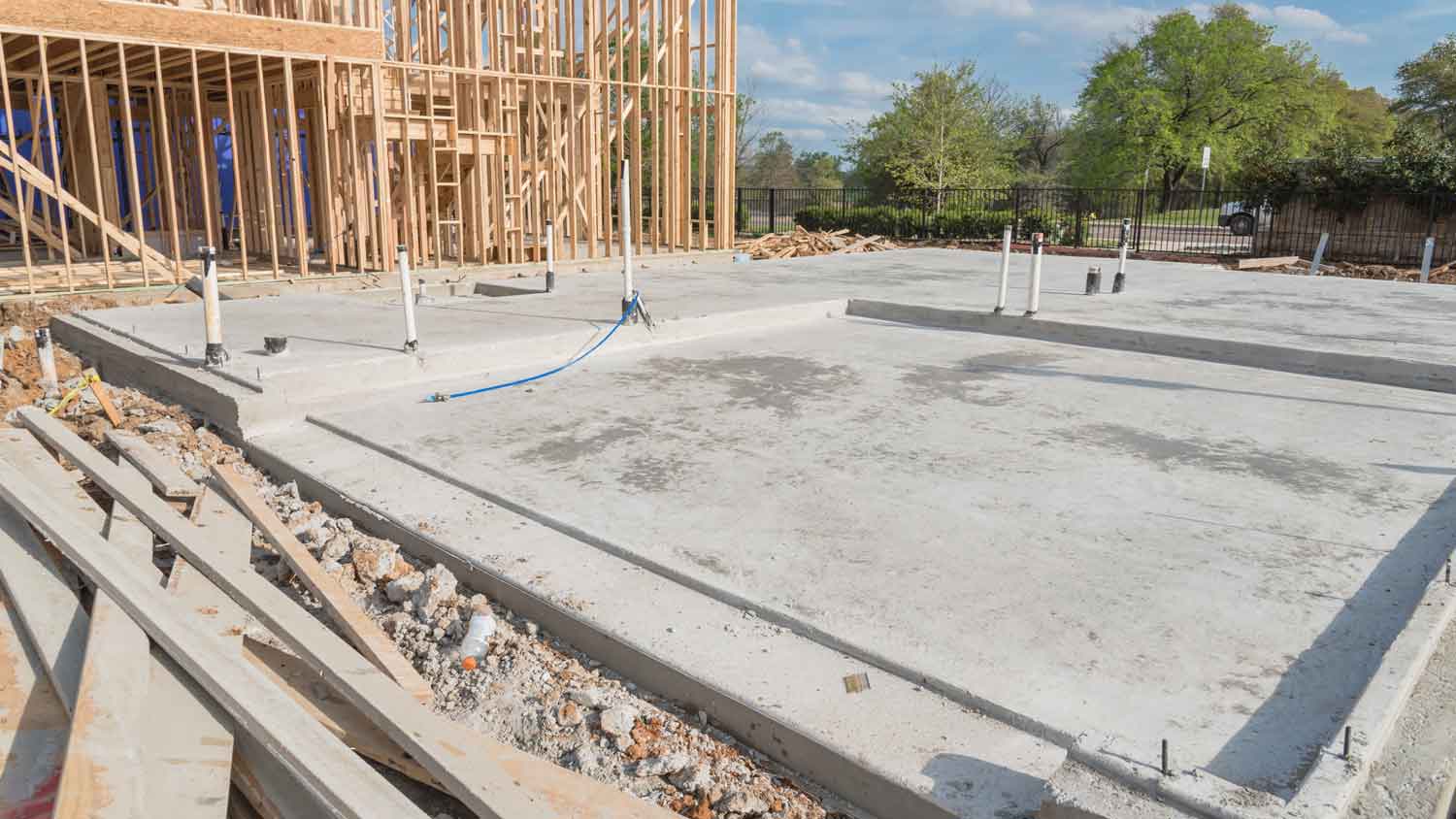
Unsure of what the different foundation types are? This guide explains what a slab-on-grade foundation is, when it’s appropriate, and some pros and cons.
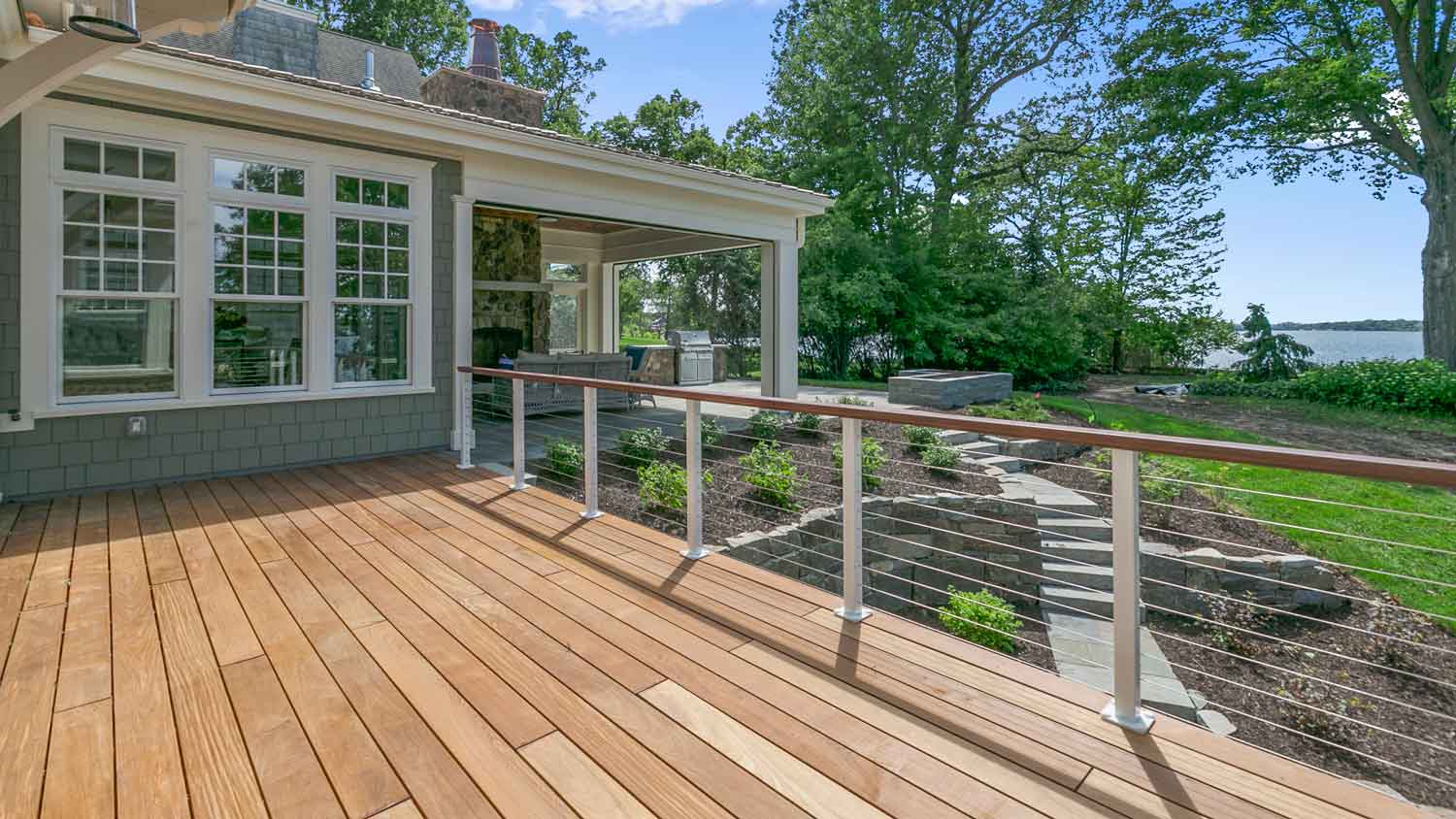
Footings act as your deck’s base, making sure it’s safe and sturdy. However, not all footings are the same. Here’s how five types of deck footings compare.
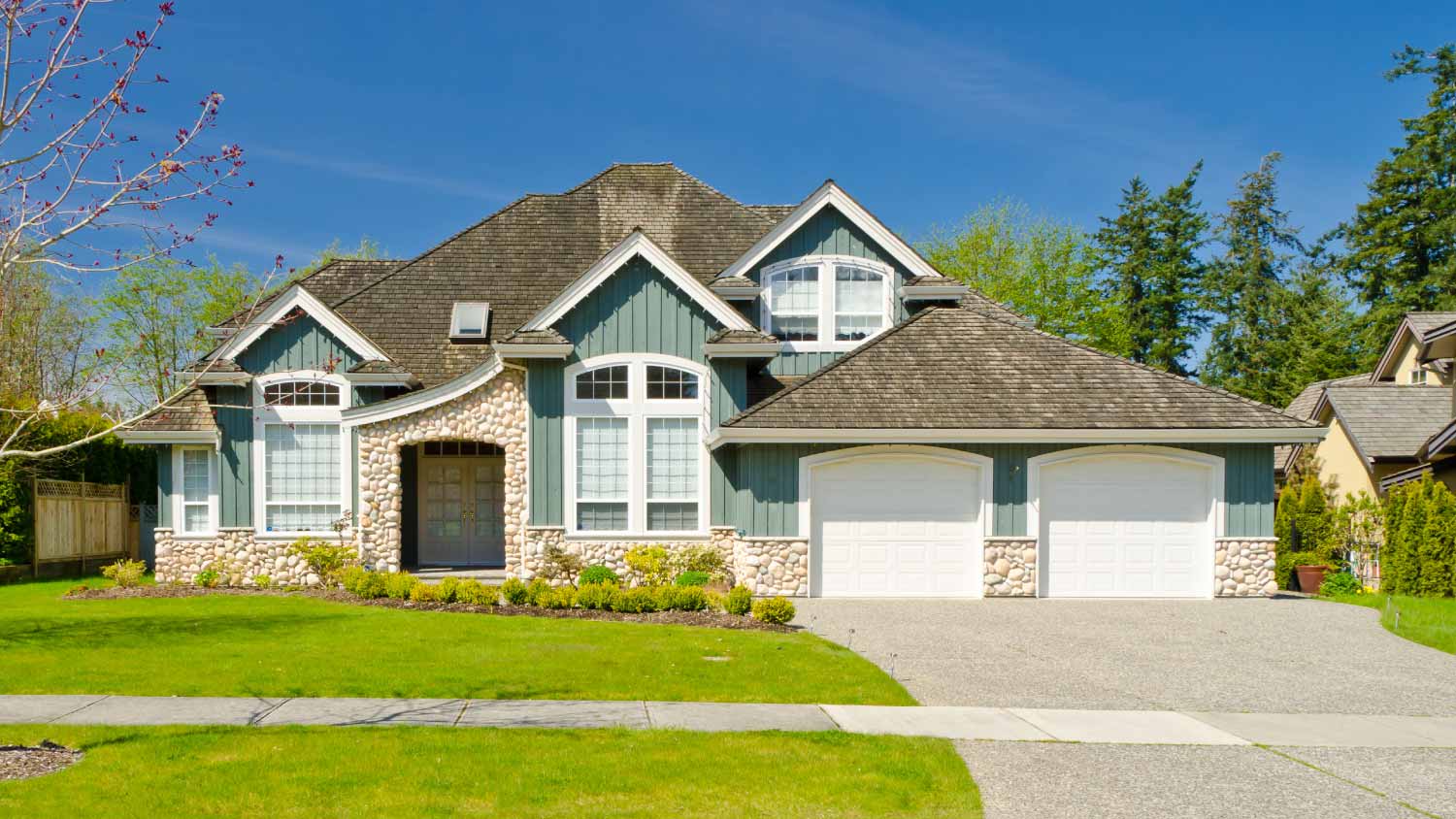
Not sure if a pier and beam or slab foundation is better for you? Learn about the pros and cons of each, get cost and value information, and more.
Building code foundation requirements are crucial to build safe structures. Read on to learn how adherence to guidelines ensures stability and resilience.
When it comes to comparing a slab vs. crawl space foundation, each has its pros and cons. Read on for a breakdown of these two foundation options.