

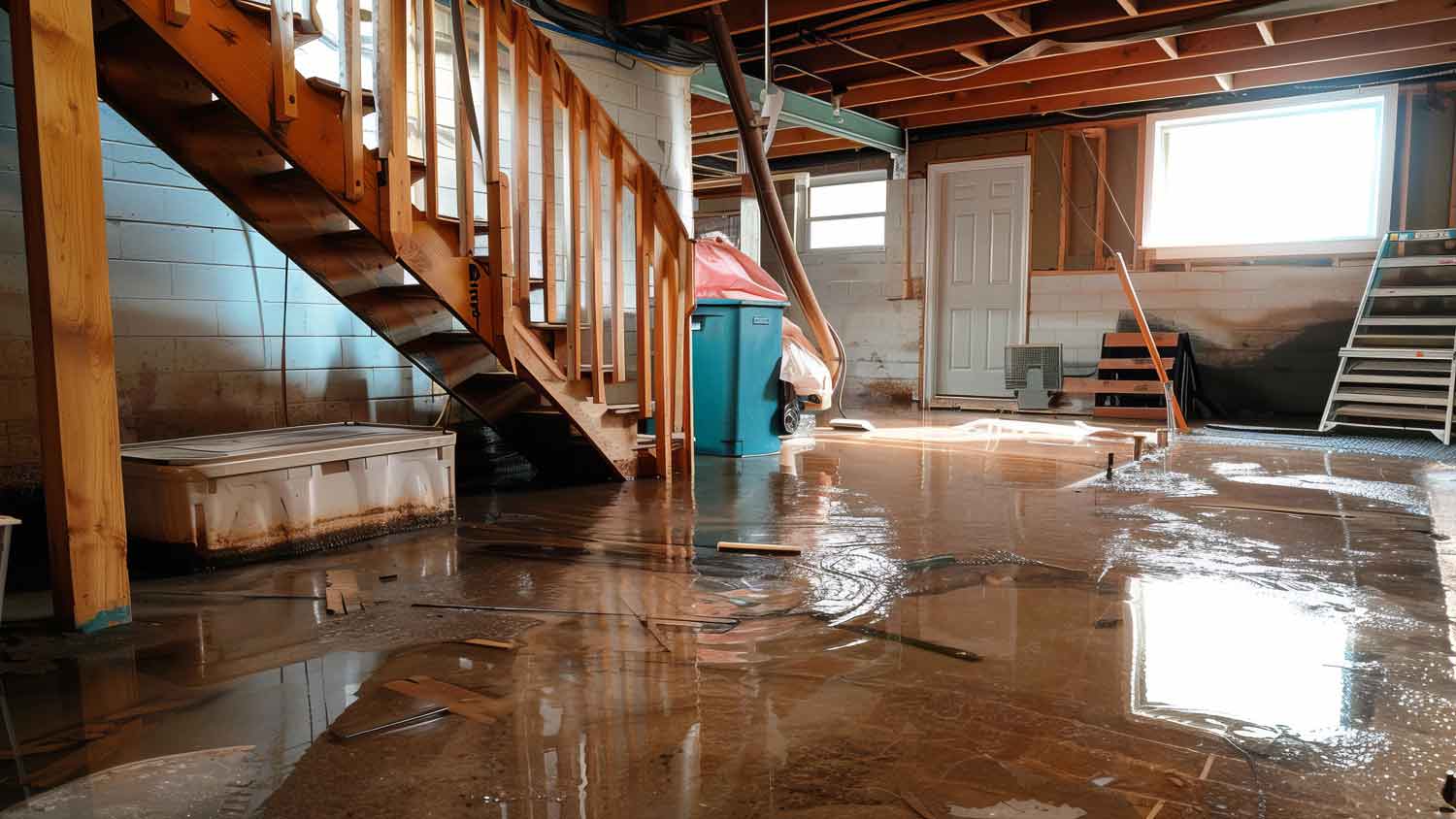
Standing water can damage your foundation in numerous ways. Learn about the causes, risks, and solutions for foundation damage from standing water.
Find water and moisture problems quickly to minimize the damage and repair costs

Visible water or moisture under your home signals foundation water damage and needs immediate attention to prevent structural issues and mold growth.
Expect to pay $200 to $1,000 for simple foundation repairs like soil grading and crack sealing, or $6,000 to $20,000 for comprehensive waterproofing.
Foundation cracks paired with damp concrete after heavy rain confirm you have a developing moisture problem that can worsen without prompt action.
Hiring a local foundation drain installation professional provides reliable help diagnosing drainage issues and preventing water from reaching your foundation in the first place.
Your home foundation is constantly exposed to the elements and serves as the first line of defense to keep moisture in the soil from entering your home and causing damage. Unfortunately, this leaves it prone to water and moisture intrusion, which can wreak havoc on the building materials under your home and in your living space.
In this guide, we’ll explain the signs of water damage to your foundation so that you can keep an eye out for issues and address them before they become severe.
Recognizing early warning signs is important, but figuring out the right fix isn't always simple. Delaying professional help or attempting complex DIY repairs can lead to further damage and increased costs. With our network of local pros, you can hire a skilled professional to assess the issue and recommend the best solution.
Foundations are under immense stress from the weight of your home, the pressure of soil movement, and the elements, so even relatively minor problems can quickly worsen and leave you with major property damage. Foundation issues also threaten the structural integrity of your home and can lead to irreparable damage if left unresolved. You should take foundation problems very seriously and have a professional address or fix them immediately, even if they seem minor.
Address water damage as soon as it happens to prevent structural issues and mold growth. Hiring a pro for large leaks can save on more expensive repairs caused by prolonged water exposure.


There are 12 things you should look out for in and around your home that can indicate water damage to your foundation. Keep in mind that some of these may only apply to certain types of foundations, so the foundation inspection checklist below might differ slightly for your property.
Water in your crawl space or basement
Humid air when you enter your crawl space or basement
White, powdery stains on the foundation walls
Ongoing issues with pests under your home
Cracks in your foundation
Puddles on the soil around your foundation
Visible mold or musty smells in your home
Unexplainable bumps in utility bills
Less comfortable air temperature inside
Foundation walls that bulge inward
Wood rot in your under-home area
Crumbling foundation walls or floors
The most obvious sign of water damage to your foundation is visible water in your crawl space or basement. You might see water trickling in through cracks in the concrete, which often indicates a drainage issue outside, or standing or pooling water on the basement floor, which suggests a problem with flooding, either from excess runoff or a broken water pipe.
If you enter your crawl space or basement and feel heavy or damp air, that’s a likely sign that you’re dealing with a basement moisture issue. While this might not be as severe as standing water, it can lead to mold growth, damage to insulation and other building materials, and decreased indoor air quality in your living space, so it’s still a serious problem.
Efflorescence is a powdery, white substance on the interior of your foundation walls. It’s made from minerals that get left behind after runoff wicks through the pores in your concrete wall and evaporates into your under-home area. You’re very likely to notice efflorescence alongside damp air in your crawl space or basement since the intruding water that leaves the minerals behind will end up evaporating into the air and increasing the humidity.
Insects and rodents are attracted to moisture, so problems with liquid water or water vapor under your home can often result in ongoing problems with pest infestation. You might notice insects like carpenter ants or termites in your home, or raccoons, mice, rats, and other animals living in your crawl space or basement as a result of increased moisture.
All foundations crack from settling, so cracks aren’t always indicative of water damage to your foundation. However, cracks in the concrete can make it easier for water and water vapor to enter your home, so it’s a good idea to seal them to prevent problems. If you notice that the concrete around an existing crack is damp—particularly after heavy rain—you almost certainly have a budding water or moisture problem.
During or after rainfall, be on the lookout for water pooling on top of the soil, specifically right next to your foundation. This can be a sign that you have clayey soil, which can expand against your foundation and increase the risk of water or vapor getting through the concrete and causing issues inside. It can also be a sign that the soil below the surface is fully saturated, which could mean a drainage problem.

When water or humid air sits in the space under your home, it promotes mold growth on the foundation walls and the underside of the flooring above. If you notice musty odors in your crawl space, basement, or living space, or you see visible mold growth under your home, it’s a clear sign that water is coming in and getting trapped.
Moisture problems from foundation water damage can cause increased humidity in your living space, too. Humid air feels colder in the winter and hotter in the summer, which leads homeowners to demand more from their heating and cooling systems. If you notice that your heating and cooling bills are higher than normal without another explanation, moist air in your living space from a foundation leak could be the underlying problem.
For the same reasons, you might notice that your living space is less comfortable, even if you don’t resort to turning up the heat or AC. You might find that the temperature settings that once kept everyone comfortable no longer suffice, which could mean you have increased humidity resulting from a water problem with your foundation.
Soil expands when it gets saturated, especially if you live in an area with clayey soil. If the soil composition or poor drainage leads to soil expansion, it will put added inward pressure—called hydrostatic pressure—on your foundation walls.
With enough pressure, the walls will bow inward. If the inward movement is severe enough, you might even find horizontal cracks in the walls. These problems can both indicate a loss of structural integrity and demand emergency repairs.
Water and water vapor can damage building materials under your home over time, so you might find rotting wooden beams, posts, or floor joists, sagging insulation, or other water-related damages in your crawl space or basement due to water intrusion.
Spalling is when the surface of concrete chips or flakes as a result of ongoing water intrusion or weathering, especially from acidic rainwater. If you find that the walls or top side of your concrete slab are suffering from spalling, you probably have water vapor wicking in through the foundation due to poor drainage outside.

Water damage to a foundation is a serious problem, even if it seems minor, especially because foundation issues worsen over time if you don’t treat the underlying problem. As such, you should always hire a professional at the first sign of a foundation leak or moisture problem.
In addition to a foundation repair contractor, you should address the root of the issue, which usually involves hiring a local foundation drain installation company to prevent the water from contacting your foundation in the first place. Having professionals tackle both the problem and the underlying issue is the best bet you have for avoiding ongoing water and water vapor problems.

In some cases, it’s possible to DIY repairs for minor foundation leaks. For example, suppose you carefully monitor the problem and find a small issue with water vapor under your home. In that case, you can grade the soil away from your foundation outside, install gutters and downspouts to help with drainage, and apply waterproofing paint to the inside of your foundation walls to limit ongoing damages and problems.
However, it’s almost always best to call in a professional foundation repair contractor. Diagnosing foundation water damage can be tricky, and if you don’t properly fix the underlying problem, you’ll likely face additional repair costs and more severe damages in the future.
Foundation leak prevention is the best way to avoid water and moisture problems under your home, and there are a few key things you can do to help keep runoff away from the soil around your foundation:
Install gutters, downspouts, and downspout extenders
Grade soil away from your home at a slope of six to ten vertical inches over the first ten horizontal feet
Avoid planting trees, bushes, and other vegetation within two feet of your foundation
Replace old basement windows and doors that might be letting water in
Seal foundation cracks that are 1/8 inches or less in width, and have a contractor address any larger cracks
Keep drains in basement stairwells and window wells clear
The cost to repair foundation water damage varies widely depending on your underlying issue and the foundation repair methods needed to address them. On average, you can expect to pay around $6,000 for the repair and preventative measures for the future.
Simpler fixes like soil gradation and sealing small foundation cracks could cost between $200 and $1,000, while full-scale basement waterproofing costs around $10,000, on average, and can climb up to $20,000 in severe cases.
Positive experience. As previously stated, the replacement/repair could not be completed (no fault of the plumbing tech) b/c misinformation was rec?d by property management maintenance. Thanks to the plumbing tech for your efforts. Appreciate you!
 The Waterworks
Carpet repair done well. Scheduling was easy. Showed up on time.
 BR Flooring Installation
I would recommend this company to anyone! He showed up on time, was friendly, completed a very difficult repair on our dryer vent cover, was responsive, and pricing was extremely fair and competitive. I would have him back to do any of our repairs or cleanings without hesitation!
 U.S.A. Dryer Vent, LLC
Everything from initial contact to completion was absolutely top notch. We contacted the business during off hours to leave a message, and the owner still reached out to feel out the issue within minutes. We were scheduled and repaired within 48 hours. I cannot say enough about the...
 Supreme brick & chimney
Ace Fireplace Services came to the rescue for my chimney repair. They were quick to pinpoint the issue and worked their magic to fix it. My chimney is now in excellent shape, and I'm a satisfied customer.
 Ace Fireplace Services
On Sunday 2/26 I requested quotes via Angi from 4 refrigerator repair businesses. Northwest Appliance responded to me Monday morning (2/27) and my refrigerator was repaired by noon the same day. Great communication, they did everything they said they would. The technician had the parts on...
Great experience all together. Dog friendly, courteous, great results and honest with recommendations. Will certainly be using Cardinal in the future for any carpet repairs
 Cardinal Carpet Care & Repair
Description says they handle window repair including rotten hardwood - they called me back right away but didnâ t leave a voicemail. I followed up 3 days later and they said they donâ t do that kind of work.
 Window-Gurus
Chaz, the owner, was very responsive and he communicated with us throughout the entire process. The overall cost was in the middle compared to the three estimates we received. The installation crew was very professional. Chaz was considerate enough to send a crew back to our home to repair...
 Unique Hardwood Floor LLC
Great guys. Spend a lot of time repairing and prepping our walls before doing the new paint. Home looks great now.
From average costs to expert advice, get all the answers you need to get your job done.
Standing water can damage your foundation in numerous ways. Learn about the causes, risks, and solutions for foundation damage from standing water.
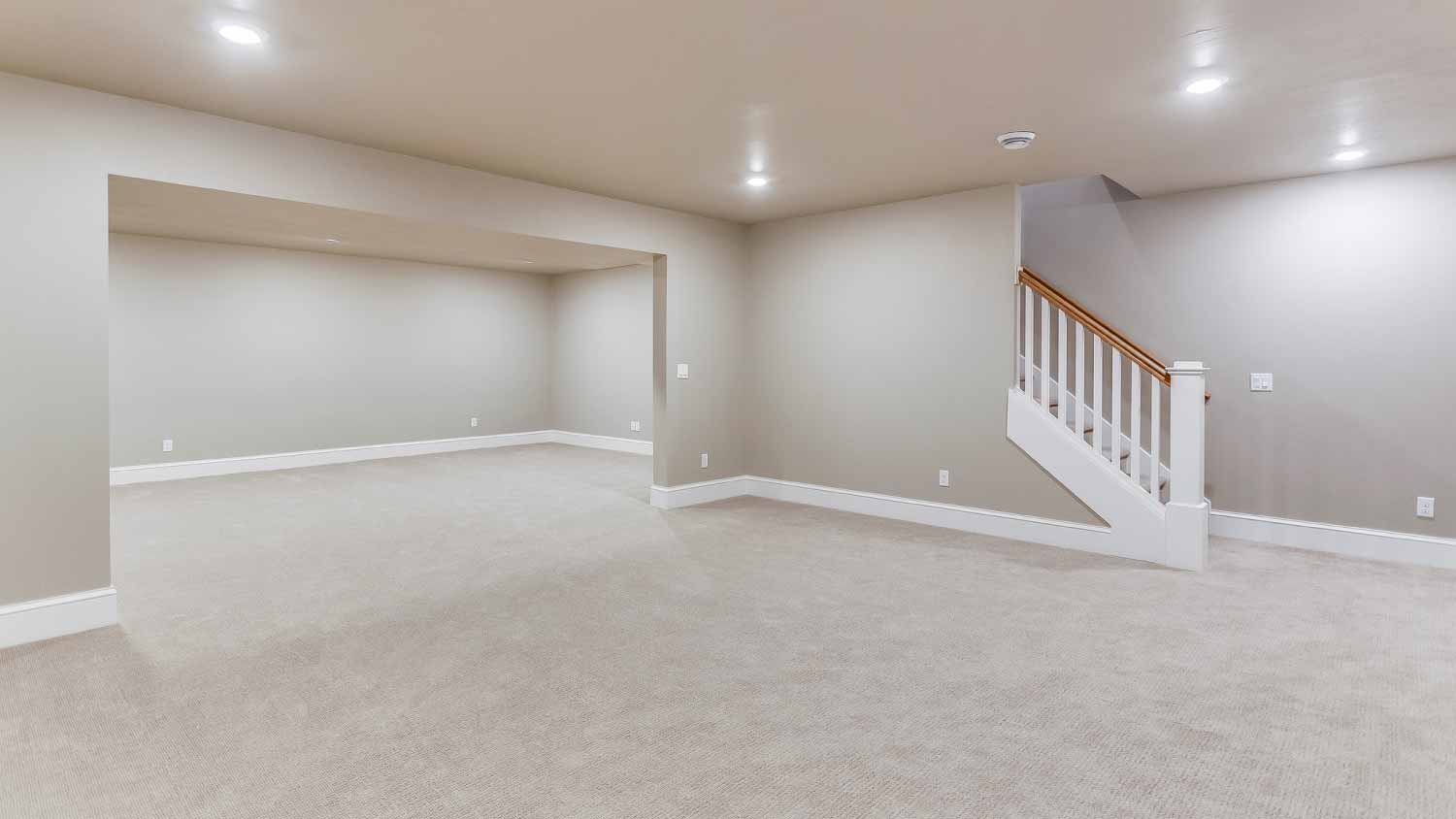
Read about the most common signs of basement water damage, including water stains, mold growth, and foundation cracks, so you can prevent costly repairs.

You may need to water your foundation during dry, hot conditions. Learn more about when and how to water your foundation.
Need help identifying foundation damage? Learn about the signs of foundation issues, the underlying causes, and what to do if you find them in your home.
There are three categories of water damage: clean water, gray water, and black water. Learn their different harm levels and how to restore the damage.
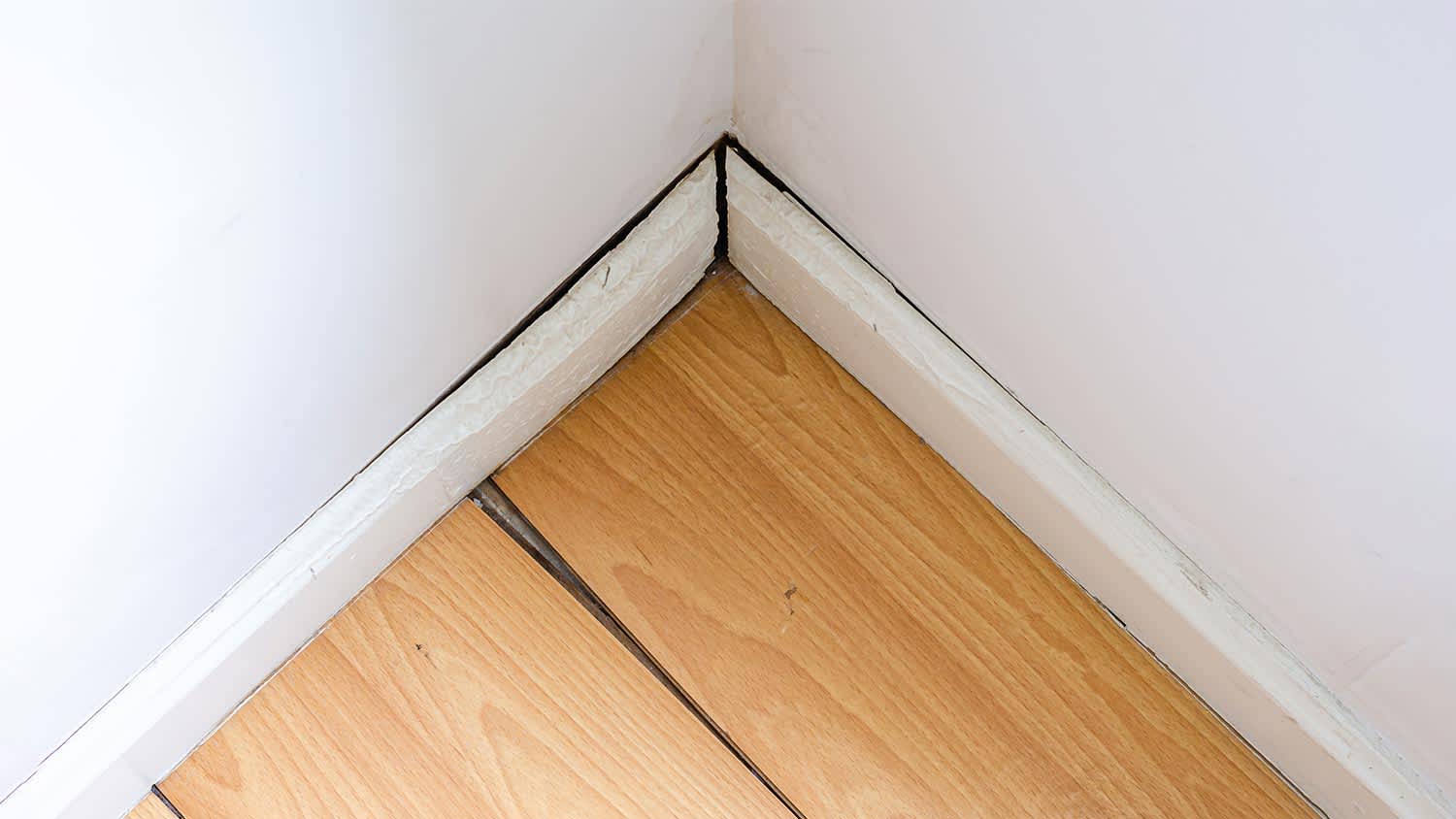
Water-damaged flooring is a headache, but signs of water damage under the floor can spell disaster. Learn how to identify an issue before it gets out of hand.