
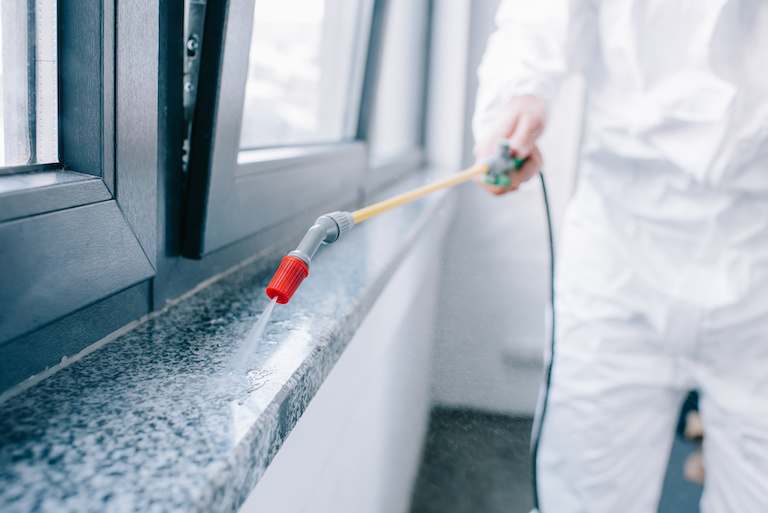
Whether you have bugs, bats, or rodents invading your home, you’ll want to contact an exterminator quickly. Find out how much pest control costs.
Some creatures shouldn’t be invited to the house party

Exclusion in pest control seals your home to prevent pests from entering, making it a chemical-free method to keep rodents and insects out.
Pest inspection costs range from $125 to $450, and early exclusion work helps you avoid larger repair bills from active infestations later.
You should seal cracks with caulk, install mesh over vents, and trim vegetation away from your home to eliminate pest entry points and bridges.
Hiring a local exterminating professional provides thorough inspections and complete sealing work, keeping your home protected from multiple pest types year-round.
Roaches and wasps and mice, oh my. Pest control can be a constant struggle for a homeowner. If you’ve been working to keep critters from taking up residence where they aren’t supposed to, you may be wondering what exclusion in pest control is and if it’s effective. The goal of the exclusion method is to proactively keep pests from getting inside your home in the first place. Learn why you should consider the exclusion method if you want a chemical-free approach to pest management.
Exclusion is often one component of an IPM (integrated pest management) program, and it involves repairing or sealing off any entry points for pests so they cannot get access to your home. The basic idea is very old: Before widespread insecticides and other chemical forms of pest control, people would store food high up on platforms out of reach from small home invaders.
The exclusion process in pest control involves several steps—the key is being thorough and checking all areas of access to your home.
To start, you’ll want to inspect your home for any places where pests could get inside or nest. Walk around your property looking for any holes, vents, or gaps. Common places to look include:
Utility line entry points
Windows
Doors
Chimney area
Garage
A thorough inspection is best performed by a local pest control company, as they will have a better understanding of the types of pests present in your area and how they commonly get inside homes. In addition, they will be able to check and confirm there are not any active infestations. The cost for a pest inspection is between $125 and $450, on average.

Pests are known for their ability to get through very tiny holes and cracks. Cockroaches can flatten their bodies to sneak under small clearings, and mice can get through a hole the size of a dime. Have a local handyperson caulk around any openings that you find—a pest control company, if hired, can do this work as well.
Install copper or metal mesh over drainpipes and vents to deter pests from getting inside. The mesh will allow water or air to flow but will become an obstacle to unwanted visitors such as rats, birds, or bats. Copper is the more expensive material, but it doesn’t stain or rust—a nice bonus.
Trees or other vegetation that touch a building provide “bridges” for pests to get on the roof or other parts of your home. Trim back any plants that come too close to your home to prevent squirrels, birds, rats, and other critters from easily accessing your home.
There are several reasons to consider pest exclusion as a core component of your IPM plan.
Fewer chemicals: You might not want heavy insecticides or rodenticides to be used on your property—maybe you have young kids or pets, or you simply worry about their larger effect on the ecosystem. Either way, implementing exclusion is a chemical-free pest management option.
Proactive: If you are not currently dealing with an infestation, exclusion can help prevent one from happening in the first place.
Targets multiple pests: Sealing your home doesn’t just ensure that mice can’t get in. A proper exclusion plan should exclude all critters, from bats to cockroaches.
Energy-efficient: By sealing cracks and holes, you are boosting your home’s efficiency, which over time could result in lower energy bills.
A reliable team for moves across state. My switch to a new place needed careful lifting through tight hallways. The movers checked the doorway first, then carried heavier pieces with slow, controlled movements. Their patience helped prevent damage, and I?d choose them again.
This company does it right. Firstly, I want to say that Landan was a joy to work with. He was so kind, transparent, and had everything under control. His entire team showed up ready to work and they were all very respectful of the fact that we were in an office space. A little backstory – we...
 Krumlauf Floors
I had FabClean 614 clean my apartment, and she did an outstanding job. She was so professional and efficient. My apartment looks absolutely spotless every surface, every corner, all cleaned to perfection. Definitely highly recommend FabClean 614 if you're looking for top-notch cleaning...
 Fab Clean 614
Raven and crew does absolutely fantastic job. They are very professional if any concerns were to occur with any of her work she always took responsibility and finished out with a great job. I have worked with her business for a year and have always been satisfied. Very trusted business and...
 Creations of Transformation LLC
I would recommend this company to anyone! He showed up on time, was friendly, completed a very difficult repair on our dryer vent cover, was responsive, and pricing was extremely fair and competitive. I would have him back to do any of our repairs or cleanings without hesitation!
 U.S.A. Dryer Vent, LLC
Best cleaning I've had at my property
Ace Fireplace Services' chimney sweep service is truly exceptional. They used advanced technology to ensure a thorough cleaning process, and my chimney has never looked better. I highly recommend their services.
 Ace Fireplace Services
This company went above and beyond with their work, chimney sweeps are usually pretty messy, but the clean up was spot on.!! Josh explained every thing that he was doing, and the things that he was checking to make sure the chimney was safe for me and my family. He was very professional,...
 Supreme brick & chimney
Good workers and they do a good job.
 Mira Construction
Mary Cleaning Service is fantastic! The entire team is professional and pay a great deal of attention to detail. They do such a thorough job of cleaning my house. I would definitely recommend!
From average costs to expert advice, get all the answers you need to get your job done.
Whether you have bugs, bats, or rodents invading your home, you’ll want to contact an exterminator quickly. Find out how much pest control costs.
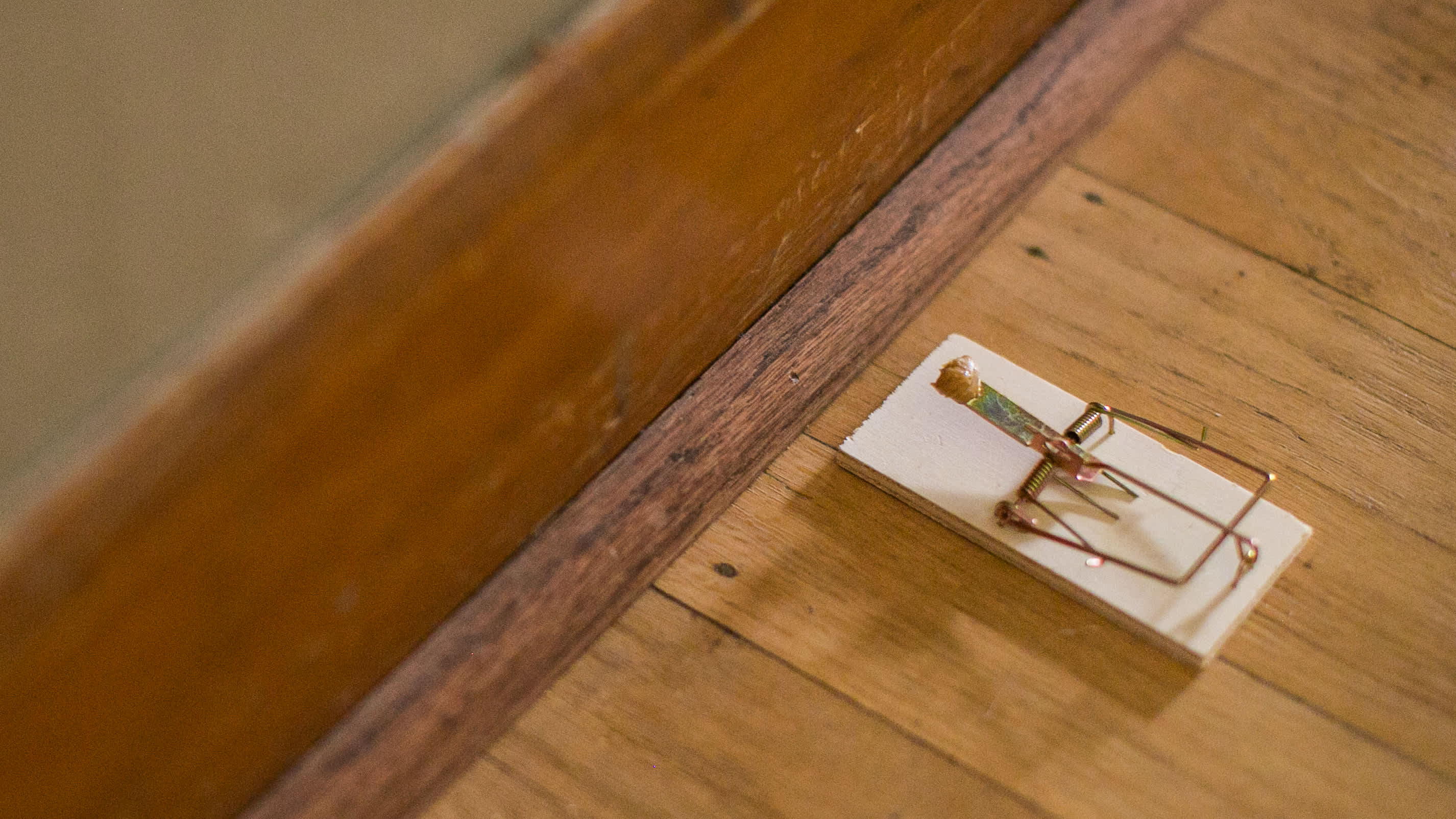
Unsure who to hire for rodent pest control? Get answers and see who to call for rats and mice, what pest control pros do, and how to choose.
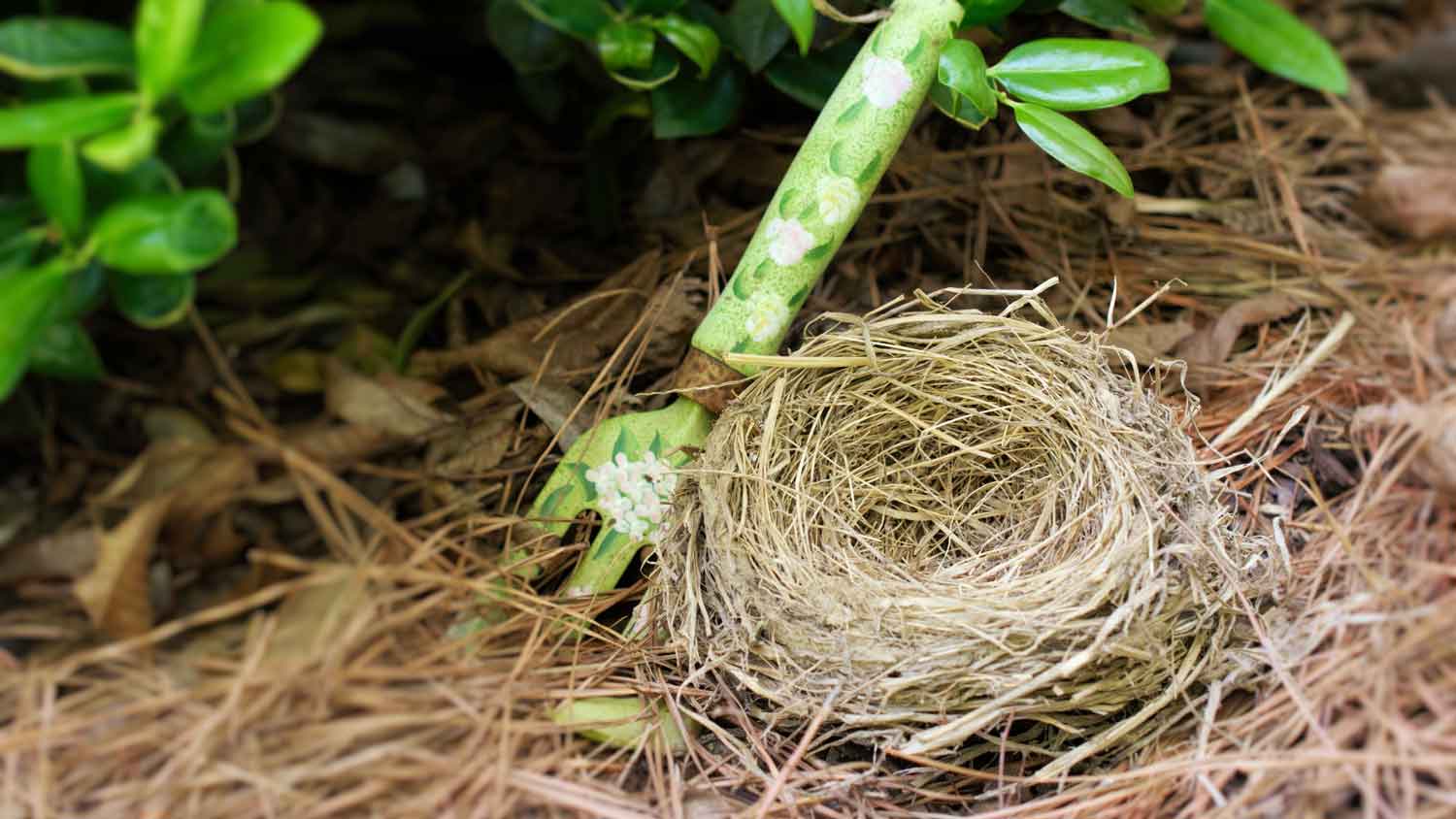
If you’re looking for help with unwanted pests, these are the animal control questions you can expect a pro to ask before wrangling pint-sized pests.
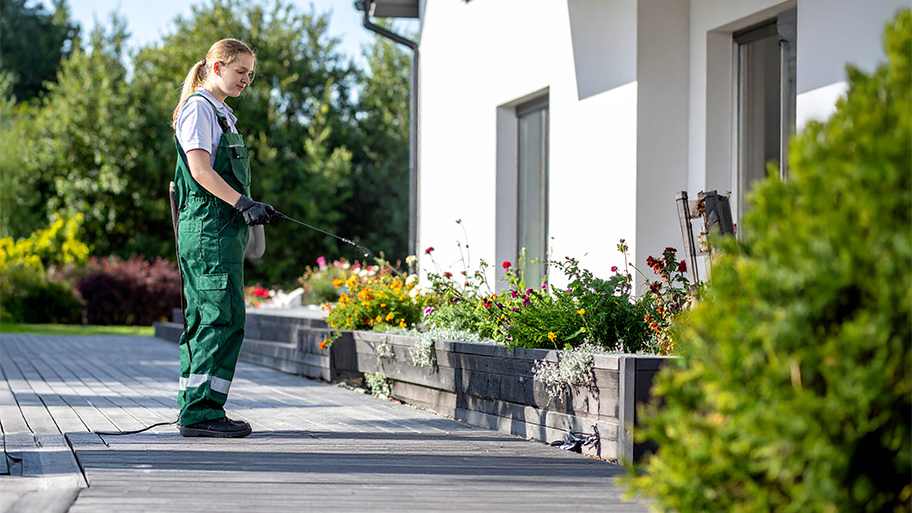
Pest control scams can cost you a lot of money. Get our tips for avoiding these scams and making sure you work with reputable exterminators.
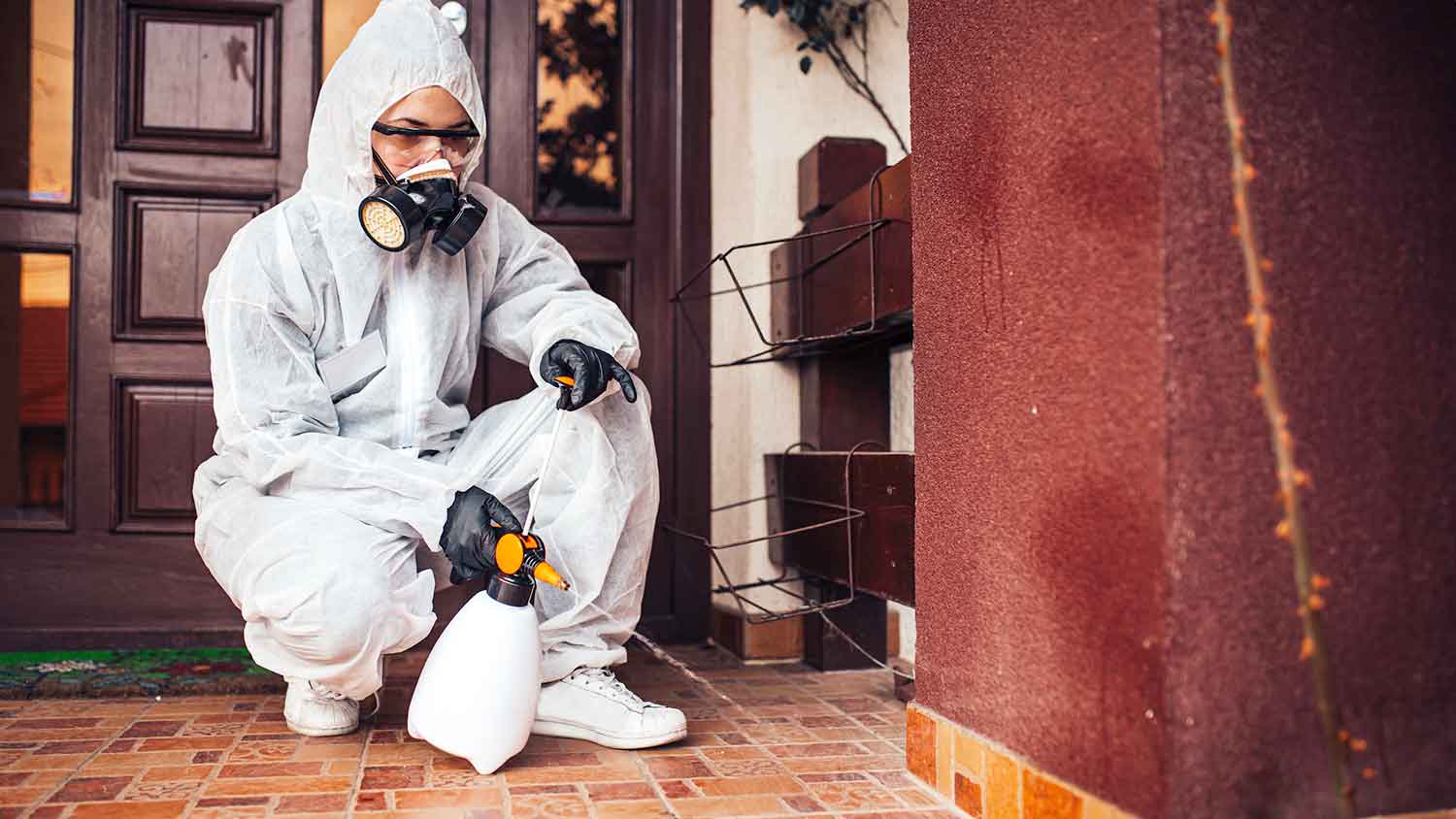
Pest control services offer a professional option to eliminate serious infestations in your home. Here’s what to expect.

Bugs, mice, birds, and other vermin can wreak havoc in homes if left unchecked. Follow this pest control inspection checklist to keep your home pest-free.