
•
Discover the energy-efficient window costs. Learn about installation prices, cost factors, and tips to save money on your window upgrade.
Buying a vintage home doesn’t mean you’re stuck with old windows that stick

Replacement windows for old homes balance period-appropriate style with modern performance, so your vintage home keeps its charm while gaining energy efficiency and easier maintenance.
Expect to pay $280 on average per window for replacement, with insert windows ranging from $300 to $1,500 and full-frame installations costing more when your frames need repair.
Wood windows best match historic aesthetics in older homes, while composite or vinyl options offer lower maintenance with a similar look that suits your budget and climate.
Hiring a local window professional ensures proper measurements for custom openings and correct installation, helping your replacement windows fit right and perform well for years.
If the windows in your old home are drafty, damaged, or difficult to open, you can save yourself a lot of frustration—and save on your energy bill, too—by replacing them. But if you live in a historic home with original wood windows, that decision becomes more complicated. Keep reading for some tips on choosing the best replacement windows for old houses.
If your windows are vinyl or metal and they’re significantly rusted or warped, replace them. But if you have solid wood windows, especially ones with historic and aesthetic value, consider the cost of restoring old windows instead (at an average cost of $360 each). The original antique windows in older homes were often crafted from durable old-growth woods, so they’re often worth salvaging if possible. Plus, by going the restoration route, you’ll hew to your home’s historic aesthetic.
To determine which updates your windows need, ask your local window company for an estimate. They might suggest any of the following:
Freeing up painted-shut upper sashes
Repainting or staining frames
Replacing broken parts such as glass panes, sash cords, and hardware
Adding storm windows. Acting like ad-hoc air chambers between existing windows and home exteriors, these typically run $240 to $900 each, including installation. Although the upfront cost is relatively high, storm windows can save you 10% to 30% on heating and cooling costs.
Keep these tips in mind if you decide to replace your windows.
If you live in a historic home, you might need to follow certain architectural requirements. For instance, you may be asked to use building materials authentic to the time period when your home was constructed. Check with your local municipality for details.
Replacement is an option worth considering, as long as the cost of window replacement fits in your budget. You can expect to pay an average of $280 per window, but the actual cost varies based on size and on the designs you select. You may be able to save some money if you order a large number of windows at once.
In terms of the best designs of replacement windows for an old house, three primary cost ranges are available.
Least expensive: Picture, single-hung, and pocket windows are the least expensive options, starting at about $100. Some of these designs can cost as much as a few hundred dollars.
Average cost: You’ll find average costs with casement, sliding, and double-hung windows around $280. The priciest options in this group cost several hundred dollars. These are some of the most common bathroom and kitchen window ideas.
Most expensive: Bay, bow, and custom-made windows are among the most expensive types of window designs, starting at $900. They could cost several thousand dollars apiece in certain sizes.
Additionally, the number of panes within each replacement window affects the cost. Single-pane windows are the least expensive, with an average cost of $200 to $250. Double-pane windows have an average cost of $800 to $1,000, while triple-pane windows can cost $1,300 to $1,700.
Choose windows that complement your home’s original architecture. If you own a home with a classic design, selecting the right window type for your home is important for maintaining your home’s vintage style. Some of the best styles of replacement windows for a vintage old house include:
Cape Cod: bay or large double-hung sash windows
Classic Cottage: double-hung sash with multiple lights
Colonial: 6-over-6 casements or double-hung windows
Craftsman or Arts and Crafts: casement or double-hung windows with long vertical panes
Federal: double-hung windows with 12 lights
Georgian: tall, double-hung windows with nine or 12 lights
Gothic: custom arched windows
Greek Revival: double-hung sash with six lights
Italianate: custom arched 1-over-1 or 2-over-2 windows with crowns
Modernistic: plate-glass windows or glass block windows
Queen Anne or Victorian: large bay and single-hung sash windows, although some elaborate homes had arched windows
Ranch: double-hung or casement windows with a large front picture window
Saltbox: double-hung sash with nine or 12 lights or diamond-paned casement windows
Spanish Colonial Revival: custom arched windows
Tudor Revival: narrow, tall double-hung windows or casement windows with multiple lights or diamond-shaped panes
In some cases, you may be able to add window treatment sets to help improve the charm without having to install costly windows, but this option will not increase curb appeal.
Vintage windows tend to have a style that looks better on older homes, adding to the charm and personality of the structure. These types of old windows have complex frames and multiple panes, which was an important style element 100 years ago or more. Large panes of glass were expensive and difficult to obtain, so vintage windows consisted of multiple panes (or lights) connected using the frame.
Vintage windows typically have wood frames, as the vintage look is difficult to duplicate with vinyl, fiberglass, or aluminum frames.
Modern windows use a minimal amount of framing, as they feature larger panes of glass. This design allows more light to enter the home and simplifies cleaning and maintenance. However, modern windows may not match the vintage design of your older home.
You have five primary materials you can select for your frames in the replacement windows at the old home.
Wood-framed windows have been the most popular for decades—in part because they were the only choice. With an older home, wood often continues to be the best way to maintain the vintage style. However, if you prefer easier maintenance and a lower cost than wood-framed windows, other options are available, even if they don’t quite match the period and style of the older home.
Vinyl frames are highly popular with new constructions, as they’re easy to maintain and inexpensive versus most other options. Vinyl does not require regular painting. You may want to replace maintenance-intensive older wood windows with new vinyl windows, even if they don’t quite match the architecture of the home.
With aluminum-framed windows, you have a low-maintenance option that’s also more durable than vinyl while carrying a similar cost. However, aluminum retains heat and leaves the glass prone to condensation more so than other materials.
One of the newer options is fiberglass frames. These are more durable than vinyl while remaining low maintenance. However, fiberglass does cost more than any other materials, and it won’t give you the vintage look you may want.
Composite frames use a mixture of wood fibers and thermoplastic to provide a look similar to wood without maintenance requirements. This makes composite a palatable option on an older home where you simply don’t want wooden windows. Its price is similar to wood, too.
Many original windows in older homes are single-pane—not ideal for energy savings. When upgrading, look for energy-efficient windows with two or three panes, a low air infiltration rate, and built-in weatherstripping and barriers such as low-emittance (low-E) coatings. According to the U.S. Department of Energy, windows with low-E coatings usually cost about 10% to 15% more than regular windows but reduce energy loss by 30% to 50%.

You have a few options, depending on the condition of your existing windows. Here’s a rundown, ranging from the most to the least involved and pricey:
Full-Frame Replacement Windows: If your existing frames, sills, and jambs are rotted or out of square, you’ll need to go this route. These windows feature complete frames with head jambs, side jambs, and sills. To put them in, your local window installer will need to expose window openings down to the rough framing.
Insert Replacement Windows: If your window frames are sound and square, consider retrofitting. These fully assembled, ready-to-install windows, which range from $300 to $1,500 each, slip into existing openings and are fastened to existing side jambs.
Sash Replacement Kits: Go this lower-priced route if you only need to replace your sashes—not the frames or panes.
Careful, precise measuring is essential when it comes to ordering replacement windows. If you don’t want to learn how to measure for replacement windows or install them yourself, you’ll want to have your window company or carpenter measure the width, height, and depth of each opening. To ensure you get the right fit, be prepared to order custom windows.
After all, most older homes feature window openings larger or smaller than today’s standard window sizes. This is especially important to remember after your replacement and while you’re budgeting for the cost to install blinds, as you may need custom support.
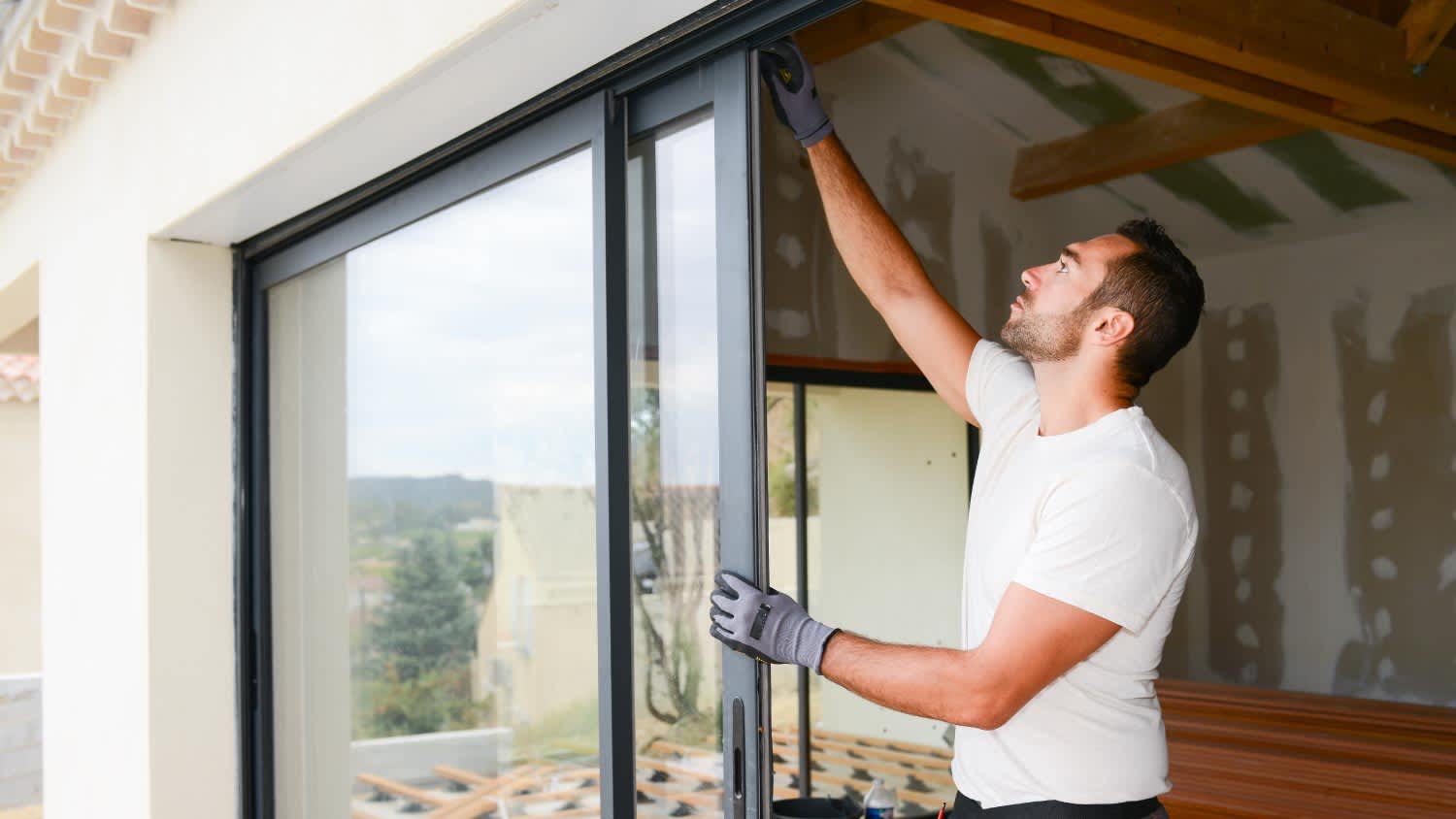
Installing new windows can be challenging and time-consuming. Plus, it’s critical that the installation be correct to ensure that your windows work properly, save energy, and last.
Installation by a window company or qualified contractor may also be required in order to get the most coverage under a manufacturer’s warranty. For all these reasons, it’s usually worth hiring a professional when it’s time to replace your windows.
We have used Window Warriors many times with no issues. They arrived on time and were very professional . We have pets and Window Warrior team treated them very well, well trusted team.
 Window Warrior of Columbus, Inc.
I am highly satisfied with the window replacement service I received; the professionals from Savvy Exteriors were punctual and did an amazing job that exceeded my expectations.
 Savvy Exteriors
I hired windows depot USA of central to install new windows in house in Oshawa. Ilya was very professional from the start, not only did he offered a great price, he also made sure the installation was on time. I am very satisfied with final outcome. The windows look great and the overall...
 Window Depot USA of Central Ohio
The team is awesome!! I can generally pick up and clean throughout the week, but they CLEAN! Windows, stair rails, microwave. All the things I can’t ever seem to get to regularly. The house looks and smells great after they leave.
Description says they handle window repair including rotten hardwood - they called me back right away but didnâ t leave a voicemail. I followed up 3 days later and they said they donâ t do that kind of work.
 Window-Gurus
We had a gutter blockage that was causing water to sheet down the side of the house and ultimately it started to come in at a window (need mortar people next). Called around 7:30am, and he responded by 8am. He was able to come out the same morning and do a look over and clean out. He also...
From average costs to expert advice, get all the answers you need to get your job done.
Discover the energy-efficient window costs. Learn about installation prices, cost factors, and tips to save money on your window upgrade.
Is it time to upgrade your home’s windows? Learn more about window replacement costs, considering various window sizes, styles, and energy efficiency.
Window film, inserts, treatments, and more can improve your window’s energy efficiency. Read this guide to learn how to make old windows more energy-efficient.

Saving energy with your windows is a great way to cut down expenses. Find out more about what energy-efficient windows are and things to consider before you buy them.

Electrical upgrades can improve your home’s energy efficiency. Keep reading to find out which electrical upgrades you should consider.

An energy-efficient home will save you money and conserve energy, so it’s no wonder homeowners are making more eco-friendly choices. If you’re ready to step up your efficiency game, this home energy efficiency checklist will help you do the job.