
•
Discover the average cost of home theater wiring, including labor, materials, and key factors that impact your total price. Learn how to budget and save on your project.
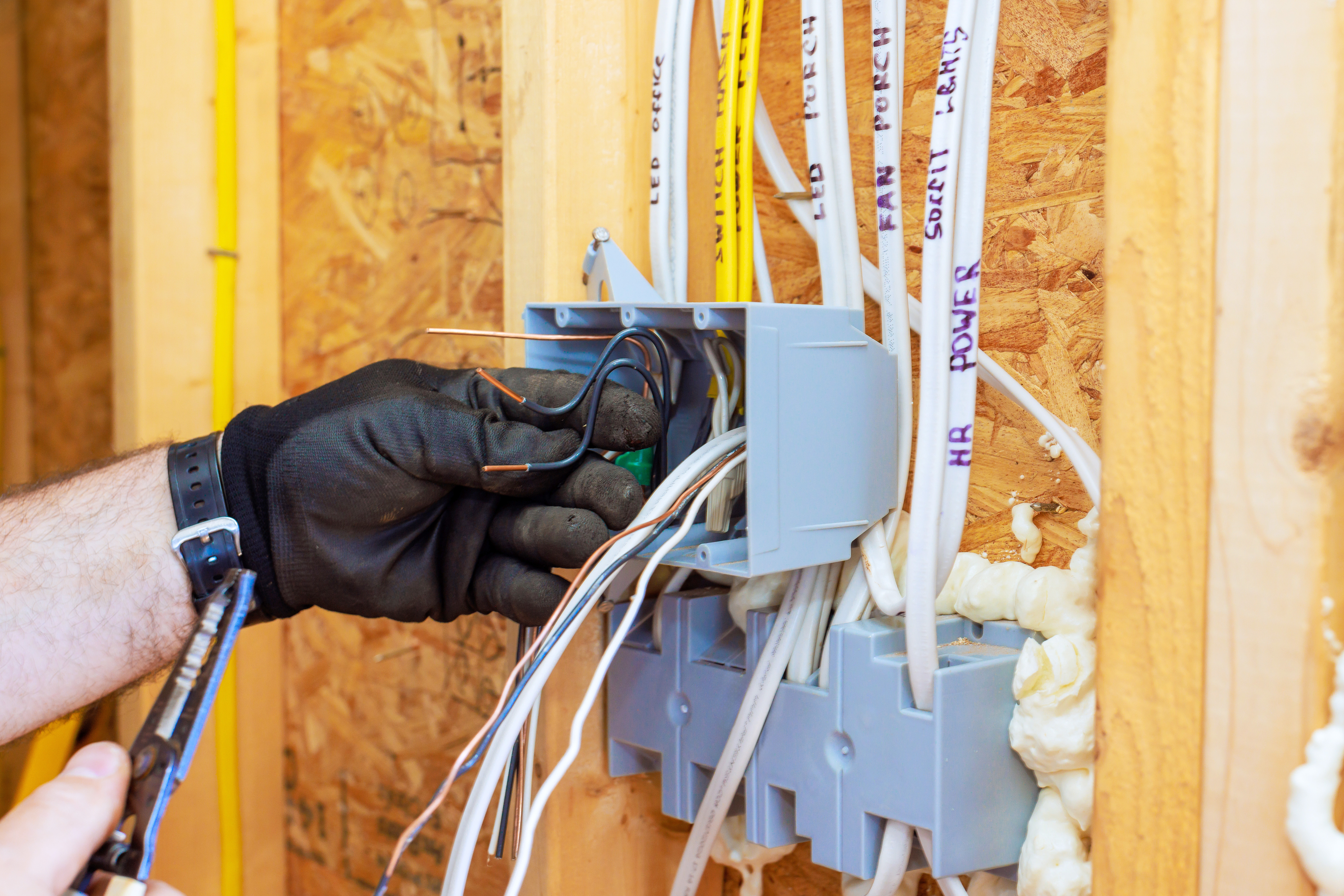
This guide breaks down the different types of electrical wires in your home and how each one functions

Non-metallic cables are the most common electrical wires in your home, featuring a hot wire, ground wire, and neutral wire in one sheath for powering outlets and switches.
Metal-clad cables work well in unfinished or exposed areas like your basement or attic, providing extra protection with their sturdy metal sheath compared to standard wiring.
Wire color coding helps you identify different electrical wires by purpose, with black for hot wires, white for neutral, and green or copper for grounding connections.
Hiring a local electrical professional keeps your home safe when you need repairs or upgrades, handling everything from circuit issues to complete rewiring with confidence.
Electricity powers all kinds of things in your home, from everyday appliances like refrigerators and washing machines to your computer, smartphone, and other devices. While electricity has only been widespread for about 100 years, it’s now a necessity of modern life. That said, most homeowners may not know exactly how their electrical wiring actually works.

A non-metallic, or NM cable, is one of the most common types of electrical wires in modern homes. These cables typically feature a hot wire, a ground wire, and a neutral wire in one sheathing. They’re also sometimes referred to as Romex cables. NM cables are used to conduct electricity throughout your home to switches, outlets, and other appliances.
You may have heard armored cables called AC cables or BX wiring, but they’re all one in the same. This type of cable is often used in areas with stricter rules and regulations surrounding electrical codes, where NM cables may not be allowed. Armored cables are more expensive than NM cables, but they’re also sturdier and safer.
Metal-clad cables, or MC cables, are covered in a protective metal sheath. This type of cable is sturdier than a typical NM cable and is suitable for areas that may be unfinished or exposed, such as basements.
THHN stands for thermoplastic highly heat resistant nylon-coated wire, and THWN stands for thermoplastic heat-resistant wire rated for wet locations. Both of these types of insulated wire are often used to connect appliances with branch circuits.
An underground feeder cable, or UF cable, is typically used to bring electricity to outdoor spaces. Unlike NM cables, the individual wires are wrapped in plastic and they’re protected against damage from moisture and sunlight. In many cases, these cables are actually buried underground to carry electricity to outbuildings like sheds or detached garages.
As the name suggests, low-voltage wires are often used in areas where you don’t need much electricity. They’re suitable for circuits that use less than 50 volts. Some examples of where low-voltage wiring might make sense include very small appliances like doorbells and thermostats.
While most people exclusively use mobile phones, there are plenty of homes that still use a landline telephone. Most homes also use wifi to provide internet connection to their computers and other devices. For these communication setups, you’ll need telephone and data wires.

Although coaxial cables are becoming less common, they’re still sometimes used to connect televisions with cable service or satellite dishes. They’re also sometimes used to transmit phone and internet data.
People often refer to electrical cables and wires interchangeably, but they’re actually two slightly different things. Electrical wires conduct electricity and are usually made out of copper or aluminum. Cables are collections of multiple wires wrapped in a protective sheath.
Some types of wires and cables are immediately identifiable, while others require a more careful examination. The size and color of wires can all provide information about what type you’re dealing with.
The size of the wire is an indicator of how much electricity it can conduct. Wire sizes are measured in gauges, which are inversely proportional to the size of the wire. The smaller the gauge number, the bigger the wire will be and the more electricity it can carry.
Common electrical wire sizes in residential homes include:
14-gauge
12-gauge
10-gauge
8-gauge
4-gauge
3-gauge
2-gauge
Wires are color-coded according to their purpose. This helps homeowners and electricians to easily identify different wires. Some common electrical wire colors include:
Black: Hot wires that are used to transmit power to switches and outlets
Red: Also hot wires and often used in switch legs
Blue and yellow: Typically used as “travel wires” that control three- or four-way switches or as switch legs for lights, fans, and other appliances
White or gray: Neutral wires that help to circulate the electrical current
Green or copper: Grounding wires that help to conduct electricity into the ground beneath your home and reduce electrical fires
While there are plenty of DIY tasks that you can sharpen your handy skills on, home electric repair isn’t one of them. This is because your home’s electrical system can be dangerous if you’re not an experienced electrician, and you could injure yourself or even start an electrical fire in your home.
If you have a question about your home’s electricity or need to conduct a repair, you should contact an electrician near you to discuss your options.
Some signs of home electrical problems include issues with your circuit breaker, flickering lights, shocks, sparks, and burning odors. If you think that anything is amiss, it’s a good idea to get in touch with an electrician or electrical handyperson near you for advice.
Electricity may be a modern necessity, but its price can really rack up. However, there are a few ways that you can save money on electricity and lower your electric bill. These include unplugging items you’re not using, updating old appliances, and switching to CFL and LED lighting.
Great company! Price was competitive, technician showed up on time and completed the job (exterior electric Radon fan replacement) quickly. Would hire them again.
 MaGen Property Inspections and Radon Mitigation
I conferred with 2 other contractors before Armstrong Electric. Nick and his crew showed me that the project was not as convoluted as the other contractors made it appear to be. They completed the entire project on time. They were professional, friendly and cleaned up after at completion. I...
 Armstrong Electric LLC
The techs on my project, Shawn and Cliff, were great. They were prompt, courteous, and efficient. I am very happy with the results and would definitely contact Mr. Electric for any future electrical projects.
 Mr. Electric of Columbus
Victor was wonderful. He was on time, professional, and explained everything he was doing. He was thorough and figured out that the problem was electrical instead of with my HVAC system. Very knowledgeable. I will be using this company in the future for any HVAC needs. Thanks!
 Hubbs Heating & Air LLC
They were excellent. They did a great job. I was totally satisfied. They put tremendous effort in making sure the work was completed. They were great. They provided immediate response to any inquires I made. I would hire them again. I would recommend them to anyone who needs electrical work....
 Property-Tech Industries, LLC
Initially, the repairman could not find the problem. Apparently, there was some electrical shortage, but he could not find the definite problem. He left, but called back later to say he had a new idea. He returned and replaced the light switches on the doors. The refrigerator seemed to return...
 Appliance Pro LLC
The initial quoted price from a walk-through seemed high, but we discussed that the quote represented worst case scenario (re-wiring to two floors) and we were excited about the opportunity to have the work done in a timely manner with closing for fire safety reasons, etc. When the job was...
I have to tell you I am all about customer service - I will go out of my way and even pay more for it if you give me great customer service. <br> <br>In a world where this is hard to find, these guys were awesome! I can not sing their praises enough. They were prompt, personable, funny, got...
 Waibel Electric
When I challenged the markup on the generator, Bruder Electric withdrew its bid. They only want naïve customers.
We had no power to any of the electrical outlets in the MBR. We'd had an intermittent problem for a few years and they finally went out all together. We live on the 3rd floor of a 100 year old building and I know from past experience the wiring has been added to in hodgepodge ways over the...
From average costs to expert advice, get all the answers you need to get your job done.
Discover the average cost of home theater wiring, including labor, materials, and key factors that impact your total price. Learn how to budget and save on your project.
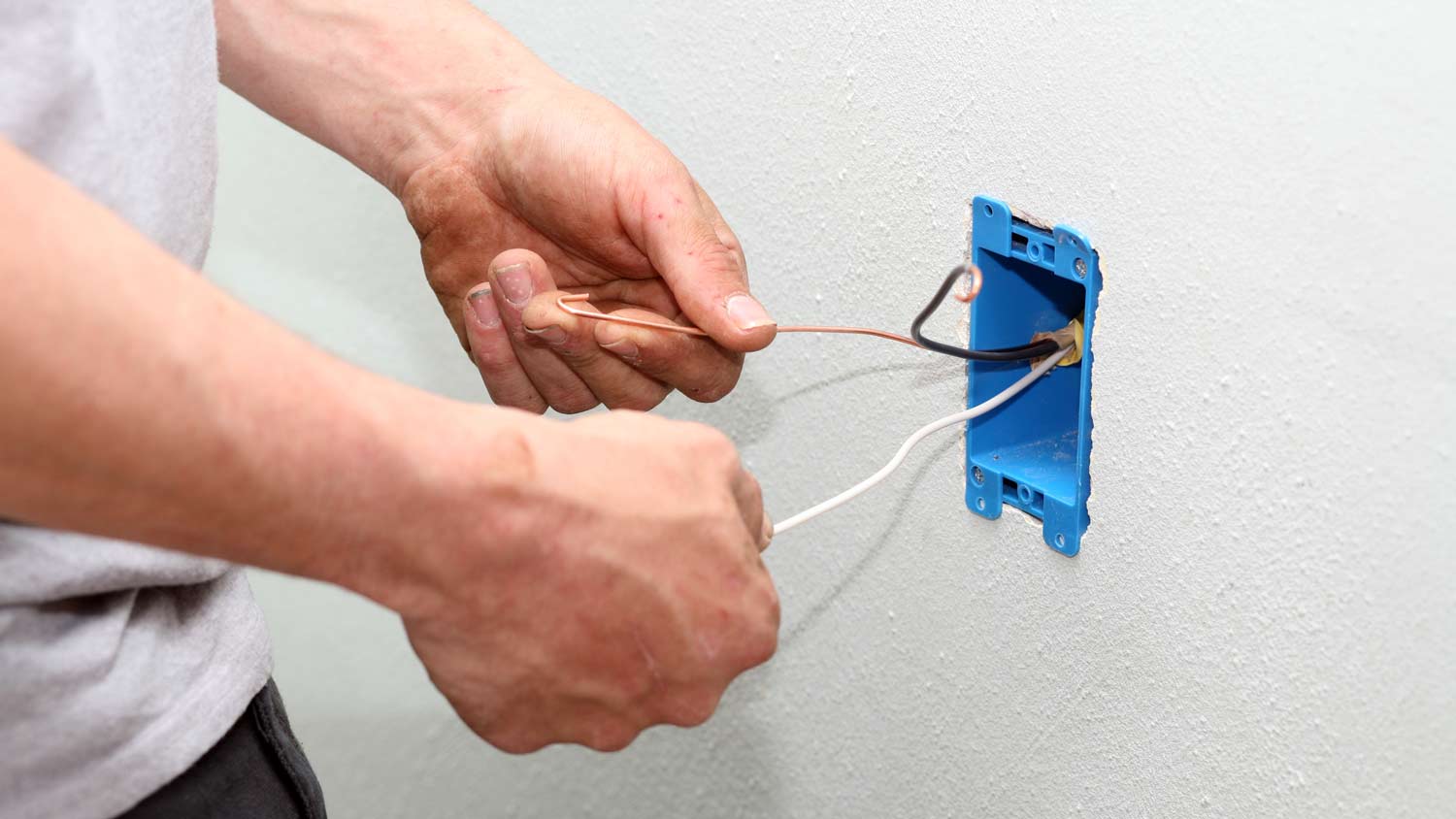
The white wire in an outlet is known as the neutral, but what does the neutral wire do? Here’s the important role it plays in your home’s electrical system.

Electrical wiring repair and installation projects can be expensive. Here’s how to know if your home insurance will cover them.
Electrical boxes are a crucial part of your home’s electrical system, but it can be challenging to wrap your head around the various shapes, sizes, and types available. Keep reading to learn about the different types of electrical boxes and their uses.
When comparing aluminum wiring versus copper wiring, read our explanations of the key factors to consider to help you make the safest and smartest choice.
All home electrical wires follow standard color codes that identify how each one functions in a circuit. Learn about the colorful world of electrical wiring.