
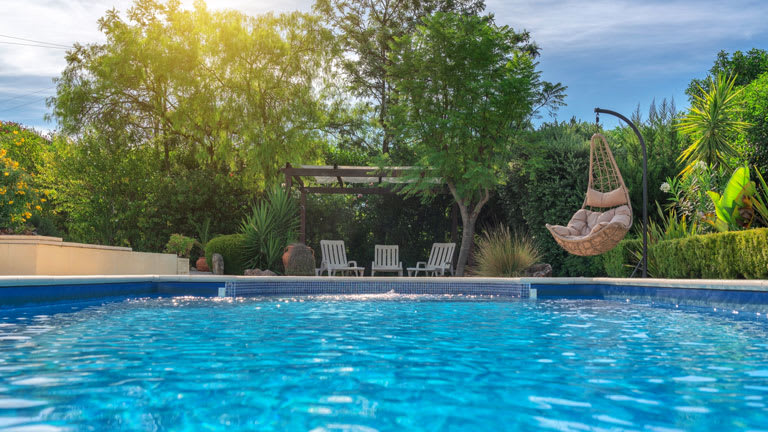
Installing a pool heater ensures that your pool gets used as much as possible, but is the pool heater cost worth it? Let’s find out.
Decide how you want to power your next nice, warm swim

Gas pool heaters use propane or natural gas for combustion, while electric pool heaters use resistance coils or heat pumps to warm your water.
Electric pool heaters cost less to operate and offer lower long-term expenses, while gas heaters provide faster heat and lower upfront installation costs.
Gas heaters warm your pool water quickly and efficiently, while electric heat pumps work best in warmer climates with longer heating times.
Hiring a local pool heater service professional gives you expert guidance on choosing between gas and electric options for your pool's specific needs.
A pool heater can be invaluable, especially for swimming outside on days when the weather is on the chilly side. Both gas and electricity are available as power sources, each with pros and cons. In the debate of electric versus gas pool heaters, which one is right for helping you stave off the cold while you swim?

The most apparent difference between gas and electric heaters is that they use different power sources. But in addition to a variation in energy, they have different lifespans, costs, and installation concerns. Let’s go in-depth about the differences between these two types of pool heaters.
A gas pool heater pumps natural gas or propane into a chamber where it combusts. Metal coils around the chamber draw in the heat from that combustion and transfer it to water that passes through the pump. Then, the warmed-up water circulates between the pool and the pump, slowly raising the overall temperature.
| Pros | Cons |
|---|---|
| Lower upfront costs for installation | Slightly higher long-term cost than electric |
| Heats the water quickly and efficiently | Has a greater environmental impact |
| You can potentially connect a gas heater to your gas line yourself | Shorter life span than electric pool heaters |
Best for:
People living in areas with lower temperatures.
Pools that double as hot tubs or spas.
Areas with easier access to natural gas or propane than electricity.
Heating your pool with natural gas or propane has its advantages. Gas pool heaters can warm the water faster, more efficiently, and to higher temperatures with combustion than electric heaters can with resistance or heated air. That also means colder climates won’t affect your pool temperature as much, as heat pumps need warmer air to operate efficiently.
If you have a gas line that runs to where your pool sits, you can hook a gas heater to it as quickly as hooking up an oven. Propane heaters only require a propane tank, making for an even more straightforward setup. And, of course, less need for professional assistance means a lower installation cost.
Natural gas and propane are more efficient, but they are much less eco-friendly than electricity. These heaters are more likely to have emissions that adversely impact the environment. And that impact becomes more prevalent the longer you run your pool heater.
Gas pool heaters have a lower upfront cost for installation and even the gas itself. However, the long-term cost of operation is subject to gas and propane prices, which fluctuate more than the price of electricity. There is a high chance that you will pay more for gas during the heater’s lifetime than for electricity.
Propane-fueled pool heaters require tanks of propane. Depending on how often you use your pool heater, these tanks can take up a lot of space in or around your home. Fuel storage also comes with safety concerns regarding the temperature and handling of tanks.
Finally, gas heaters have a shorter life span than electric pool heaters. If you perform regular maintenance and take care of it, a gas pool heater will last five to 10 years. On the other hand, electric heaters can last 20+ years with proper maintenance.

Pool heaters that run on electricity come in two varieties. Electrical resistance heaters pass an electrical current through a grid or set of coils made from non-conductive metal. The metal heats up due to the resistance and transfers that heat to the water circulated through the pool.
Electric heat pumps pull in air, passing it over an evaporator coil inside the heat pump to draw the heat from it. From there, a refrigerant absorbs the heat and turns it into a gas, which continues to heat up while passing through the pump. The pool pump draws water into the heat pump and the warm gas, where the water heats up before circulating until it reaches the right temperature.
| Pros | Cons |
|---|---|
| Lower cost of operation | Higher upfront cost due to installation and price of heater |
| Less impact on the environment | Takes longer to heat the pool water |
| Longer life span with proper maintenance and care | Heat pumps require warmer ambient air to operate |
Best for:
People living in warmer climates (with electric heat pumps)
Indoor pools
Larger or deeper pools
If you want to heat your pool with electricity, you can expect lower utility bills than gas heaters. The cost of electricity remains relatively consistent when compared to gas prices. And with electricity being more abundant and cheaper than propane or natural gas, you can heat larger pools or run your heater for longer.
Electric cars have a more positive effect on the environment than traditional internal combustion engines, but electric pool heaters are more eco-friendly than gas heaters. Their emissions are negligible in comparison. All you would need to worry about is properly handling any refrigerant.
Electric pool heaters also last almost twice as long as gas pool heaters. Electrical resistance heaters and heat pumps can last up to 20 years or more. With such a long life span, you can look forward to potentially lower pool heater repair costs, provided you take care of your heater.
Installing an electric pool heater requires the assistance of a qualified pool electrician to ensure safe operation. Projects involving electricity have enough inherent risk without the addition of regular water exposure. In addition, the heaters tend to cost more due to their complexity.
Electricity generates heat at a slower pace than gas combustion. Coils need to become hot, and air needs to go through a chemical process to become heat. Though it can be more consistent, it also takes longer to warm up your pool with an electric heater than a gas heater.
If you live in a warm climate, a pump heater would mitigate the slow pace by drawing in already-heated air. However, if your pool is somewhere colder, the process will take longer, as the cool air will need to come up to temperature before heating the water. Temperature-controlled areas can provide warm air quickly, which is why heat pumps are used more with indoor pools.
Knowing how pool heaters work is only one part of figuring out which type of heater is best for your pool. You’ll need to compare the qualities of each heater and decide whether they match what you’re looking for. So, how do the two types of pool heaters stack up?
Overall, gas pool heaters cost less for the unit and the installation. However, fluctuating gas prices can increase the amount you pay to operate your pool heater. Electric heaters are more expensive to install, but electricity’s price wavers less often or severely than gas.
Lowest cost: Tie
Burning fossil fuels impacts the environment, which is as prevalent in your pool heater as in a car, even if not to the same extent. Electricity doesn’t require gas combustion to operate, so electric pool heaters offer a lighter carbon footprint overall.
Most eco-friendly: Electric heaters
Because of the amount of heat gas heaters can generate, you subject the entire unit to greater heat stress. A gas heater will only last up to 10 years with proper maintenance. However, electric pool heaters boast 20+ year life spans if you care for them.
Longest life: Electric heaters
Electric pool heaters require a certified technician to service and install them due to the risk of working with electricity. While you would still benefit from consulting a professional to repair a gas heater, you can install one and fix minor issues with less risk to your safety.
Easiest to install: Gas heaters
Gas and electric pool heaters have much to offer when it comes to keeping your pool comfortably warm. Neither is remarkably better because their pros and cons must be weighed against individual needs and locations.
If you’re considering purchasing, installing, or refurbishing a pool heater, talk to a qualified professional about local pool heater services. They can help you determine what type of pool heater is best for you, what size pool heater you’ll need, and how to install or repair it.
If you’re good people wanting to do business with good people, hire Matt. He is a consummate professional and utterly competent. He installed a water heater in my home at a price that beat competitors by hundreds of dollars with a promise to support the unit for its life (even after its 6 yr...
 Greene's Plumbing Services
Joseph did a great job with the staircase and trim. Timely and efficient, clear communication about the work, very fair pricing. For the stairs in particular, done very skillfully in an old house (1893) in a tight spiral, and very creative with how to do the handrail. Did a nice job with...
 Vouis Trim Carpentry L.L.C.
This company does it right. Firstly, I want to say that Landan was a joy to work with. He was so kind, transparent, and had everything under control. His entire team showed up ready to work and they were all very respectful of the fact that we were in an office space. A little backstory – we...
 Krumlauf Floors
Professional Team, smooth to communication chain and schedule flexibility. Follows proper construction procedure and completes task on time.
 Pegasus Concrete
Very professional, knowledgeable and helpful! Completed the install on time and as expected.
 Ward's Services
Cole has been handling plumbing and general contracting for our four properties over the past three years, and he’s always done a great job. Most recently, he installed a sink and countertop in our retail store where none existed before, and it turned out exactly how we needed. He’s...
 ANB Renovations LLC
Excellent, Prompt, Courteous Service!!! They were super friendly and quite personable. I felt very comfortable with the gentlemen that did the installation. They installed it exactly where I asked them to and they did an excellent job!! I loved their service so much.
 Tether House
I hired windows depot USA of central to install new windows in house in Oshawa. Ilya was very professional from the start, not only did he offered a great price, he also made sure the installation was on time. I am very satisfied with final outcome. The windows look great and the overall...
 Window Depot USA of Central Ohio
The guys did an outstanding job and we had a great experience with CarifaTile. I appreciated that Joe reviewed the quotes with me and set expectations prior to the install. The crews showed up as scheduled and always left the areas clean upon leaving the house. We will definitely use...
 CarifaTile
Did an amazing job transforming my yard. Also installed sod in places, would recommend to everyone.
 Cardinal Landscaping & Construction LLC
From average costs to expert advice, get all the answers you need to get your job done.
Installing a pool heater ensures that your pool gets used as much as possible, but is the pool heater cost worth it? Let’s find out.
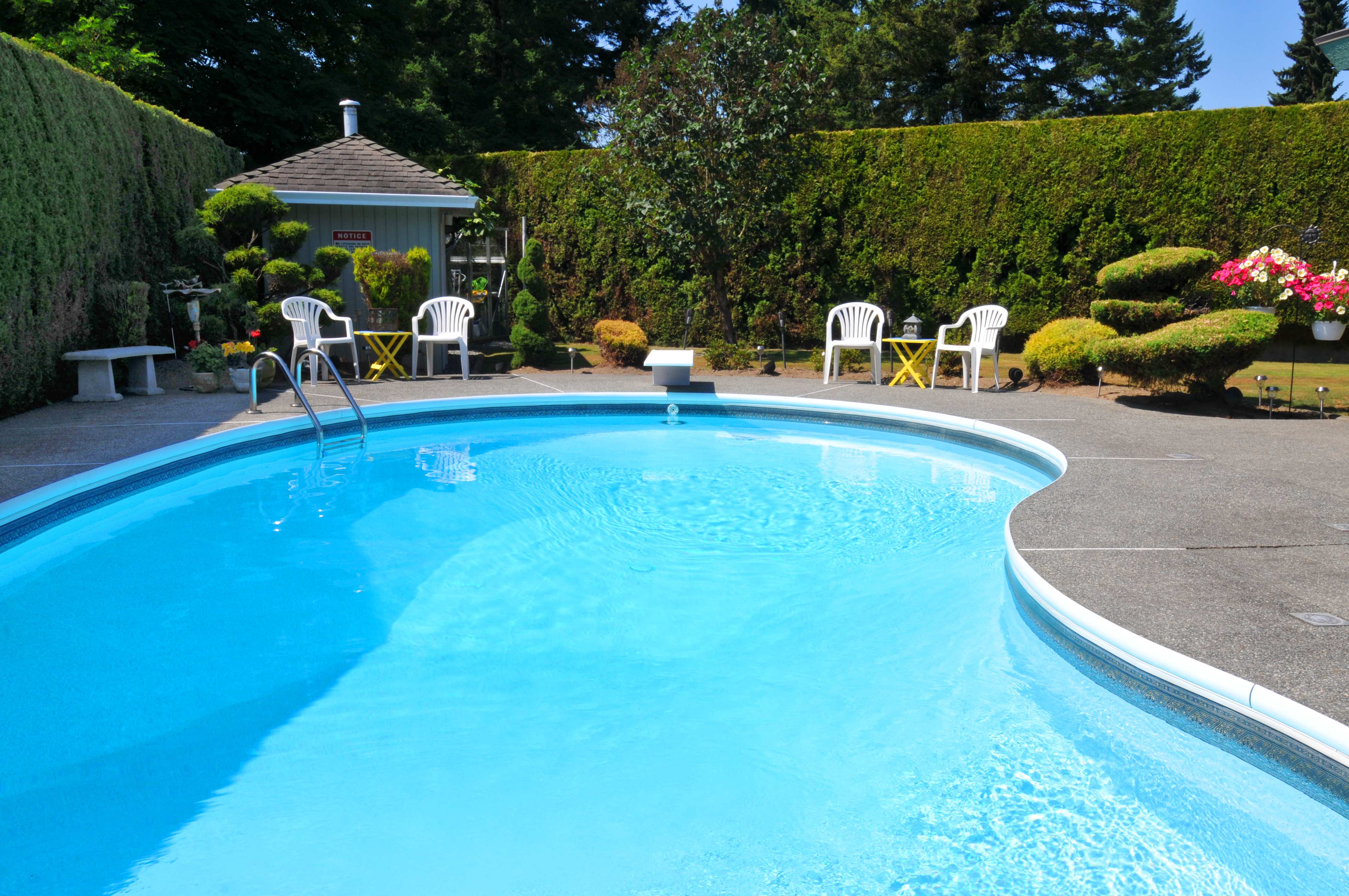
Discover the cost to install a solar pool heater, including average prices, key cost factors, and tips to save on your project.

Pool heater problems could point to many issues, some of which you can troubleshoot. Find out repair costs for heat pumps, natural gas, and solar pool heaters.

A pool heater can really up your swimming experience. Learn about the different types of pool heaters, how they work, and what they cost.
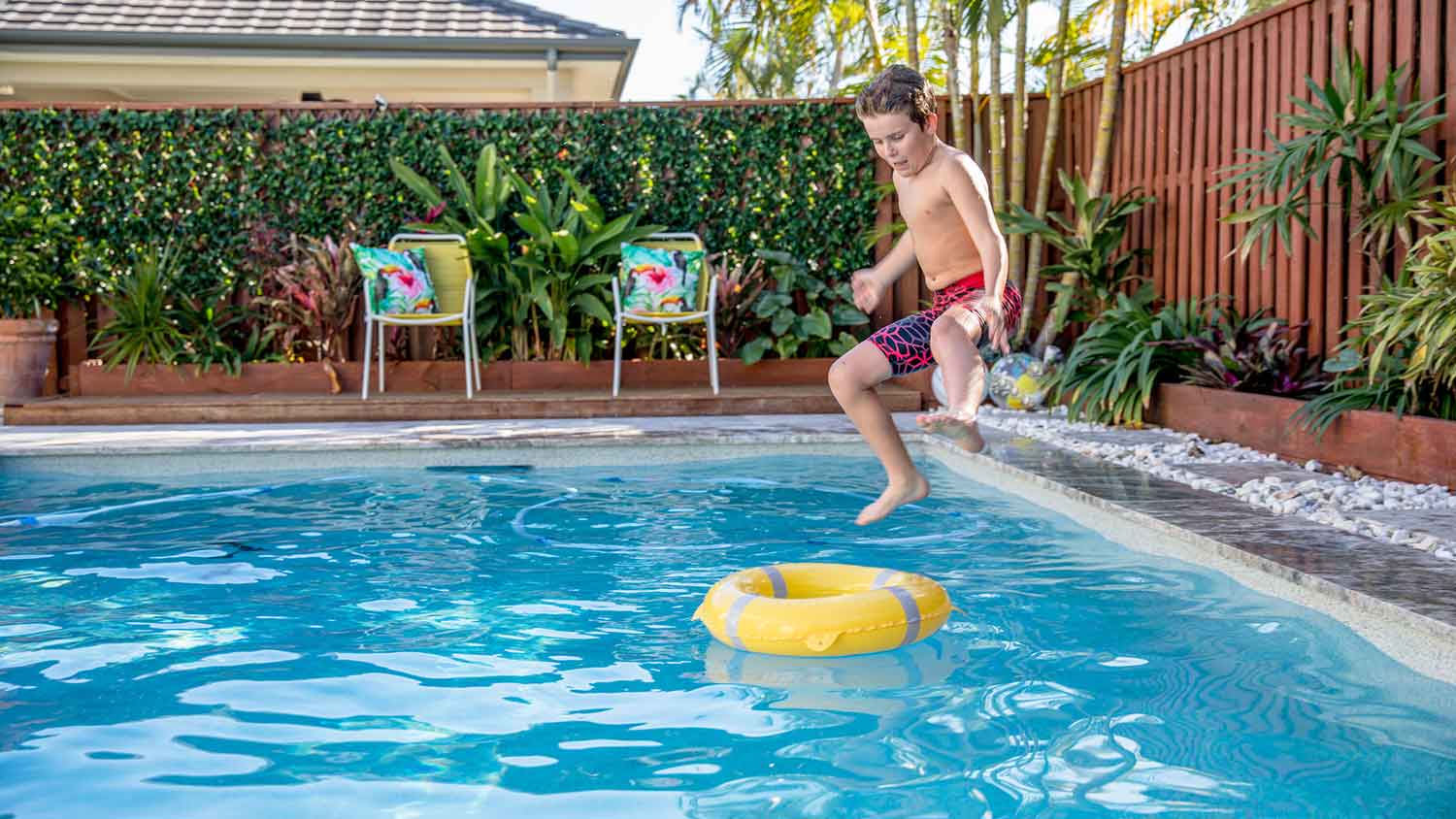
Pool heaters aren’t essential, but they can be a great addition to your pool. Here’s a look at how the main types of pool heaters work to keep your pool warm.
Solar pool heaters warm your pool in cool weather without the hefty operational costs and energy bills that come with a traditional pool heater—that's worth a cannonball.