

This guide features information on the costs to repair a brick wall, whether or not you need a brick mason to complete spalling, tuckpointing, or a full restoration.
They’re made differently, and they perform differently

EIFS brick finishes use multiple synthetic layers with insulation, while brick is made from natural clay and shale fired in a kiln for durability.
Brick costs $9 to $28 per square foot, while EIFS costs $8 to $16 per square foot, making EIFS the more budget-friendly choice for your home.
Brick outlasts EIFS by decades, lasting over 100 years compared to EIFS's 20 to 50 years, and requires less maintenance over time for your home.
Hiring a local siding repair professional keeps your EIFS repairs seamless with proper moisture barrier work and matching finishes that protect your home long-term.
Brick and EIFS are both popular home exterior materials, but they differ quite a bit in terms of appearance, durability, and cost. EIFS, also known as synthetic stucco, looks similar to traditional stucco but offers superior insulation. Brick, meanwhile, is loved for its timeless beauty and durability. This guide breaks down the key differences between EIFS versus brick as well as the pros and cons of each to help you make the right choice for your home.
One of the major differences between EIFS and brick is how they’re made. EIFS is composed of multiple layers and contains acrylic resins and polymers. Brick, meanwhile, is made of clay and shale that get formed into pavers and fired in a kiln.
EIFS is more affordable than brick, but brick has a lifespan that’s at least twice as long as that of EIFS. Brick is the more durable of the two options, but doesn’t offer homeowners as many design and color options.

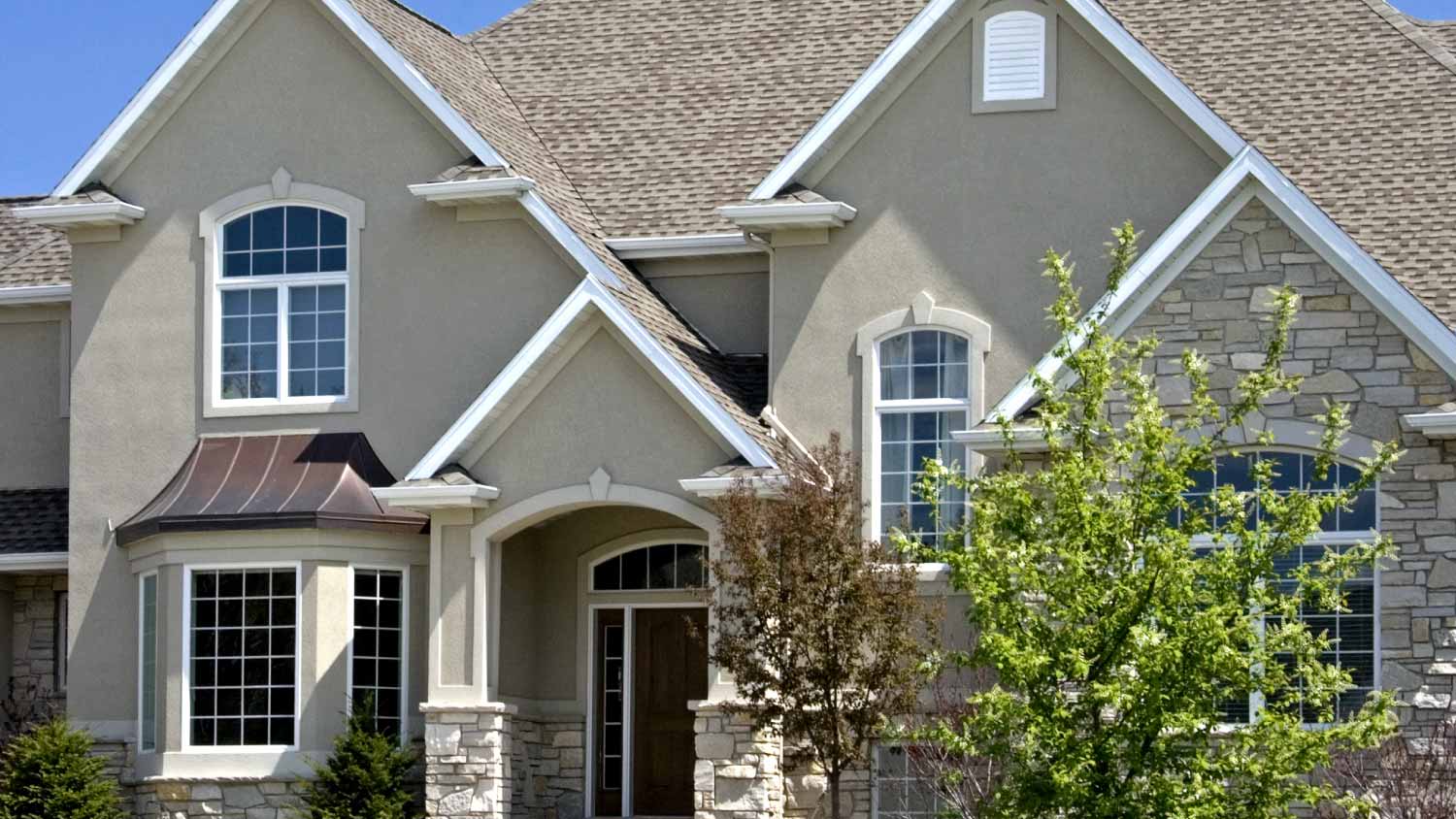
EIFS stands for Exterior Insulation and Finish System, a type of cladding system that provides one continuous layer of insulation on a home’s exterior, boosting its energy efficiency and fire resistance. Also known as synthetic stucco, EIFS consists of an insulation board attached to a building substrate, a reinforced base coat, and a textured protective finish. It’s typically applied in multiple layers over exterior sheathing and can be customized in many different styles and textures.
| Pros | Cons |
|---|---|
| More affordable than brick | Less moisture resistant than brick |
| Many design possibilities | Less durable than brick |
| Energy-efficient | Insurance challenges |
Best for:
Homes in moderate climates
Homeowners seeking a high degree of design flexibility
When it comes to the pros of EIFS, it stands out for its insulation properties, which significantly reduce thermal bridging and outdoor noise while enhancing a home’s energy efficiency. EIFS is also significantly less expensive than brick. And while it’s not quite as fire resistant as brick, it still offers superior fire resistance compared to many other home exterior materials.
EIFS also has an edge over brick in terms of design flexibility. It can be finished in a much wider variety of textures and colors—it can even be designed to mimic the appearance of other, more expensive materials like brick and stone.
EIFS is prone to moisture-related problems, especially when improperly installed. Flaws introduced during the installation process and/or ongoing wear and tear on the finish can lead to cracks and chips, which allow moisture to seep in, leading to issues like mold and rot. For that reason, many insurance companies offer limited coverage for homes with EIFS.
EIFS is also less resistant to damage compared to brick, and it has a shorter lifespan. In addition, repairs and maintenance are often more time-consuming for EIFS. While many homeowners can make minor brick repairs themselves, repairing EIFS typically requires more time and expertise to create a seamless finish, so it’s best left to the pros.

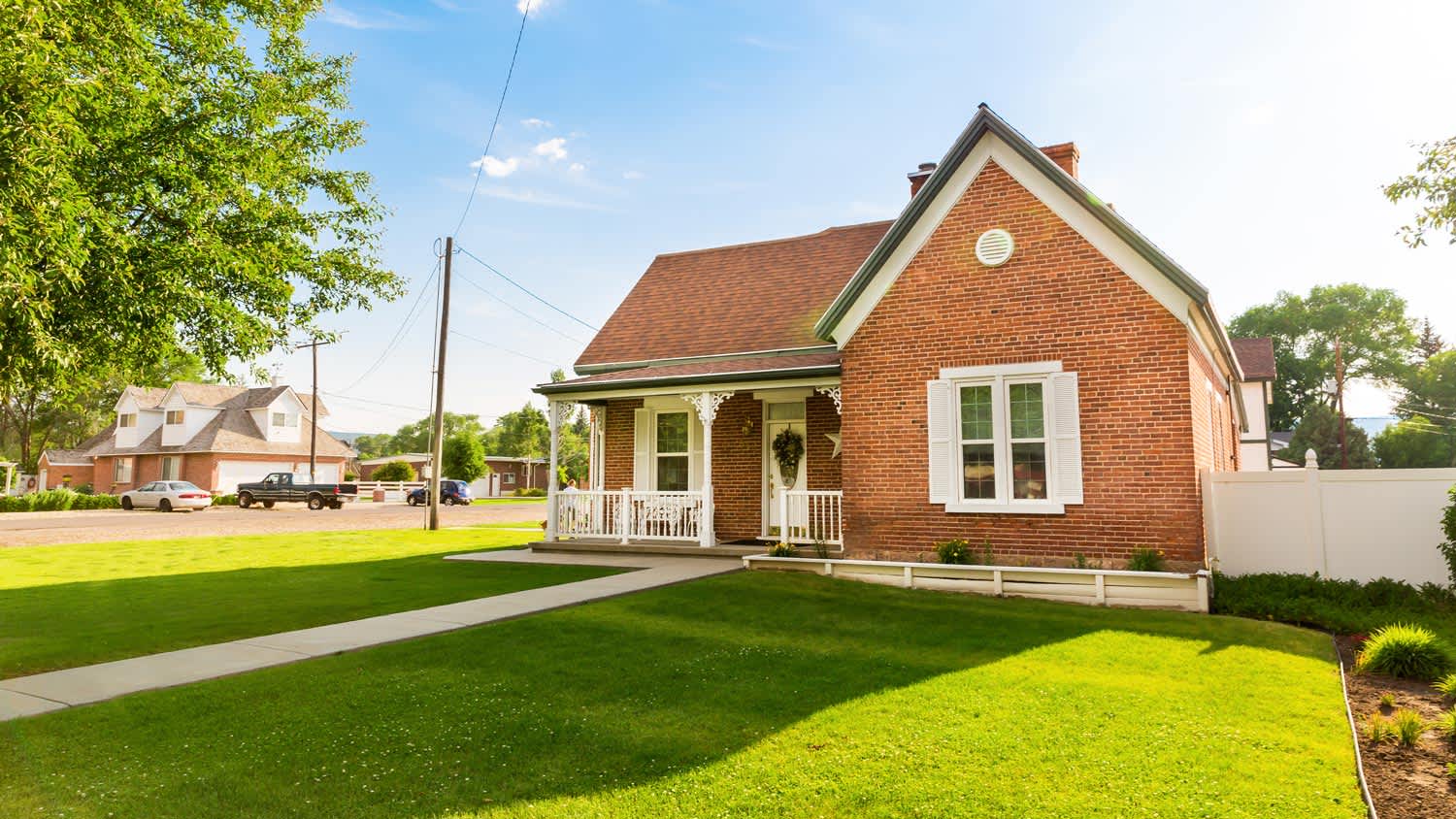
Brick is a natural material made from clay and shale. These materials are molded into the shape of bricks before being fired in a kiln at high temperatures. This process gives brick exceptional hardness and durability compared to most other exterior materials.
| Pros | Cons |
|---|---|
| Low-maintenance | Limited design options |
| Extremely durable | More expensive than EIFS |
| Resists fire and moisture |
Best for:
Homeowners seeking a timeless appearance
Homes in extreme climates
Brick is a relatively low-maintenance building material, especially compared to EIFS. It’s also more durable and longer-lasting than EIFS, with a strong resistance to impact and weather damage as well as fire, insect, and moisture problems. This enhanced durability means brick can last for centuries when properly maintained.
Speaking of maintenance, brick is generally easier to maintain than EIFS, usually only requiring occasional repointing of the mortar joints. Additionally, brick increases a home’s resale value more than EIFS, largely thanks to its extraordinary durability and timeless appearance. Brick also does a relatively good job of reducing exterior noise, though it’s not quite as effective as EIFS.
The design options for brick are limited, particularly when compared to EIFS. It typically only comes in natural clay tones, like gray, red, and brown, and there’s not much variation in texture. However, it can be painted to any color. Brick is also significantly more expensive than EIFS.
Before deciding whether brick or EIFS is the best option for your home, compare them based on the following factors to make the right choice for your home.
Both EIFS and brick have aesthetic advantages depending on what you’re looking for. EIFS offers a broad range of design possibilities, allowing you to customize its texture, color, and overall appearance. This versatility makes it ideal for contemporary homes and homeowners seeking a specific aesthetic not easily achieved by less versatile materials like brick.
Meanwhile, brick offers a classic, timeless appearance that will never go out of style. It’s particularly popular among traditional homes, but it looks great with a wide variety of other architectural styles as well.
When it comes to customization options, EIFS is the clear winner. You can customize nearly every aspect of EIFS, including its texture, color, and overall design. It can also be designed to look like other more expensive building materials, like brick and stone, allowing you to get that look for less. Meanwhile, brick’s colors and textures are far more limited.
Brick is highly coveted for its durability, often lasting for hundreds of years with relatively minimal maintenance. The material offers superior resistance to impact, insects, fire, and moisture damage compared to EIFS and many other building materials. This makes it a particularly popular choice for homes in areas with severe weather.
The cost of brick is more than EIFS, usually falling between $9 and $28 per square foot. EIFS typically costs between $8 and $16 per square foot. That said, since brick is more durable and long-lasting than EIFS, it usually costs less over time in terms of maintenance, replacements, and repairs.
Neither EIFS nor brick is particularly suitable for DIY installations since both require specialized skills and knowledge. However, EIFS tends to be less time-consuming and labor-intensive to install. These installations typically involve preparing the surface, attaching insulation boards, applying a base coat, embedding mesh, then applying a finish coat.
Brick installations, while relatively straightforward in terms of laying bricks and applying mortar, require added precision and expertise to ensure a home’s structural integrity and aesthetic appeal. Brick is also a much heavier material than EIFS, making the installations more physically demanding.
Many homeowners can make brick repairs themselves by replacing individual bricks or repointing mortar joints, both of which are relatively simple and straightforward tasks, especially for handy homeowners.
EIFS repairs are often more complicated as they require specialized skills and knowledge to create a matching finish and ensure the integrity of the moisture barrier. For that reason, it’s not recommended that homeowners attempt to repair EIFS themselves unless they have professional-level expertise in these types of repairs. When in doubt, contact a siding repair pro near you for a quote.
Brick maintenance often requires little more than the occasional cleaning. EIFS, meanwhile, must be inspected regularly for any cracks or other damage that can lead to costly moisture problems. The finish also needs to be cleaned regularly to prevent staining. And while modern EIFS coatings typically include UV inhibitors to reduce fading from sunlight, continuous exposure to UV radiation can still lead to fading and degradation over time, so it needs to be repainted or refinished more often.
Brick is one of the longest-lasting exterior materials on the market, usually lasting far more than 100 years when properly installed and maintained. This is largely due to its inherent durability and resistance to environmental factors like fire, impact, weather, and insects. Meanwhile, EIFS systems usually last for 20 to 50 years, making them comparable to vinyl siding, but they can last for much longer in optimal climates with proper maintenance and care.
Brick homes typically have a higher resale value thanks in part to their exceptionally long lifespan and timeless aesthetics, which appeal to a wide variety of prospective buyers. Brick homes are also lower maintenance and more resistant to weather damage, moisture, and pests than EIFS homes. However, the enhanced energy efficiency that EIFS provides to a home can still boost its appeal and resale value.
The guys at PaveWay are top notch. From the estimate to the job being completed,all was done in a timely and professional manner. I myself was a DOT Engineer Inspector(know what to look for) and got to talking with Cameron and he himself was a Contract inspector for a few years,same job as...
 All Star Paving and Sealing
I highly recommend KTM construction! I will look no where else for anything that needs to be done, in or out side of our property. The level of craftsmanship is 5 star service across the board! The level of detail, knowledge and professionalism is 5 star service across the board! Ken is a...
 KTM Construction, LLC
I purchased the "Big Deal": $199.00 for exterior pressure-washing of one- or two-story home up to 2,000 square feet. They cleaned the siding only. I wasn't aware when I bought the Big Deal that they would not do any other surfaces other than the siding (i.e. sides of the gutters or stucco). I...
 Complete Home Services
This brownstone is historical and the carpentry work is very detailed. I was very happy to secure a company in NY and living in OH to complete the request. Wood work on this brownstone has been existing since approximately 1888 and West side did a GREAT JOB. I will not be able to...
 Westside Home Improvement
Nice group of workers, very friendly. Day 1 covered everything before starting, seemed very organized. Things seemed to be going great. Day 2 they didn't show up until around 10:00a.m. and work crew was cut in half, was told they had another job. Day 3 they didn't show up until around...
 CertaPro Painters of Columbus
The work went great! Couldn't ask for better. Joel set a work start date. About the time of the storms that may have been associated with Sandy. He was half a day late. They set up on a Thursday. On Friday they had a full crew at work. By Monday they were finishing up. Now, the best...
 NJW Construction
A few months ago, a tree branch fell across my car, leaving a series of dents across the hood and driver's side fender. I took it to Rife's after reading the Angie's List reviews. Rife's did a great job! My car looks like new. And they made the process as easy as possible. When I came in...
 Rife's Autobody Inc
I received an email from Angie's List offering Car Detailing 4 U's services for $99. Coming from Angie's List, I expected this to be a highly dependable and qualified company that was known for doing exceptional work. I set the appointment for them to come to my home. They were arrive at...
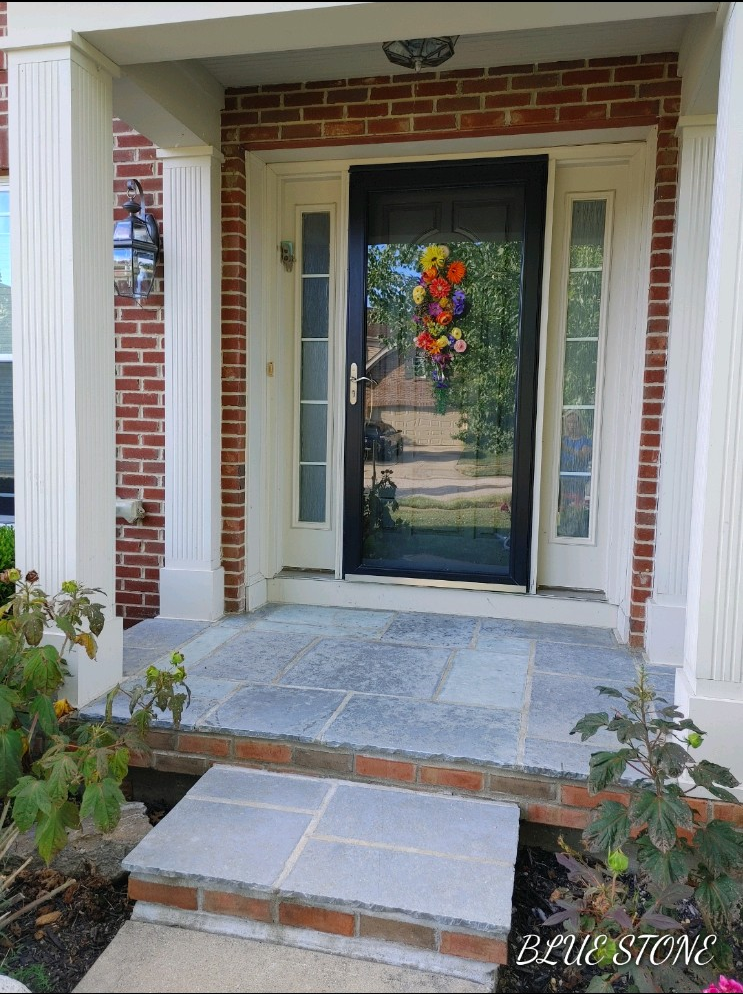
We first had Mark fix the back patio and liked his work so much we had him make a brick patio on the side of the house. When we decided to change our concrete walkway to brick, we wanted Mark to do the job because his prices were fair and he did such good work on t he other two projects.
 Mark Monnette Masonry
I was very pleased with the cost and end result. I truly expected this job to cost me 50% more than it did. When you factor quality and cost, I would highly recommend Mark's services and plan to use him in the future. The best part was, I asked Mark to match the paint color in one section...
 Fresh Touch Custom Painting Inc.
From average costs to expert advice, get all the answers you need to get your job done.
This guide features information on the costs to repair a brick wall, whether or not you need a brick mason to complete spalling, tuckpointing, or a full restoration.
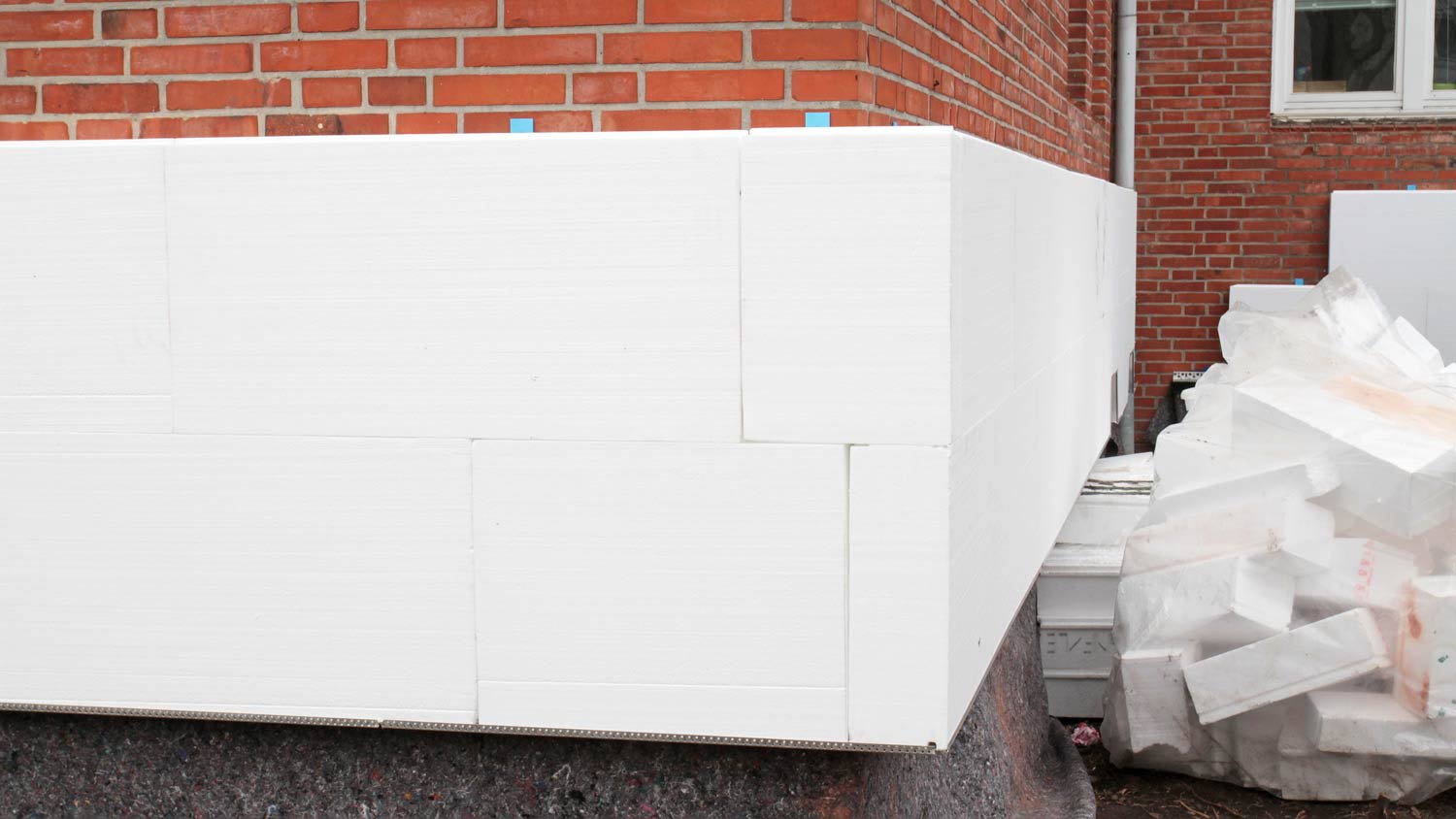
Determining how much EIFS costs per square foot is the key to predicting your bottom line when replacing or installing this long-lasting home cladding option.

Discover the true brick walkway cost for your home. Discover installation prices, key cost factors, and expert tips to save on your brick walkway project.
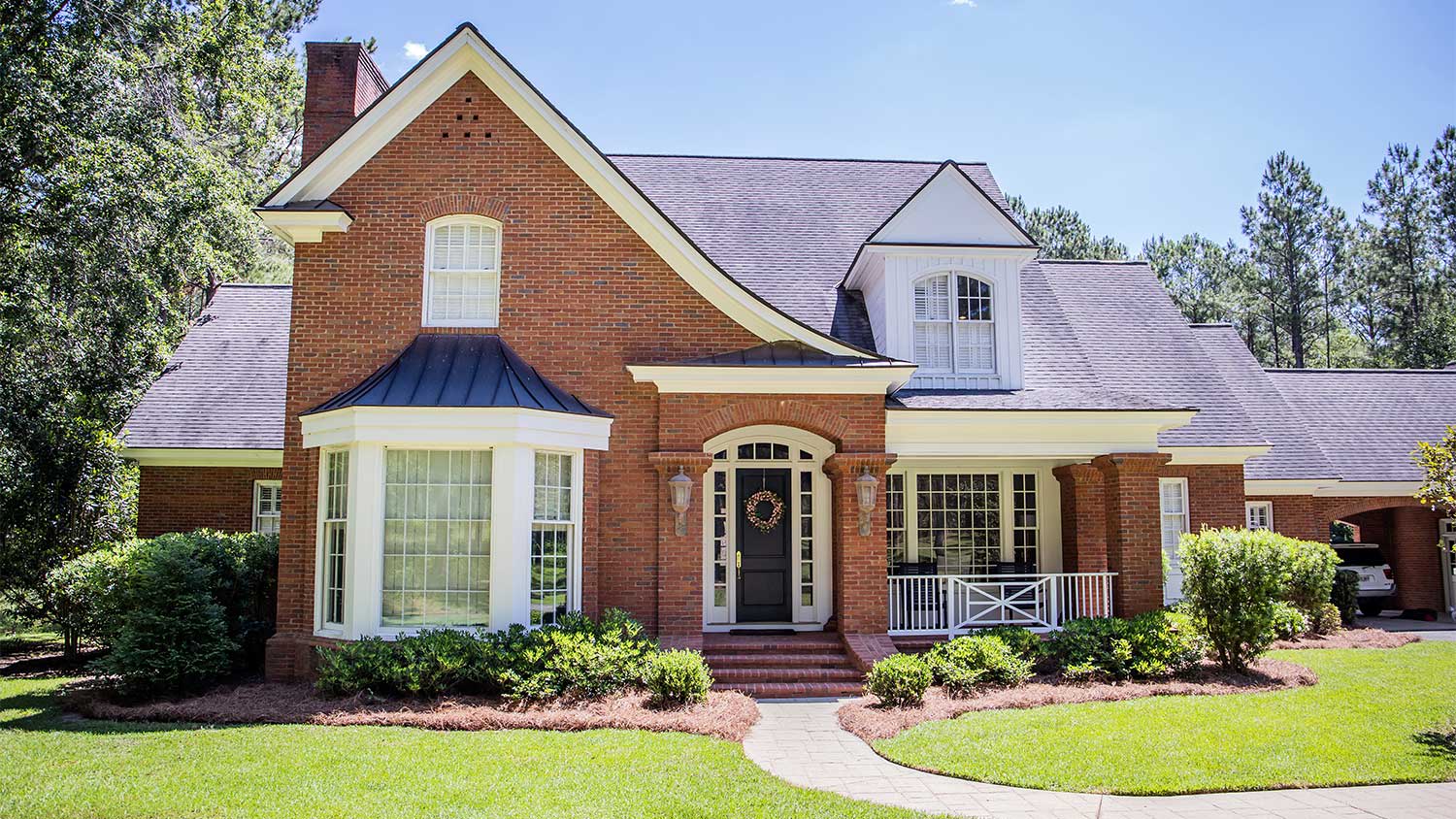
Trying to decide between brick veneer vs brick for your new home build? Keep reading to learn the differences between these two materials.
Deciding on a material for your next masonry project? Concrete blocks and bricks share some advantages but have key differences. This guide breaks it down.
Traditional stucco and synthetic stucco are two excellent options for your home. Both materials can last 50 years or more, and can provide excellent protection for your home against the elements.