
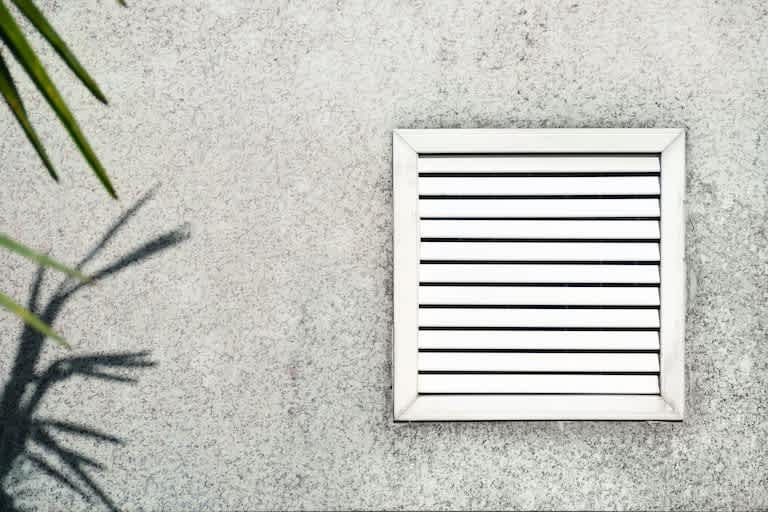
Several factors impact dryer vent installation cost. Use this guide to learn what affects the cost, and how much you should budget for this project.
Take care of a lot of hot air

Your dryer ventilation pipe connects the appliance to an exterior wall opening, allowing hot, humid air to escape and preventing overheating or mold growth.
Expect to pay $200 for dryer vent installation and $140 for professional cleaning, with costs varying based on your home's layout and vent condition.
Inspect your dryer vent hose every few months by unplugging the dryer, pulling it from the wall, and using a vent brush to remove trapped lint.
Hiring a local dryer repair professional provides reliable support with vent installation, material selection, and annual cleaning to keep your dryer running safely and efficiently.
Your dryer produces a lot of hot, humid air when it runs. To keep the appliance from overheating and reduce the risk of mold growth, that air needs to exit the dryer and your home. This is where the dryer vent comes in. Learn more about dryer vent parts and how they improve your laundry day experience.

Your dryer vent connects the appliance to a hole in the wall to guide the hot air out of your home. Depending on how far your dryer is from the wall opening, you may need several venting sections to ensure it reaches the exterior. Here's a breakdown of each part of a dryer vent and what they do.
The vent opening is on the back of your dryer. It allows the air to escape the dryer and travel through the vent hose.
The tube or duct is the main part of a dryer vent. Hot air travels through the duct or tube on its way out of your home. Also known as the vent hose, tubes or ducts come in several forms and materials:
Rigid metal: Rigid metal vent hoses are made from a sturdy aluminum or steel that works well in enclosed spaces. They trap less lint than other hose types and are approved for longer lengths.
Semi-rigid metal: If your vent hose can't be concealed or enclosed, semi-rigid metal hosing is an option. Semi-rigid ducts are flexible and less expensive than rigid metal. Since they have ridges on the interior, they trap lint more easily.
Flexible metal: The least expensive option, flexible metal vent hoses are made from aluminum. They're meant to be used in non-enclosed spaces and for short runs, usually no more than 8 feet. While they are budget-friendly, they also trap lint easily, making them a fire hazard.
Periscoping: Periscoping, or slim, dryer vent ducts are less common than the other three options. They are designed for use in tight spaces and are usually less than 4 feet in length. If you use a periscoping duct, you may need to attach it to a flexible metal hose.
Previously, plastic or vinyl flexible dryer vent hoses were available. However, these are no longer recommended and are often not allowed under building codes. Lint can easily get trapped in a plastic dryer hose, leading to house fires.
A blocked or dirty dryer vent can pose a fire hazard to your home. When lint accumulates in the vent, the heat from your dryer could cause the lint to combust, triggering a spark that can start a fire. That’s why having your dryer vent professionally cleaned every year is so important.


Vent clamps connect the vent hose to the dryer. They are flexible metal rings with a clasp that allows you to adjust their size. Some models have a turnkey that you twist to open or close the clamp.
Another option is to use dryer vent tape to attach the vent hose to the appliance. The tape must be metal duct tape rather than plastic, or else it won't be able to handle the dryer's heat. While tape is an option, vent clamps have a longer life and are easier to detach when needed.
Use vent clamps or tape with either semi-rigid or flexible hoses.
Depending on how far your dryer is from the exterior opening, you may need a long run of dryer vent hosing. You may also need to connect flexible or semi-rigid ducting to a rigid metal duct. Connectors allow you to do this. Some are metal rings that you slide over the duct, while others are shaped like elbows.
You need a cover or cap over the vent opening to keep rodents and other pests from entering the dryer vent.
Vent caps come in several forms. Some are square-shaped openings with louvered flaps, which let the air out but keep rodents and debris from getting in. Others may have a grid or mesh over the opening to keep unwanted objects from getting into the vent.
In tight spaces, you may want to push your dryer up against the wall. A dryer vent box allows you to do that. Made from metal, it creates a recess in the wall behind the dryer, so you can tuck the vent hose into place.
While technically not part of the dryer vent itself, a vent brush is a useful accessory. It attaches to a drill and lets you get inside the vent hose, whisking away any built-up lint or debris.
A professional technician from your local dryer repair company is the best person to install dryer vents. They can also help you choose the best type of vent hose materials for your specific case.
You may also be able to install a dryer vent yourself, particularly if you're handy and are replacing an existing vent with one made from the same materials.
But after buying a new dryer or if you want to make changes to the vent, such as replacing a flexible hose with a semi-rigid one, your best bet is to find a professional. The average dryer vent installation cost is about $200, but the final price tag depends on your location, the size of the vent, and the materials you use.

Your dryer vent needs regular maintenance so your dryer can run efficiently and reduce the risk of fire. Knowing how to check your dryer vent is a vital household skill. A few common signs that your dryer vent needs a little TLC include:
The dryer takes longer to dry your clothes
Lint sticks to your clothes
The dryer overheats frequently
Inspect the vent every few months or so, even if you don't notice a sign of trouble, to ensure there isn't lint building up. Unplug the dryer and pull it away from the wall. Disconnect the hose from the vent opening and look inside it.
Use the dryer vent brush to clean away any lint. You can also use the hose of a vacuum cleaner to blow lint out of the hose.
If you haven't been able to keep up with dryer vent maintenance, it's a good idea to hire someone who cleans dryer vents. Professional vent cleaners use specialized equipment to completely clear out the hoses, improving the function of your dryer and cutting the risk of fire.
The average cost to clean a dryer vent is $140. The location of your dryer, the condition of your vent, and the number of turns in the ductwork all affect the cost.
For example, a dryer vent cleaning company is likely to charge more to clean a vent located on the second or third floor, especially if doing so requires them to use a ladder. If your vent's ductwork has many bends or turns, cleaning becomes trickier, increasing the overall cost.
However, dryer vent cleaning is an essential household task, as it can significantly reduce fire risk. One way to keep professional cleaning costs down is to invest in a DIY cleaning kit, which attaches to a vacuum or drill. That way, the pro cleaners will have less work to do during their annual check-up.
Positive experience. As previously stated, the replacement/repair could not be completed (no fault of the plumbing tech) b/c misinformation was rec?d by property management maintenance. Thanks to the plumbing tech for your efforts. Appreciate you!
 The Waterworks
Carpet repair done well. Scheduling was easy. Showed up on time.
 BR Flooring Installation
As usual with ECO, tech Jordan was outstanding, very professional, very knowledgeable, and very thorough with repairs made to tankless water heaters. Very highly recommend ECO!!!
 Eco Plumbers, Electricians, and HVAC Technicians
I would recommend this company to anyone! He showed up on time, was friendly, completed a very difficult repair on our dryer vent cover, was responsive, and pricing was extremely fair and competitive. I would have him back to do any of our repairs or cleanings without hesitation!
 U.S.A. Dryer Vent, LLC
Everything from initial contact to completion was absolutely top notch. We contacted the business during off hours to leave a message, and the owner still reached out to feel out the issue within minutes. We were scheduled and repaired within 48 hours. I cannot say enough about the...
 Supreme brick & chimney
Ace Fireplace Services came to the rescue for my chimney repair. They were quick to pinpoint the issue and worked their magic to fix it. My chimney is now in excellent shape, and I'm a satisfied customer.
 Ace Fireplace Services
On Sunday 2/26 I requested quotes via Angi from 4 refrigerator repair businesses. Northwest Appliance responded to me Monday morning (2/27) and my refrigerator was repaired by noon the same day. Great communication, they did everything they said they would. The technician had the parts on...
Excellent! We were very satisfied with the service provided and the entire experience from start to finish. Very friendly and professional staff. I was able to instantly get in contact with them for a quote and the response time and overall communication remained quick and easy throughout the...
 Prime Cleaning Service
Description says they handle window repair including rotten hardwood - they called me back right away but didnâ t leave a voicemail. I followed up 3 days later and they said they donâ t do that kind of work.
 Window-Gurus
I needed reliable, affordable help the day of with moving a couple of appliances and misc items. It was a relief to hear back from Tanzillo almost instantly that morning so I could stop looking and move on to plan and prepare. Every part of the move was friendly and professional. Next time I...
 Tanzillo Concrete & Landscape
From average costs to expert advice, get all the answers you need to get your job done.
Several factors impact dryer vent installation cost. Use this guide to learn what affects the cost, and how much you should budget for this project.
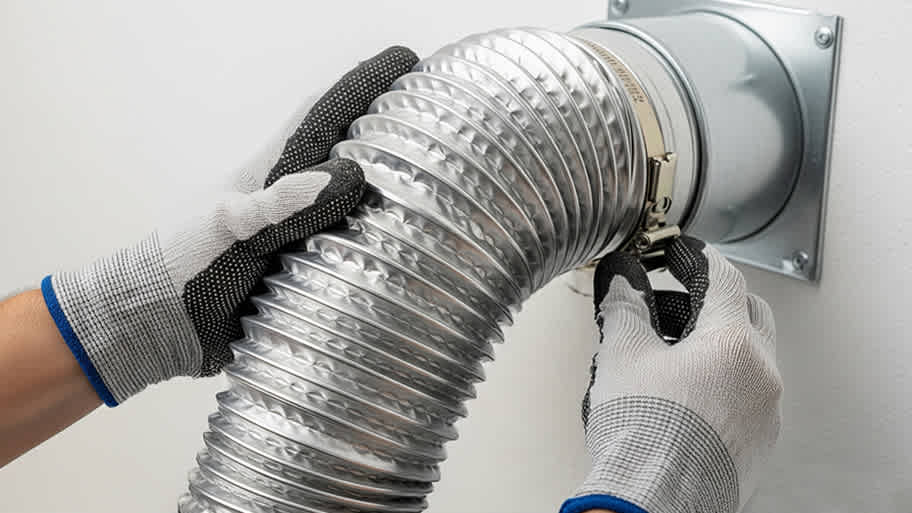
A dryer vent cleaning cost averages about $140 when done by a professional. Read our tips to understand the key cost factors involved in dryer vent cleaning.
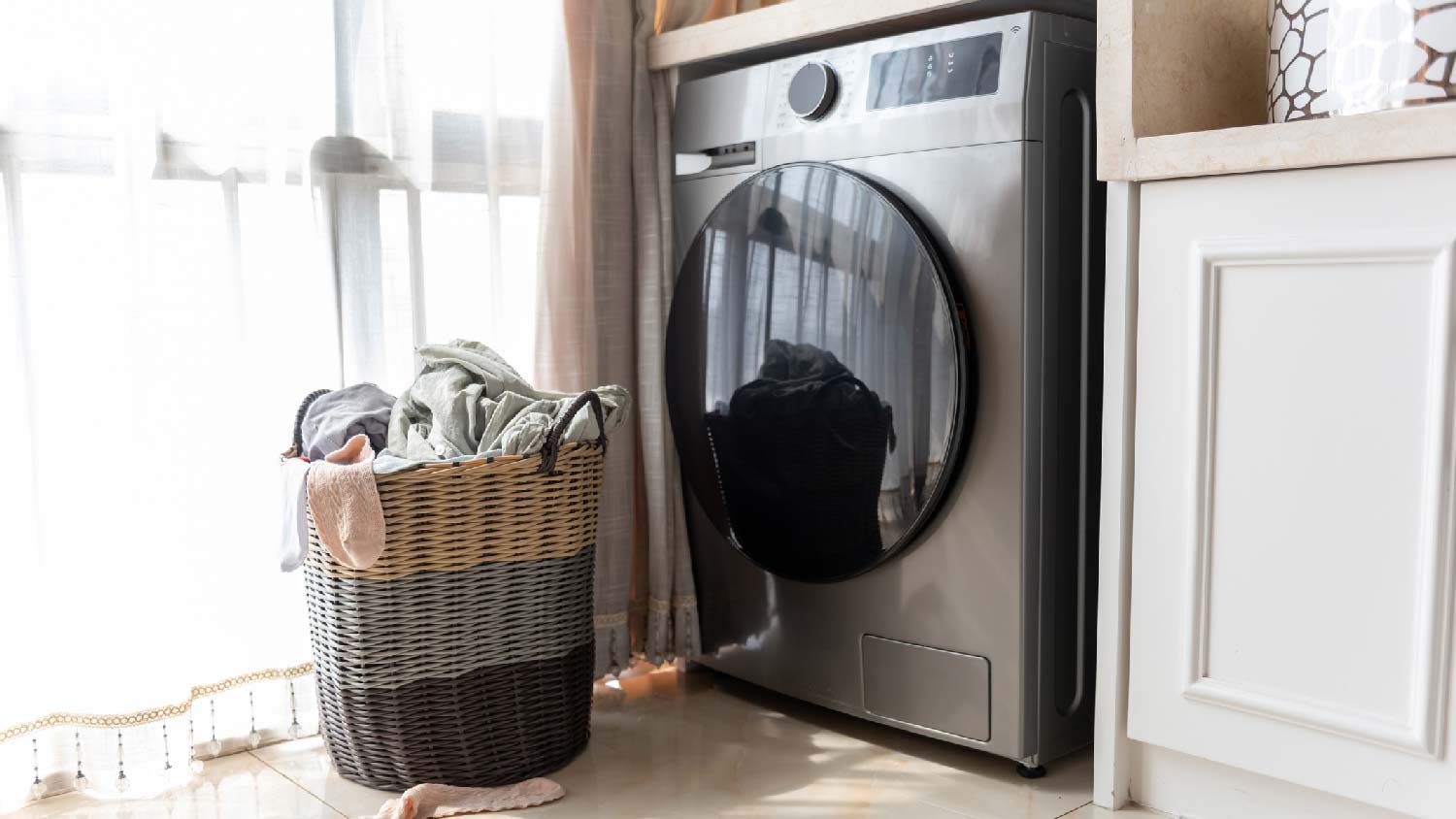
If you have a dryer in your home, the odds are that you also have a dryer vent. Discover what this feature does and why it’s so important.
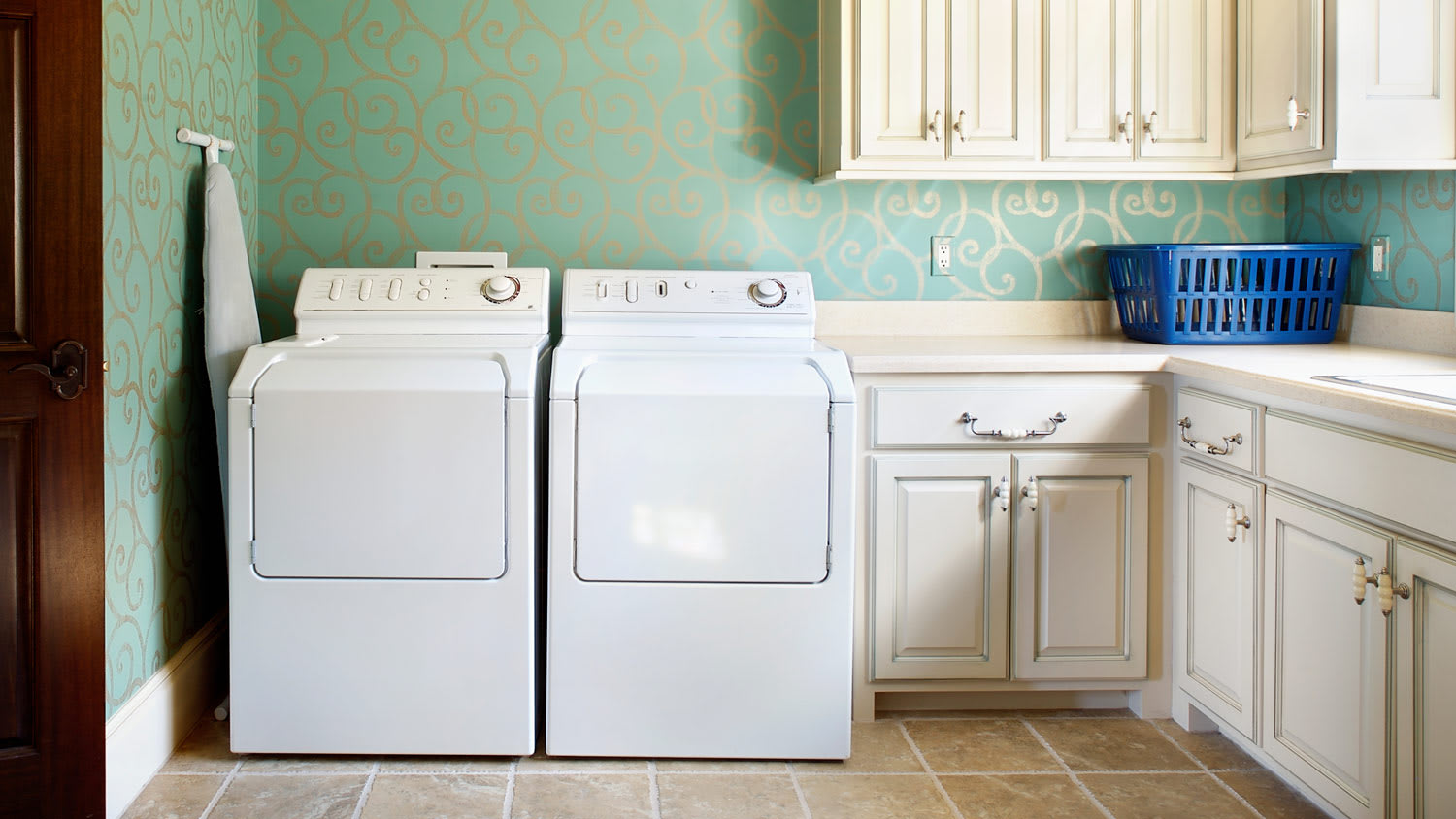
If you need to move your dryer, or you’re buying a home without proper ductwork, you’ll want to make sure the right pro installs your dryer vent. Read on to find out who installs dryer vents to get the job done quickly and easily.
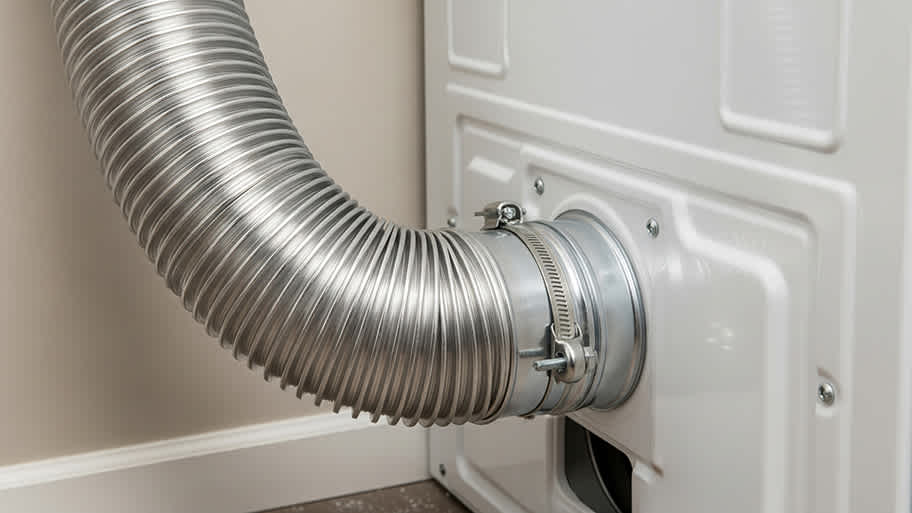
You might not think much of lint, but it’s actually a major fire hazard. Running your own dryer and dryer vent inspection can help you spot dangerous buildup.

The difference between vented and ventless dryers isn’t that large, but depending on your home layout and budget, the choice is simple. Learn what separates the two.