
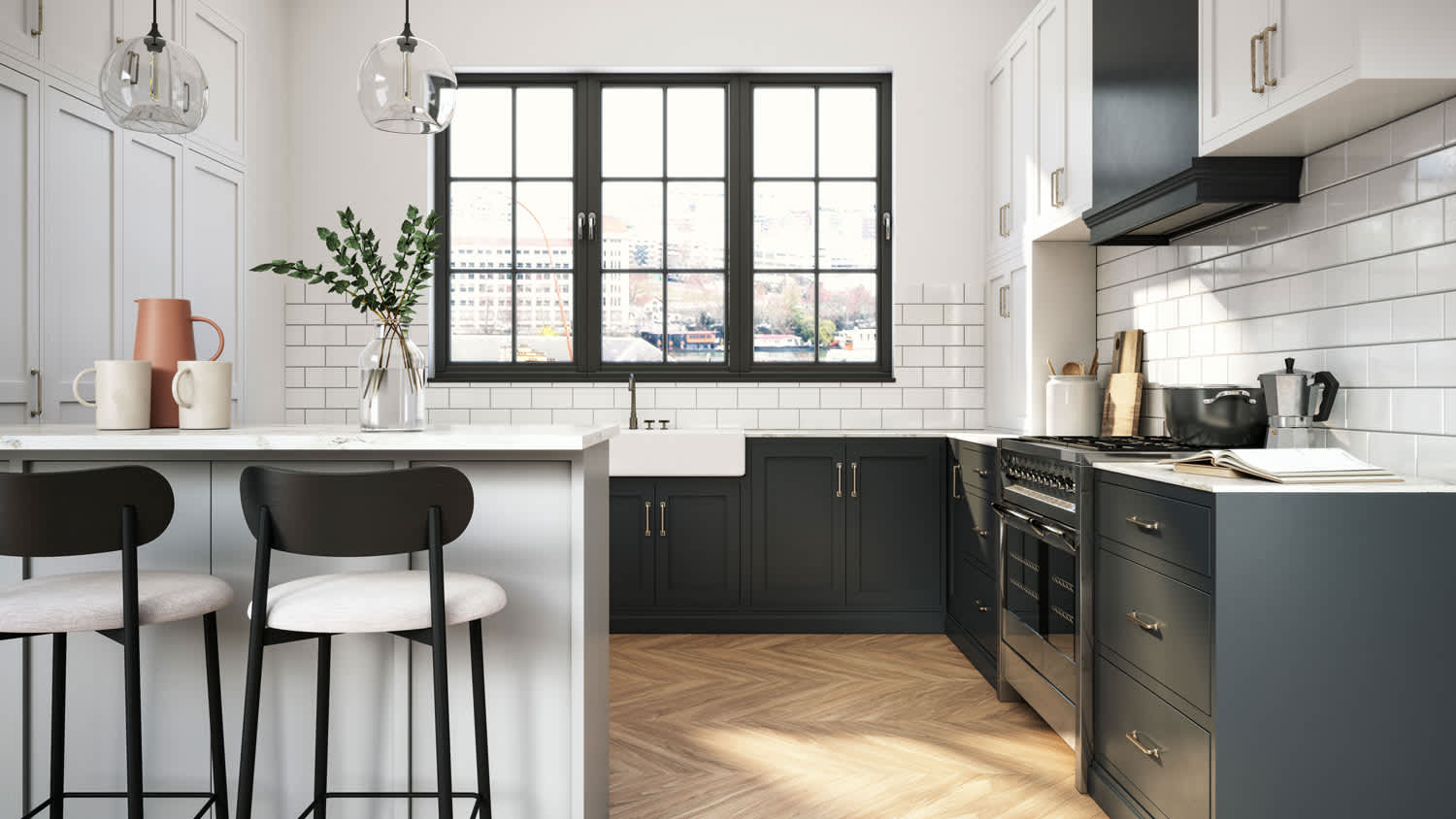
Choosing new cabinet hardware is a fun balance of practicality and design. Costs range between under $100 and up to five figures, though, so budgeting and knowing which materials you can afford is key. This cost guide breaks it all down.
The right cabinet hardware can be the finishing touch your kitchen or bath needs

The types of drawer pulls you choose affect both function and style, with handle pulls offering easier grip than knobs and bin pulls providing a high-end, decorative look.
Expect to pay $5 to $30 per piece for cabinet hardware installation, with total costs ranging from $120 to $2,400 for the average kitchen.
Your cabinet size guides hardware selection, since tiny knobs disappear on large drawers while oversized handles overwhelm small spaces and look out of proportion.
Hiring a local cabinet professional keeps hardware installation aligned and level, preventing costly mistakes like misdrilled holes that require replacing cabinet door fronts.
Whether you live in a studio apartment or a sprawling estate, your cabinet hardware gets used every day, even if you don’t realize it. The type of cabinet hardware in your kitchen, including drawer pulls, knobs, and handles, are essential to functioning cabinets, which is why you shouldn’t overlook them when you’re designing or upgrading your space.
While the cost of kitchen cabinets can take up a major portion of your home building or remodeling budget, you can find quality, stylish cabinet hardware for a fraction of the cost. You’ll want to make sure you sample different materials and options to determine what works best for your space. If you’re still stumped, the guide below can help you determine which types of cabinet hardware will best suit your style and needs.

Knobs are singular fixtures mounted to a drawer or cabinet with one screw. They come in all shapes and sizes, from round to square and oval. This type of cabinet hardware works best for doors or cabinets that aren’t heavy or oversized, since knobs are generally smaller and less weighty than other options. You can also mix in knobs with handles, so that the small cabinet door you want to open has a knob you can grab while a heavier drawer with pots and pans has a sturdier handle.
| Pros | Cons |
|---|---|
| Attached by only one screw | Hard to get them perfectly aligned |
| Less visually distracting in a small kitchen | Can be more difficult to grip |
| Typically more affordable | Loosen more easily than pulls |
Best for: Smaller cabinets and drawers

Also called drawer pulls, handle pulls are mounted to cabinets with two screws, so they can often be trickier to install than a knob. However, handle pulls are by far the most popular type of cabinet hardware due to their function and wide range of styles. They typically have a bar or rod-like look and come in matching finishes or styles to knobs so you can coordinate them with your kitchen cabinet color. If you’re replacing existing handle pulls with new ones, you’ll want to measure the length from the center of one mounting hole to another to ensure your new handle pull is the right size.
| Pros | Cons |
|---|---|
| Easier to grip than knobs | Can be visually distracting in a small kitchen |
| Can withstand more force and weight than knobs | Require two holes to install |
| Don’t loosen as easily as knobs | May need to fill holes and redrill to swap out styles |
Best for: Heavy drawers and frequently-used cabinets

Bin pulls, often referred to as cup pulls, are dome-shaped with an opening at the bottom for your hand to grab easily. They feature a hooded design in various shapes, including round, square, oval, and rectangle. Bin pulls require at least two holes for mounting, with some styles requiring more. Though the more common styles are used in traditional or rustic spaces, you can also find modern versions if you prefer a bigger piece of hardware on your cabinets.
| Pros | Cons |
|---|---|
| Easier to grip than knobs | Require two or more holes to install |
| Custom, high-end look | Need frequent cleaning |
| Don’t loosen as easily as knobs | Fewer design options than handle pulls |
Best for: Traditional and rustic kitchens

Similar to a door knocker, drop pulls feature a pull or handle that swings up to open a drawer or cabinet. This pull type is more common on more traditional or ornate cabinetry, since it’s more decorative and detailed. When it’s not in use, the handle lies flush with the cabinet or drawer, then can be pulled up and back down. There are also different variations of drop pulls, from ball pulls to ring pulls and options with backplates. They can be mounted to the kitchen cabinet with one or two holes, depending on the style.
| Pros | Cons |
|---|---|
| Lie flush when not in use | Not as easy to grasp as handle pulls |
| Custom, high-end look | May cause wear to cabinet finish over time |
| Some are attached by only one screw | Fewer design options than handle pulls |
Best for: People who want ornate, decorative hardware

Paired with a knob or pull, backplates act as a more decorative piece of hardware to give your space a more custom or high-end feel. Backplates for knobs will come with one mounting hole, while options for pulls with two mounting holes. They are typically placed under the knob or pull. Once installed, backplates and their pulls or handles will look more like one piece, so your guests won’t know the difference. If you’re wary of installation, you may want to look into cabinet installation companies near you to take on the task for you.
| Pros | Cons |
|---|---|
| Can protect cabinet finish | Add to the overall expense of hardware |
| Custom, high-end look | Make installation more challenging |
| Adds oomph to small knobs or pulls | Can be visually distracting in a small kitchen |
Best for: People who want their cabinet hardware to make a style statement
The best types of cabinet hardware are the options that work best in terms of style and function. The following factors can also influence which type of hardware you choose for your cabinets and drawers.
The more cabinets and drawers you have, the more you will spend on hardware. The cost of cabinet hardware ranges from $100 to $10,000, depending on the quantity, materials, and type. If your cabinet hardware budget is on the lower end, however, the options are still plentiful and wide ranging. Often online retailers or home improvement stores will carry styles that work for any type of cabinet.
On the opposite end of the spectrum, custom hardware made by hand instead of mass produced will increase the cost significantly, especially if it’s made from a high-quality material such as gold or semi-precious stones.
The scale of your cabinets will help determine what size knobs or pulls or use since you don’t want your hardware to disappear or stand out too much. Tiny knobs on giant cabinets may be hard to spot, while oversized pulls on a small drawer will look off. It helps to measure your cabinets and drawers or any current hardware to determine what size hardware will look best.
The lighting, faucet, and appliances in your space are a good reference point when you’re deciding between hardware finishes. Some designers recommend matching your hardware to the finish of your faucets, while others suggest mixing metals. Whichever route you prefer, it helps to try out a few options in the room before making a final decision. Whether you opt for chrome, brushed nickel, brass, black, or polished nickel, the options are endless.
A cup pull would look out of place in a modern kitchen or bath, as would a glam knob in a rustic space. The style of your kitchen or bathroom will help determine which type of hardware works best for you. The good news is that each type of hardware has a wide range of styles available, so you’re bound to find a style that works for you regardless of your kitchen cabinet colors or stains.
Installation costs for cabinet hardware can vary significantly based on factors like the number of cabinets in your space, the hardware styles and materials you choose, and the cost of labor. While costs can range anywhere from $60 to $15,000, the national average project cost is only $300.
Expect to pay a kitchen remodeling pro $5 to $30 per piece of hardware being installed. The average-sized kitchen typically includes 20 to 40 pieces of cabinet hardware, putting costs at $120 to $2,400. You'll pay more for custom hardware or high-end materials such as bronze.
Any part of a remodel that you DIY can save you money. If you opt to install cabinet hardware yourself, you'll only pay for tools and materials and can save an average of $130 to $275 on labor costs. DIY cabinet hardware installation only takes a few hours and requires common household tools such as a power drill and level.
However, it takes a lot of skill and care to ensure that all hardware ends up properly aligned. Mistakes can mean you'll need to replace or repair cabinet door fronts and may cost you significantly more over time. Many homeowners opt to hire someone to install cabinet hardware to reduce the risk of costly errors and ensure the results they want.
Melissa Graham contributed to this piece.
Terrible experience. Walls/trim/floors/cabinets/doors all have drip marks, overspray, etc. Tiling at the fireplace had to be redone by another vendor due to incorrect and shoddy install by Profect. Contractor had his children in our house while he was on site without prior authorization or...
 Profect painting & exteriors
My kitchen cabinets look brand new thanks to Custom Paint Jobs LLC. Their refinishing is exceptional.
 Custom Paint Jobs, LLC
If I could give 10 stars for Kitchen Tune Up, I would. I cannot say enough good things about my experience with Kitchen Tune Up and the entire team involved in the process of my kitchen project. They went above and beyond as far as service and quality with my cabinets, paint, countertops, and...
We live in a condo and had space to add a tall cabinet. The problem was the space was already occupied by our catsâ litter box. We needed to still keep the litter box in that same corner. Beiler Custom Cabinets was able to work with our need and design request. What was created was an...
 Beiler Custom Cabinets, LTD
Absolutely amazing, Rob and his team are extremely efficient and professional. Pink Dumpster Rentals, Demolition, And Hauling is a go to for getting my property cleared up so we can pursue the upgrades we want to make on our home.
 Pink Dumpster Rentals, Demolition, And Hauling
They work that 360 did on my kitchen cabinets is nothing short of amazing. I still cannot believe the difference from before and after. Jon and Jeff were both so incredibly professional throughout the whole process and their communications with me were constant and consistent. These guys...
 360 Painting Columbus
I had a variety of projects around my house. The work was done quickly and correctly. I was kept informed of every step during the projects and they followed up with me to make sure it was all good.
 House Doctors
Phil understood the style I wanted and suggested options for materials (unlike the standard kitchen folks who kept pushing the same cabinets everyone buys). He stepped through all the decisions about the details with me, using his computer program to show the differences between the choices....
 Baker Group Remodeling
I had a great experience with this company. They installed a small TV on the wall of my kitchen between two cabinets. Team came out and did a very thorough inspection and quote. The rep who installed the TV had to do some extra work to snake the cords behind the wall from the top cabinets...
 The Theater People
I couldn't be more pleased with the job Ryan and his team did! My old oak kitchen cabinets now look like brand new white ones. They were able to provide an estimate based on my photos that was far below other companies I checked with, and that was the final price too. They were able to come...
 Rhino Painting & Color Consulting LLC
From average costs to expert advice, get all the answers you need to get your job done.
Choosing new cabinet hardware is a fun balance of practicality and design. Costs range between under $100 and up to five figures, though, so budgeting and knowing which materials you can afford is key. This cost guide breaks it all down.

Installing soft-close drawers is an affordable endeavor to improve the functionality of your cabinetry. Here’s how much soft-close drawers cost.
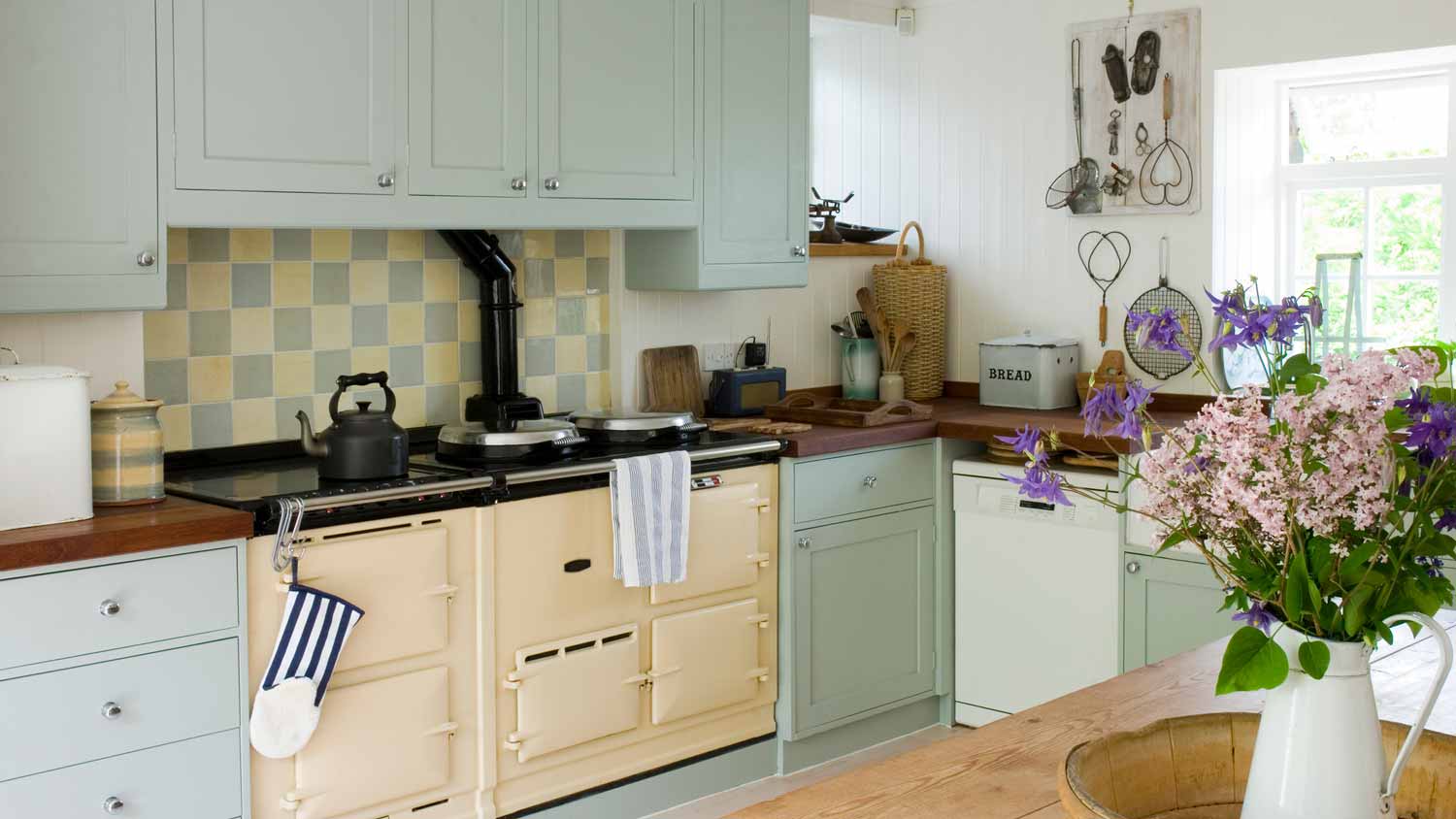
Is it time for new cabinet doors in your kitchen? Let’s explore the costs of new cabinet doors so you know exactly what to expect.
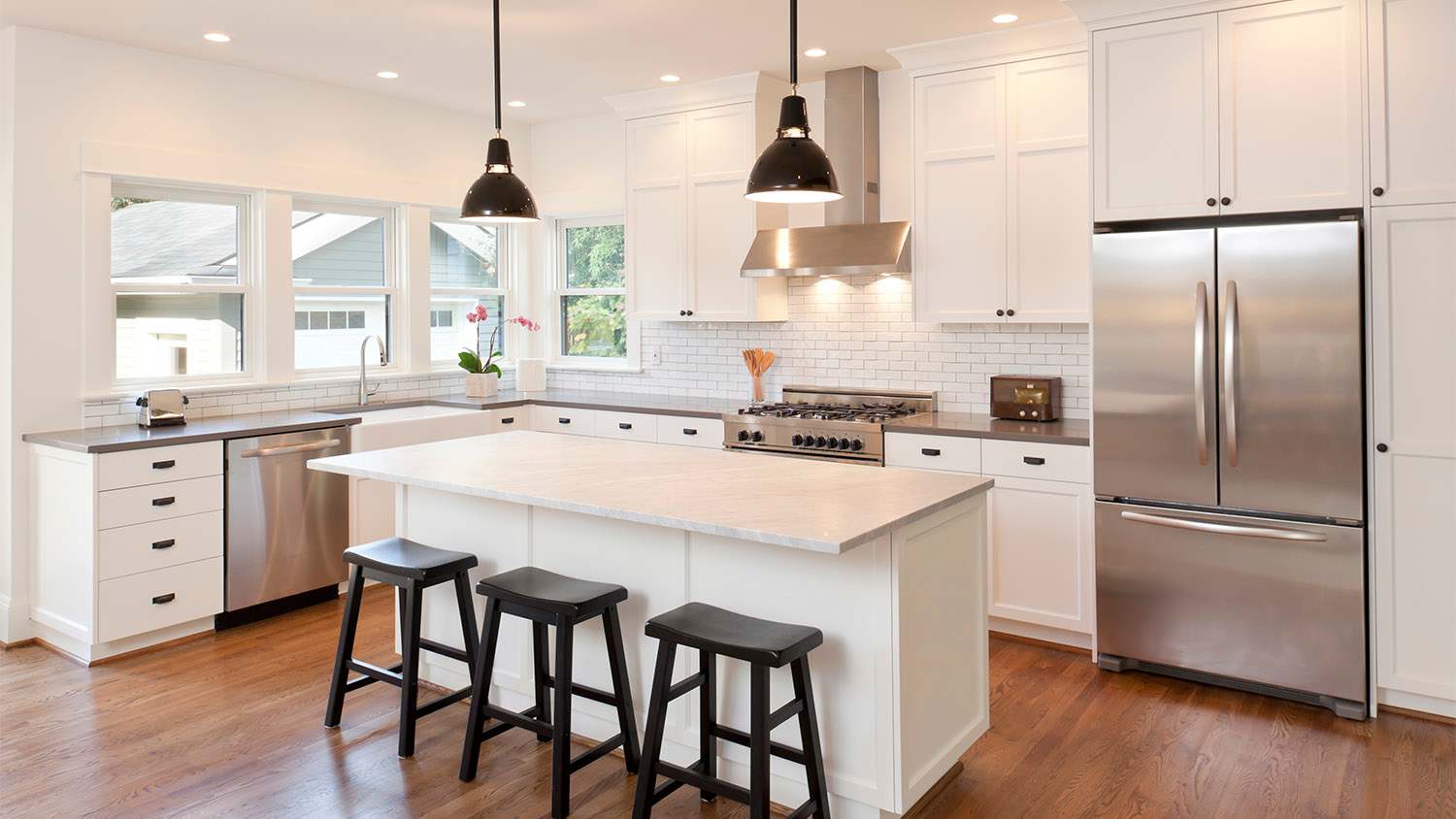
Deliberating for hours over the best kitchen cabinet hardware? When you understand the best style, placement, and finish, there's no way to go wrong.

Cabinet drawers can run into a variety of issues from jamming to falling apart. Our guide covers how to fix a cabinet drawer with the best ways to deal with common problems.
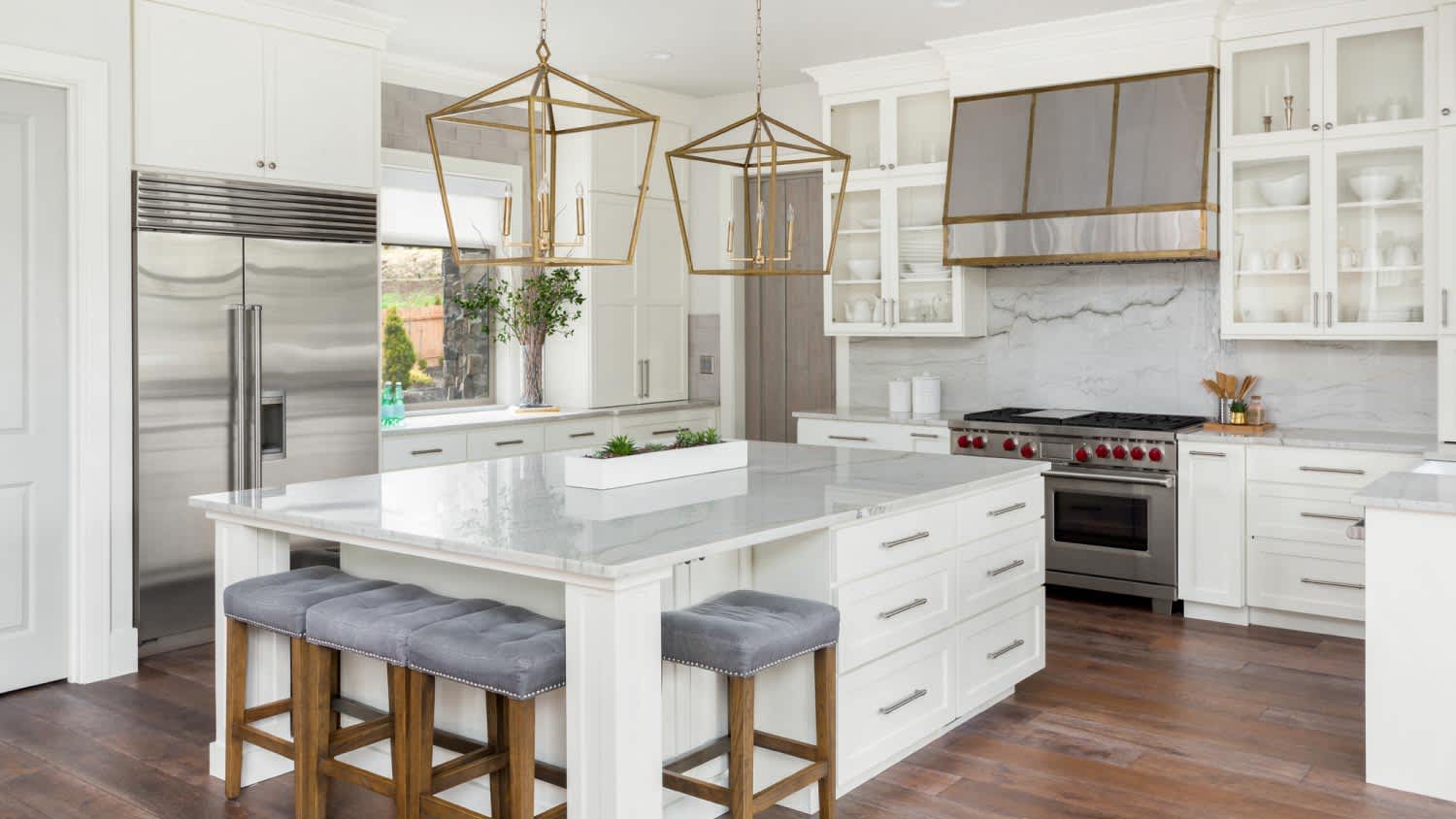
Picking the right handle or knob isn’t difficult if you know a bit about the most common kitchen cabinet hardware styles.