

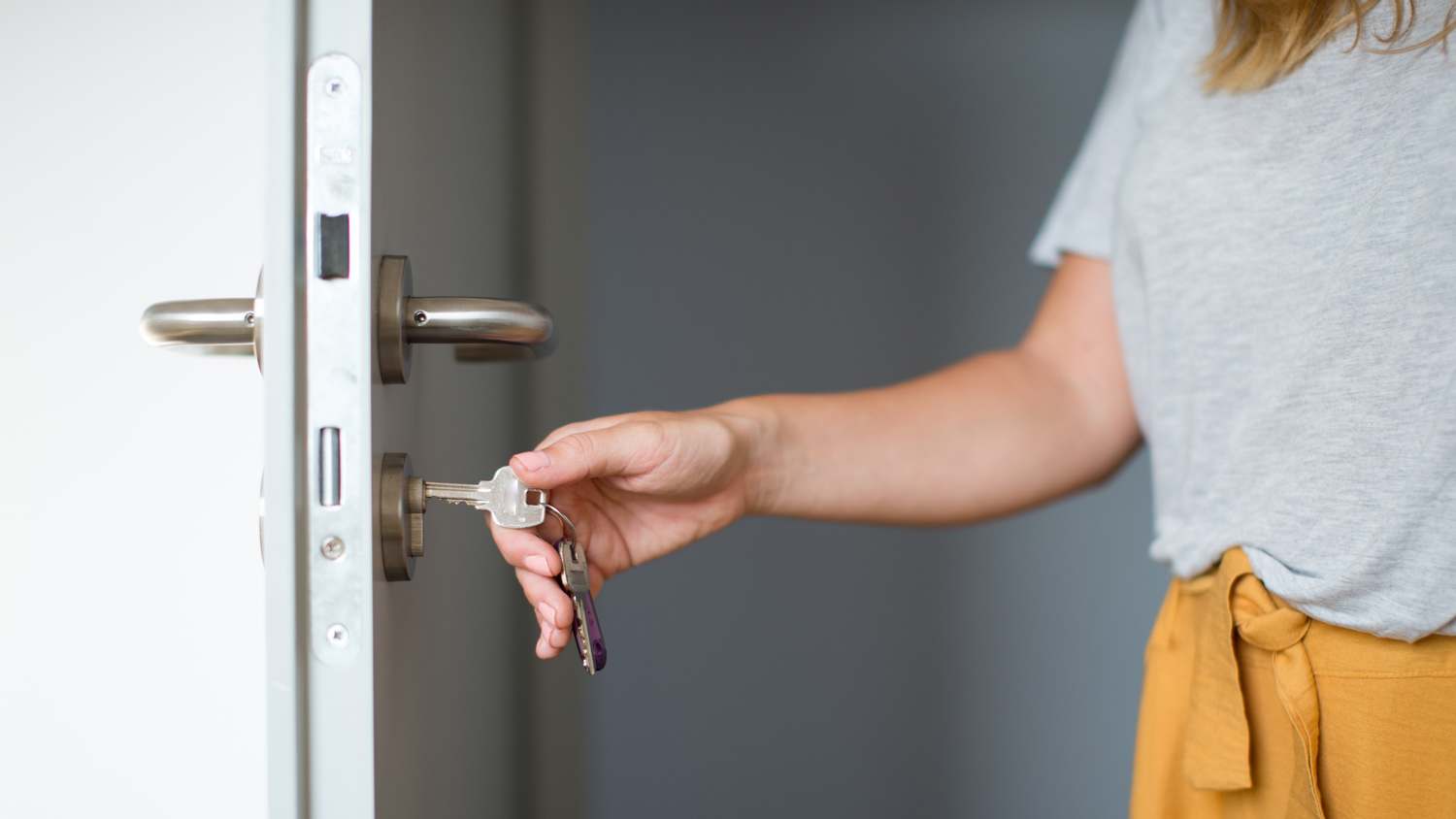
Each door lock has benefits, drawbacks, and uses. This guide covers 12 types of door locks, their attributes, and when to consider using them.
Something to latch onto

A latch on a door is the mechanical device that connects your door to the doorframe, keeping it securely closed when you push it shut.
Professional door latch installation costs range from $80 to $480, while hiring a pro for labor alone runs $50 to $200 depending on complexity.
Your latch choice depends on where you install it and the security level you need, from simple bolt latches to automatic deadlatches for entry doors.
Hiring a local door repair professional provides reliable help with latch installation and ensures your warranty stays valid, especially for electronic or smart lock systems.
Door latches are mechanical devices that join the door to a recess in the doorframe, ensuring that they’re securely connected. Of all the parts of a door, latches are ranked high in importance in terms of safety. There are plenty of door latch types that vary based on design, material, and more. Here are 11 types of door latches to choose between for your home, including bolt, spring, swinging, chain, flat, hook and eye, and magnetic latches.
Here are the outlet types you find in most U.S. homes:
15-amp, 120-volt (2-prong and 3-prong): The standard household outlet for lamps, TVs, and chargers.
20-amp, 125-volt: A higher-power outlet for kitchens, laundry rooms, and workshops.
240-volt (20-amp to 50-amp): A large-appliance outlet for dryers, ranges, and EV chargers.
GFCI: A shock-protection outlet for kitchens, baths, and other wet areas.
AFCI: A fire-protection outlet for bedrooms and living spaces.
Tamper-resistant: A child-safe outlet with internal shutters, now standard in new homes.
Weather-resistant: A corrosion-resistant outlet built for outdoor use.
Convenience types: Switched, combination, USB, smart, and rotating outlets.

Door latches, or door locks, secure a door in its closed position. They’re recessed into the door and engage with a strike plate in the doorframe. Some latches aren’t recessed and are faster and easier to install on the door and doorframe, but they aren’t as secure. The type of door latch you choose will depend on the level of security you need and where you’re installing it.

A bolt latch—also known as a latch bolt—is a simple type of door latch that consists of a single-throw bolt. When a door with a bolt latch is fully closed, only then can the bolt extend into the strike plate—a metal plate that is screwed into the doorframe and fits the bolt of a lock—and hold the door closed.
A bolt latch is often used in both residential and commercial properties. It can be used for doors, gates, and windows and is often used for latching doors in public bathroom stalls. When speaking with door installers near you, consider asking which latch type they recommend so you can decide if a bolt latch suits your needs.
| Pros | Cons |
|---|---|
| Easy to use | Easier to force open |
| Requires minimal setup, as there aren’t many parts | Door must be fully closed for it to work properly |

A spring latch is similar to a bolt latch, except it has a spring. Spring latches consist of a spring-loaded bolt with an angled edge. When a door with a spring latch is fully closed, the bolt automatically extends into the strike plate and holds the door closed. The bolt on a spring latch can be straight or L-shaped, but each functions the same.
A spring latch is used in various settings. While it can be used for doors, gates, and windows in your home, it is especially useful in agricultural and industrial settings as it’s quick to open and close and locks automatically. Additionally, it can be useful for cabinet doors that are frequently opened.
| Pros | Cons |
|---|---|
| Locks automatically | Prone to rust |
| Allows easy access with its simple mechanism | Can be difficult for children or people with disabilities to open |

While the name sounds similar to dead bolt, a dead bolt is different from a deadlatch. A deadlatch is sort of like a spring latch in that it includes a spring and locks automatically. But in this case, the deadlatch uses a bolt to rest against the metal strike plate to block the door from opening and closing.
A deadlatch is best for exterior doors, like your front door, as it adds an extra layer of security for your home’s immediate entry point. It’s compatible with different types of door locks, so you can use it in addition to what you already have.
| Pros | Cons |
|---|---|
| Locks automatically | Locks automatically |
| Provides extra security | It’s possible to get locked out if the door shuts when you don’t have your keys |

A swinging latch is a push-to-close style latch that automatically locks when the door is shut. It has a spring mechanism that keeps the bolt in an extended position to keep the door secure. A swinging latch can come in the form of a bar latch or hook latch, depending on your preference.
Of all the door latch types, a swinging latch is ideal if you have a wooden or metal swinging door. Many add a rustic aesthetic, so using it on a door that fits that style might be worth trying.
| Pros | Cons |
|---|---|
| Adds aesthetic appeal | Susceptible to forced entry |
| You can use a padlock to secure a swinging latch | Can be a safety hazard if installed incorrectly, as doors and gates could swing open |

A chain latch uses a chain to keep a door securely closed. For this type of door latch, one side of the chain is attached to the door, and the other is attached to the strike plate. When the door is closed, the chain tightens. A chain latch allows you to open the door slightly even when the chain is engaged, should you want to answer the door but have an extra layer of protection.
A chain latch is best for an exterior door. It adds an extra layer of protection to an entry point and allows for a buffer between unlocking and opening a door.
| Pros | Cons |
|---|---|
| Easy to use | Uses short screws that can come off easily |
| Simple installation | Can be difficult to remove or replace the chain for people with disabilities |

A gravity latch works with a metal plate or bar that attaches to a doorframe and lands within the corresponding strike plate via the force of gravity—hence the name. This latch includes a mechanism that allows it to be released when pressure is applied, making it easy to open and close.
A gravity latch is best for places where a traditional handle, such as a doorknob, doesn’t fit. It’s often used for outdoor gate latches, barn doors, or doors in commercial settings where hygiene is prioritized, given that it limits the need to touch door handles.
| Pros | Cons |
|---|---|
| Budget-friendly | Can only be operated from one side |
| Installation is flexible depending on the door you’re using it for | You need to purchase a separate padlock to secure the door further |

A tubular latch is the most common type and is likely the mechanism your interior doors use to open, close, and lock. Tubular latches slide through the hole cut into the edge of the door—called the cross bore—that meets the hole in the door where the doorknob will go—called the bore hole. The latch is spring-loaded and when it hits the strike plate mounted on the doorframe, it retracts before securing itself in the frame.
Because this is a standard type of door latch, it’s frequently used as the main mechanism for opening, closing, and locking interior and exterior doors.
| Pros | Cons |
|---|---|
| Standard on many types of doors | Difficult to install if the hole isn’t precut |
| Can be paired with a locking doorknob or lever for more security | Doesn’t offer a high level of security |
A flat latch functions like a tubular latch and is also recessed into the door, but the mechanism is encased in a box and has a spring action. These latches are more durable than tubular latches, so they’re used on interior doors, especially if they’re frequently used.
This type of door latch is best for internal doors that see a high level of traffic. It’s also a good choice for heavy-duty doors that need a more durable latch.
| Pros | Cons |
|---|---|
| More durable than other types of door latches | More challenging to install |
| All of the mechanisms are in one box | Not common in residential doors |

A rim latch is installed on the exterior of a door with a strike plate installed on the adjacent doorframe. This type of latch engages when it comes into contact with the strike plate, and it’s operated with a key or a smaller knob.
A rim latch is best when you need to install a door lock quickly, as it doesn’t require creating a recess in the door like a tubular or flat latch.
| Pros | Cons |
|---|---|
| Easy installation | Doesn’t offer enough security for an exterior door |
| Can be locked or unlocked from both sides of the door | If the screws used to install it are short, it may become loose |

A hook and eye latch consists of an eye on the doorframe and a hook on the door itself. This latch is often used on barn doors or gates. It’s not intended for strong security but keeps a door or gate closed without installing a more complicated door latch.
This type of door latch is best for keeping doors closed or adding a modest layer of security to a bedroom or bathroom door. It’s also a good solution for keeping a gate or outdoor door closed.
| Pros | Cons |
|---|---|
| Simple installation | Not intended as a security lock |
| Keeps doors closed | Can become loose over time |

Magnetic door latches are used in commercial applications, though they also work on residential doors. They work via a magnetic connection that locks the door. The magnet can be attached to the top of the door or the edge of the door, and when it comes into contact with a metal piece attached to an adjacent surface, it will lock when the magnetic field is activated.
High-security buildings or commercial buildings often use magnetic door latches for additional protection. They work well on doors that need to be locked and unlocked automatically, such as security gates or automatic doors.
| Pros | Cons |
|---|---|
| Provides a high level of security | Not common in residential applications |
| Can be locked and unlocked automatically | Not the standard lock that homeowners are used to |
Door hardware installation, including a door latch, can range anywhere from $80 to $480, depending on the complexity of the latch you choose. For example, you'll pay on the lower end for a simple swinging latch, while a spring latch will cost more.
Expect your local door repair pro to charge between $50 and $200 to install or replace hardware like a door latch. You can save on labor by installing the latch yourself since many only require basic tools like a screwdriver or electric drill. For example, you'll pay as little as $40 for the hardware needed for a dead bolt.
However, you should hire a pro to install an electronic latch or smart lock. Professional installation will ensure it works properly and remains covered by your warranty.
Terrible experience. Walls/trim/floors/cabinets/doors all have drip marks, overspray, etc. Tiling at the fireplace had to be redone by another vendor due to incorrect and shoddy install by Profect. Contractor had his children in our house while he was on site without prior authorization or...
 Profect painting & exteriors
Jason has helped me with multiple household projects, with the most recent being new door installation. He has always showed up on time and organized and has done an incredible job! Jason is very professional and he's now my go-to for anything around my house that needs to be fixed or...
 Huff Garage Rescue, LLC
Company came to look at my garage door that was off track. They also said I needed a brace on the other garage door. They put the door back on track, and I paid to install the brace. The technician told me I needed a new garage door opener, and it would cost $1000. Red flags went off in...
 Precision Overhead Garage Door Service
On Sunday 2/26 I requested quotes via Angi from 4 refrigerator repair businesses. Northwest Appliance responded to me Monday morning (2/27) and my refrigerator was repaired by noon the same day. Great communication, they did everything they said they would. The technician had the parts on...
Excellent customer service and knowledge. I was recommend to him from my neighbour. My front door and window came in great and were installed beautifully perfectly, I m very satisfied with their excellent work, so decided to order one more big bow window for my living room. I cant wait for...
 Window Depot USA of Central Ohio
Called ahead and worked quickly to install keyless locks on vintage wooden doors.
 Expert Lock and Key, LLC
Scott did not get appropriate access to the property prior to the scheduled inspection which required us to come back later in the day to complete it. He also, unprofessionally, knocked on a neighbor?s door in his attempts to reach someone with access. His overall report was fine though the...
 Security First Home Inspections
Door Depot was very responsive - they came out the day after my call to assess my needs, then returned at my convenience to complete the work. They arrived early, and the work was completed in a shorter period of time than estimated. Very pleased with the results. I would definitely use them...
 Door Depot LLC
Replace garage doors: Fast response, competitive estimate, timely work done well.
 Village Garage Door
Jeremiah did an awesome job cleaning 28 windows inside and out! He was fast, efficient and now I have a beautiful view again. This was a Groupon for $139 for 20 windows, but I had 28 windows/doors cleaned, so there was an extra $6 per window. Totally worth it.
 Complete Home Services
From average costs to expert advice, get all the answers you need to get your job done.
Each door lock has benefits, drawbacks, and uses. This guide covers 12 types of door locks, their attributes, and when to consider using them.
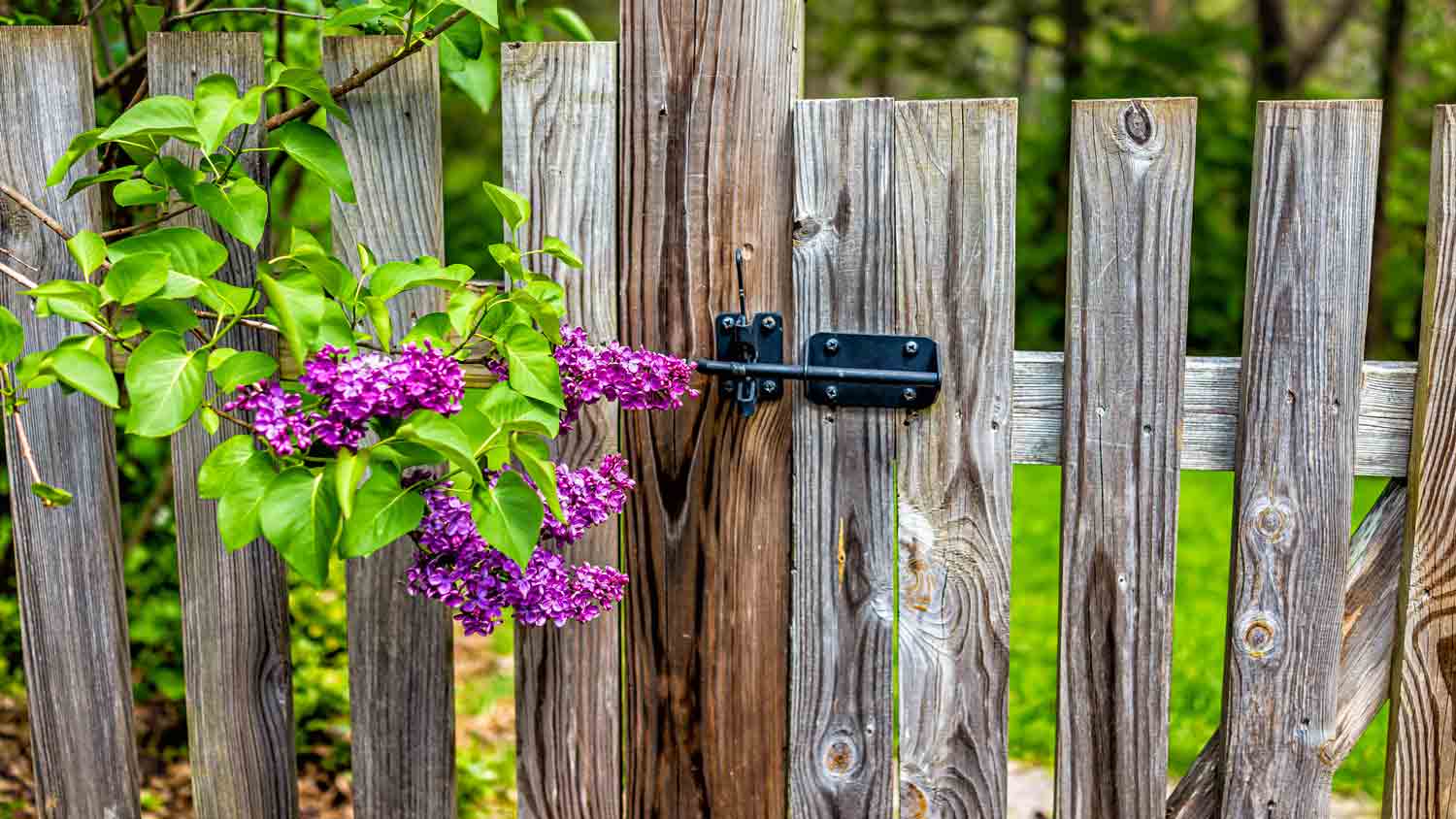
There are many gate latch types available. This guide breaks them down to help you choose the best latch for your gate type, use, and look.
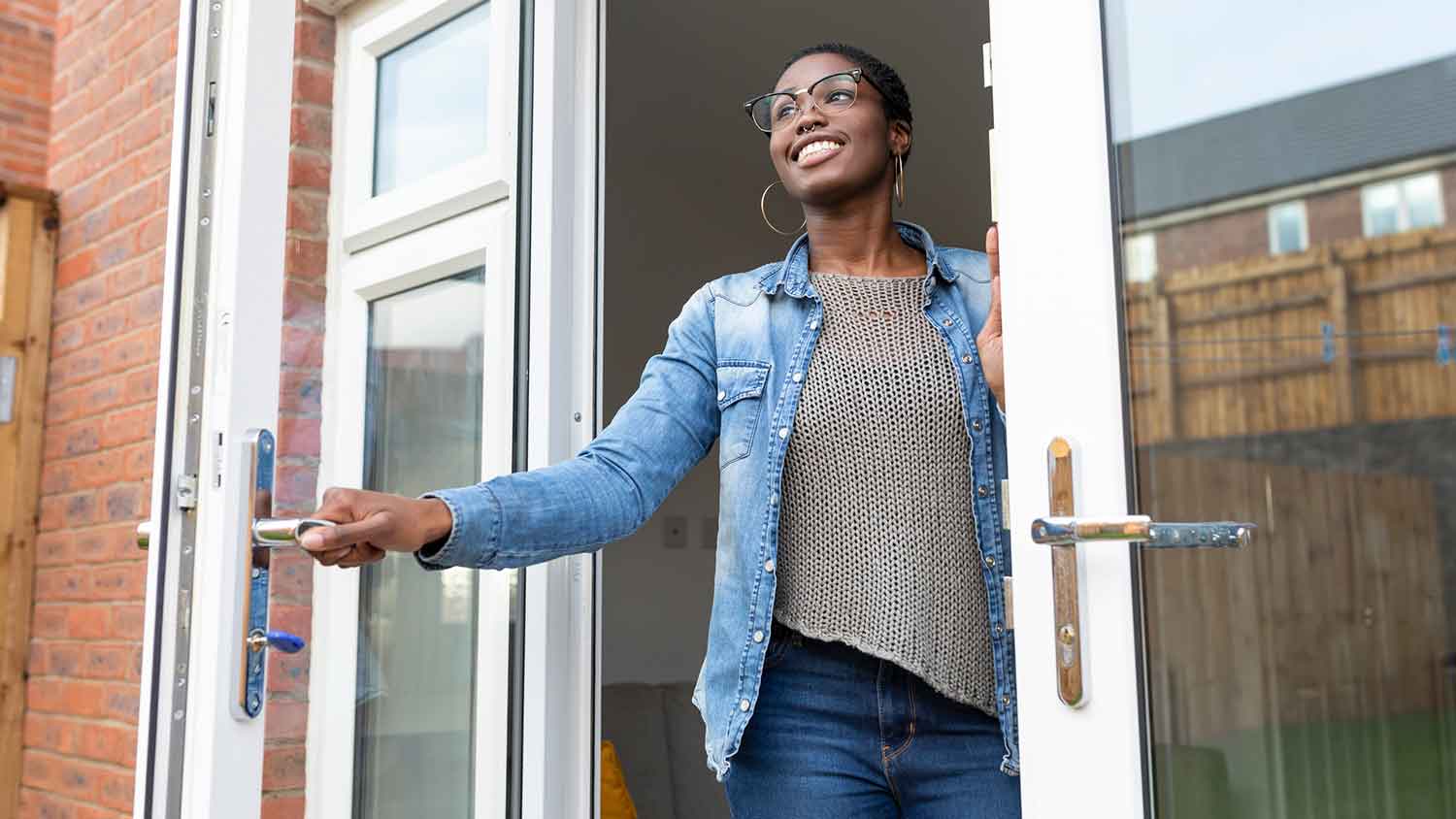
What are the retractable latches on a frame door for? Unlike sliding doors, frame doors have a piece of metal that holds them in place. Here’s how it works.
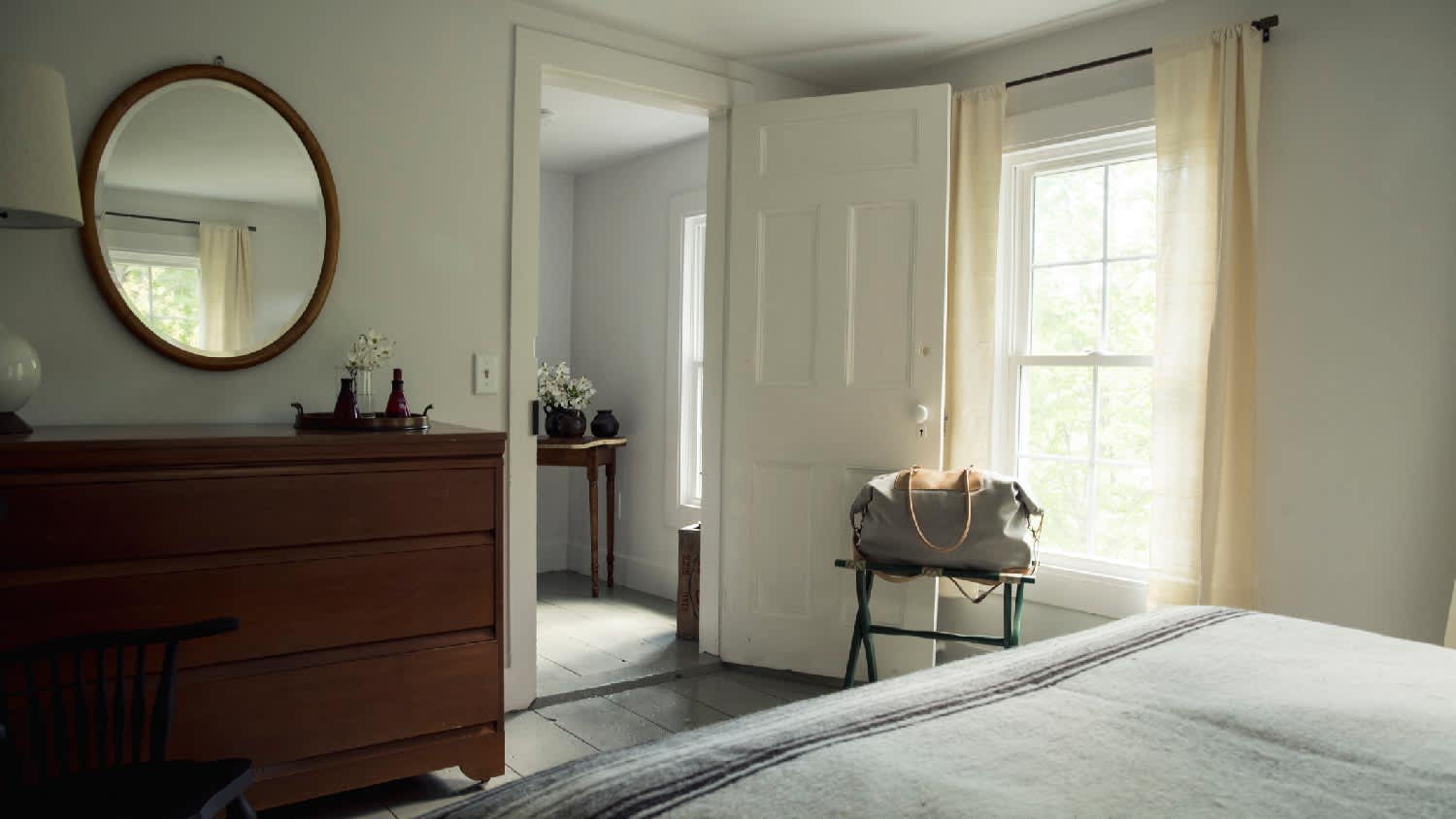
There are many types of interior doors, from swinging to folding and sliding. This article breaks down each to help you find the right door for your needs.
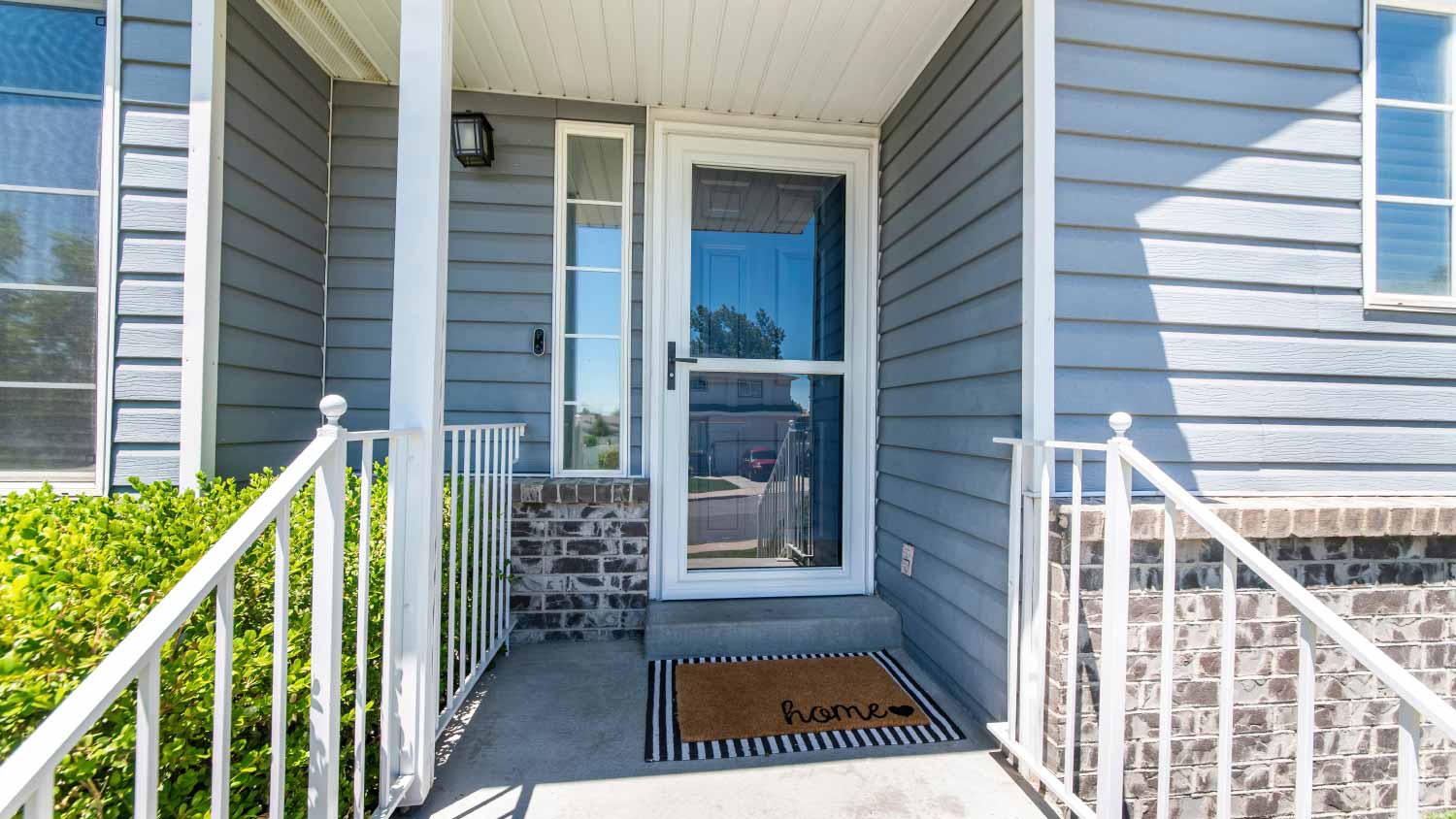
Learn the four storm door handle types, how to identify yours, and how to find a replacement handle that fits your door's mount type, spacing, and thickness.
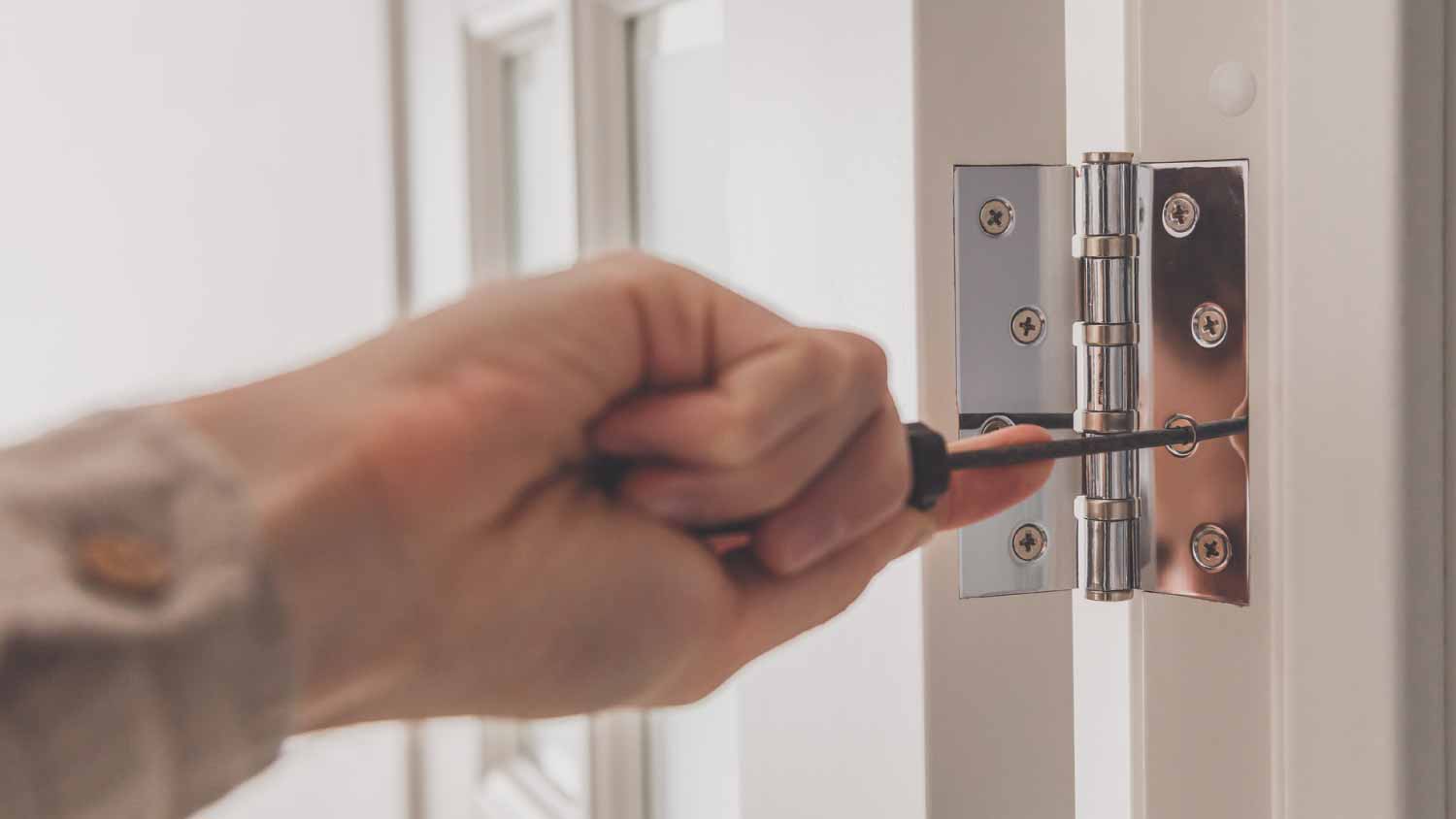
We’ve compiled the pros and cons and best uses for the nine most common types of hinges to make your hinge shopping experience as smooth as possible.