

Love the rustic look of log cabins but want a more durable siding? Use this vinyl log siding cost guide to see if this is a good alternative for your home.
Replacing or installing new siding costs $11,576 on average, or $5,563 to $17,703 for materials and installation. The cost to re-side your house depends on the quality of siding, house size, and more.


Square footage is a common way to calculate the cost of replacing siding on your home, both when it comes to materials and labor prices.
Aluminum, vinyl, wood, fiber cement, stone, and brick are popular home siding materials, with stone being the most expensive.
Contractors have to obtain permits to replace home siding, which costs between $150 and $1,500, depending on the project size.
Additional repairs increase costs if they come up during the residing process, particularly when working with older homes or homes with previous water damage.
Home is the most important place on earth, which is why Angi has helped more than 150 million homeowners transform their houses into homes they adore. To help homeowners with their next project, Angi provides readers with the most accurate cost data and upholds strict editorial standards. We’ve surveyed over 10,000 real Angi customers about their project costs to develop the pricing data you see, so you can make the best decisions for you and your home. We pair this data with research from reputable sources, including the U.S. Bureau of Labor Statistics, academic journals, market studies, and interviews with industry experts—all to ensure our prices reflect real-world projects.
Want to help us improve our cost data? Send us a recent project quote to [email protected]. Quotes and personal information will not be shared publicly.
Home is the most important place on earth, which is why Angi has helped more than 150 million homeowners transform their houses into homes they adore. To help homeowners with their next project, Angi provides readers with the most accurate cost data and upholds strict editorial standards. We’ve surveyed over 10,000 real Angi customers about their project costs to develop the pricing data you see, so you can make the best decisions for you and your home. We pair this data with research from reputable sources, including the U.S. Bureau of Labor Statistics, academic journals, market studies, and interviews with industry experts—all to ensure our prices reflect real-world projects.
Want to help us improve our cost data? Send us a recent project quote to [email protected]. Quotes and personal information will not be shared publicly.
| Home Size (Sq. Ft.) | Average Cost for Siding (Vinyl, Wood, Aluminum, Fiber Cement) | Average Cost for Brick or Stone Siding |
|---|---|---|
| 1,000 | $1,000–$13,500 | $9,000–$50,000 |
| 1,500 | $1,500–$20,250 | $13,500–$75,000 |
| 2,000 | $2,000–$27,000 | $18,000–$100,000 |
| 2,500 | $2,500–$33,750 | $22,500–$125,000 |
| 3,000 | $3,000–$40,500 | $27,000–$150,000 |
Home is the most important place on earth, which is why Angi has helped more than 150 million homeowners transform their houses into homes they adore. To help homeowners with their next project, Angi provides readers with the most accurate cost data and upholds strict editorial standards. We’ve surveyed over 10,000 real Angi customers about their project costs to develop the pricing data you see, so you can make the best decisions for you and your home. We pair this data with research from reputable sources, including the U.S. Bureau of Labor Statistics, academic journals, market studies, and interviews with industry experts—all to ensure our prices reflect real-world projects.
Want to help us improve our cost data? Send us a recent project quote to [email protected]. Quotes and personal information will not be shared publicly.

Home is the most important place on earth, which is why Angi has helped more than 150 million homeowners transform their houses into homes they adore. To help homeowners with their next project, Angi provides readers with the most accurate cost data and upholds strict editorial standards. We’ve surveyed over 10,000 real Angi customers about their project costs to develop the pricing data you see, so you can make the best decisions for you and your home. We pair this data with research from reputable sources, including the U.S. Bureau of Labor Statistics, academic journals, market studies, and interviews with industry experts—all to ensure our prices reflect real-world projects.
Want to help us improve our cost data? Send us a recent project quote to [email protected]. Quotes and personal information will not be shared publicly.
| Siding Material | Cost per Sq. Ft. | Lifespan |
|---|---|---|
| Vinyl | $3–$12 | 20–40 years |
| Stucco | $7–$9 | 50+ years |
| Wood | $1–$15 | 20–40 years |
| Engineered Wood | $1–$6 | 20–40 years |
| Aluminum | $3–$6 | 20–40 years |
| Steel | $4–$16 | 50 years |
| Fiber Cement | $5–$14 | 50 years |
| Brick | $10–$20 | 100+ years |
| Brick Veneer | $3–$10 | 70–100 years |
| Stone | $7–$30 | 100+ years |
| Stone Veneer | $5–$11 | 20–75 years |
Home is the most important place on earth, which is why Angi has helped more than 150 million homeowners transform their houses into homes they adore. To help homeowners with their next project, Angi provides readers with the most accurate cost data and upholds strict editorial standards. We’ve surveyed over 10,000 real Angi customers about their project costs to develop the pricing data you see, so you can make the best decisions for you and your home. We pair this data with research from reputable sources, including the U.S. Bureau of Labor Statistics, academic journals, market studies, and interviews with industry experts—all to ensure our prices reflect real-world projects.
Want to help us improve our cost data? Send us a recent project quote to [email protected]. Quotes and personal information will not be shared publicly.
| City | Average Cost |
|---|---|
| Boston, MA | $9,800–$24,300 |
| New York City | $8,300–$20,500 |
| Chicago, IL | $6,700–$18,700 |
| Los Angeles, CA | $3,200–$10,100 |
| Des Moines, IA | $7,600–$12,900 |
| Denver, CO | $7,000–$19,200 |
| Miami, FL | $1,800–$6,300 |
Home is the most important place on earth, which is why Angi has helped more than 150 million homeowners transform their houses into homes they adore. To help homeowners with their next project, Angi provides readers with the most accurate cost data and upholds strict editorial standards. We’ve surveyed over 10,000 real Angi customers about their project costs to develop the pricing data you see, so you can make the best decisions for you and your home. We pair this data with research from reputable sources, including the U.S. Bureau of Labor Statistics, academic journals, market studies, and interviews with industry experts—all to ensure our prices reflect real-world projects.
Want to help us improve our cost data? Send us a recent project quote to [email protected]. Quotes and personal information will not be shared publicly.
| Factor | Repair | Replacement |
|---|---|---|
| Repair cost vs. new siding | Repair cost is less than 50% of the replacement cost | Repair cost is more than 50% of the replacement cost |
| Siding age | Less than 20 years | More than 20 years |
| Extent of damage | Localized damage | Widespread damage |
| Moisture intrusion | Isolated moisture intrusion | Widespread moisture intrusion |
Home is the most important place on earth, which is why Angi has helped more than 150 million homeowners transform their houses into homes they adore. To help homeowners with their next project, Angi provides readers with the most accurate cost data and upholds strict editorial standards. We’ve surveyed over 10,000 real Angi customers about their project costs to develop the pricing data you see, so you can make the best decisions for you and your home. We pair this data with research from reputable sources, including the U.S. Bureau of Labor Statistics, academic journals, market studies, and interviews with industry experts—all to ensure our prices reflect real-world projects.
Want to help us improve our cost data? Send us a recent project quote to [email protected]. Quotes and personal information will not be shared publicly.
Home is the most important place on earth, which is why Angi has helped more than 150 million homeowners transform their houses into homes they adore. To help homeowners with their next project, Angi provides readers with the most accurate cost data and upholds strict editorial standards. We’ve surveyed over 10,000 real Angi customers about their project costs to develop the pricing data you see, so you can make the best decisions for you and your home. We pair this data with research from reputable sources, including the U.S. Bureau of Labor Statistics, academic journals, market studies, and interviews with industry experts—all to ensure our prices reflect real-world projects.
Want to help us improve our cost data? Send us a recent project quote to [email protected]. Quotes and personal information will not be shared publicly.
From average costs to expert advice, get all the answers you need to get your job done.
Love the rustic look of log cabins but want a more durable siding? Use this vinyl log siding cost guide to see if this is a good alternative for your home.

The stone veneer siding cost you’ll pay depends significantly on materials and local labor costs. Learn more about factors that affect the project’s cost.
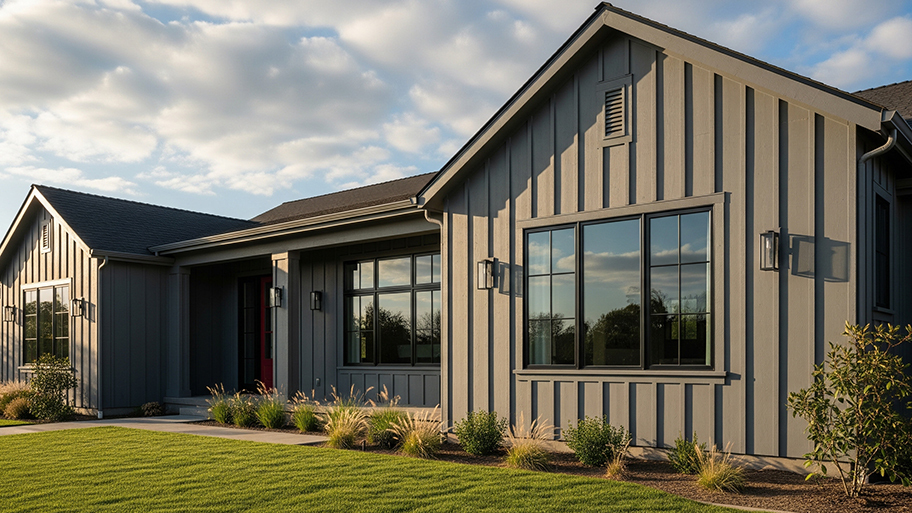
How much does board and batten siding cost? Our cost guide breaks down material and labor costs and offers tips to save money on your new siding.
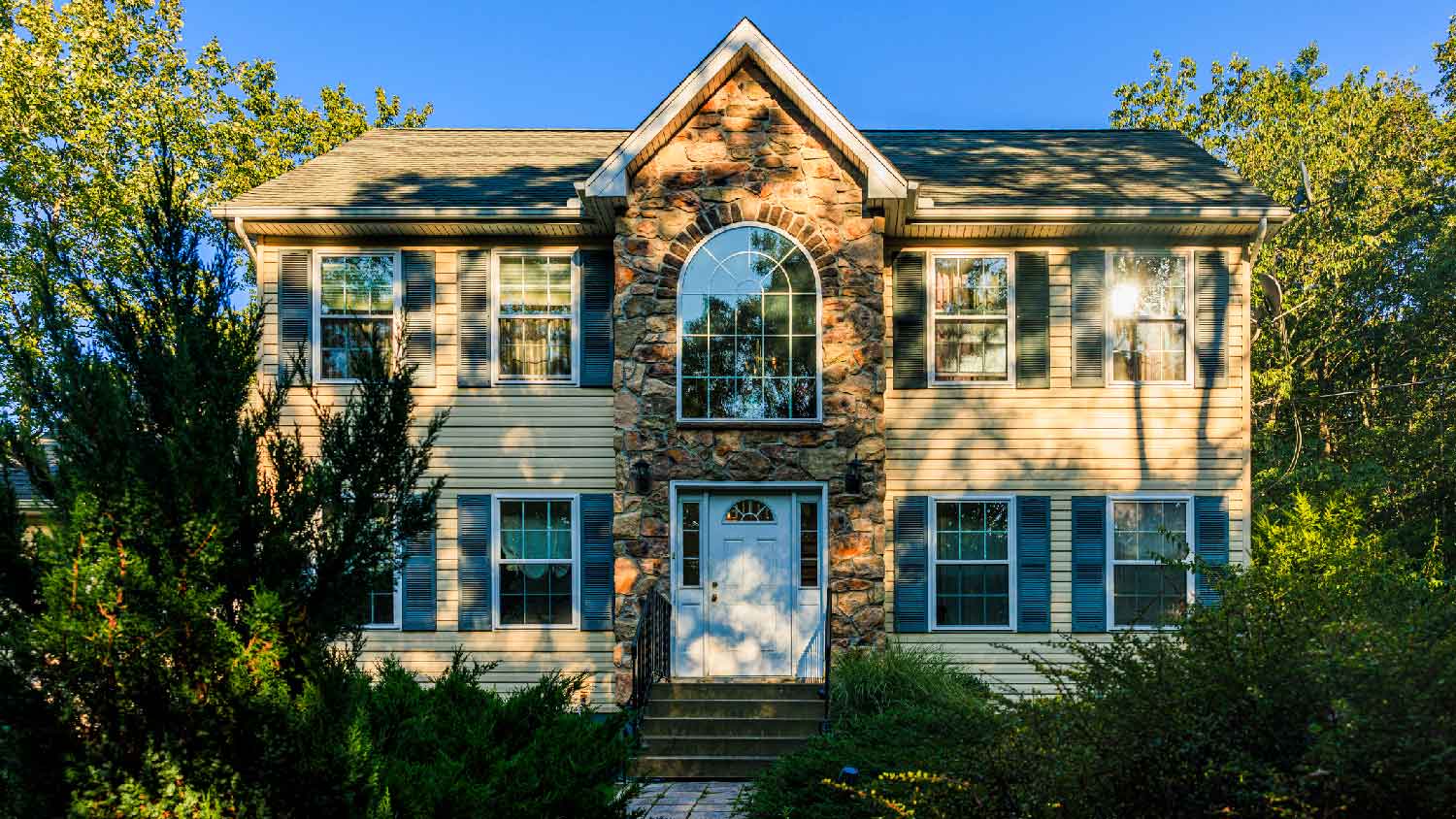
Confused by the differences between cladding vs. siding? You’re not alone. The terms are used interchangeably, but there are some subtle differences.
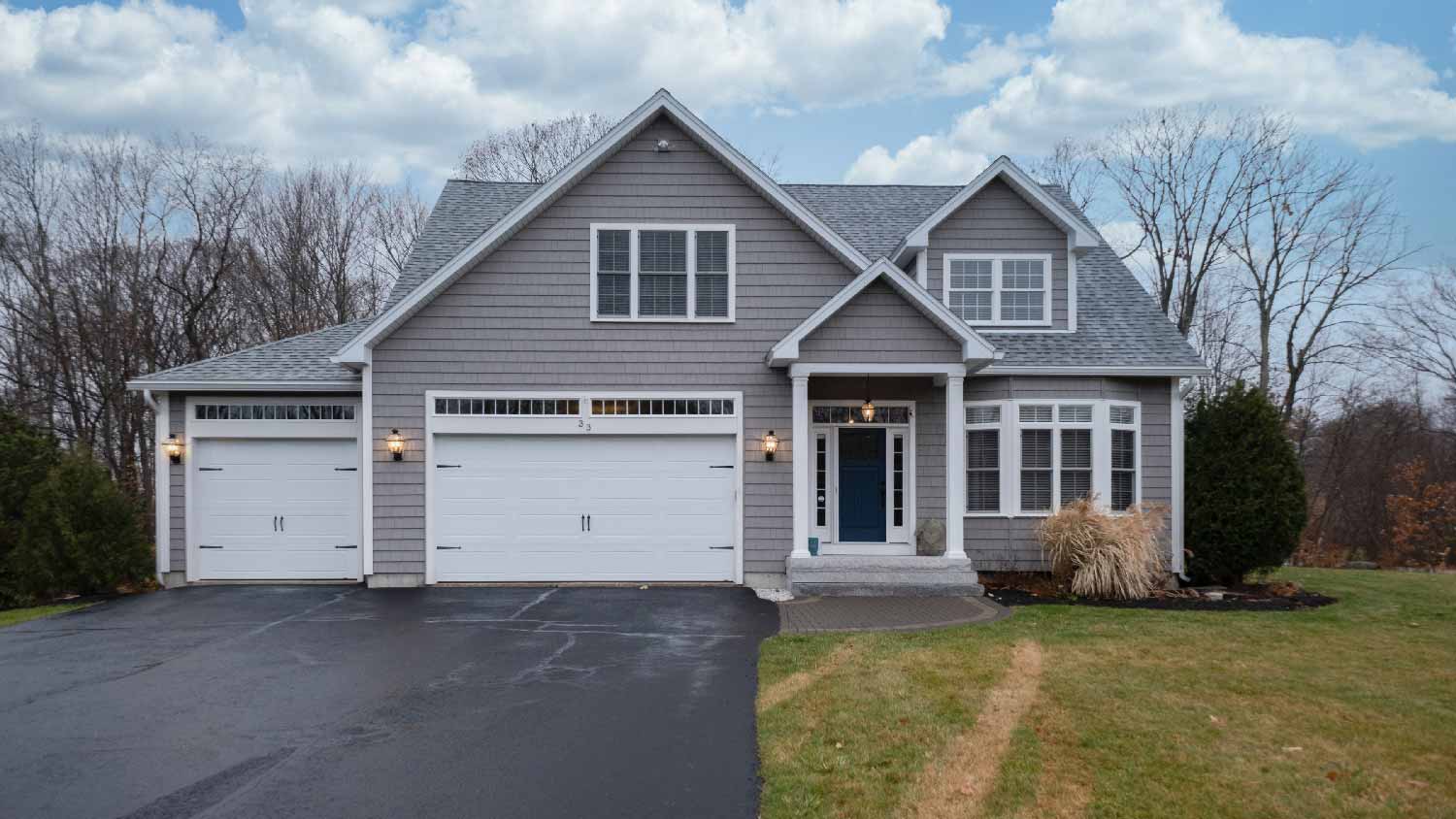
Damaged siding doesn’t always mean you need a full replacement. Learn when you can do a partial siding replacement and some problems that may arise.
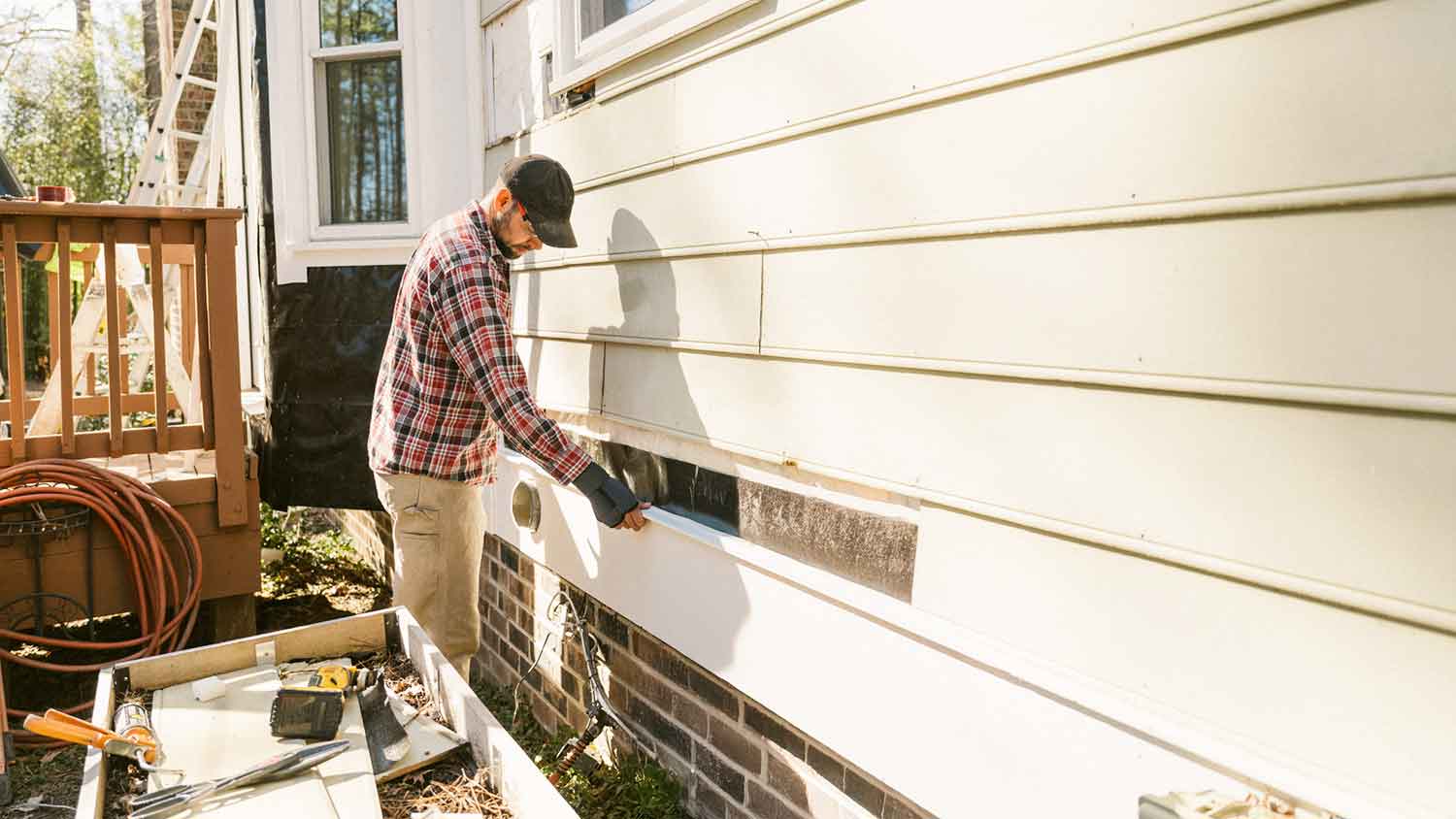
Discontinued siding can make repairs or replacement difficult. Learn how to tell if your siding is discontinued and how to avoid siding replacement issues.