

Fleas and gnats can bite, spread disease, and harm your produce. Learn how to tell flea vs gnat so you can get rid of them—and prevent them from returning.
Fleas might not fly, but they sure can jump

Fleas can't fly because they have no wings, but they jump up to 200 times their body length to reach your pets or you.
Expect to pay $75 to $400 for professional flea extermination, so addressing an infestation early helps you avoid higher costs and rapid spreading.
Wash your pets with flea shampoo, vacuum your entire home several times, and steam clean carpets to eliminate fleas from your living spaces.
Hiring a local bug company provides thorough treatment when you spot fleas, helping eliminate infestations and prevent them from returning to your home.
Fleas have been around for 50 million years, and they’re probably not going anywhere soon. A female flea can lay 40 eggs in a day, they’re really hard to get rid of, and despite their poor eyesight, they’re pros at finding their prey.
But do fleas fly? Believe it or not, these highly successful pests can’t fly because they don’t have wings. Instead, fleas get around by jumping—really high—onto their prey.
Fleas are a blood-sucking parasite that prey on mammals like cats, dogs, pigs, rodents, and even humans. Although they don’t live long (fleas have a two- to three-month lifespan), they’re highly prolific pests.
Fleas spread germs and diseases to your pets and, in a pinch, to humans, too. It’s important to call an insect control company near you at the first sign of fleas on your pet or in your home. Left untreated, flea infestations can grow rapidly.
Fleas cannot fly. In fact, fleas don’t even have wings, but their ancestors likely did. Scientists believe modern fleas evolved from winged scorpionflies, which look as terrifying as they sound.
Although fleas lost their wings somewhere on their evolutionary journey, they do just fine without them. Instead of wings, fleas rely on powerful back legs and energy stored in blocks of resilin in their thoraxes. This allows some flea species to jump up to 200 times their own body length.
For comparison, that’s the equivalent of a six-foot-tall human jumping higher than the Eiffel tower.

So if fleas don’t fly, what’s their primary way of getting around? These parasites actually have a few tricks up their sleeve.
Fleas commonly get around by jumping, crawling, and, of course, riding on their hosts.
Adult fleas jump to great heights (from the flea’s perspective, at least) to reach their prey: dogs, cats, rodents, pigs, and humans, depending on the type of flea. These insects watch for moving shadows and detect body heat to figure out where their prey might be—and then quickly jump to latch on.
Though fleas jump tremendous distances to reach their prey, they don’t need to jump once on their host. Instead, they move by crawling around on their newly secured surface. Fleas can scurry fast, which makes it hard for humans to successfully pick them off their pets.
Flea larvae also crawl after hatching, as they cannot jump at this point. Fleas typically lay the eggs on the host so that the larva can feed on blood and flea feces. Eggs may fall off the animal, however, leaving flea larvae to hatch in your carpet and bedding, if inside.
Once on their animal host, fleas usually do not leave—and why would they when food and shelter are so readily available?
But fleas might also travel by riding “temporary hosts.” For instance, fleas might hitch a ride on your pant legs or shoes from outside until they can find a newer, better host, like your pet.
Fleas can spread disease through their bites. They also pose a secondary threat: Flea bites are itchy, so when the host scratches itself, the skin might break open, allowing flea feces (called “flea dirt”) to enter and further contaminate the host.
Fleas can transmit a wide range of diseases to animals and humans. Dogs and cats can get tapeworm infestations, anemia, and Bartonellosis. Humans are also at risk of tapeworms, typhus, and the plague.
In fact, fleas along with rats were responsible for spreading the bubonic plague, also known as the Black Death, in the 1300s. An estimated 25 million European people died from this disease.
Act quickly if you notice a flea on your pet. And don’t just assume that pulling the flea off your dog or cat and flushing it down the toilet will do the trick.
If you find one flea on your pet, there are likely plenty more—either in their fur or throughout your home, infesting your carpet, bedding, clothes, and rugs.
Here’s what to do:
Bathe your pets: Always keep your bathroom stocked with a special flea shampoo, just in case. Using this shampoo, wash any animals in your home, whether you saw fleas on them or not—If one pet has fleas, the rest likely do, too. Once you're sure your pets are flea-free, transport them to a friend’s house. They’ll need to stay out of the house until you’re sure you’ve killed every last flea.
Clean like there’s no tomorrow: Seriously, don’t underestimate how much cleaning you need to do to get rid of fleas. Start by washing all your linens, including sheets, blankets, and pillowcases. This goes for blankets and pillows on couches and chairs, too. Then vacuum the entire house, even your mattress and furniture, several times to be safe. You’ll also need to steam clean your carpets and take the carpet cleaner to all of your cloth furniture, for good measure.
Set up traps: To be extra certain the fleas are gone, set up commercial traps to bait and kill any remaining fleas. If you’d prefer, you can try natural ways to kill fleas, including diatomaceous earth. Don’t just focus on the interior of your home. If your dog or cat picked up fleas from your yard, you should also treat all outside areas.
Hire an exterminator: For particularly bad infestations, hire a professional. Flea exterminators cost between $75 and $400, and they can do a much more thorough job of catching and killing every last bug.
Getting rid of fleas at the first sign of an infestation is crucial, but your work in the fight against these parasites should start even sooner.
If you have pets, make sure they’re on a year-round flea preventative. Discuss options with your vet; they may be able to recommend natural flea repellents if you’d prefer. Regularly brush and bathe your pets, and keep up with chores like vacuuming and carpet cleaning.
As a preventative measure in the spring and summer months, you can also spray down your yard to kill any fleas that might be lurking outside. Staying on top of yard maintenance—clearing up brush in the fall, keeping your lawn short, and keeping a lid on your compost—can also discourage fleas from taking up residence outside your home.
A reliable team for moves across state. My switch to a new place needed careful lifting through tight hallways. The movers checked the doorway first, then carried heavier pieces with slow, controlled movements. Their patience helped prevent damage, and I?d choose them again.
This company does it right. Firstly, I want to say that Landan was a joy to work with. He was so kind, transparent, and had everything under control. His entire team showed up ready to work and they were all very respectful of the fact that we were in an office space. A little backstory – we...
 Krumlauf Floors
I had FabClean 614 clean my apartment, and she did an outstanding job. She was so professional and efficient. My apartment looks absolutely spotless every surface, every corner, all cleaned to perfection. Definitely highly recommend FabClean 614 if you're looking for top-notch cleaning...
 Fab Clean 614
Raven and crew does absolutely fantastic job. They are very professional if any concerns were to occur with any of her work she always took responsibility and finished out with a great job. I have worked with her business for a year and have always been satisfied. Very trusted business and...
 Creations of Transformation LLC
I would recommend this company to anyone! He showed up on time, was friendly, completed a very difficult repair on our dryer vent cover, was responsive, and pricing was extremely fair and competitive. I would have him back to do any of our repairs or cleanings without hesitation!
 U.S.A. Dryer Vent, LLC
Best cleaning I've had at my property
Ace Fireplace Services' chimney sweep service is truly exceptional. They used advanced technology to ensure a thorough cleaning process, and my chimney has never looked better. I highly recommend their services.
 Ace Fireplace Services
This company went above and beyond with their work, chimney sweeps are usually pretty messy, but the clean up was spot on.!! Josh explained every thing that he was doing, and the things that he was checking to make sure the chimney was safe for me and my family. He was very professional,...
 Supreme brick & chimney
Good workers and they do a good job.
 Mira Construction
Mary Cleaning Service is fantastic! The entire team is professional and pay a great deal of attention to detail. They do such a thorough job of cleaning my house. I would definitely recommend!
From average costs to expert advice, get all the answers you need to get your job done.
Fleas and gnats can bite, spread disease, and harm your produce. Learn how to tell flea vs gnat so you can get rid of them—and prevent them from returning.

Fleas can carry and spread diseases to your and your family, including your pets. Arm yourself with the knowledge to fight and prevent these pesky insects.

Fighting fleas in your home can seem like a never-ending battle for pet owners. But where do fleas hide? Don't let them outsmart you again.
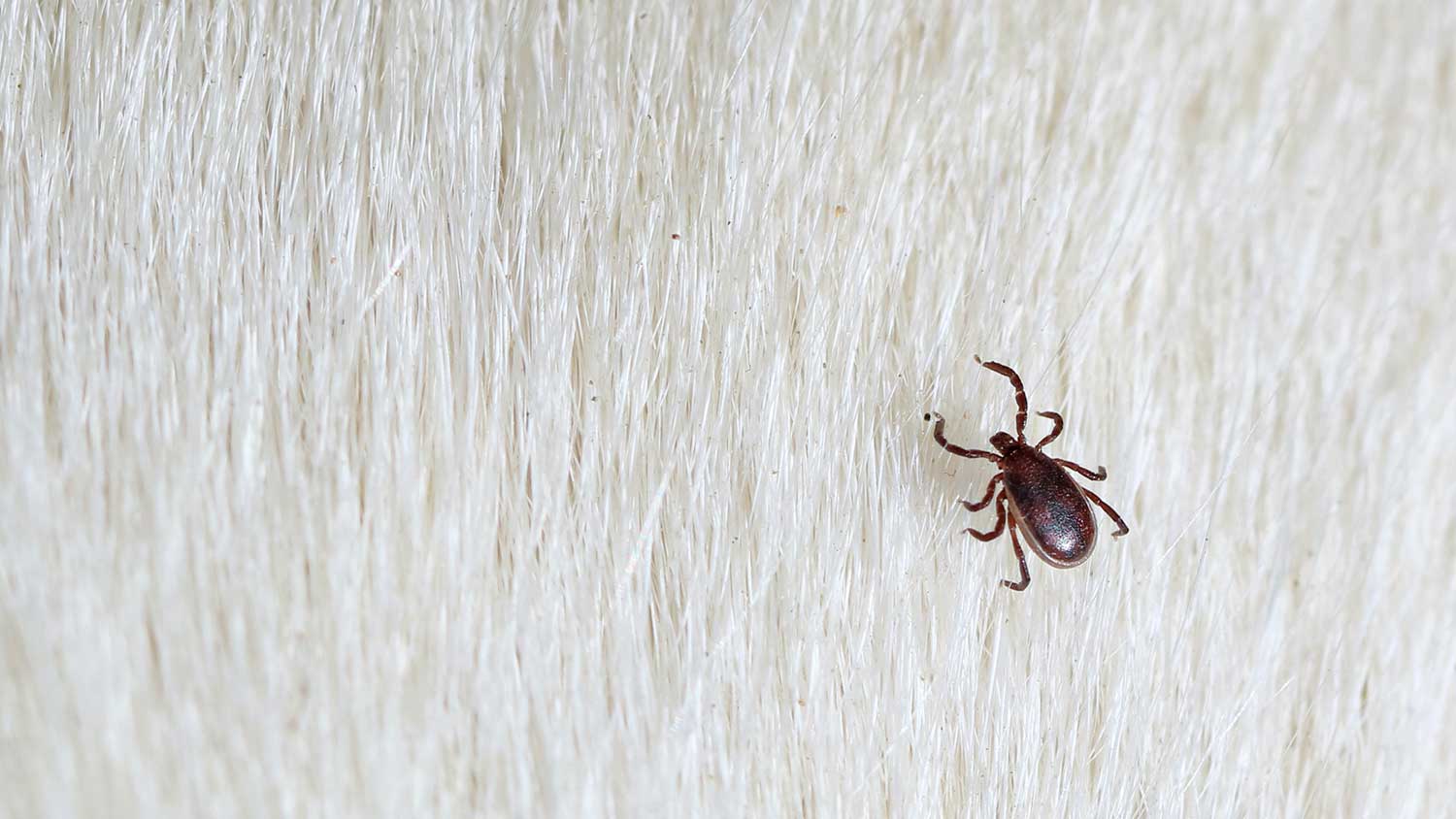
Learn about flea versus tick appearance, size, and diseases to figure out which pest is crawling around your home. Read on to learn more.

Dead fleas don’t mean the end of your infestation. Here’s what you should know about finding dead fleas in your home.
Fleas and ticks are irritating and can cause health issues, especially for pets. Create a homemade flea and tick killer for your yard to keep your home safe.