
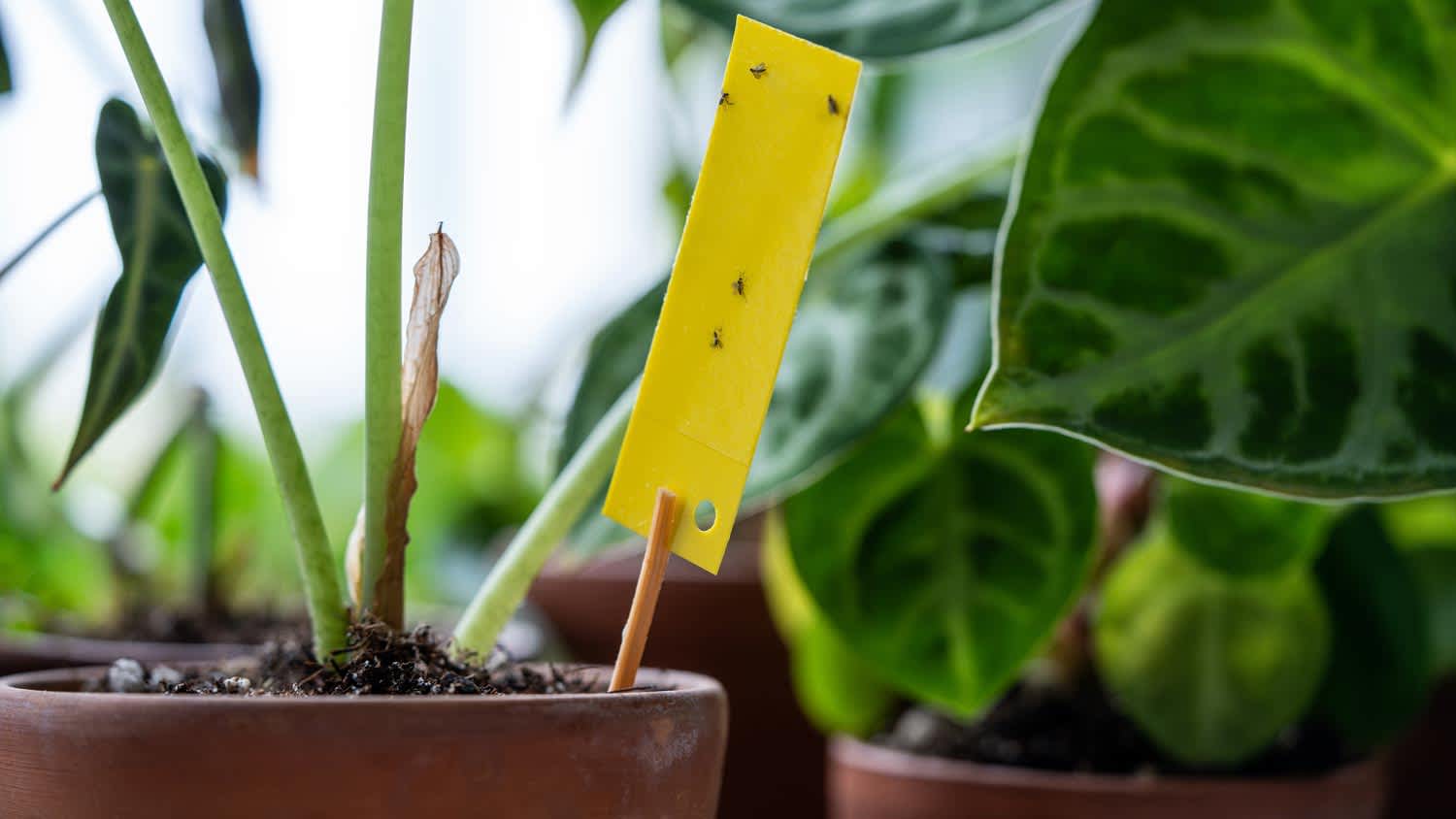
How much does a gnat exterminator cost? The answer depends on the method of treatment and the level of infestation. Find out what plays into your budget.
Knowing the differences between fleas and gnats is crucial to getting rid of them

Fleas and gnats both spread disease and reproduce fast, but fleas are blood-sucking parasites living on your pets while gnats fly around your home.
Expect to pay $75 to $400 for professional flea extermination services, so addressing infestations early helps you avoid higher costs and discomfort for your pets.
The right pest control approach depends on your situation: fleas require pet treatment and carpet cleaning, while gnats need you to eliminate food sources and standing water.
Hiring a local bug company provides reliable support when you spot rapid reproduction or widespread infestation, helping control both fleas and gnats quickly.
Fleas and gnats are unwanted pests that can spread disease and create an unpleasant living environment. Though both insects can quickly pose problems when they infest your house, there are several key differences between fleas vs. gnats to be aware of so you can rid your home of them faster—and prevent them from coming back.
Fleas are parasites, typically affecting pets like dogs and cats, while gnats (encompassing several flying insects) are attracted to several household sources, including garbage cans, sink drains, houseplants, produce, and pantries. Let’s take a closer look at the differences between fleas and gnats.

Fleas are blood-sucking parasitic insects that live on wild animals and household pets, including cats and dogs. These tiny insects are a larger threat to your pets in warmer months, staying on top of flea prevention throughout the year is essential. Unfortunately, they can make their way into hidden areas of your home, like infesting your carpet.
Contrary to popular belief, fleas don’t fly. They don’t even have wings. But that doesn’t stop them from getting around: They can jump roughly 200 times their body length.
Fleas are tiny—really tiny. The average flea is smaller than a grain of rice. But that doesn’t mean they aren’t a threat. Fleas living on your pets can spread disease, and their bites are extremely itchy for dogs and cats.
Fleas also reproduce rapidly, with females laying up to 40 eggs per day. Within two months, a single flea can lead to an infestation of 20,000—so it’s important to talk to your vet about flea prevention and hire an insect control company near you at the first sign of a problem.

Gnat is a catch-all term we use to describe several types of small flies. Depending on the species, gnats can vary in size from 1 to 15 mm, and they’re usually black, brown, or gray. These pests have long legs and aren’t strong fliers—but that won’t stop many of them from swarming around your face.
Gnats are attracted to your home for several reasons. Some are drawn to garbage in your trash can (so it’s important to take it out regularly); fungus gnats enjoy the organic matter in your indoor plants’ potting soil (and any decaying plant matter); drain flies like stagnant water and growing bacteria in your kitchen sink; and fruit flies and other food-motivated gnats come in to snack on produce, honey, wine, and vinegar.
While most gnats don’t bite, a few types like black flies (also called buffalo gnats) feed on the blood of mammals. Even the types of gnats that don’t bite can still spread bacteria and germs in your home, particularly those that crawl on your counters, produce, and other food.
Even without the threat of diseases and bites, gnats can be annoying (some are attracted to our eyes), and they can reproduce fast. Some female gnat types can lay upwards of 200 eggs during their short life cycle—so it’s important to know how to get rid of gnats as soon as you spot a problem.
Fleas and gnats share several similarities: They’re small insects that can quickly reproduce and spread germs and disease—and are very interested in living inside your home. But fleas and gnats also differ in many ways. Let’s take a closer look:
| Major Differences | Fleas | Gnats |
|---|---|---|
| Size | 1 to 4 mm | 1 to 15 mm |
| Mobility | Jumping | Flying |
| Diet | Blood (adults); flea feces (larvae) | Fruit and veggies, decomposing organic matter, nectar, blood |
| Appearance | Flat; brown or black; strong | Long legs; wings; brown, black, or gray; fragile |
| Eyes | Simple eyes; some blind | Compound eyes |
| Eggs | On host animal | On land or water |
| Threat to Your Home | Disease; itchy bites | Disease; itchy bites (less common) |
| Prevention | Protect animals; clean regularly | Take out trash; keep sink clean; put away produce; don’t overwater plants |
Gnats are generally much bigger than fleas. Fleas range in size from 1 to 4 mm. Gnats can be similarly sized, but some species can grow as long as 15 mm.
Though they aren’t great fliers, gnats have wings and use flight primarily to get around. Fleas, on the other hand, can’t fly. Instead, they jump—up to 200 times their body length—and then get around by literally riding on their host.
Fleas are small, flat insects. In fact, they’re so flat that squeezing them between your fingers when you pick them off your pet is usually ineffective at killing them. Fleas are brown and black, but they can take on a reddish color in adulthood.
Gnats are typically brown, black, or gray. Unlike fleas, they have long legs and wings, and their bodies are much more fragile.
Fleas have simple eyes, one on each side of the head. Some fleas have no eyes at all and are blind. Gnats have compound eyes, which makes it easier for them to see all around them, including your sneak attack with the fly swatter.
Fleas lay their eggs on hosts, like cat fleas, though they may fall off when the host animal moves or scratches. Gnats prefer to lay their eggs on water or land.
Adult fleas suck blood from their mammalian hosts. Their babies, however—larvae that have hatched and begun life on the host—might dine on a less appetizing snack: adult flea feces, called “flea dirt.”
Gnats have varied appetites, depending on the species. Fruit flies, as you would imagine, like fruits, but they’ll also eat veggies, decomposing organic matter, and slime from organic matter. Fungus gnats like decaying plant matter, and buffalo gnats and sand gnats prefer nectar and sugar—though the females of both species must also suck blood to reproduce.
Both fleas and gnats can multiply quickly, meaning these insect infestations can grow in a short amount of time. Fleas can transmit diseases to your pets (and to you), and their bites are itchy.
Most gnats don’t bite, but a few types do. Some gnats are drawn to the eyes of humans and mammals, which can be a pain in the, well, eye, if they get too close. Fleas that are attracted to the produce left out on your counter can spread germs and disease.
Preventing fleas is as easy as giving your pet a monthly flea preventative or making them wear a flea collar. You can also explore natural flea prevention methods, like spraying essential oils like peppermint or tea tree on your pet’s cost. Regularly vacuuming and carpet cleaning, as well as washing your bedding (and pet bedding), can also help with flea prevention.
Preventing gnats is as simple as keeping up with household choses, including taking out your garbage regularly, bleaching your sink drain, and keeping produce in your refrigerator. Throw out spoiled food right away, and don’t overwater houseplants. You can also keep gnats away from the exterior of your home by getting rid of standing water.

Did you spot your dog scratching his ears, only to notice a flea scurry down his neck? Here’s how to get rid of fleas fast before the problem gets worse:
Give your pet a flea bath: You can purchase special shampoos that kill fleas, larvae, and eggs on your dog or cat. If you have other pets, wash them, too, even if you didn’t spot any fleas. Then, if you have a willing friend or family member, take your pets to another home until you’ve eradicated the infestation.
Wash your linens: Strip your beds and furniture of all sheets, blankets, and pillow cases and wash them in hot water. Pet beds (and human beds, if you let your pets share your space) are priority number one.
Vacuum and carpet clean: Vacuum the entire house multiple times. You can also steam clean your carpets to be extra thorough. Always empty the vacuum outside your house so you don’t risk reintroducing the fleas to your home.
Catch and kill remaining fleas: While your animals are still living outside your home temporarily, try to catch and kill any remaining fleas with commercial traps or some natural ways to kill fleas, like diatomaceous earth or water and dish soap mixtures. You can also treat your yard for fleas, in case they’re lying in wait for your pet’s return.
Call in the professionals: If you want to be extra sure you’ve rid your home of fleas, hire an exterminator. A flea exterminator costs from $75 to $400 on average, but it’s well worth the cost to eliminate the problem.

Methods for getting rid of gnats can vary slightly depending on the type of fly. For instance:
To get rid of fungus gnats, you can try diatomaceous earth or hydrogen peroxide on the soil of houseplants.
You can kill fruit flies by baiting them with rotten fruit and plastic wrap, apple cider vinegar and plastic wrap, or some other sweet treat and plastic wrap.
Sticky tape is another popular option for killing various types of gnats, but the important thing to remember is that killing gnats doesn’t get rid of them for good. Instead, you need to focus on the source of the problem, like spoiled food, standing water, root rot in plants. Eradicate the source of the infestation, then kill the remaining gnats.
A reliable team for moves across state. My switch to a new place needed careful lifting through tight hallways. The movers checked the doorway first, then carried heavier pieces with slow, controlled movements. Their patience helped prevent damage, and I?d choose them again.
This company does it right. Firstly, I want to say that Landan was a joy to work with. He was so kind, transparent, and had everything under control. His entire team showed up ready to work and they were all very respectful of the fact that we were in an office space. A little backstory – we...
 Krumlauf Floors
I had FabClean 614 clean my apartment, and she did an outstanding job. She was so professional and efficient. My apartment looks absolutely spotless every surface, every corner, all cleaned to perfection. Definitely highly recommend FabClean 614 if you're looking for top-notch cleaning...
 Fab Clean 614
Raven and crew does absolutely fantastic job. They are very professional if any concerns were to occur with any of her work she always took responsibility and finished out with a great job. I have worked with her business for a year and have always been satisfied. Very trusted business and...
 Creations of Transformation LLC
I would recommend this company to anyone! He showed up on time, was friendly, completed a very difficult repair on our dryer vent cover, was responsive, and pricing was extremely fair and competitive. I would have him back to do any of our repairs or cleanings without hesitation!
 U.S.A. Dryer Vent, LLC
Best cleaning I've had at my property
Ace Fireplace Services' chimney sweep service is truly exceptional. They used advanced technology to ensure a thorough cleaning process, and my chimney has never looked better. I highly recommend their services.
 Ace Fireplace Services
This company went above and beyond with their work, chimney sweeps are usually pretty messy, but the clean up was spot on.!! Josh explained every thing that he was doing, and the things that he was checking to make sure the chimney was safe for me and my family. He was very professional,...
 Supreme brick & chimney
Good workers and they do a good job.
 Mira Construction
Mary Cleaning Service is fantastic! The entire team is professional and pay a great deal of attention to detail. They do such a thorough job of cleaning my house. I would definitely recommend!
From average costs to expert advice, get all the answers you need to get your job done.
How much does a gnat exterminator cost? The answer depends on the method of treatment and the level of infestation. Find out what plays into your budget.
When calculating the cost of hiring a flea exterminator, consider your home size and the infestation extent. This guide will help you figure out what to budget.

Fruit flies and fungus gnats can appear similar but require different removal approaches. Learn the main differences between gnats vs. fruit flies.
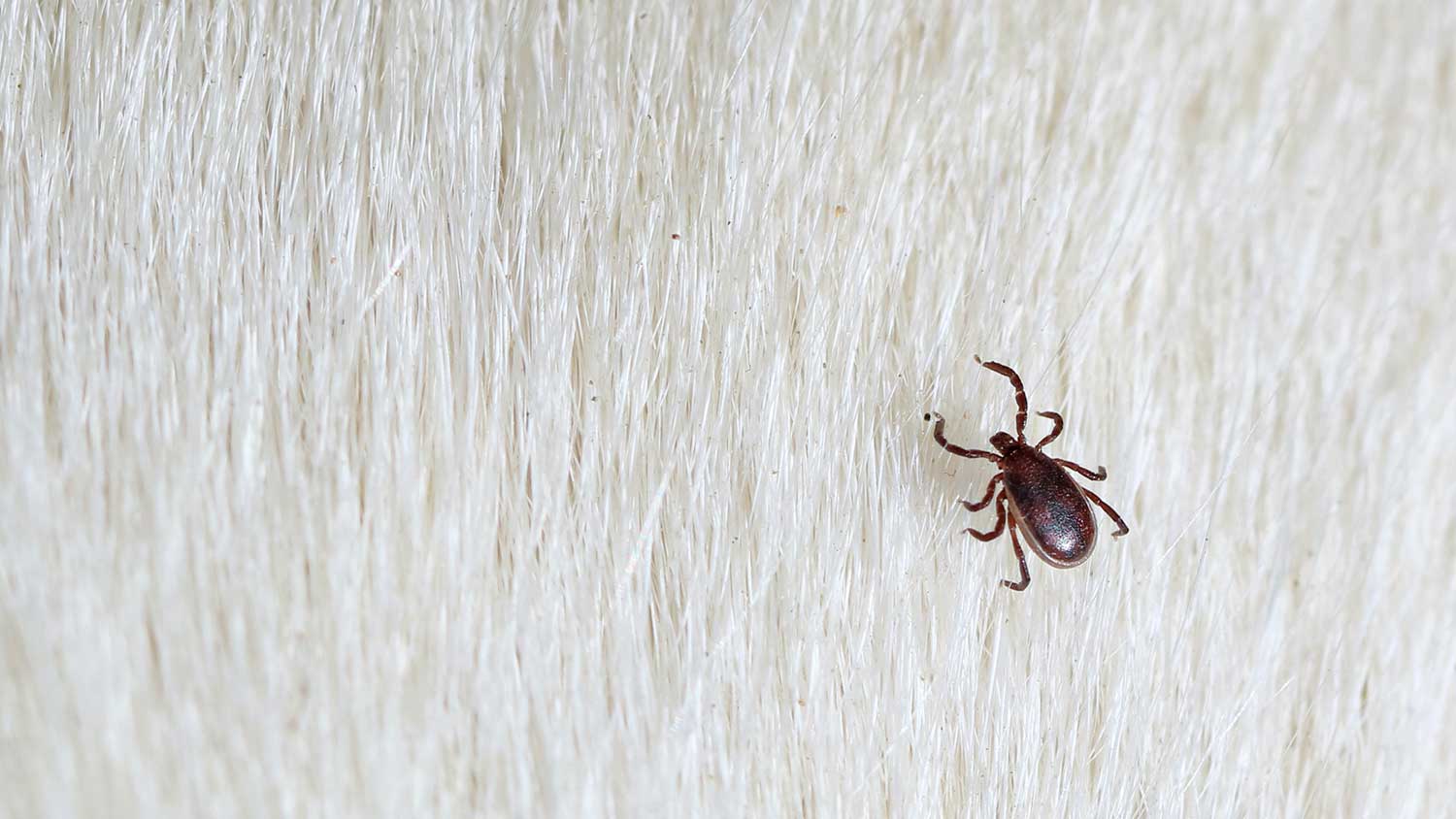
Learn about flea versus tick appearance, size, and diseases to figure out which pest is crawling around your home. Read on to learn more.
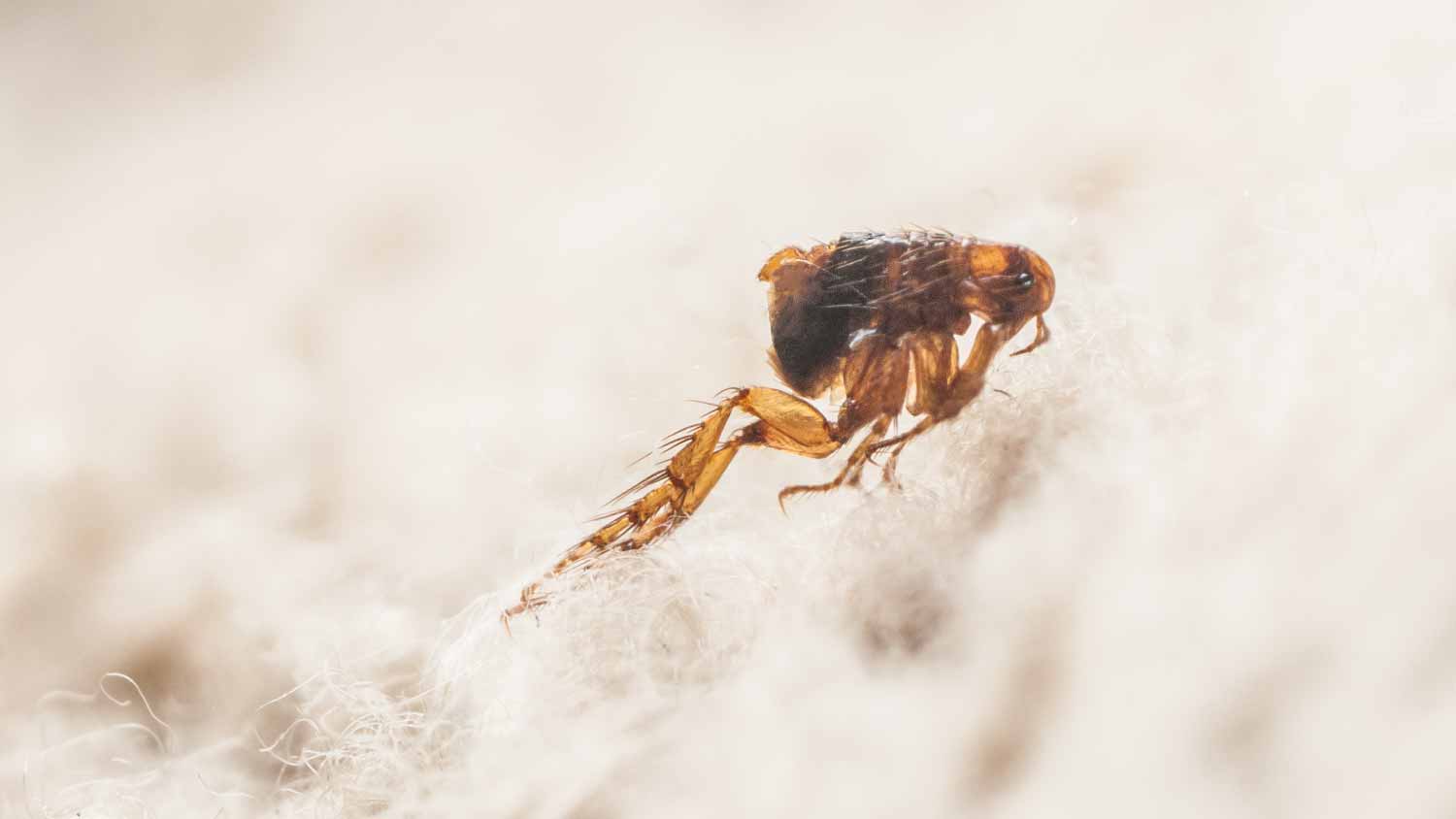
Fleas and bed bugs suck blood and leave itchy bites, but there are key differences, too. Find out the differences between bed bugs vs. fleas.
Want to know how to get rid of gnats in your house? Use these tips and tricks to get rid of gnats inside your kitchen, bathroom, and more.