

If you’ve never lived in a house with a septic system before, you might be wondering: Are septic tanks bad? Here are some of the pros and cons.
If not, what do they have?

Your home connects to either a septic tank or a public sewer system, with houses in rural or remote areas relying on septic tanks.
Installing a new septic tank costs $5,000 to $8,000 on average, while a complete septic system replacement ranges from $10,000 to $25,000.
You can locate your septic tank by checking property records, walking your yard to find the lid, or spotting unusually green grass over the drain field.
Hiring a local septic tank company provides reliable maintenance and repair support, helping you avoid costly system failures through regular inspections and professional servicing.
All houses have either septic tanks or a connection to the public sewer for treating household wastewater. Homes located in more remote or rural places far away from public sewer systems typically rely on their own septic systems. Here’s what you need to know about this important household system.
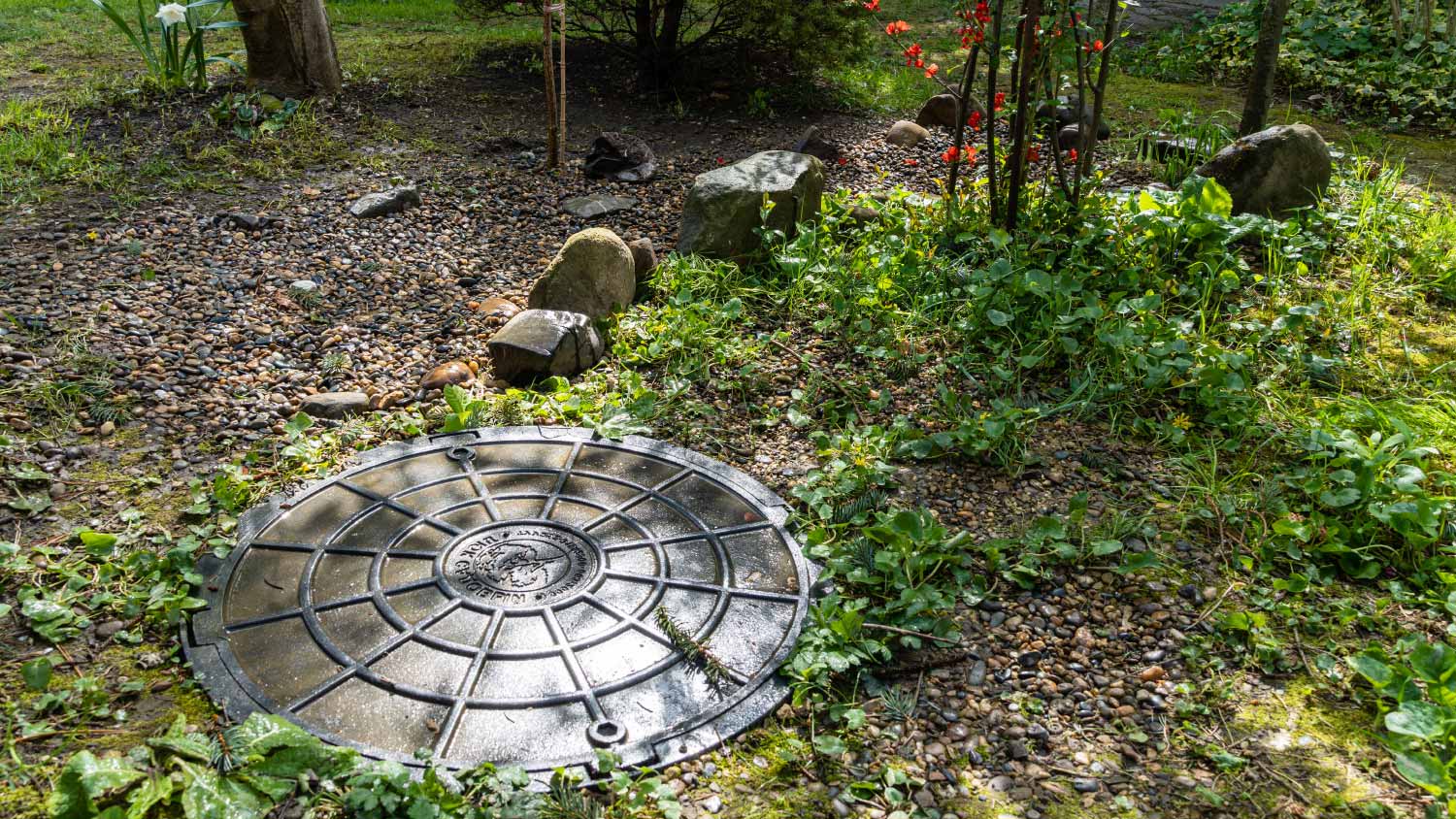
A septic tank is an actual watertight tank that collects and treats wastewater. While there are some above-ground septic tanks, the majority are buried underground—a minimum of 5 feet from the house, to be exact, with the drain field located farther away. Tanks are made from concrete (the most expensive option), fiberglass, or polyethylene (plastic), all with different installation and maintenance requirements.
Whenever wastewater goes down the drain in your home—be it the sink, shower, tub, or toilet—its first stop is the septic tank. Here, the wastewater is broken down with the help of beneficial bacteria. Yes, you read that correctly. While bacteria are usually something to be gotten rid of elsewhere, they’re very good to have when it comes to your septic tank!
As wastewater flows into the tank, it separates into three parts:
Scum: This is the top layer of wastewater consisting of oil, fat, and grease—the runoff from washing all those dishes, as well as the soap that runs off from bathing.
Effluent: Although this is the middle layer, it happens to be the cleanest. It results from what’s left in the water when the scum and sludge are pulled out from it.
Sludge: This is the bottom layer of wastewater, consisting of solid human waste and other heavier waste. It’s important for a professional to empty your septic tank every few years or so; otherwise, there can be a buildup of sludge.
These three levels are created by waste rising or sinking naturally. As such, it is not a quick process, though there are additives that can help the process along.
Wastewater comes in and goes out via two pipes connected to a septic tank. The inlet pipe receives the wastewater from your home, while the outlet pipe sends the wastewater into the drain field. The drain field is where the wastewater is purified and eventually sent back into the soil.

We could simply file this answer in the “if you know, you know” category because odds are slim that you purchased a house without someone informing you of how its wastewater is treated. But we can do a little better than that. Let’s pretend for a moment that everyone has been distracted by all the other things that happen during the homebuying process and that the sewage treatment system has been left out of the conversation accidentally.
Do all houses have septic tanks in your new neighborhood, or are some hooked up to the public sewer? Here are some questions you can ask yourself to determine the answer:
When it comes to homes, the older they are, the more likely it is that they’re connected to a septic tank. This is particularly true if you live in a rural area, but homes in suburban areas could still be hooked up to a septic tank even if there’s a public sewer system in place.
If you live in an apartment, condo, or co-op, it’s more than likely that you’re connected to a city sewer system. In general, multi-family homes are in denser urban areas and hooked up to the public sewer. Though there are some very large septic tanks, they’re not big enough to handle that many families; they are typically reserved only for single-family homes and townhomes, like duplexes and triplexes.
Your property records are a wealth of information regarding your home and neighborhood’s history. Yours are on file with the central office in your town or municipality and will clearly indicate how wastewater is treated on your property. In fact, the records will likely point you directly to where the septic tank or sewer line is connected to your property.
These days, most real estate listings online indicate whether a home operates on a septic tank or a sewer system. To confirm, you can always ask the real estate agent who worked with you to purchase the property, as they’ll have this info and other interesting information about your property.
Your septic tank is beneath the ground, but there’s one way to access it—the lid. It’s made from concrete or plastic and flush with the ground, but you can usually find it just by walking the perimeter of your yard at least 5 to 10 feet from your home. Assuming it’s got a metal handle, as many of them do, you can even head out on a backyard hunt with a magnet in tow to find it.
You might not have grass in your backyard, depending on your landscape design. But if you do and you see a patch of grass that’s a brighter green than the rest, you might have found the drain field of your septic tank. But don’t admire your lush lawn for too long. You’ll want to call a septic professional to have it checked because new grass growth could be a sign that there’s a leak or other problem with the drain field.
It will cost an average of $6,500 to install just a new septic tank, with a common range between $5,000 and $8,000, depending on the size, type of material, and complexity of installation. Installing a new septic system in its entirety, on the other hand, is much pricier, ranging between $10,000 and $25,000. This is why you’ll need to be on a proper maintenance schedule with your local septic tank company to avoid any issues that could escalate into needing to replace the entire tank and drainfield.
Finding out if your house has a septic tank isn’t hard, but it’s something you should do as soon as possible. If you think a backed-up toilet is bad news, there’s more in store for you with a faulty septic system that you didn’t know existed until now!
I recently moved to another state and chose United Trust Van Lines after comparing several companies. Their team was punctual, professional, and extremely careful with my belongings. I was especially impressed with how they handled my home office setup and fragile items. Everything arrived on...
 United Trust Van Lines, LLC
Positive experience. As previously stated, the replacement/repair could not be completed (no fault of the plumbing tech) b/c misinformation was rec?d by property management maintenance. Thanks to the plumbing tech for your efforts. Appreciate you!
 The Waterworks
As usual with ECO, tech Jordan was outstanding, very professional, very knowledgeable, and very thorough with repairs made to tankless water heaters. Very highly recommend ECO!!!
 Eco Plumbers, Electricians, and HVAC Technicians
I would recommend this company to anyone! He showed up on time, was friendly, completed a very difficult repair on our dryer vent cover, was responsive, and pricing was extremely fair and competitive. I would have him back to do any of our repairs or cleanings without hesitation!
 U.S.A. Dryer Vent, LLC
Best cleaning I've had at my property
I'm a repeat customer of All Star Paving & Sealing and I appreciate the service that all start paving has done for me in the past. I just recently had them out for an estimate and things couldn't have gone better. The staff that they send out to do the estimates are very knowledgeable. The...
 All Star Paving and Sealing
Supreme Brick & Chimney is one of the best service providers I’ve interacted with. Extremely efficient, knowledgeable, and thorough. They took the time to walk me through their detailed full-service inspection and were extremely professional. Not to mention their turnaround time was...
 Supreme brick & chimney
They were great! They were thorough and efficient and paid attention to the details. Definitely recommend. I'm definitely going back!
 FIFI'S EARTH FRIENDLY CLEANING
Storms Mobile Welding was great to work with. They were prompt, professional and did an overall excellent job on the project. I highly recommend.
Great experience all together. Dog friendly, courteous, great results and honest with recommendations. Will certainly be using Cardinal in the future for any carpet repairs
 Cardinal Carpet Care & Repair
From average costs to expert advice, get all the answers you need to get your job done.
If you’ve never lived in a house with a septic system before, you might be wondering: Are septic tanks bad? Here are some of the pros and cons.
Not sure what size septic tank to buy? Let’s break down the most common concrete septic tank sizes so you can pick the right one based on your needs.

Septic tank sizes vary depending on the size of your home, how many people live there, how much water you use, and more. Read on to learn how to determine the right size for you.
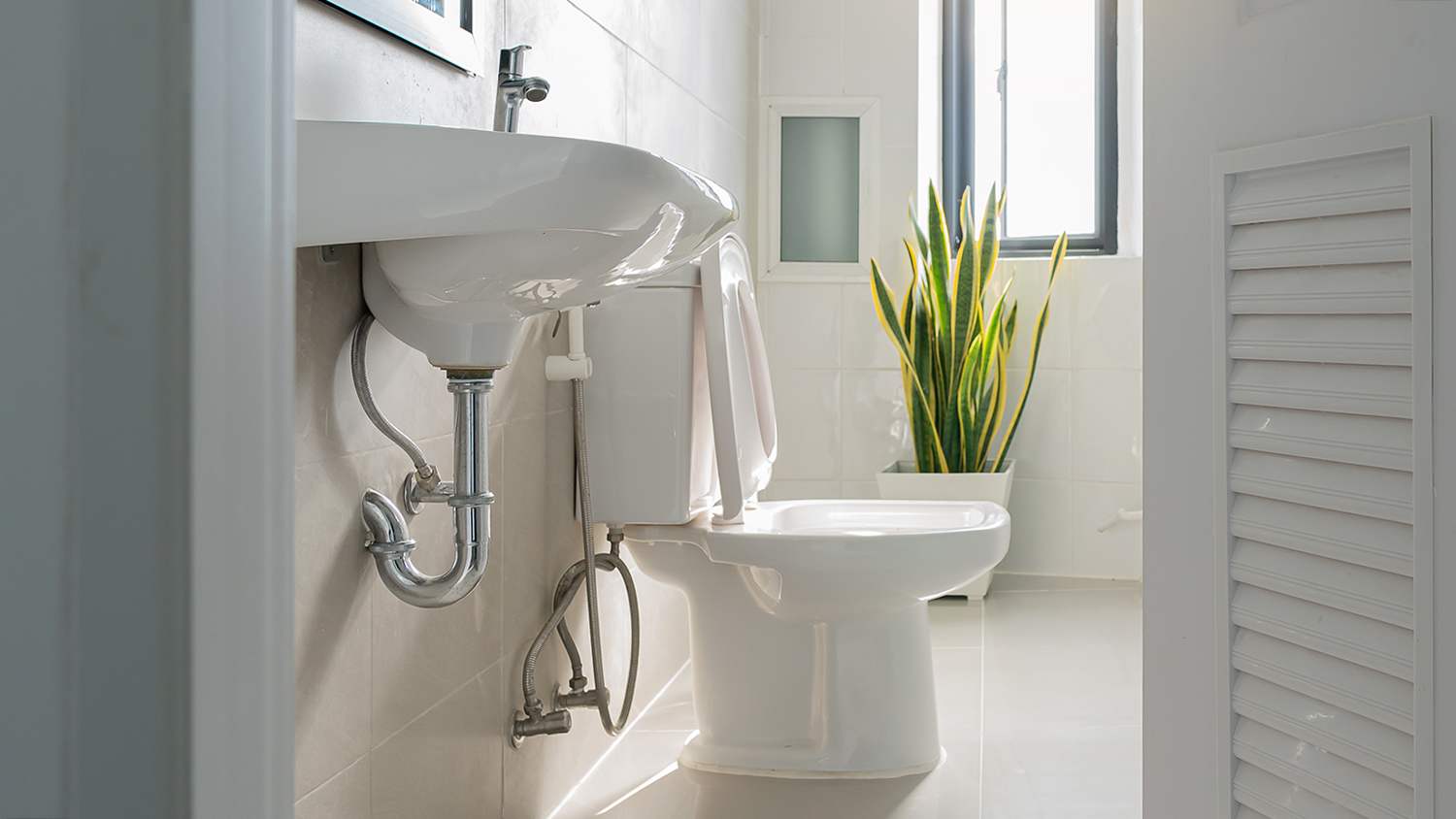
It’s crucial to install a septic tank with the right volume to avoid wastewater backups. This guide will help you calculate the right septic tank volume.
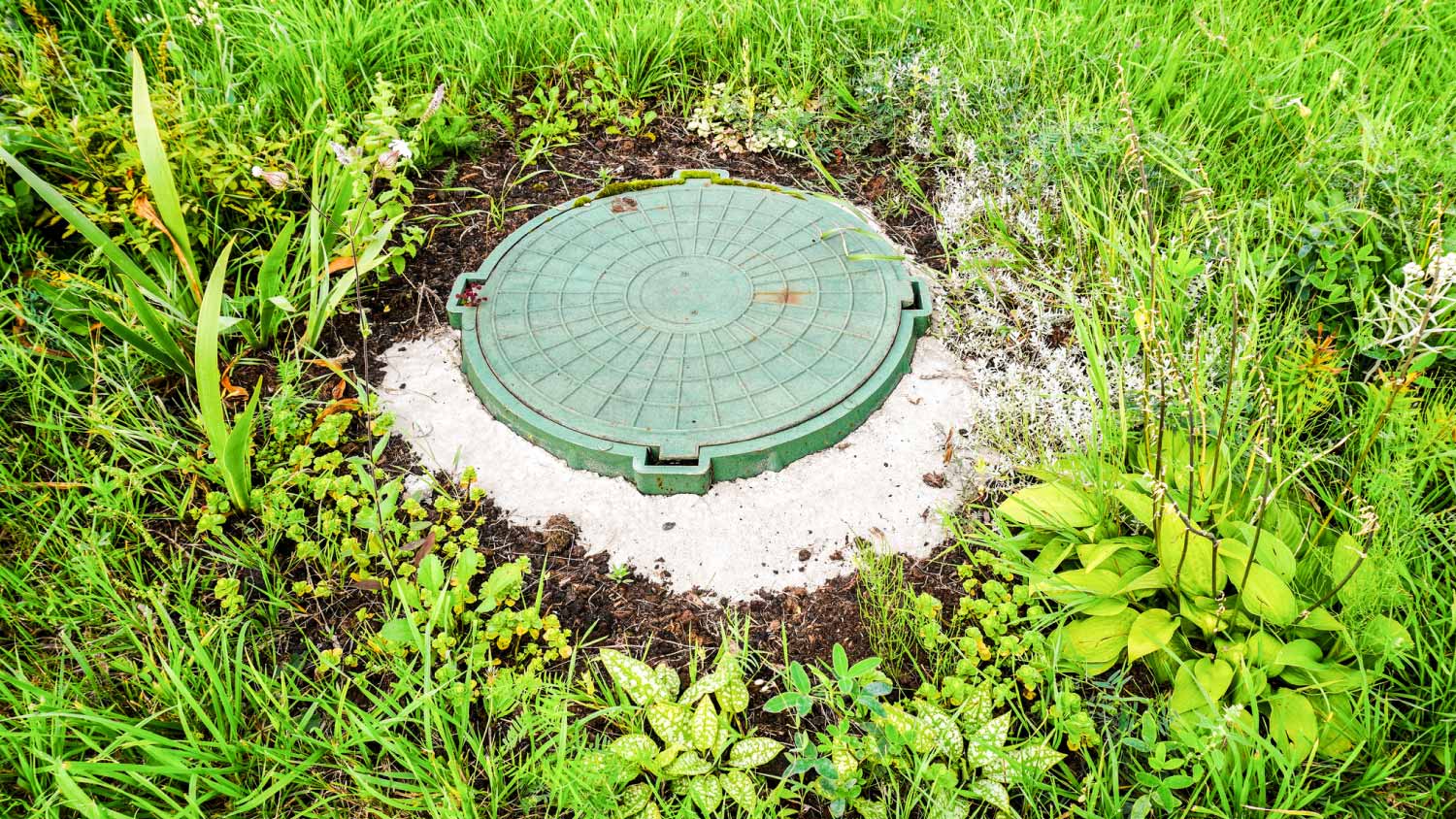
How do you know if you have a septic tank? We’re breaking down how septic systems work, what they cost, how to maintain your tank, and who can repair one.

Installing a septic tank on your property requires following many local codes. Learn septic tank installation requirements to ensure yours passes inspection.