
If it’s been there for a while, it can be hard to find the septic tank in your yard. Learn how much it costs to locate a septic tank with this guide.
Discover what lies beneath the soil

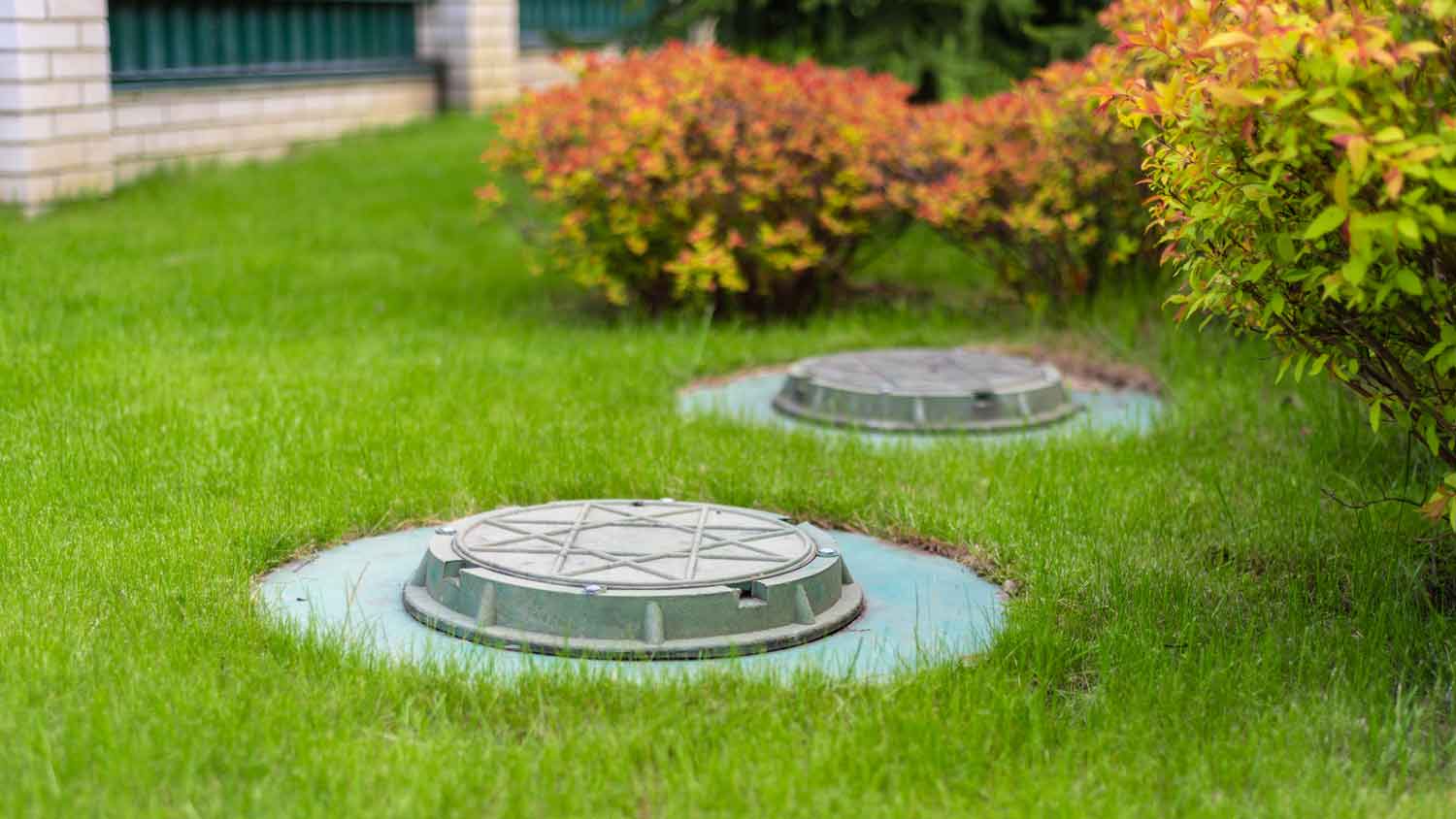
Your septic tank looks like a large rectangular or cylindrical container buried underground, with only a small inspection cover visible above ground.
Septic system installation costs range from $3,615 to $12,400, with average costs around $8,000, depending on your property and system type.
You can check your water bill for sewer charges, review your property deed, or walk your yard looking for a concrete lid or cover.
Hiring a local septic tank professional provides reliable help with locating your system, inspecting components, and scheduling regular pumping to keep everything running smoothly.
Knowing your home inside and out is a great way to stay on top of maintenance needs and keep your property safe. Unfortunately, some key functions in your home are managed by systems you can’t see. Which is why you may be wondering—how do you know if you have a septic tank? Learn some telltale signs that your home’s wastewater relies on a septic tank.

A septic tank is an underground wastewater treatment system more commonly found in rural or off-grid areas where municipal sewer systems are unavailable.
The septic tank is a vital component of your home. It collects, treats, and disposes of household wastewater from sinks, toilets, and showers. It works by separating solids from liquids and allowing bacteria to break down organic matter.
When wastewater enters the tank, heavier solids settle at the bottom, forming sludge, while lighter materials like grease and oils float to the top as scum. The middle layer, consisting of partially treated liquid, known as effluent, flows into a drain field or leach field, where it is further filtered by the soil before re-entering the groundwater system.
The cost of installing a septic system often ranges from $3,615 to $12,400, with a national average of $8,000. Several factors influence the total cost, including the materials used, the labor involved in installation, and the expense of excavating a leach field on your property.
"Effluent" is the term for liquid waste or sewage that has been treated in a septic tank or sewage treatment plant. You may also know it as "wastewater."

If your home is in a rural or suburban area without access to a municipal sewer system, you likely have a septic tank. Signs of a septic system include outdoor tanks or lids, often near the house or in the yard, and a drain field or leach field where wastewater is dispersed. If you're unsure, a plumber, septic service, or local health department can help determine whether your property has a septic tank.
If you’re struggling to figure out if your home has a septic tank or not, the secret may be hiding in your water bill. If you don’t find a sewer charge, that tends to indicate your home isn’t connected to a municipal sewer line. This means you likely have a septic tank to treat your home’s wastewater. You can also check your property records, and your home deed should have this information. But you can also contact your local health department or planning office to see if they have any records about your home’s septic system.
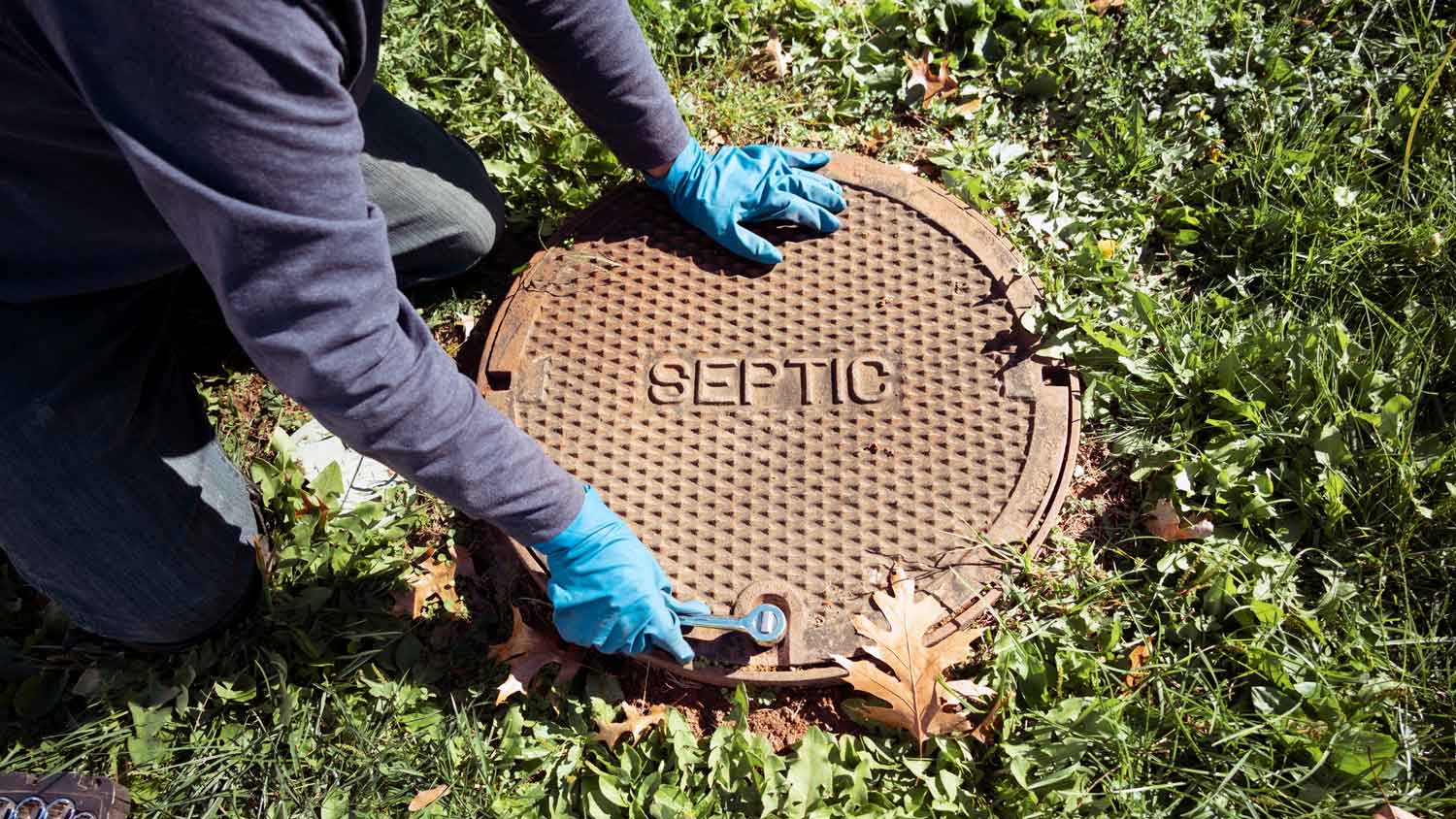
You also have the option to walk through your property and look for a septic tank. Oftentimes, you can spot the septic tank lid in the yard. Look for a small cover or concrete slab covering.
A septic tank is a large, rectangular, or cylindrical container often made of concrete, fiberglass, or plastic. It is buried underground, with only a small portion of the tank and access ports visible above the ground, often marked by a small inspection cover. The tank’s size varies depending on the number of occupants in the home, with most residential tanks holding between 500 and 1,500 gallons of wastewater.
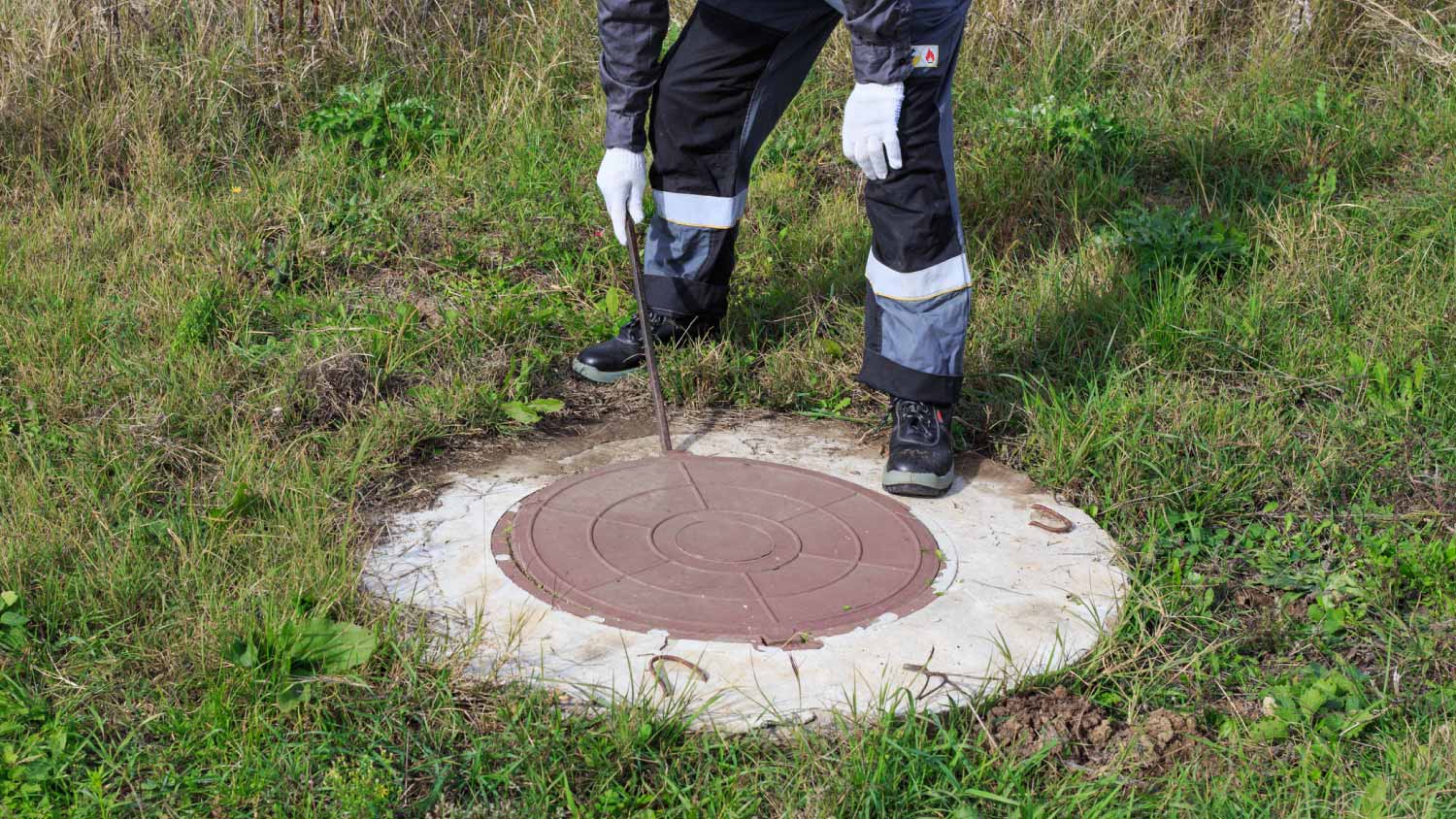
Above the ground, you’ll often find an inspection port or manhole, which allows for periodic maintenance like pumping out sludge. These openings are often covered with a concrete lid, metal cover, or plastic cap. The tank itself remains hidden beneath the surface to protect it from weather and other external factors.
To access your septic tank, you’ll need a septic tank professional near you with experience in septic system maintenance or installation. Here are the key professionals who can help:
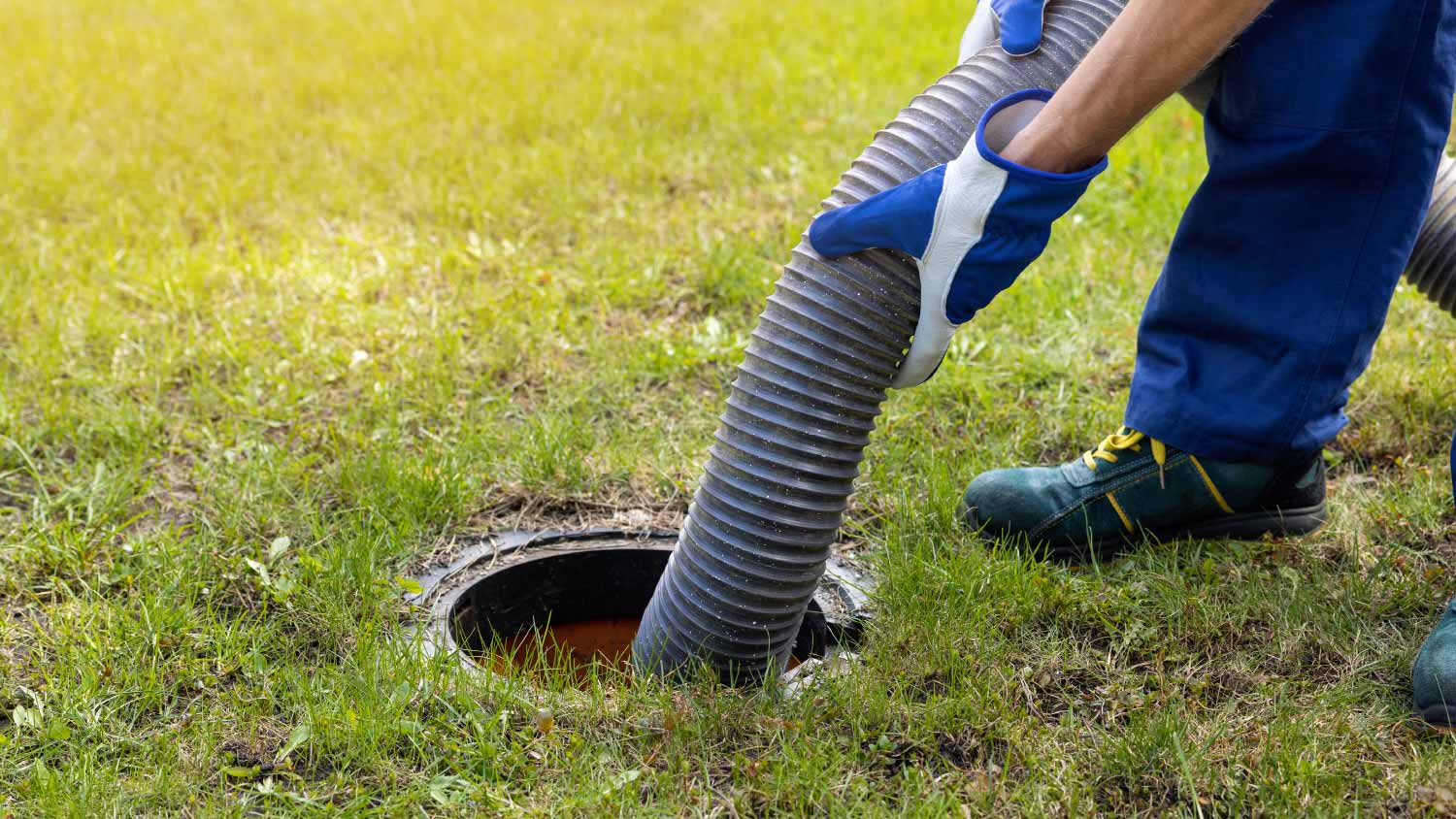
Septic tank pumping service: These specialists know how to locate your septic tank, remove access covers, and pump out accumulated sludge. They can also inspect your system for issues, such as leaks or damage.
Septic system inspectors: These professionals can thoroughly assess your septic system, check for compliance with local regulations, and ensure that all components are functioning properly. They often handle inspections when you buy or sell a home.
Septic installers: If you need a new septic system or a major repair, septic installers can handle the digging, installation, and maintenance of your system, including accessing and servicing the tank.

One reason some homebuyers shy away from homes with septic tanks is that they require greater maintenance than a more modern plumbing system. Failure to care for the system can lead to groundwater contamination, costly repairs, and health hazards.
One of the primary tasks is pumping out accumulated sludge every three to five years. Over time, solids from wastewater accumulate in the tank, and if not removed, this sludge can build up and block the system, leading to unpleasant backups and costly septic repairs.
It’s also important to avoid excessive water use. High water volume strains the septic system, overwhelming its ability to treat and filter wastewater effectively. Installing water-saving fixtures and being mindful of water usage, like not running multiple appliances at once, helps prevent system overloads.
You should also avoid flushing and putting household cleaners, pesticides, paints, and solvents down the sink. Avoid planting large trees or shrubs near the tank or drain field, as their roots can invade the system, causing blockages and damage.
I recently moved to another state and chose United Trust Van Lines after comparing several companies. Their team was punctual, professional, and extremely careful with my belongings. I was especially impressed with how they handled my home office setup and fragile items. Everything arrived on...
 United Trust Van Lines, LLC
Positive experience. As previously stated, the replacement/repair could not be completed (no fault of the plumbing tech) b/c misinformation was rec?d by property management maintenance. Thanks to the plumbing tech for your efforts. Appreciate you!
 The Waterworks
As usual with ECO, tech Jordan was outstanding, very professional, very knowledgeable, and very thorough with repairs made to tankless water heaters. Very highly recommend ECO!!!
 Eco Plumbers, Electricians, and HVAC Technicians
I would recommend this company to anyone! He showed up on time, was friendly, completed a very difficult repair on our dryer vent cover, was responsive, and pricing was extremely fair and competitive. I would have him back to do any of our repairs or cleanings without hesitation!
 U.S.A. Dryer Vent, LLC
Best cleaning I've had at my property
I'm a repeat customer of All Star Paving & Sealing and I appreciate the service that all start paving has done for me in the past. I just recently had them out for an estimate and things couldn't have gone better. The staff that they send out to do the estimates are very knowledgeable. The...
 All Star Paving and Sealing
Supreme Brick & Chimney is one of the best service providers I’ve interacted with. Extremely efficient, knowledgeable, and thorough. They took the time to walk me through their detailed full-service inspection and were extremely professional. Not to mention their turnaround time was...
 Supreme brick & chimney
They were great! They were thorough and efficient and paid attention to the details. Definitely recommend. I'm definitely going back!
 FIFI'S EARTH FRIENDLY CLEANING
Storms Mobile Welding was great to work with. They were prompt, professional and did an overall excellent job on the project. I highly recommend.
Great experience all together. Dog friendly, courteous, great results and honest with recommendations. Will certainly be using Cardinal in the future for any carpet repairs
 Cardinal Carpet Care & Repair
From average costs to expert advice, get all the answers you need to get your job done.
If it’s been there for a while, it can be hard to find the septic tank in your yard. Learn how much it costs to locate a septic tank with this guide.
Septic tanks are kept underground, so checking the levels inside can be a challenge. Learn how to check if a septic tank is full with this guide.

A full septic tank can cause health issues and costly repairs. Look out for these top seven warning signs your septic tank is full.
Knowing your septic tank’s location can help you prepare for maintenance, renovations, and more. For tips on how to find a septic tank, check out this guide.

Sludge buildup in a septic tank is natural, but it needs to go somewhere eventually. Learn what to put in a septic tank to break down solids efficiently.
A septic inspection is a vital part of total septic system health. Learn more about what goes into a septic inspection and how often to get one.