
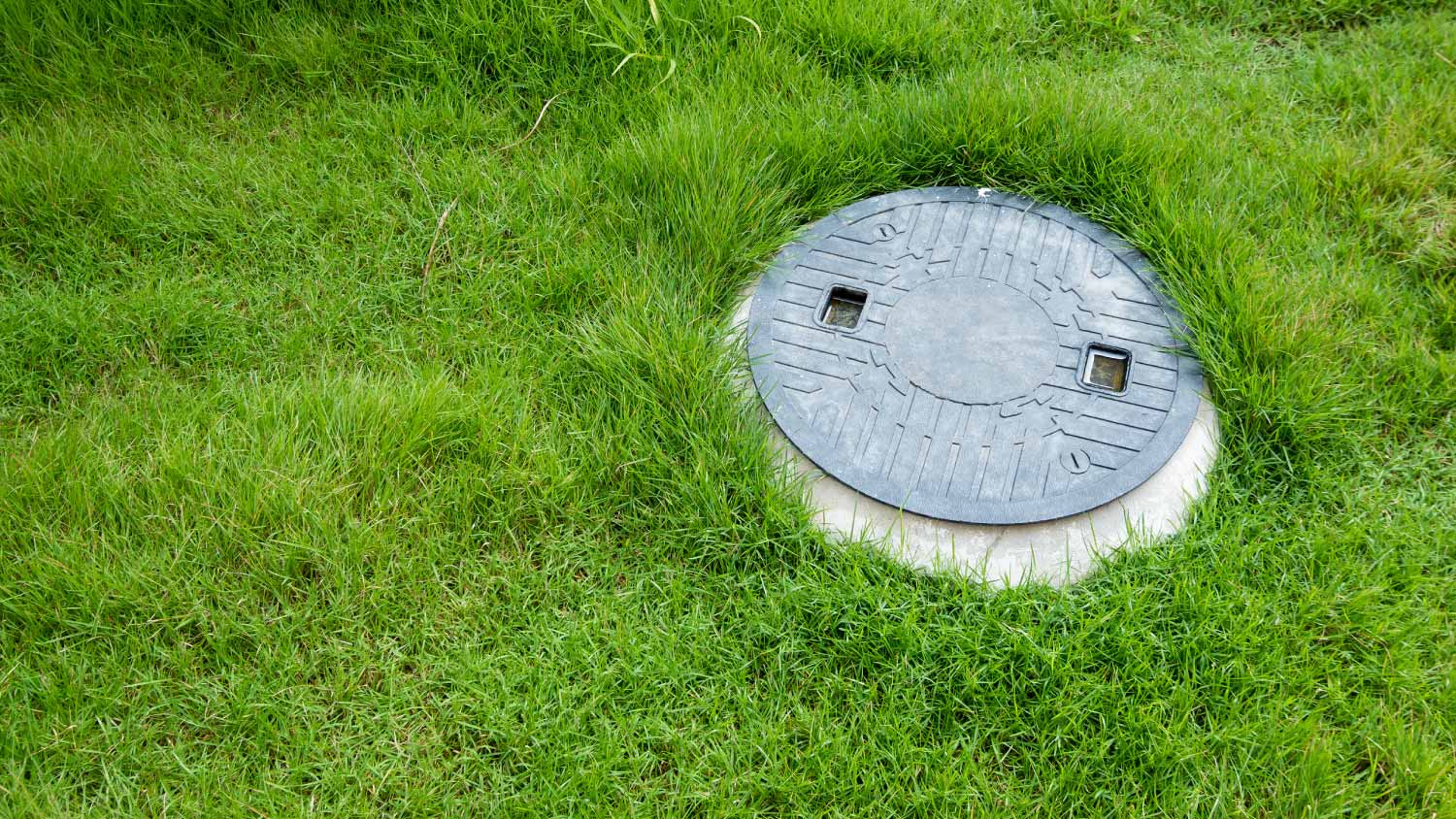
Concrete is one of the longest-lasting septic tank materials. Find out concrete septic tank prices for your wastewater management project.
Make a solid size choice on your next septic tank

Standard concrete septic tank sizes range from 1,000 to 1,500 gallons, with the average being 1,250 gallons for a four-bedroom home.
A new concrete septic tank costs $700 to $2,500, depending on your tank size, with larger capacities increasing the price.
Your household size, water usage habits, number of bedrooms, and local regulations determine the right septic tank size for your home.
Hiring a local septic tank company provides expert guidance on sizing requirements and local regulations, keeping your installation compliant and properly matched to your needs.
Concrete is the most popular material for septic tanks, thanks to its durability and wide range of size options. But because there are so many concrete septic tank sizes available, it can be tricky to figure out which one will work best for your home. In short, it comes down to a few key factors, including how many people live in your home and how much water you use. Here’s how those variables impact septic tank sizes.

As you compare septic tank sizes, you’ll notice that they’re primarily provided in gallons (as well as feet and inches). The size in gallons represents a tank’s capacity—or how much wastewater it can handle in a day. Today, the standard concrete septic tank size is 1,250 gallons, with most ranging between 1,000 and 1,500 gallons. In terms of dimensions, the average septic tank measures 30 to 40 square feet.

As a rule of thumb, you can use the number of bedrooms in your home to calculate the minimum septic tank capacity for a house of that size. This method assumes that the more bathrooms you have, the more people live (and use water) in your home, increasing the minimum tank size you need. It’s not a perfect rule (after all, just one or two people can live in a five-bedroom home), but it’s a convenient starting point for calculating septic tank sizes.
It’s also important to note that many municipalities now require a minimum septic tank size of 1,000 gallons. So, even if you live alone in a small apartment where a 750-gallon tank would be sufficient, you still might have to buy one that’s 1,000 gallons or larger.
| Number of Bedrooms | Minimum Septic Tank Capacity in Gallons |
|---|---|
| 0 to 1 | 750 |
| 2 to 3 | 1,000 |
| 4 | 1,250 |
| 5 | 1,500 |
In a smaller space (for example, a studio apartment or one-bedroom condo) with one or two occupants, the minimum septic tank capacity is around 750 gallons. However, tanks of this size might not meet local government regulations, so a bigger tank might be necessary.
For slightly larger homes with two to three bedrooms, a 1,000-gallon septic tank is sufficient. Properties of this size may need a higher-capacity tank since they often have more occupants (such as family members, roommates, or guests) and, as a result, increased water usage.
Four-bedroom properties should have septic tanks with a minimum capacity of 1,250 gallons—the standard concrete septic tank size. A tank of this size should be able to accommodate the water consumption habits of a family with multiple children or a group of friends living together.
A fully occupied five-bedroom home needs a 1,500-gallon septic tank to process the amount of waste produced by a household of this size.
If you’re shopping for a new septic system, the sizes above will provide a general idea of the minimum septic tank capacity you’ll need. However, to get the most accurate estimate, it’s important to speak with a local septic tank company. Professional septic installers will help you choose the right size septic tank for your needs based on important factors like the size of your home, your water usage habits, and local regulations.

While the size of your house plays an important role in determining the right size septic tank, there are also other factors to consider.
As we’ve covered, septic pros often use the number of bedrooms in your home to come up with a quick estimate of your minimum septic tank capacity. It works on the assumption that more bedrooms equals more people, which means higher water consumption—and the more water you use, the higher your tank capacity should be.
Similarly, the number of people accessing your home’s water supply will affect your septic tank’s minimum capacity. In larger households, water consumption—from activities like showering, flushing toilets, washing dishes, and doing laundry—is higher than in smaller households. As a result, septic tanks in these homes must be larger to handle higher volumes of wastewater.
If you live alone or with one other person in a large house (say, four bedrooms or more), your water consumption should be far less than if every bedroom were full. Because of this, you might be tempted to buy a smaller septic tank to save money. However, this isn’t always a good idea. If you end up selling your home and the septic tank isn’t large enough to accommodate a full household, it could put off potential buyers.
Your water usage habits also impact how large your septic tank should be. You’ll want a tank that can hold at least two days’ worth of wastewater, which gives the solids enough time to settle and wastewater to keep moving through your septic system. For reference, the average American family uses 300 gallons of water each day, according to the Environmental Protection Agency.
When the weather is warm, the bacteria inside septic tanks break down waste faster than when it’s cold. As such, people in hotter climates (like Florida) might not need as large of a tank as those in chillier regions (like Maine).
Depending on where you live, there may be laws regarding the minimum size septic tank you can install on your property. To learn more about your local legislation, ask your septic pro.
When your septic tank is too small to keep up with your water usage, it can cause a number of problems, including sewage backups, leaks, and bad smells. If you’re in this position, you may be able to resolve the issue by reducing your water consumption or pumping your septic tank more frequently. Otherwise, you might need to replace your current tank with a higher-capacity one.
The cost of a new septic tank will depend on its size:
| Minimum Septic Tank Capacity in Gallons | Average Cost |
|---|---|
| 750 | $700–$1,200 |
| 1,000 | $900–$1,500 |
| 1,250 | $1,200–$1,600 |
| 1,500 | $1,500–$2,500 |
If your septic tank is too big for your property, it might not hold enough liquid for the bacteria to break down solid waste properly. Plus, since larger tanks are more expensive than smaller ones, buying an oversized one is an unnecessary use of your money.
In either case, whether you’re dealing with a septic tank that’s too small or too big, reach out to a septic pro to discuss your options.
I recently moved to another state and chose United Trust Van Lines after comparing several companies. Their team was punctual, professional, and extremely careful with my belongings. I was especially impressed with how they handled my home office setup and fragile items. Everything arrived on...
 United Trust Van Lines, LLC
Positive experience. As previously stated, the replacement/repair could not be completed (no fault of the plumbing tech) b/c misinformation was rec?d by property management maintenance. Thanks to the plumbing tech for your efforts. Appreciate you!
 The Waterworks
As usual with ECO, tech Jordan was outstanding, very professional, very knowledgeable, and very thorough with repairs made to tankless water heaters. Very highly recommend ECO!!!
 Eco Plumbers, Electricians, and HVAC Technicians
I would recommend this company to anyone! He showed up on time, was friendly, completed a very difficult repair on our dryer vent cover, was responsive, and pricing was extremely fair and competitive. I would have him back to do any of our repairs or cleanings without hesitation!
 U.S.A. Dryer Vent, LLC
Best cleaning I've had at my property
I'm a repeat customer of All Star Paving & Sealing and I appreciate the service that all start paving has done for me in the past. I just recently had them out for an estimate and things couldn't have gone better. The staff that they send out to do the estimates are very knowledgeable. The...
 All Star Paving and Sealing
Supreme Brick & Chimney is one of the best service providers I’ve interacted with. Extremely efficient, knowledgeable, and thorough. They took the time to walk me through their detailed full-service inspection and were extremely professional. Not to mention their turnaround time was...
 Supreme brick & chimney
They were great! They were thorough and efficient and paid attention to the details. Definitely recommend. I'm definitely going back!
 FIFI'S EARTH FRIENDLY CLEANING
Storms Mobile Welding was great to work with. They were prompt, professional and did an overall excellent job on the project. I highly recommend.
Great experience all together. Dog friendly, courteous, great results and honest with recommendations. Will certainly be using Cardinal in the future for any carpet repairs
 Cardinal Carpet Care & Repair
From average costs to expert advice, get all the answers you need to get your job done.
Concrete is one of the longest-lasting septic tank materials. Find out concrete septic tank prices for your wastewater management project.

A small septic tank system is ideal for spaces with minimal needs, such as a one-to-two-bedroom apartment or guest house. A small septic tank contains 750 or 1,000 gallons. We’ll cover everything that factors into your small septic system cost here.

A damaged septic system can leak odors and sewage, so repairs are urgent. Find out how much septic tank repair costs based on repair type, tank size, and more.

Septic tank sizes vary depending on the size of your home, how many people live there, how much water you use, and more. Read on to learn how to determine the right size for you.
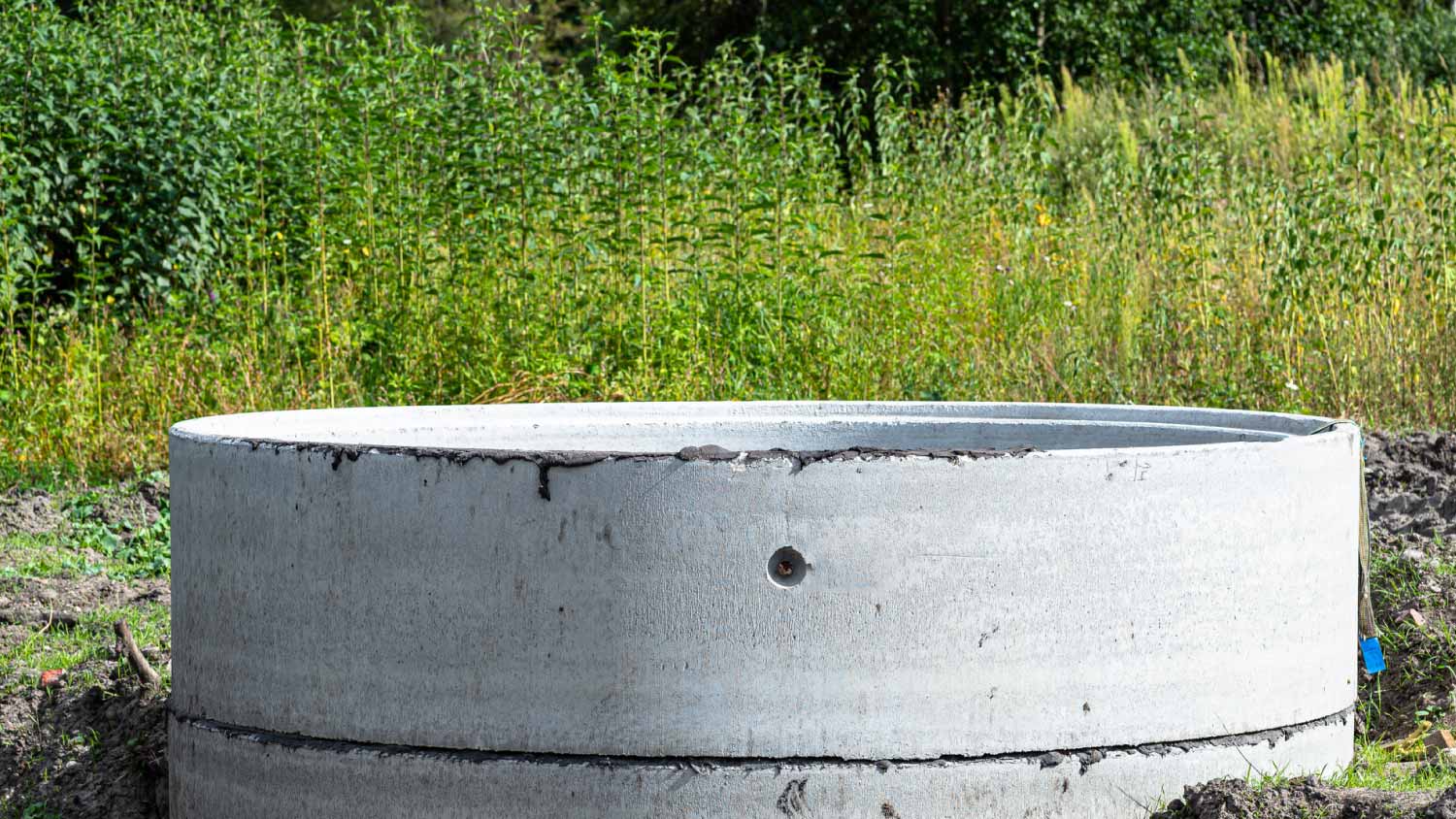
Deciding between a concrete and plastic septic tank involves considering both long-term and short-term variables. Here's what you need to know about both types.
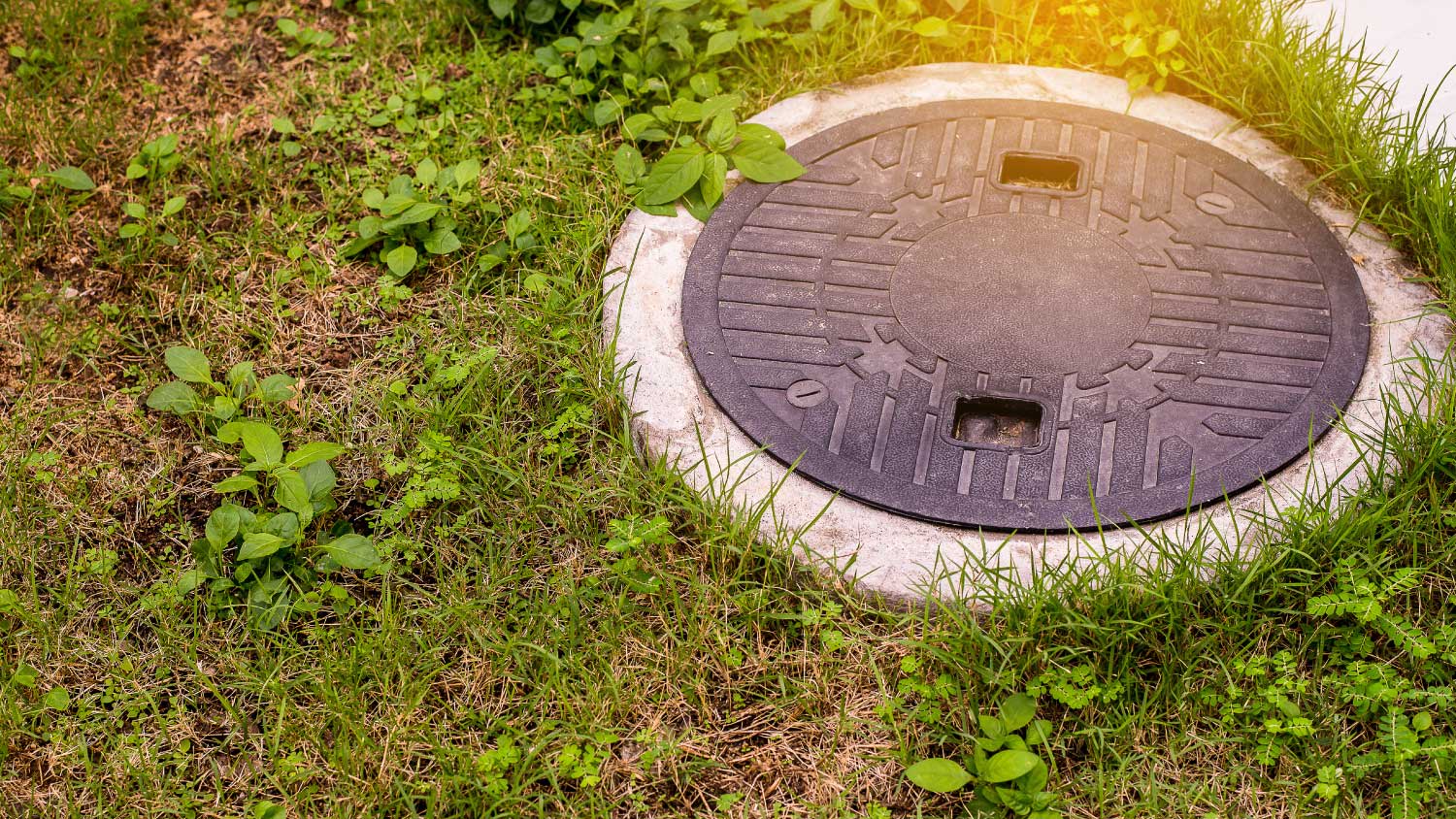
Septic tank risers make it easy to access your septic tank when it’s time for routine inspection, maintenance, and pumping, saving you precious time and labor costs.